Buying Refrigerated Vans on Auto Trader UK: What to Know First
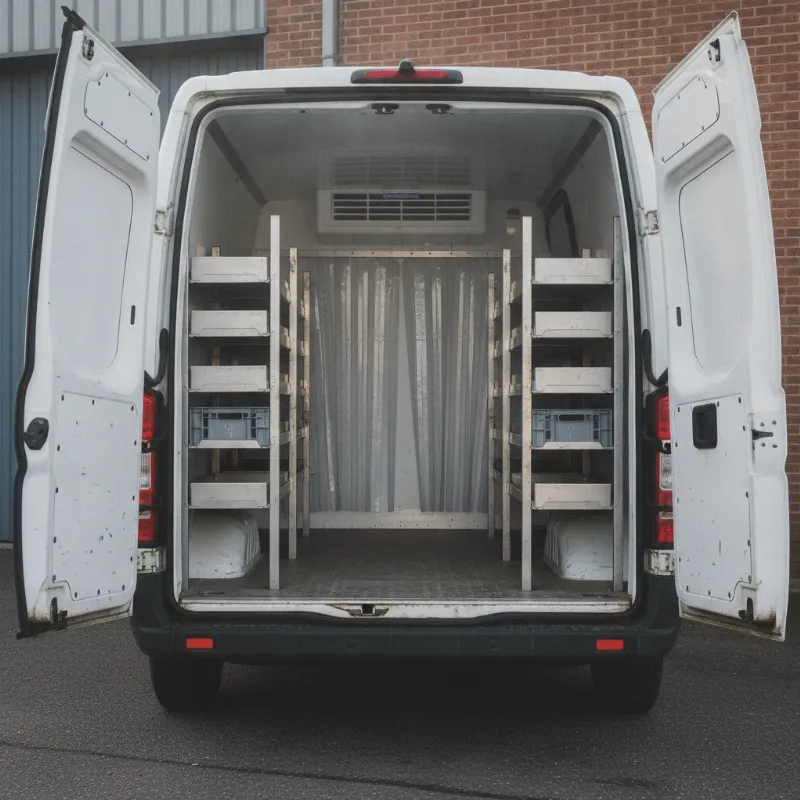
Why Buyers Search Auto Trader UK for Refrigerated Vans
Auto Trader UK is one of the first places most buyers head when they start looking for a refrigerated van. It's familiar, the search filters are easy to use, and the sheer volume of listings makes it feel like a one-stop shop. Whether you're a florist looking for a small chiller van, a butcher needing a freezer conversion, or a caterer scaling up a fleet, chances are you'll find dozens of vehicles listed within a few clicks.
The appeal is obvious: photos, prices and mileage all laid out side by side, with sellers ranging from private owners to franchised dealers and independent traders. But refrigerated vans aren't like standard panel vans. The fridge unit itself is a specialist piece of equipment, and the way it's been installed, maintained and used can make an enormous difference to how much the vehicle is really worth. That's why it pays to slow down and know what you're looking at before you commit.
What to Check Before Buying a Refrigerated Van Online
A refrigerated van is essentially two purchases in one: the base vehicle and the refrigeration system. Both need to stack up. General van listings often gloss over the fridge side entirely, so you'll want to dig into the detail before you travel to view or hand over a deposit.
Fridge Unit Age, Hours and Service History
The fridge unit is the heart of the vehicle, and like an engine it has a finite life. Ask the seller for the make and model of the unit — common names include Carrier, Thermo King, GAH and Hubbard — along with its running hours if the unit displays them. A fridge with low hours and a stamped service book is a very different proposition to one that's been running flat out for years with no records.
Also check when it was last serviced and gas-tested. A refrigeration unit that hasn't been maintained can fail to hold temperature under load, and replacement or major repair can run into thousands. Any credible seller should be able to produce paperwork.
Temperature Range: Chiller, Freezer or Dual-Compartment
Not all refrigerated vans do the same job. A chiller van typically holds temperatures around 0°C to 5°C — ideal for produce, dairy, flowers or sandwiches. A freezer van needs to hit -18°C or lower for frozen goods, and that requires a more powerful unit, thicker insulation and often a standby electric hook-up for overnight running. Dual-compartment vans split the load area with a moveable bulkhead so you can carry chilled and frozen stock in the same trip.
Buying the wrong specification is an expensive mistake. Make sure the listing clearly states the operating temperature the unit is rated to, not just the fact that it's "refrigerated."
Van Condition, Mileage and MOT
Don't let the fridge distract you from the basics. Check mileage against age, look at the MOT history on the government website, and pay close attention to bodywork around the load area — refrigerated vans are heavier than standard vans and often work hard on multi-drop routes, so wear and tear on brakes, suspension and clutches can be significant. Inside the load compartment, look for damaged insulation panels, dirty or torn floor coverings, and any signs of water ingress, all of which will affect performance and hygiene.
Auto Trader vs Specialist Refrigerated Van Dealers
Auto Trader gives you breadth, but a specialist refrigerated van dealer gives you depth. Specialists live and breathe fridge conversions every day. They understand which units suit which applications, they typically service the fridges in-house or through trusted partners, and they'll usually offer a warranty that covers both the vehicle and the refrigeration equipment — something private sellers rarely provide.
You'll also find that a specialist can advise on the right van for your specific trade, arrange bespoke tweaks like extra shelving, standby kits or partitions, and handle things like new MOTs and pre-delivery inspections as standard. On a general marketplace, you're often on your own once the money changes hands. For a piece of equipment your business depends on, that after-sales support can be worth a great deal more than a headline price difference.
Popular Refrigerated Van Models to Look For
Some vans have become firm favourites for refrigerated conversion, and it's worth knowing the names when you're scrolling through listings. The Ford Transit Custom is a hugely popular medium-sized chiller van, striking a good balance of payload, running costs and driveability. The full-size Ford Transit and the Mercedes-Benz Sprinter are the go-to choices for larger freezer work and multi-drop delivery fleets, both offering strong build quality and good parts availability.
The Volkswagen Transporter is often chosen where image matters — think artisan food producers and premium catering. For smaller loads, the Vauxhall Combo, Ford Transit Connect and Peugeot Partner make excellent compact chillers. Whichever model you're drawn to, pair the base vehicle with a reputable fridge brand and you're in a good starting position.
Finance and Delivery Options When Buying Nationwide
One of the advantages of buying through a specialist rather than a private seller on a general marketplace is access to proper business finance. Hire purchase, finance lease and contract hire are all commonly available on refrigerated vans, letting you spread the cost over two to five years and keep working capital free for stock and staff. Sole traders, limited companies and partnerships can all typically apply, and decisions are usually turned around quickly.
Nationwide delivery is also standard with most established refrigerated van dealers. That means you can buy from the best stock in the country rather than settling for whatever happens to be nearby, with the van driven or transported to your yard, fully prepped and ready to work. It's a very different experience from arranging a long round-trip to view a private sale that may or may not match its description when you arrive.
Talk to a Specialist Before You Buy
Auto Trader UK is a useful research tool, and there's nothing wrong with using it to get a feel for prices, specifications and what's currently on the market. But before you commit to a purchase, it's well worth having a conversation with a refrigerated van specialist. A short phone call can save you from buying the wrong temperature spec, an ageing fridge unit, or a van that isn't really suited to your work.
Tell the specialist what you carry, how far you drive, how many drops you make and where you park overnight, and they'll steer you towards the right van and the right conversion. Get that groundwork right and your refrigerated van will earn its keep for years — however you eventually decide to buy it.
FAQs
What should I know before buying a refrigerated van listed on Auto Trader UK, and are there better places to buy?
Before buying any refrigerated van online, check the age, make and running hours of the fridge unit, confirm the operating temperature range matches your needs (chiller vs freezer), review the van's MOT history and mileage, and ask for service records for both the vehicle and the refrigeration equipment. Auto Trader is fine for browsing, but specialist refrigerated van dealers typically offer better after-sales support, warranty cover on the fridge unit, in-house servicing and nationwide delivery — which often makes them a safer bet for a vehicle your business depends on.
How many hours is too many on a refrigerated van's fridge unit?
There's no single cut-off, but as a rough guide fridge units under around 5,000 hours are generally considered low-use, while units above 15,000–20,000 hours may be approaching a major service or overhaul. What matters just as much as the number is the service history — a well-maintained unit with higher hours can outlast a neglected one with lower hours.
Can I convert a standard van into a refrigerated van instead of buying one ready-made?
Yes, standard panel vans can be sent to a conversion specialist to have insulation and a fridge unit fitted. This can make sense if you already own a suitable van, but for most buyers it's quicker and often more cost-effective to buy a van that's already been professionally converted, tested and certified for its intended temperature range.
Do I need a special licence to drive a refrigerated van in the UK?
For most small and medium refrigerated vans up to 3.5 tonnes gross weight, a standard UK category B car licence is enough. Larger refrigerated vehicles above 3.5 tonnes require a C1 or C licence. Always check the van's gross vehicle weight on the V5C before you buy, as refrigeration equipment adds weight and can push some conversions closer to the limit.
Is it worth getting a pre-purchase inspection on a refrigerated van?
Absolutely. A pre-purchase inspection that covers both the vehicle mechanics and the refrigeration unit can highlight issues that aren't obvious from photos or a short test drive. Specialist refrigeration engineers can test whether the unit pulls down to temperature correctly and holds it under load, which is the single most important thing to confirm before you buy.