What Van is the Transit Custom? A Plain-English Guide
What is the Ford Transit Custom?
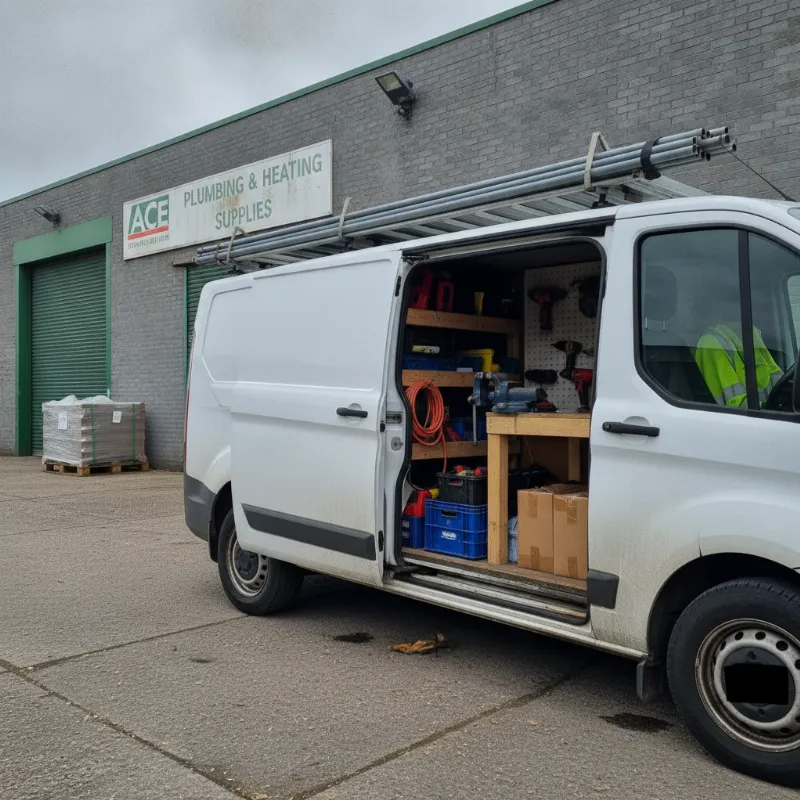
The Ford Transit Custom is a medium-sized panel van that sits in the middle of Ford's commercial vehicle range. It's smaller and easier to drive than the full-fat Transit, but considerably more spacious and capable than the compact Transit Connect. In practical terms, it's the van you'll see parked outside building sites, plumbers' homes and courier depots up and down the UK — and for good reason. It's been the best-selling van in Britain for years, thanks to a sensible balance of load space, running costs and everyday driveability.
Technically speaking, the Transit Custom is classed as a one-tonne panel van, which refers to its approximate payload capacity. It's built primarily for tradespeople, fleets and small business owners who need to shift tools, materials or goods without stepping up to a large 3.5-tonne vehicle. It comes in panel van, crew van (Double Cab-in-Van) and Kombi passenger variants, giving buyers plenty of flexibility depending on whether they're carrying cargo, crew or a mix of both.
Transit Custom vs Full-Size Transit: Which One Do You Need?
This is where a lot of buyers get confused, so it's worth clearing up. The "Transit" name actually covers several different vans, and the Transit Custom is not the same vehicle as the full-size Transit (sometimes called the Transit two-tonne). The full-size Transit is bigger in every dimension, offers a higher payload and gross vehicle weight, and is generally aimed at heavier commercial use — think removals, larger deliveries and buyers who need a Luton or dropside conversion.
The Transit Custom, by contrast, is easier to live with day-to-day. It fits in most car parks, is more car-like from behind the wheel, and returns better fuel economy. If you're carrying moderate loads, doing multi-drop work in towns and cities, or want a van that doubles up for family or leisure use at weekends, the Custom is almost always the right choice. If you regularly haul close to or above a tonne of payload, or need a longer load area than the Custom's L2 offers, the full-size Transit makes more sense.
Key Specs and Variants at a Glance
One of the reasons the Transit Custom has been so popular is the sheer breadth of the range. Ford offers it in multiple lengths, roof heights, trims and powertrains, so there's a version to suit almost every use case. Here's how the range breaks down.
Body Styles and Lengths
The Transit Custom is available as a standard panel van, a Double Cab-in-Van (which adds a second row of seats behind the driver for crew transport while retaining a rear load area), and the Kombi, which is set up more like a minibus for passenger carrying. On the latest generation, buyers can choose between two wheelbases — commonly referred to as L1 (shorter) and L2 (longer) — and there's a high-roof option for those who need extra vertical space for bulky items or interior racking.
Load volumes vary depending on configuration, but even the shortest panel van version offers enough space for two Euro pallets loaded through the side door, while the longer high-roof models are genuinely cavernous for a van of this class.
Engine and Powertrain Options (Including PHEV and E-Transit Custom)
Under the bonnet, the Transit Custom is offered with Ford's 2.0-litre EcoBlue diesel engine in several power outputs, typically ranging from around 110bhp up to around 170bhp on the higher-performance versions. Most buyers stick with the diesel because of its long-distance efficiency and towing ability, and both six-speed manual and eight-speed automatic gearboxes are available depending on trim.
For lower-emission use, Ford also offers a plug-in hybrid (PHEV) variant, which pairs a petrol engine with an electric motor and a small battery — useful for drivers who regularly enter clean air zones but still want combustion-engine range for longer trips. At the top of the range sits the fully electric E-Transit Custom, a battery-electric version with a usable real-world range that suits urban and regional operators looking to cut running costs and comply with tightening emissions rules.
Trim Levels Explained
Trim levels on the Transit Custom typically start with Leader, which is the workhorse spec — well-equipped but focused on essentials. Trend adds convenience and comfort kit like better infotainment and interior upgrades. Limited is the plush option, with heated seats, alloys and more chrome detailing. Sport and MS-RT trims sit at the top for buyers who want a sharper look and higher-output engines, while Trail models add a mechanical limited-slip differential for improved traction on site or in poor weather.
Who is the Transit Custom Best Suited To?
The Transit Custom is a genuine all-rounder, which is a big part of why it sells so well. It suits tradespeople — electricians, plumbers, carpenters, decorators — who need to carry tools and materials daily but don't want the bulk of a larger van. It's popular with couriers and multi-drop drivers because it's easy to manoeuvre in tight streets. Fleets favour it for its residual values and parts availability, and campervan converters love it because it makes an excellent base for a bespoke motorhome build.
It's also increasingly bought by lifestyle users — people who want a van they can kit out for surfing, cycling, dog transport or weekend adventures, while still using it as a practical family second vehicle. In short, if you need a mid-size van that does a bit of everything competently, the Transit Custom is hard to beat.
Buying, Leasing or Financing a Transit Custom
Because the Transit Custom is so widely available, buyers have plenty of options. You can buy outright, take out a hire purchase agreement to spread the cost and own the van at the end, or opt for a contract hire or lease arrangement where you pay a fixed monthly fee to use the vehicle for a set period. Business users often lean towards lease or contract hire because the payments can be treated as a running cost and VAT-registered businesses can typically reclaim VAT on the monthly rentals.
Used examples hold their value well, so a good pre-owned Transit Custom can be a smart buy — you get a proven, well-supported van without the biggest chunk of depreciation. If you'd like to see what's currently available, you can browse our Ford Transit Custom vans for sale and compare specs, mileage and pricing in one place. Whichever route you take, it's worth thinking about your annual mileage, whether you need the van long-term, and how important cash flow is to your business before deciding between purchase and finance.
Frequently Asked Questions About the Transit Custom
Below are some of the questions we hear most often from buyers researching the Transit Custom for the first time.
FAQs
What kind of van is the Ford Transit Custom?
The Ford Transit Custom is a medium-sized one-tonne panel van. It sits between the smaller Transit Connect and the full-size Transit in Ford's commercial line-up, and is available as a panel van, Double Cab-in-Van (crew van) or Kombi passenger version. It's designed for tradespeople, fleets and small businesses that need a practical, car-like van without stepping up to a larger 3.5-tonne vehicle.
Is the Transit Custom the same as the full-size Transit?
No. Despite the shared name, they're two different vans. The full-size Transit is larger, has a higher payload and gross vehicle weight, and is aimed at heavier commercial use. The Transit Custom is smaller, more manoeuvrable, more efficient and easier to drive day-to-day, which makes it the more popular choice for most UK buyers.
What engines does the Transit Custom come with?
Most Transit Customs use Ford's 2.0-litre EcoBlue diesel in various power outputs, with either a six-speed manual or eight-speed automatic gearbox. There's also a plug-in hybrid (PHEV) version that pairs a petrol engine with an electric motor, and a fully electric E-Transit Custom for buyers who want zero-emission running.
Is the Ford Transit Custom a good van to buy used?
Yes, it's generally considered one of the safer used van buys in the UK. Parts and servicing support are excellent, residual values are strong, and there's a huge choice on the market across body styles, trims and mileages. As with any used van, a full service history, clear MOT record and evidence of sensible use are worth looking for.
Can the Transit Custom be used as a campervan or day van?
Absolutely — the Transit Custom is one of the most popular base vehicles for campervan and day van conversions in the UK. Its interior dimensions, wide range of body styles and strong aftermarket support make it a great blank canvas for anything from a simple weekend camper to a fully kitted-out motorhome.