Call us on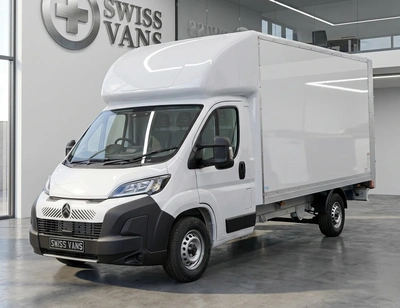


Luton Vans Guide: Buy Best
When it comes to moving large items or transporting bulky cargo, Luton vans stand out as a popular choice. These versatile vehicles, known for their distinctive box-shaped body, have become a staple in the transportation industry. Luton vans offer a unique combination of spaciousness and maneuverability, making them ideal for various applications, from house moves to business deliveries.
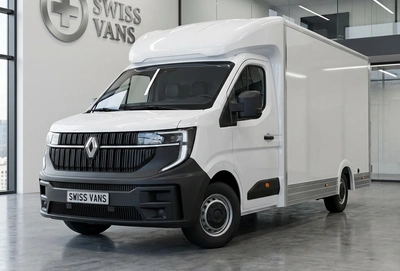
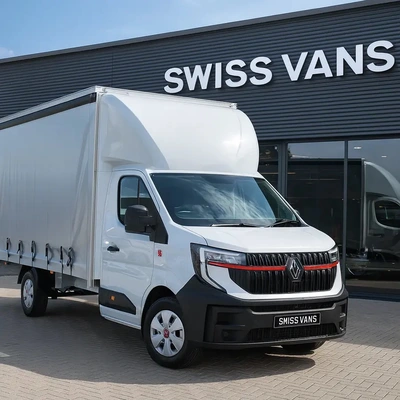
[caption id="attachment_56558" align="alignnone" width="700"] Renault Master Luton van[/caption]
This comprehensive guide aims to provide readers with all the essential information about Luton vans. It will explore the defining features of these vehicles, their advantages, and popular models available in the market. The guide will also delve into factors to consider when choosing a Luton van and weigh the pros and cons of hiring versus purchasing. By the end, readers will have a clear understanding of why Luton vans have become such a vital part of the transportation landscape. See our Luton vans for sale
What is a Luton Van?
Definition
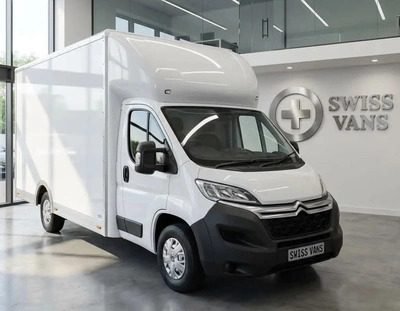
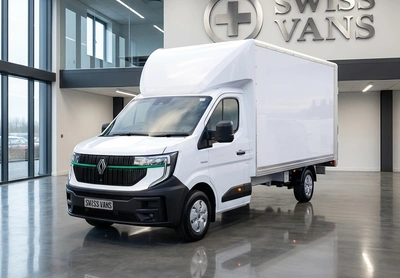
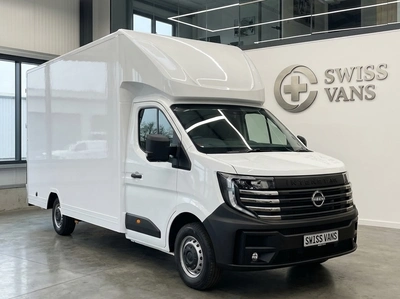
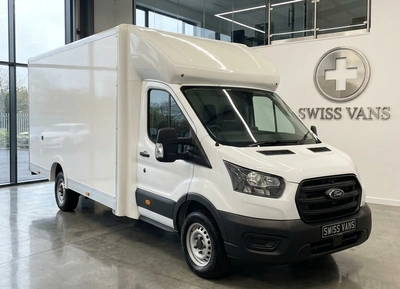
A Luton van is a distinctive type of box van characterized by an extended section over the cab, known as the Luton box or Luton peak. This unique design maximizes the available loading space, making it an ideal choice for transporting large and bulky items. The Luton van's body incorporates an enclosed box that extends over the cab, creating a spacious and versatile cargo area. See our Luton Van leasing
Key Features Luton Vans
The Luton van's most notable feature is its box-shaped body that extends over the cab. This extra space, referred to as the Luton box or peak, provides additional storage capacity compared to other types of vans. The over-cab area is particularly useful for storing lighter, bulkier items, effectively increasing the van's overall loading capacity.
These vans are designed with internal dimensions that maximize cargo space, offering ample room for transporting large pieces of furniture, household appliances, and other sizeable items. This makes them a top choice for commercial use, especially in industries that require the movement of substantial goods.
Another standard feature in most Luton vans is the tail lift. This hydraulic platform is a game-changer for loading and unloading heavy goods. It simplifies the process, reducing manual labor and minimizing the risk of injuries during transport operations.
Luton vans are highly versatile and can be used for various jobs. They are particularly popular for:
House moves
Furniture transportation
Building material delivery
Commercial deliveries
The robust design and substantial cargo space of Luton vans make them a practical choice for both businesses and individuals who need to transport large items regularly.
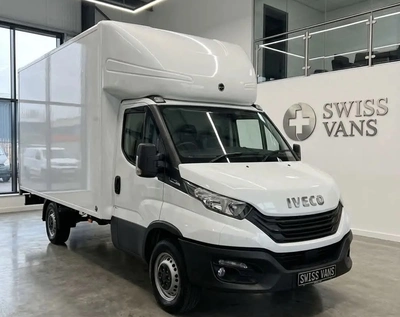
[caption id="attachment_56516" align="alignnone" width="700"] Iveco Daily Luton[/caption]
Origin of the Name Luton Vans
The Luton van's name has an interesting history rooted in the town of Luton, Bedfordshire, England. It was in this town that the renowned vehicle manufacturer, Bedford Vehicles, first designed and produced these distinctive vans.
The origin of the Luton van can be traced back to the early 20th century when it was initially designed to cater to the booming straw hat industry in Luton. The town was known for its thriving hat-making industry, and these vans were created to transport the hats efficiently.
Straw hats were typically wrapped in hessian fabric and packed in long cylinders that fit across the width of the van. The unique design of the Luton van, with its extended box over the cab, was perfect for accommodating these high-volume, low-weight loads.
Although the van style was named after the town of Luton, it's important to note that not all Luton vans are built in Luton. The name has become synonymous with this style of vehicle due to its association with Bedford vans produced in the town. Over time, the term "Luton van" has evolved to describe any van with this distinctive body style, regardless of its manufacturer or place of production.
Today, Luton vans continue to maintain the same characteristics as the original vehicles. The spacious cargo area that extends over the cab remains a defining feature, making these vans an enduring presence in the commercial vehicle market. Their practicality and versatility have ensured their popularity well beyond their original purpose, adapting to meet the diverse transportation needs of modern businesses and individuals alike.
Advantages of Luton Vans
Luton vans have become a popular choice for various transportation needs due to their unique design and practical features. These vehicles offer several advantages that make them stand out in the commercial vehicle market.
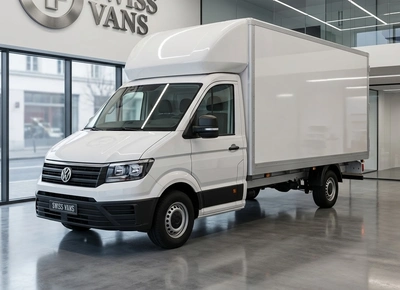
[caption id="attachment_56101" align="alignnone" width="700"] VW Crafter Luton[/caption]
Increased Cargo Space
One of the most significant benefits of Luton vans is their exceptional storage capacity. The distinctive box-shaped body that extends over the cab, known as the Luton box or peak, provides additional space compared to standard vans. This design dates back to the 1930s in Bedfordshire, where it was originally used to create extra room for low-weight goods.
The extended storage area over the driver's cab significantly increases the van's overall loading capacity. For instance, a typical Luton low loader offers a substantial capacity of 18.5 cubic meters, while a traditional Luton Box van provides 16.4 cubic meters of space. This extra room allows for the transportation of larger items that might not fit in a standard van.
The spacious interior of Luton vans enables users to transport a wide range of items, including:
Furniture
Household appliances
Building materials
Commercial goods
With their generous cargo space, new Luton vans can carry a large volume of goods in a single trip. Larger 7.5-ton models can accommodate around 40-50 boxes, multiple sofas, beds, a dining room set, and more. This capacity significantly reduces the number of trips required when moving items from one location to another, saving both time and money.
Versatility Luton Vans
Luton vans are highly versatile vehicles, suitable for a wide range of applications. Their robust design and vast cargo area make them ideal for various industries and purposes, including:
Furniture removal and haulage companies
Clearance services
Garden centers
Goods transportation services
Catering companies
The versatility of Luton van leasing extends to their payload capacity as well. Whether transporting building materials or carrying heavy boxes, these vans have a high payload capacity that provides peace of mind. For example, a typical Luton low loader has a payload of 1420 kilograms, while a traditional Luton Box van can carry up to 900 kilograms.
This high payload capacity makes Luton vans an excellent choice for businesses that need to transport heavy equipment or large loads over long distances. It also ensures that the van won't struggle under pressure, making it a reliable option for regular or one-off transportation needs.
Easy Loading
Luton vans are designed with practicality in mind, making the loading and unloading process much easier and more efficient. Several features contribute to this advantage:
Tail lift: Most Luton vans come equipped with a hydraulic platform as a standard feature. This tail lift significantly simplifies the process of loading and unloading heavy cargo, reducing manual labor and minimizing the risk of injuries during transport operations.
Low loader design: Some Luton vans feature a low loader design, allowing users to step directly into the loading area to access their cargo. This design eliminates the need for excessive lifting and makes it easier to maneuver items in and out of the van.
Ramp option: For heavier items, a ramp can be used to slide them in or out of the van, further reducing the physical strain on the users.
Dimensions: The interior dimensions of Luton vans are designed to maximize ease of use. With a typical interior length of 6m along the flat loading floor, a load height of around 2,200mm, and a width of approximately 2,000mm, these vans provide ample space for maneuvering large items.
These loading features not only make the transportation process more efficient but also contribute to the safety of the users by reducing the risk of injuries associated with heavy lifting.
Popular Luton Van Models
The Luton van market offers several popular models from renowned manufacturers. These vehicles have become staples in the transportation industry due to their versatility, spaciousness, and reliability. Let's explore some of the most prominent Luton van models available today.
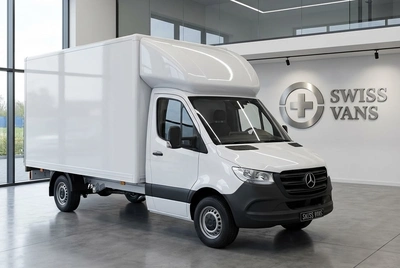
Mercedes-Benz Sprinter
The Mercedes-Benz Sprinter Luton stands out as one of the most technically advanced and versatile large vans in the market. It offers an impressive range of options, with over 1,700 versions available directly from Mercedes-Benz. The Sprinter comes in three wheelbase lengths, four body lengths, and three body heights, providing a load volume of up to 17.0 cubic meters.
One of the Sprinter's key features is its availability in both front-wheel drive (FWD) and rear-wheel drive (RWD) configurations. The FWD option increases payload by 50kg compared to equivalent RWD models and enables a lower loading sill height at the rear. It also comes with an optional nine-speed automatic gearbox, enhancing its versatility.
The Mercedes Sprinter Luton Van is known for its comfort, ease of driving, and standard equipment. It incorporates Mercedes Pro Connect internet connectivity as standard in the UK, making fleet management more efficient. While it may not be the top choice in its class, the Sprinter remains a fantastic option for those seeking a high-tech solution in the large van segment.
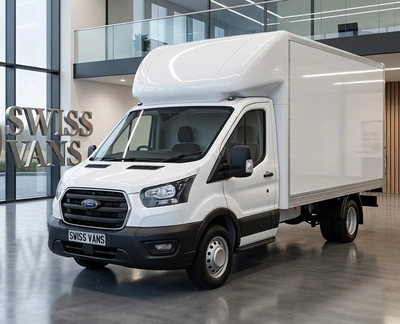
Ford Transit
The Ford Transit Luton continues to be a benchmark in the large van category, consistently ranking as one of Europe's best-selling vans. It combines strong value with ease of use, a good driving experience, and an extensive dealer network that offers plenty of direct-order choices.
The Transit Luton is available in front-wheel drive (FWD), rear-wheel drive (RWD), and all-wheel drive (AWD) configurations, catering to various needs. It's known for its ease of driving, feeling much smaller than its true size on the road, making it less intimidating for inexperienced large van drivers.
Ford has also introduced the E-Transit, an all-electric version that sets the standard for large electric vans. It offers a competitive range, more power, and excellent payload capacity, making it a top choice in the electric van market.
The Transit comes equipped with modern technology, including the FordPass Connect 4G modem, which powers an on-board Wi-Fi hotspot and enables new connectivity features. The FordPass Pro app allows owner-operators and small fleets to access instant information about their van, such as lock status and maintenance concerns.
Renault Master
The Renault Master Luton Low Loader is a highly versatile large van, available in a wide range of variants directly from the factory. It comes in four body lengths and three body heights, with the choice of front- or rear-wheel drive. The Master offers competitive levels of space and payload, along with a selection of powerful turbodiesel engines.
One of the Master's standout features is its availability as a 100% electric model, known as the Renault Master E-Tech. This electric version is fitted with an 87kWh battery, providing up to 285 miles of range, which compares favorably with its competitors.
The Master's cab is spacious, comfortable, and built to last. However, the ride quality may be slightly bumpy on longer journeys, especially when the van is empty. The 2019 facelift brought significant improvements, including a new-look front end, revised engines, and an overhauled interior with a much smarter-looking dashboard design.
Renault has also focused on improving the Master's safety features, upgrading it to achieve a Bronze rating in Euro NCAP's van safety campaign in 2022. While this is an improvement, it still lags behind some competitors in terms of standard safety equipment.
Choosing the Right Luton Van
When selecting a Luton van, several factors need to be considered to ensure the vehicle meets specific requirements. These considerations include size, payload capacity, and fuel efficiency.
Size Considerations
Selecting the appropriate size of a Luton van is crucial for efficient operations. Here are three key points to consider:
Storage capacity: Assess the weight and quantity of goods to be transported, ensuring they fall below the van's cargo capacity.
Length and height: Examine the dimensions of the Luton box van to confirm it is wide and high enough to accommodate the cargo.
Maneuverability: Consider the size of the Luton in relation to the areas it will be driven through, as larger vans are typically more challenging to maneuver.
Luton vans generally have an interior length of 6m along the flat loading floor. The load height is usually around 2,200mm, while the width is approximately 2,000mm. Two size options are available: L3 and L4. The choice between these depends entirely on specific needs.
It's worth noting that larger 7.5-ton models can accommodate around 40-50 boxes, multiple sofas, beds, a dining room set, and more. This capacity allows for transporting everything in one trip, eliminating the need for multiple journeys.
Payload Capacity
Payload capacity is a critical factor in choosing the right Luton van. It refers to the maximum weight a van can carry, including cargo, passengers, and equipment. Luton vans typically have a payload capacity ranging from 1,000kg to 1,500kg.
To calculate a van's payload capacity:
Find the Gross Vehicle Weight (GVW): This is the maximum legal weight of the van, including the vehicle itself, fuel, passengers, and cargo.
Determine the kerb weight: This is the weight of the van without passengers or cargo, but with a full tank of fuel and all necessary fluids.
Calculate the payload capacity: Subtract the kerb weight from the GVW.
Payload Capacity = Gross Vehicle Weight (GVW) - Kerb Weight
It's important to note that adding a tail lift to a Luton van will reduce the payload by approximately 250kg. Additionally, the number of passengers and any modifications or accessories will affect the available payload capacity for cargo.
Fuel Efficiency
Fuel efficiency is another crucial factor to consider when choosing a Luton van, especially for long-distance transportation of heavy cargo loads. Here are some of the most fuel-efficient large vans in the market:
Ford Transit: When fitted with the 105PS Ecoboost Euro 6.2 diesel engine, it leads the pack in fuel efficiency.
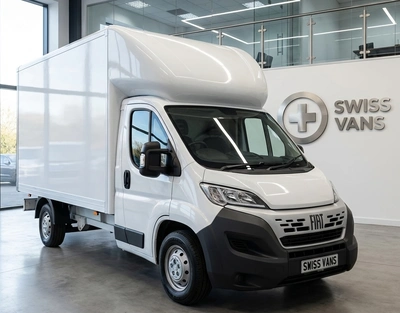
Fiat Ducato Luton : Equipped with a 2.2-liter Multijet engine, it offers excellent fuel economy.
Mercedes-Benz Sprinter: Even the largest model in the range (317 L4H2) manages a combined result of 30mpg, which is impressive considering its 150hp output and 340nm torque.
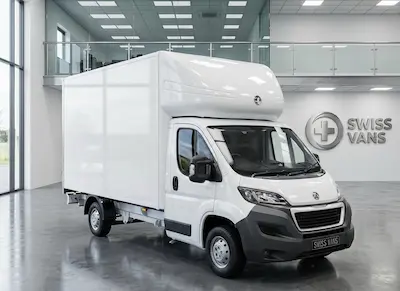
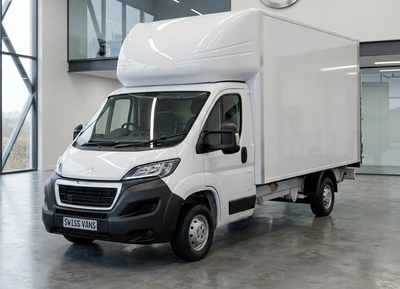
Peugeot Boxer and Citroen Relay Luton Van : These vans offer a good combination of payload, loadspace, and fuel efficiency.
Vauxhall Movano Luton : The 140PS engine manages 32.3mpg and CO2 emissions of 240g/km.
By considering these factors - size, payload capacity, and fuel efficiency - one can make an informed decision when choosing the right Luton van for their specific needs.
Luton Van Hire vs Purchase
When considering the acquisition of a Luton van for business or personal use, individuals and companies often face the dilemma of whether to hire or purchase the vehicle. Both options have their merits and drawbacks, and the decision ultimately depends on specific circumstances and financial considerations.
Cost Comparison
The financial aspect is often the primary factor in deciding between hiring and purchasing a Luton van. Buying a vehicle outright with one's own money is usually the cheapest way of running a van in the long term. However, this option requires a significant upfront capital expenditure, which may not be feasible for all businesses, especially startups or small enterprises.
On the other hand, hiring a Luton van involves fixed weekly or monthly costs, which can be more manageable for businesses with limited capital. Rental payments are typically predictable and can be easily budgeted for. However, it's important to note that the cumulative cost of hiring over an extended period may exceed the cost of purchasing a van outright.
For companies that accumulate massive mileage (approximately 30,000+ miles per year), a cash purchase often proves more economical than mileage-restricted finance options like Contract Hire. Additionally, businesses can claim 100% of the VAT against corporation tax if they opt for a maintenance package on their hired fleet.
Flexibility
Luton van hire offers greater flexibility compared to ownership. At the end of a contract hire agreement, businesses have the opportunity to negotiate a new contract with new vehicles. This allows companies to adapt their fleet to changing needs and ensures access to the latest models on the market, which can make an excellent impression on clients.
Ownership, while providing ready access to the vehicle at all times, can limit flexibility. Businesses may find themselves stuck with the same size and specifications even when their requirements change. In such cases, they might need to opt for a Luton van rental if their owned van doesn't meet their needs at a particular moment.
Hiring also allows for short-term solutions, with rentals available from a single day to months or even years. This flexibility is particularly beneficial for businesses with fluctuating transportation needs or those undertaking one-off projects.
Maintenance Responsibilities
One of the significant advantages of hiring a Luton van is the reduced burden of maintenance responsibilities. Many hire companies include maintenance in their contracts, protecting businesses from unexpected repair costs. When a vehicle is out of commission due to maintenance or repairs, rental companies often provide a replacement vehicle, minimizing downtime and potential loss of productivity.
In contrast, van ownership comes with full responsibility for maintenance, repairs, and associated costs. This includes routine servicing, unexpected breakdowns, and compliance with legal requirements such as MOT testing. These responsibilities can be time-consuming and potentially costly, especially as vehicles age.
Moreover, owned vehicles depreciate over time, representing a cost to the business. With fleet hire, the hire company absorbs this depreciation cost. At the end of a vehicle's life, disposal can be a time-consuming and expensive process for owners, whereas hired vehicles simply return to the hire company at the end of the contract.
It's worth noting that while hire agreements often cover maintenance, businesses are typically responsible for returning the vehicle in good working order. Any damage beyond normal wear and tear may incur additional costs at the end of the hire period.
Conclusion
Luton vans have a significant influence on the transportation industry, offering a unique blend of spaciousness and practicality. Their distinctive design, with the extended box over the cab, provides ample storage capacity to handle large and bulky items. This makes them a go-to choice for various applications, from house moves to commercial deliveries. The versatility and ease of loading that Luton vans offer have cemented their position as essential tools for businesses and individuals alike.
When it comes to acquiring a Luton van, the decision to hire or purchase depends on individual circumstances and needs. Hiring offers flexibility and reduced maintenance responsibilities, while purchasing can be more cost-effective in the long run for high-mileage users. Whatever the choice, Luton vans continue to play a crucial role in meeting diverse transportation needs, proving their worth in an ever-evolving logistics landscape. Their enduring popularity is a testament to their practical design and adaptability to changing market demands.
FAQs
What items are suitable for transport in a Luton van?
A 7.5 ton Luton van is well-suited for moving the contents of three-bedroom houses. It can accommodate 40-50 boxes, up to 4 beds, 3 sofas, 2 dining tables with chairs, 3-4 wardrobes, and most kitchen appliances. The van typically offers a loading capacity of about 880-650 cubic feet.
What are the challenges of driving a Luton van?
Due to their larger size and heavier weight compared to regular cars, Luton vans require a modified driving approach. It is advisable to drive at a slower pace, particularly when making turns or lane changes. Maintaining a safe distance from other vehicles and avoiding abrupt stops or sharp turns is crucial, as is being mindful of the van's larger dimensions.
What is the maximum load capacity of a 3.5 ton Luton van?
A 3.5 ton Luton van can carry a maximum load of 1500 kg (1.5 tons). The Gross Vehicle Weight (GVW) of the van, which includes the weight of the load, passengers, and the van itself, must not exceed 3500 kg.
Do all Luton vans come equipped with a tail lift?
Not all Luton vans are equipped with a tail lift. While many models include a tail lift to facilitate the loading and unloading of heavy items, the availability of this feature varies depending on the specific make and model of the van.
Why Lease With Swiss Vans