 Call us on
 Low Loader Van
In the world of Low Loader Van commercial vehicles, low cost vans and have emerged as versatile workhorses, revolutionizing transportation and logistics. These specialized vehicles, designed with a low deck height, offer unique advantages for businesses across various industries. From low loader vans for sale to custom low loader van conversions, these vehicles have become indispensable tools for efficient cargo handling and transportation. Source
This comprehensive guide to Low Loader Van delves into the world of low loader vans, exploring their types, dimensions, and applications. Readers will discover key considerations when choosing a low loader van, including options for hire, lease, or purchase. The article also examines popular variants such as low loader Luton vans, flatbed models, and box vans, providing insights into their specific uses and benefits. Whether you’re in the market for a new vehicle or seeking to understand the potential of low loader vans for your business, this guide offers valuable information to help you make informed decisions.
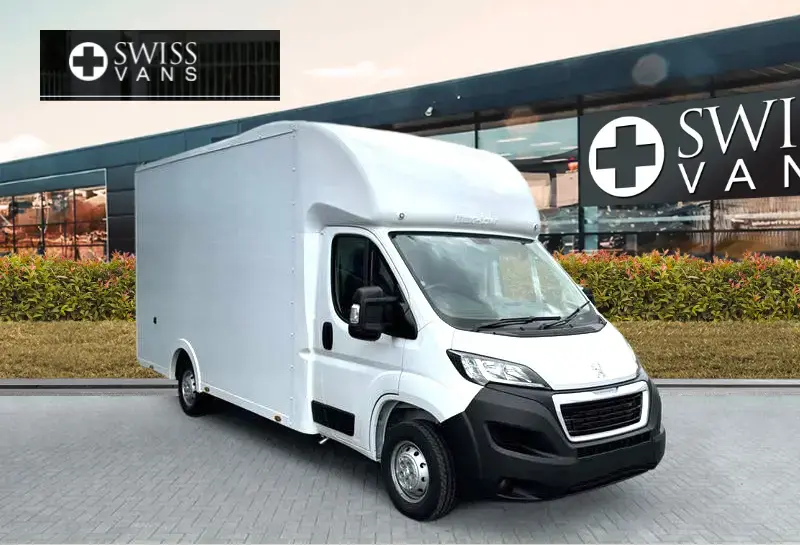
What is a Low Loader Van?
A low loader van is a specialized commercial vehicle similar to a Luton Van designed to transport heavy and oversized cargo with ease and efficiency. These versatile workhorses have become indispensable in various industries due to their unique design and capabilities.
Definition
A low loader van, also known as a lowboy trailer, is essentially a modified Luton van with a significantly lower deck height. This design features two distinct drops in deck height: one from the upper deck and another from the rear deck. The result is a vehicle with a loading area much closer to the ground compared to standard vans or trailers.
Key Features
- Low Deck Height: The most distinguishing feature of a low loader van is its reduced deck height. This design allows for easier loading and unloading of heavy or tall items without the need for a tail lift.
- High Payload Capacity: Despite their lower profile, low loader vans can handle substantial weights. Depending on the specific model, size, and number of axles, these vehicles can have a payload capacity of up to 80 tons (80,000 kg).
- Adjustable Height Settings: Many low loader vans come equipped with adjustable height settings, providing flexibility when dealing with various types of cargo.
- Extended Load Area: The Luton-style design, which extends over the cab area, offers additional space for lengthy loads.
- Secure Cargo Management: Inside the load area, rails and tie points are typically installed to ensure that even heavy loads can be properly secured during transit.
Advantages Low Loader Vans
- Easier Loading and Unloading Low Loader Van: The low deck height significantly reduces the effort required to load and unload cargo, making it an ideal choice for industries dealing with heavy machinery or equipment.
- Increased Safety: By lowering the center of gravity for goods in transit, low loader vans enhance overall safety during transportation.
- Versatility: These vans can handle a wide range of cargo types, from industrial goods to construction equipment and agricultural machinery.
- Improved Stability: Due to their lower height, low loader vans are less affected by strong winds, ensuring maximum safety and security for the transported goods.
- Reduced Manual Labor: The ease of loading and unloading decreases the need for manual labor, thereby reducing the risk of worker injuries.
- Regulatory Compliance: Low loader vans are often compliant with various urban regulations, including low-emission zones, making them suitable for city deliveries.
- Cost-Effectiveness: While the initial investment might be higher, low loader vans offer long-term cost savings through reduced fuel consumption and lower maintenance requirements.
Low loader van have proven their worth across numerous industries, including construction, agriculture, mining, and logistics. Their ability to transport heavy, oversized loads safely and efficiently has made them an essential tool for businesses dealing with large machinery or equipment. As urban areas implement stricter regulations on commercial vehicles, the demand for these versatile and efficient vans continues to grow, cementing their place as a crucial component in modern transportation and logistics operations.
Types of Low Loader Van
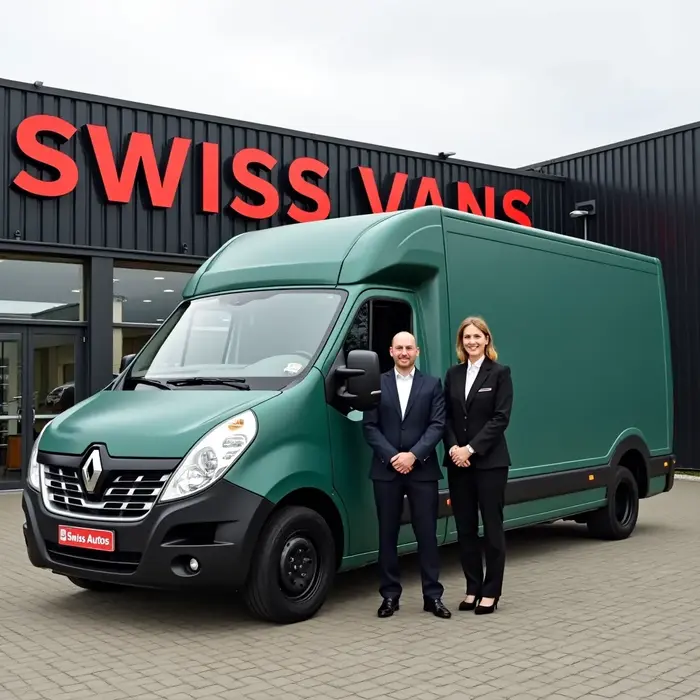
Low loader vans are versatile vehicles that have gained widespread popularity due to their lower floor and increased payload capacity. These multi-purpose vehicles excel in various jobs where standard vans might require additional machinery or manpower. With a typical payload capacity exceeding 1000kg, low loader vans are often referred to as “the easy movers” and are favored by haulage companies and “man with a van” services.
Box Vans
Box vans are characterized by their cube-like shape, featuring a spacious load area separate from the cab. This design combines elements of small cargo trucks and regular panel vans, making them ideal for delivery companies and courier drivers. The cargo area in box vans is accessible through rear doors, and some models come equipped with tail lifts to facilitate loading.
Key features of box vans include:
- High load capacity
- Separate cargo area from the cab (with some exceptions)
- Rear door access
- Optional tail lifts for easier loading
Popular box van models include the Volkswagen Crafter and Mercedes Sprinter. These vehicles are particularly useful for transporting large parcels and bulky loads, making them a go-to choice for courier services and delivery drivers.
Luton Van
Luton van are essentially extended box vans with an enclosed body separate from the driver’s cab. The distinguishing feature of a Luton van is the body extension over the cab area, which creates additional cargo space. This design maximizes the available load capacity while maintaining a relatively lightweight structure.
Some key characteristics of Luton vans include:
- Extended body over the cab area
- High load capacity
- Lightweight construction
- Fuel efficiency (in newer models with rounded cab sections)
Popular Luton van models include the Ford Transit and Renault Master. These vehicles are highly sought after by delivery companies due to their combination of high load capacity and lightweight design. Some newer Luton van models feature rounded sections over their cab areas, which helps reduce wind resistance and improve fuel efficiency.
Dropside Vans
Dropside vans are a variant of flatbed vans that offer enhanced accessibility. These vehicles feature hinged gates on the sides that can be lowered, allowing for easier loading and unloading of cargo. This design makes them particularly suitable for builders and those who need to transport heavy machinery.
Key features of dropside vans include:
- Flatbed design
- Hinged side gates for improved access
- Versatility for transporting heavy machinery
- Suitability for construction and industrial applications
The ability to drop the sides of these vans provides flexibility in loading and unloading, making them an excellent choice for businesses that deal with oversized or irregularly shaped cargo.
Low loader vans, regardless of their specific type, offer numerous advantages for businesses across various industries. Their low deck height significantly reduces the effort required for loading and unloading, enhancing safety and efficiency in cargo handling. These vehicles also provide increased stability during transit due to their lower center of gravity, making them less susceptible to strong winds.
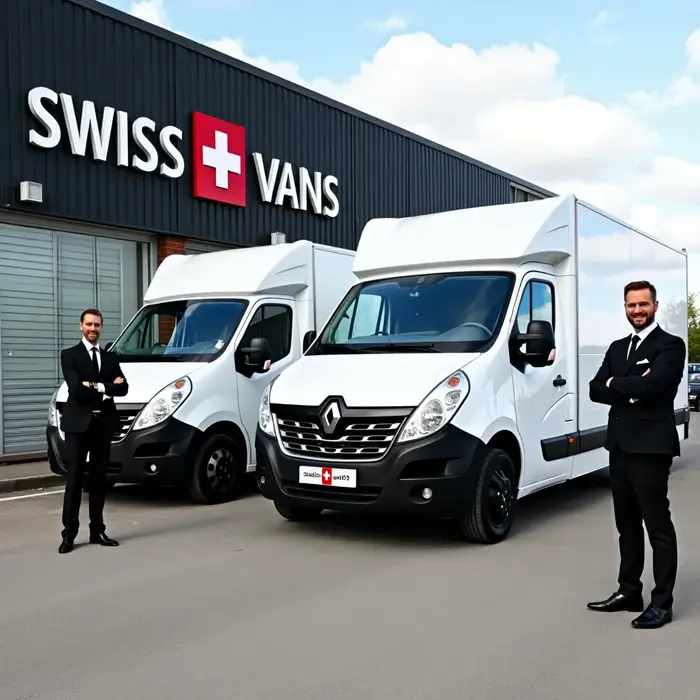
The versatility of low loader vans extends beyond traditional haulage and delivery services. They can be adapted for various purposes, from starting a local dog-walking service to installing a converted horsebox. This adaptability, combined with their load capacity and easy access, has cemented their position as essential tools in modern transportation and logistics operations.
As urban areas implement stricter regulations on commercial vehicles, the demand for these efficient and versatile vans continues to grow. Low loader vans often comply with various urban regulations, including low-emission zones, making them suitable for city deliveries. While the initial investment in a low loader van might be higher, they offer long-term cost savings through reduced fuel consumption and lower maintenance requirements.
Top Manufacturers of Low Loader Vans
The low loader van market has several key players, each offering unique features and benefits to cater to various business needs. Let’s explore some of the top manufacturers in this segment.
Renault Low Loader Van
Renault has established itself as a prominent player in the low loader van market with its Master series. The Renault Master Luton Low Loader has gained popularity among delivery drivers, removal firms, and couriers who need to transport bulky loads. This vehicle combines the front of a van with a spacious Luton body built onto a long wheelbase chassis.
Key features of the Renault Master Luton Low Loader include:
- Front-wheel drive configuration
- 2.3-liter turbo diesel injection engines
- Three engine options to choose from
- Practical design with a massive storage container
- 270-degree opening rear doors for easy access
- Metal reinforcement on the sides for added stability
While the payload capacity of around 1200 kg is not as high as some medium vans, the Renault Master Luton Low Loader excels in volume rather than weight capacity. It’s a no-frills, tried-and-tested vehicle that has remained relevant with minor updates over the years.
Fiat Low Loader Van
Fiat has made significant strides in the low loader van market with its Ducato model. The Fiat Ducato has recently undergone a mid-life update, enhancing its appeal to businesses seeking a practical and modern low loader van.
Notable aspects of the Fiat Ducato include:
- Large payload capacity
- Elegant interior design
- Comprehensive safety technology
- Improved comfort over long distances
- Competitive pricing, especially for entry-level versions
However, potential buyers should be aware of some drawbacks, such as a glitchy infotainment system and unsettled rear suspension. Additionally, higher-end models can be relatively expensive compared to competitors.
Mercedes-Benz Low Loader Van
Mercedes-Benz has long been a aspirational brand in the van market, and its Sprinter model has been a popular choice for businesses seeking a premium low loader van. The Mercedes Sprinter offers:
- A wide range of body styles
- High-tech interior
- Efficient engine options
- First-class build quality
The Sprinter has a reputation for feeling more powerful than many of its rivals, including the Citroën Relay and Peugeot Boxer. However, it’s worth noting that the Sprinter’s high price tag can be prohibitive for some businesses, and some users have reported overly aggressive safety technology.
Others Low Loader Vans
While Renault, Fiat, and Mercedes-Benz are prominent players, other manufacturers also offer compelling low loader van options. For instance, Bevan Group produces custom low loader bodies that can be fitted to various chassis. Their offerings include:
- ‘Easy entry’ loading height of just 41cm (410mm)
- Internal volumes ranging from 20.4 to 27.5 cubic meters
- Industry-leading payload of at least 1,300kg
- Twin rear axles as required
- Lightweight and durable construction with a three-year warranty
- Aerodynamic fronts fitted as standard for improved fuel efficiency
Another notable manufacturer is Maxi Mover, which markets itself as the UK’s number one ultra-lightweight low loader van manufacturer. Their range includes various models with prices starting from £35,440 + VAT, catering to different business needs and budgets.
When choosing a low loader van, businesses should consider factors such as payload capacity, internal volume, fuel efficiency, and specific features that align with their operational requirements. While established brands like Renault, Fiat, and Mercedes-Benz offer reliable options, exploring offerings from specialized manufacturers like Bevan Group and Maxi Mover can provide tailored solutions for specific business needs.
Key Considerations When Choosing a Low Loader Van
When selecting a low loader van, several crucial factors come into play. These considerations ensure that the chosen vehicle aligns with specific business needs and operational requirements.
Payload Capacity Low Loader Van
Payload capacity of Low Loader Van is a critical specification to consider when choosing a low loader van. It refers to the maximum weight the vehicle can safely carry, including passengers, cargo, and fuel. Understanding payload capacity is essential for efficient and safe transportation of goods.
To determine the payload capacity, one can subtract the vehicle’s curb weight from its gross vehicle weight rating (GVWR). It’s important to note that payload capacity also includes the weight of any modifications or accessories added to the van, such as roof racks, shelving, or toolboxes.
Exceeding the payload limit can result in:
- Reduced vehicle performance
- Increased wear and tear
- Potential safety issues
Low loader vans typically offer substantial payload capacities. For instance, some models can handle payloads up to 2500kg, making them suitable for businesses that need to transport heavy loads. However, it’s crucial to choose a van with a payload capacity appropriate for specific needs to ensure optimal performance and safety.
Dimensions Low Loader Vans
The dimensions of a low loader van have a significant impact on its practicality and versatility. Key aspects to consider include:
- Length
- Width
- Height
- Internal volume
Low loader vans are designed with a lower deck height, which offers several advantages:
- Easier loading and unloading of cargo
- Improved stability due to a lower center of gravity
- Enhanced safety during transit
For example, a typical low loader Luton van might have the following dimensions:
- Length: 4.1 meters (13’5″)
- Width: 1.98 meters (6’4″)
- Height: 2.25 meters (7’3″)
- Width between wheel arches: 1.36 meters (4’4″)
- Internal volume: 18.5 cubic meters
These dimensions allow for the transportation of bulky items while maintaining maneuverability. Some low loader vans offer internal volumes ranging from 20.4 to 27.5 cubic meters, catering to various business needs.
Fuel Efficiency Low Loader Van
Fuel efficiency in Low Loader Van has a significant impact on the overall operating costs of a low loader van. When evaluating fuel efficiency, consider the following:
- Engine type and size
- Fuel type (diesel, petrol, hybrid, or electric)
- Aerodynamic design
Many modern low loader vans come equipped with fuel-efficient engines and aerodynamic features to reduce fuel consumption. Some manufacturers offer low loader vans with up to 60% lower running costs compared to standard HGV trucks.
When choosing a low loader van, it’s essential to balance fuel efficiency with other requirements such as payload capacity and dimensions. While a larger van might offer more space and payload capacity, it may consume more fuel. Conversely, a smaller, more fuel-efficient van might have limitations in terms of cargo space.
Some manufacturers offer hybrid or electric low loader van options, which can be more environmentally friendly and cost-effective in the long run. These alternatives are worth considering, especially for businesses operating in urban areas with strict emission regulations.
By carefully evaluating payload capacity, dimensions, and fuel efficiency, businesses can select a low loader van that best suits their specific needs. This ensures optimal performance, cost-effectiveness, and compliance with relevant regulations.
Applications and Industries
Low loader vans have become indispensable in various sectors due to their versatility and efficiency. These vehicles excel in transporting heavy and oversized loads, making them ideal for a wide range of applications across different industries.
RemovalscLow Loader Vans
The removal industry has greatly benefited from the introduction of low loader vans. These vehicles have become the go-to choice for removal companies and “man with a van” services. Their design allows for the quick and secure loading of heavy objects and furniture, a common requirement in removal jobs.
Low loader vans offer several advantages for removal services:
- Increased payload capacity: With the ability to carry over 1000kg, these vans can handle substantial loads.
- Easier loading and unloading: The lower floor height reduces the effort required to move items in and out of the vehicle.
- Fewer trips: The additional space means fewer journeys are needed, increasing efficiency and reducing costs.
- Versatility: Low loaders can accommodate a wide variety of items, from furniture to appliances.
Deliveries
In the delivery sector, low loader vans have proven to be invaluable assets. They are particularly useful for businesses that need to manage larger deliveries efficiently. The Maxi Mover E-Loader GT Luton van, for instance, stands out in the marketplace for distribution and logistics companies requiring bigger payloads and volumes for greener inner-city deliveries.
Key features that make low loader vans ideal for deliveries include:
- High volume capacity: Some models offer up to 27 cubic meters of space.
- Substantial payload: Certain vans can carry up to 1250kg.
- Easy access: The low floor design allows for effortless loading and unloading.
- Eco-friendly options: Electric versions produce zero tailpipe emissions, contributing to cleaner air in urban areas.
These vans can be customized for various delivery needs, from standard removals to specialized applications like mobile kitchens or even vans converted to provide goods to the homeless.
Construction Low Loader Van
The construction industry has found low loader vans to be particularly useful for transporting heavy building materials and equipment. These vehicles offer a cost-effective solution for moving construction-related items without the need for larger, more expensive trucks.
Advantages for the construction sector include:
- Ability to transport heavy loads: Low loaders can easily handle construction equipment and heavy machinery.
- Versatility: They can carry open-air commodities and industrial equipment that rolls.
- Adaptability: Some models feature extendable beams for extra-long freight like steel structures or precast concrete beams.
- Ease of use: The low clearance and hydraulic ramps make loading and unloading of equipment straightforward.
Beyond these primary applications, low loader vans have found use in numerous other industries. They can be adapted for various purposes, from serving as mobile shops for garden centers to being converted into ice cream vans. The flexibility of these vehicles means they can be customized to meet the specific needs of almost any business, making them a valuable asset across a wide range of sectors.
Conclusion
Low loader vans have caused a revolution in transportation and logistics, offering a blend of versatility and efficiency that’s hard to beat. Their unique design, with a lower deck height, has made them indispensable for businesses dealing with heavy or bulky cargo. From removals to deliveries and construction, these vehicles have proven their worth across various industries, making tasks easier and more cost-effective.
To wrap up, the choice of a low loader van depends on factors like payload capacity, dimensions, and fuel efficiency. As urban areas implement stricter rules on commercial vehicles, these vans are likely to become even more popular. Their ability to adapt to different needs, combined with their efficiency, makes them a smart investment for businesses looking to streamline their operations and stay ahead in today’s competitive market.
FAQs Low Loader Van
What exactly is a low loader van?
A low loader van, often referred to as “the easy mover,” is distinguished by its lower loading height, which eliminates the need for a tail lift. This feature simplifies the process of loading and unloading goods, making these vans particularly useful for tasks such as removals and deliveries.
What function does a low loader serve? A Nissan low loader is a specialized flatbed trailer designed to transport industrial goods and heavy equipment. It features a uniquely low deck, which facilitates the safe and efficient carriage of large items closer to the ground compared to standard trailers.
Is a Luton van considered a commercial vehicle?
Yes, a Luton van is a type of commercial vehicle known for its unique design and practicality in transporting goods. It features an overhanging storage area above the cab, which maximizes cargo space, making it ideal for moving large or bulky items.
Do all Luton vans come equipped with a tail lift?
While not all Luton vans have a tail lift, many standard models include one. This addition enhances the ease of loading and unloading goods, complemented by the van’s peaked front that extends over the driver’s cabin, offering additional storage space.