Guide to Converting Peugeot Vans into Motorhomes
Why Choose a Peugeot Van for Your Motorhome Conversion?
Peugeot vans are a popular choice for motorhome conversions due to their reliable engineering and varied load capacities. When selecting a vehicle, it is essential to consider the final kerb weight against the vehicle's maximum authorised mass (MAM) to ensure you remain within payload limits. A robust chassis is vital for supporting the additional weight of insulation, cabinetry, and living equipment, which can quickly consume your available payload.
Best Peugeot Models for Campervan Conversions
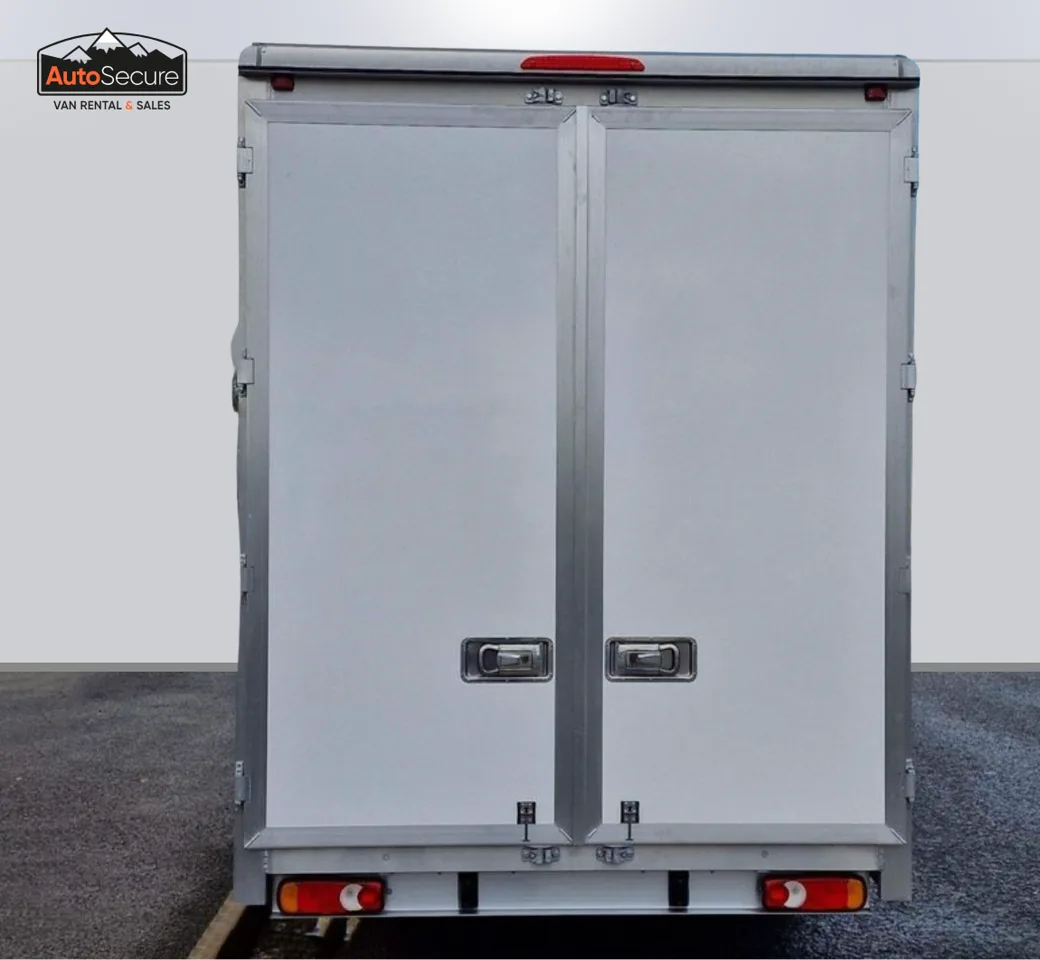
Choosing the right platform depends on your specific living requirements. While smaller vans offer better fuel economy and easier parking, they lack the internal volume required for standing height and full-scale amenities.
Compact Conversions: The Peugeot Small Van Options
The Peugeot Partner and Expert are compact, car-derived vans. Due to their limited load volume and low roof height, they are generally unsuitable for full motorhome conversions that require standing room. These models are better suited for basic day-van setups, such as a simple bed frame and storage. Be aware that the limited payload capacity of these smaller vans restricts the weight of the materials and appliances you can safely install.
Living Large: Mid-Sized and Long Wheelbase Peugeot Vans
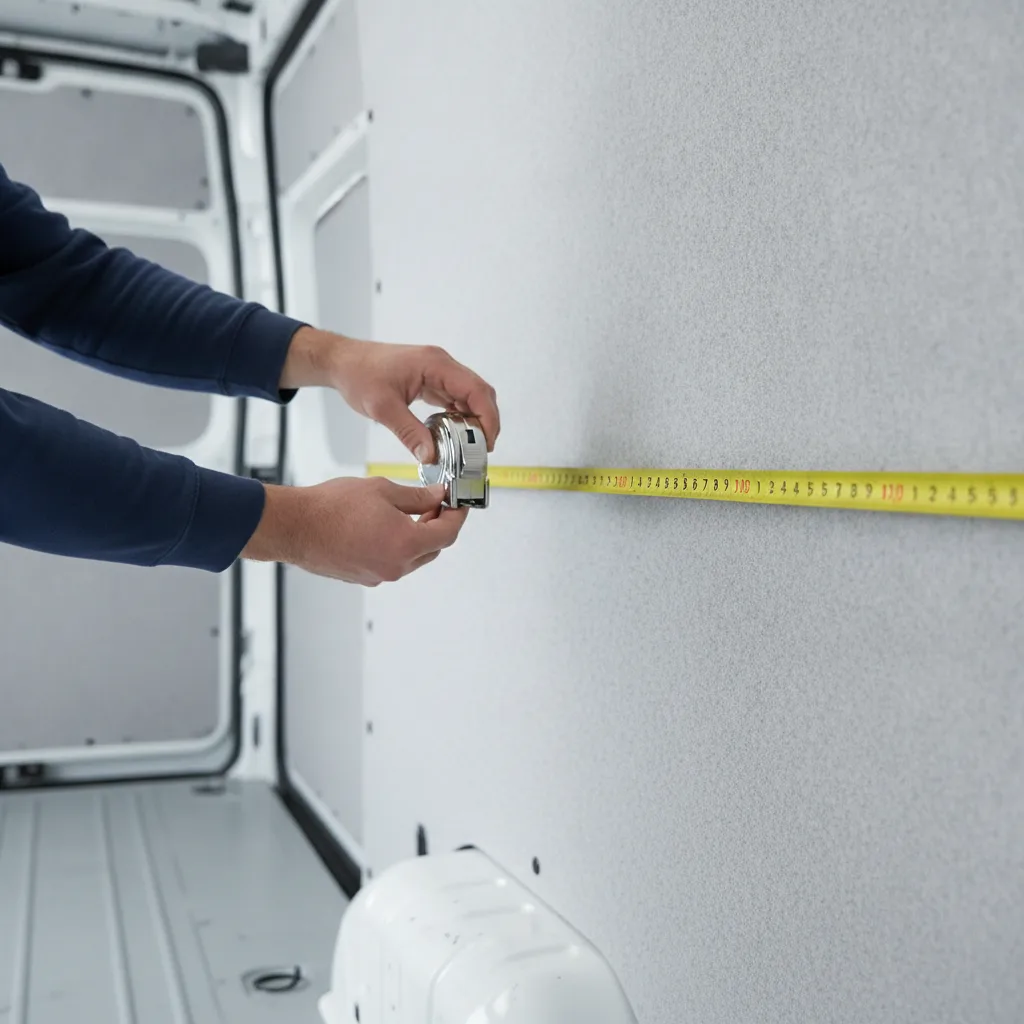
The Peugeot Boxer is the standard choice for professional and enthusiast conversions. Its boxy design and near-vertical walls allow for efficient use of space, making it significantly easier to install beds, kitchens, and bathrooms. The various lengths and heights available allow for full standing headroom. When converting a large panel van, ensure that your build complies with UK vehicle regulations, particularly regarding weight distribution and the secure installation of fixtures that could become hazardous in transit.
Technical Considerations for Your Peugeot Motorhome Project
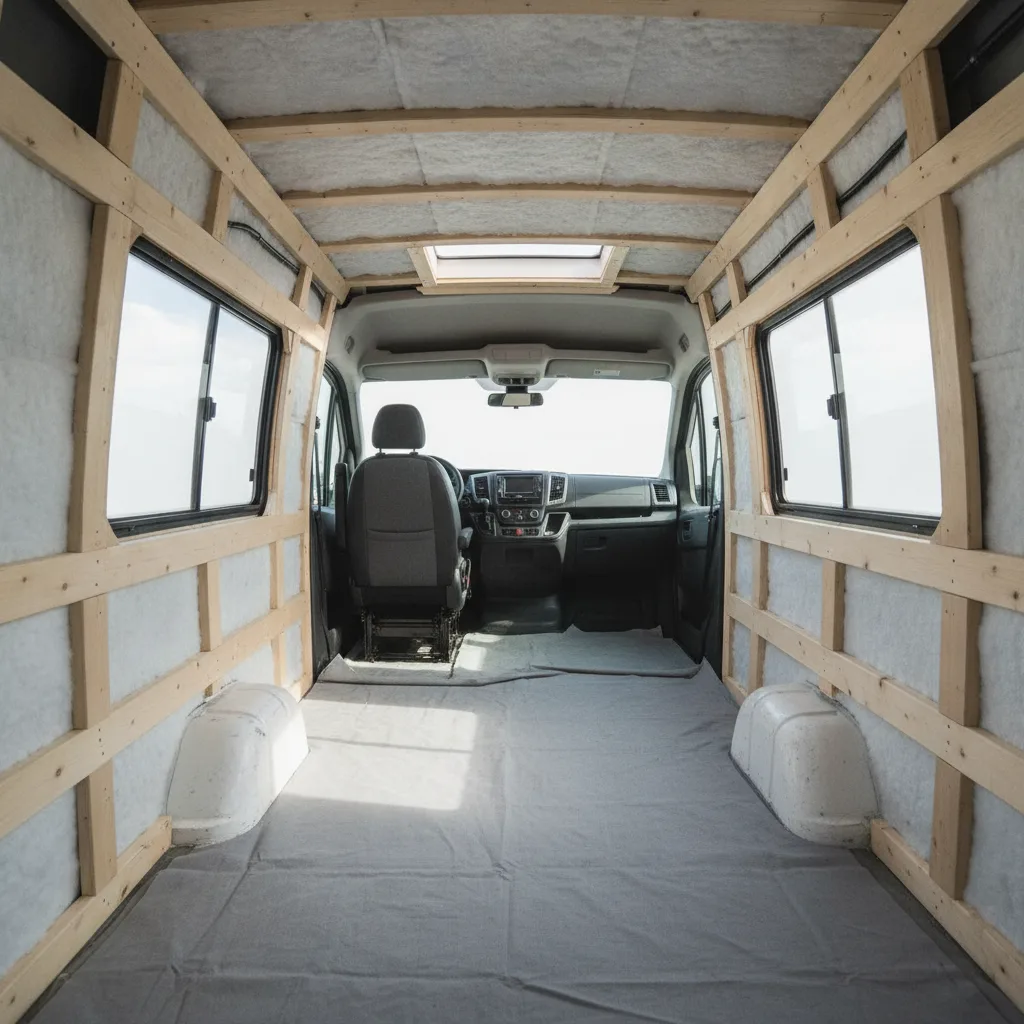
Successful conversions require careful planning of internal weight distribution. Overloading a vehicle beyond its plated axle weights is both illegal and dangerous. Ensure your electrical system is properly fused and that your gas systems are installed by a qualified professional to meet safety standards. High-quality insulation is critical for moisture control and temperature regulation in the UK climate, and any structural modifications, such as cutting holes for windows or roof lights, should be handled with caution to maintain the vehicle's structural integrity.
Financing Your Base Vehicle
Leasing a Peugeot van provides a structured way to acquire a new base vehicle for your project. By spreading the cost of the vehicle through a lease agreement, you can allocate more of your budget to high-quality conversion materials. When choosing your vehicle, ensure the selected model meets your specific storage and space requirements, as lease agreements are based on the specific vehicle selected at the start of the term.
FAQs
Which Peugeot van models are most suitable for a motorhome conversion?
The Peugeot Boxer is the most suitable model for full-sized conversions. It offers the necessary internal height and rectangular load space required for comfortable living. Smaller models like the Partner or Expert have significant payload and volume limitations that make them impractical for full-scale motorhome conversions.
What is the most important factor when converting a van?
Payload capacity is critical. Every piece of equipment, from wood for cabinets to water tanks, adds weight. You must stay within the manufacturer's maximum authorised mass (MAM) to ensure the vehicle remains safe and legal to drive.
Do I need to notify the DVLA after converting my Peugeot van?
Yes, if the vehicle meets the DVLA's criteria for a motor caravan, you are required to update your V5C registration document to reflect the change in body type.
Are electric Peugeot vans suitable for camper conversions?
Electric vans are an option, but you must carefully calculate your range and the power requirements for your internal living equipment, as domestic appliances and heating systems will draw power from the same battery source used for driving.