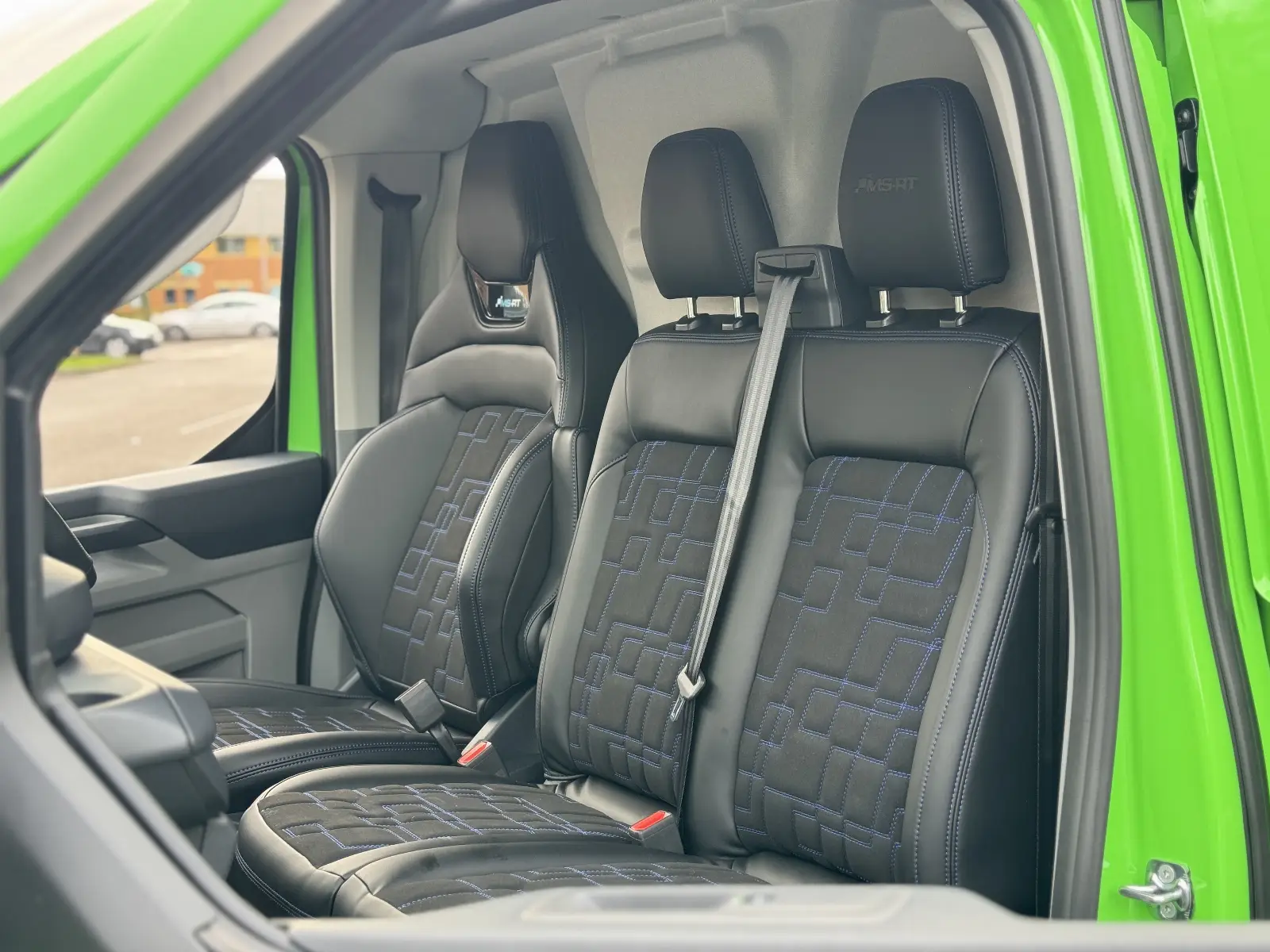
Ford Transit MK3: A Classic Van History Guide
The Evolution: Introducing the MK3 Transit
The MK3 Ford Transit is defined by its revolutionary aerodynamic body shape, updated independent front suspension, and the introduction of a more robust chassis design that set new standards for 1980s load-carrying. Launched in 1986, this model transformed the commercial vehicle landscape by offering a car-like driving experience alongside superior hauling capacity, cementing its reputation as an essential fleet icon.
Design Innovations and Engine Performance
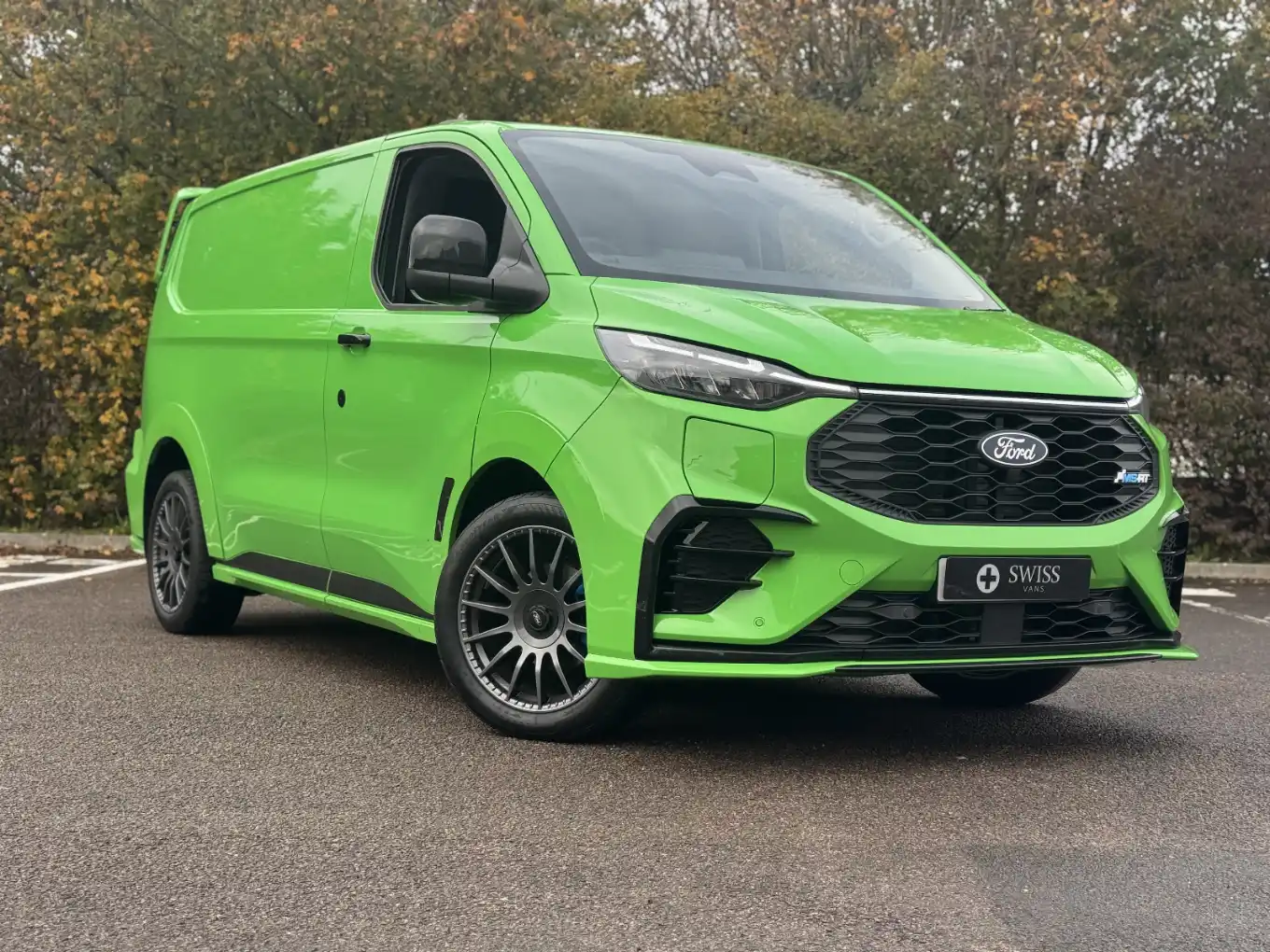
Stepping away from the traditional slab-sided look, the MK3 featured a distinct sloped front end that significantly improved drag coefficients. Under the bonnet, the range featured the dependable Pinto petrol engines and the legendary 'York' diesel units, which were later superseded by the more efficient DI (Direct Injection) engines. These mechanical advancements ensured the Transit remained the preferred choice for heavy-duty work across the UK.
The MK3 in the UK Commercial Market
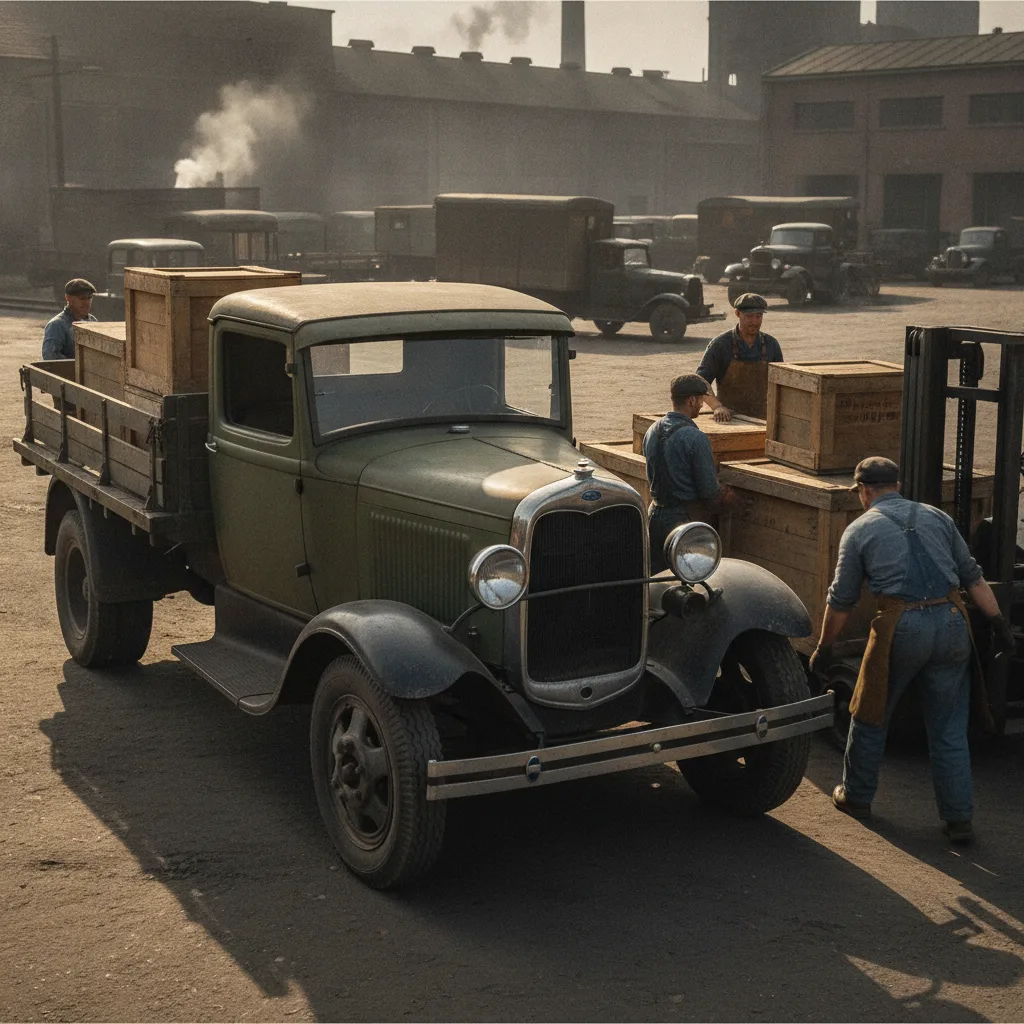
During its production run, the MK3 became the backbone of British industry, serving everyone from tradespeople to courier services. Its versatility allowed for countless conversions, including dropsides, tippers, and high-roof panel vans. Even today, the vehicle's legacy influences how we view functionality in light commercial vehicles, a lineage you can explore further when you browse our latest Ford Transit stock to see how far the platform has evolved.
Collecting and Maintaining a Classic Transit

Restoring a classic MK3 requires attention to rust-prone areas like the wheel arches, sills, and door bottoms, which were typical of the era. Sourcing original components can be a rewarding challenge for enthusiasts, as many parts remain interchangeable with other Ford models. Regular rust prevention and engine bay maintenance are vital to keeping these rugged machines on the road for weekend shows or light duty.
Modern Alternatives: Upgrading from the MK3
While the MK3 remains a nostalgic favourite, modern vans offer significant improvements in fuel economy, emissions standards, and safety tech. Upgrading to a newer model provides integrated infotainment, advanced driver assistance systems, and refined diesel or electric powertrains that meet current ULEZ regulations. Making the switch ensures you benefit from contemporary reliability while retaining the legendary Transit spirit.
FAQs
What are the key historical features and characteristics that define the MK3 Ford Transit?
The MK3 is best known for its aerodynamic 'jelly mould' styling, the introduction of independent front suspension for better handling, and a highly versatile chassis that supported a wide array of body configurations.
When was the Ford Transit MK3 produced?
The MK3 Ford Transit was produced from 1986 through to 1991, before receiving a significant facelift that led into the MK4 generation.
Why is the MK3 considered a turning point for Ford?
It represented a complete departure from the previous boxy design language, focusing on driver comfort and aerodynamic efficiency, which helped Ford maintain its dominance in the UK commercial market against increasing competition.
Is the MK3 Transit reliable for daily use today?
While these vans were incredibly robust in their time, they lack modern safety features and fuel efficiency. They are better suited as collector's items or for light, occasional use rather than intensive, daily commercial operation.