Is a Mercedes Sprinter Diesel Van Right for Your Business?
Is a Mercedes Sprinter Diesel Van Right for Your Business?
For businesses covering significant daily mileage, the diesel-powered Mercedes Sprinter remains a practical option for heavy-duty haulage. These vehicles are engineered for high-torque performance, which is essential for fleets regularly transporting heavy payloads across the UK. When considering a diesel model, it is important to factor in the operational requirements of modern emission control systems, including Euro 6 compliance, which is necessary for operating within ULEZ and Clean Air Zones without incurring daily charges.
The Legacy of the Mercedes Benz Sprinter Diesel Engine
The Sprinter diesel engine is designed for durability over high mileage. These engines are equipped with Selective Catalytic Reduction technology, requiring the use of AdBlue to convert nitrogen oxides into harmless nitrogen and water. Maintaining a regular supply of AdBlue is a standard operational requirement for these vehicles. Furthermore, the inclusion of a Diesel Particulate Filter (DPF) means that drivers should regularly undertake longer journeys at motorway speeds to allow the system to perform a regeneration cycle and clear soot buildup.
Key Performance Benefits of the Sprinter Diesel Range
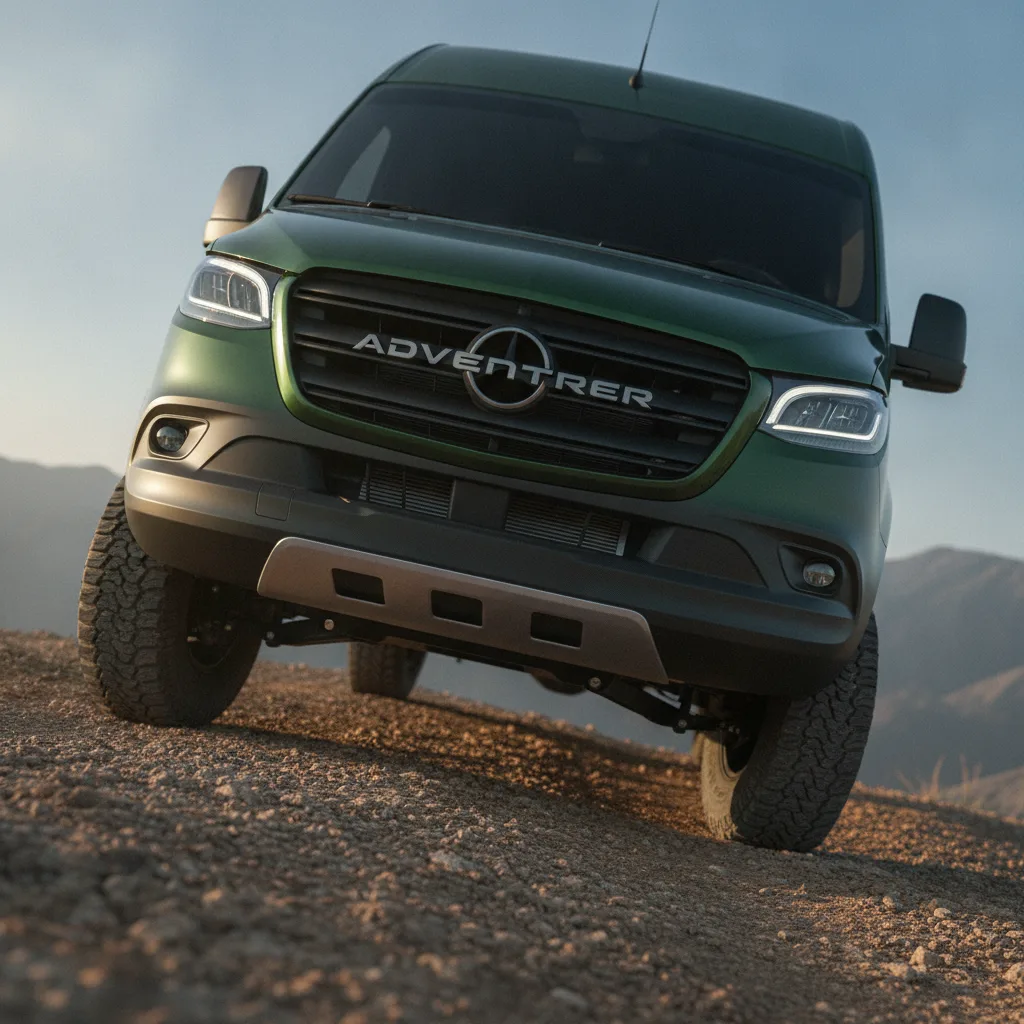
The primary advantage of the diesel powertrain is its ability to deliver peak torque at lower RPMs. This provides consistent pulling power when fully loaded, making it suitable for motorway driving and steep gradients. While modern petrol engines and electric alternatives are becoming more prevalent for short-range urban use, diesel remains the preferred choice for businesses that require the range and power density needed for demanding, long-distance logistics operations.
Understanding Mercedes Sprinter Weight and Payload Capacities
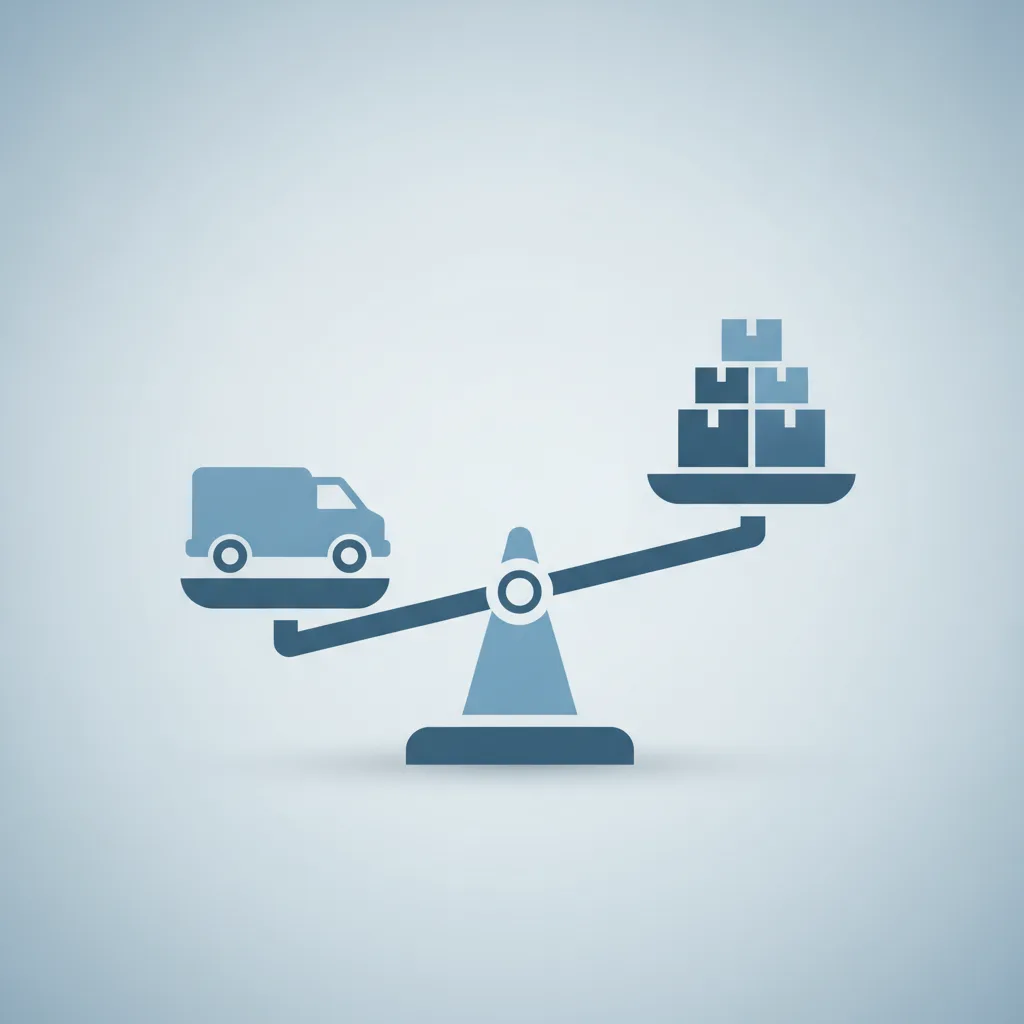
Correctly calculating the payload of your Sprinter is essential for legal compliance and vehicle longevity. Every Sprinter model has a specific Gross Vehicle Weight (GVW), which includes the weight of the vehicle, the driver, fuel, and the cargo. Exceeding these limits can lead to mechanical failure, increased tyre wear, and potential prosecution. We provide comprehensive technical specifications to assist in selecting the correct wheelbase and roof height for your specific operational needs.
Common Uses for the Mercedes Benz Sprinter Luton and Panel Vans
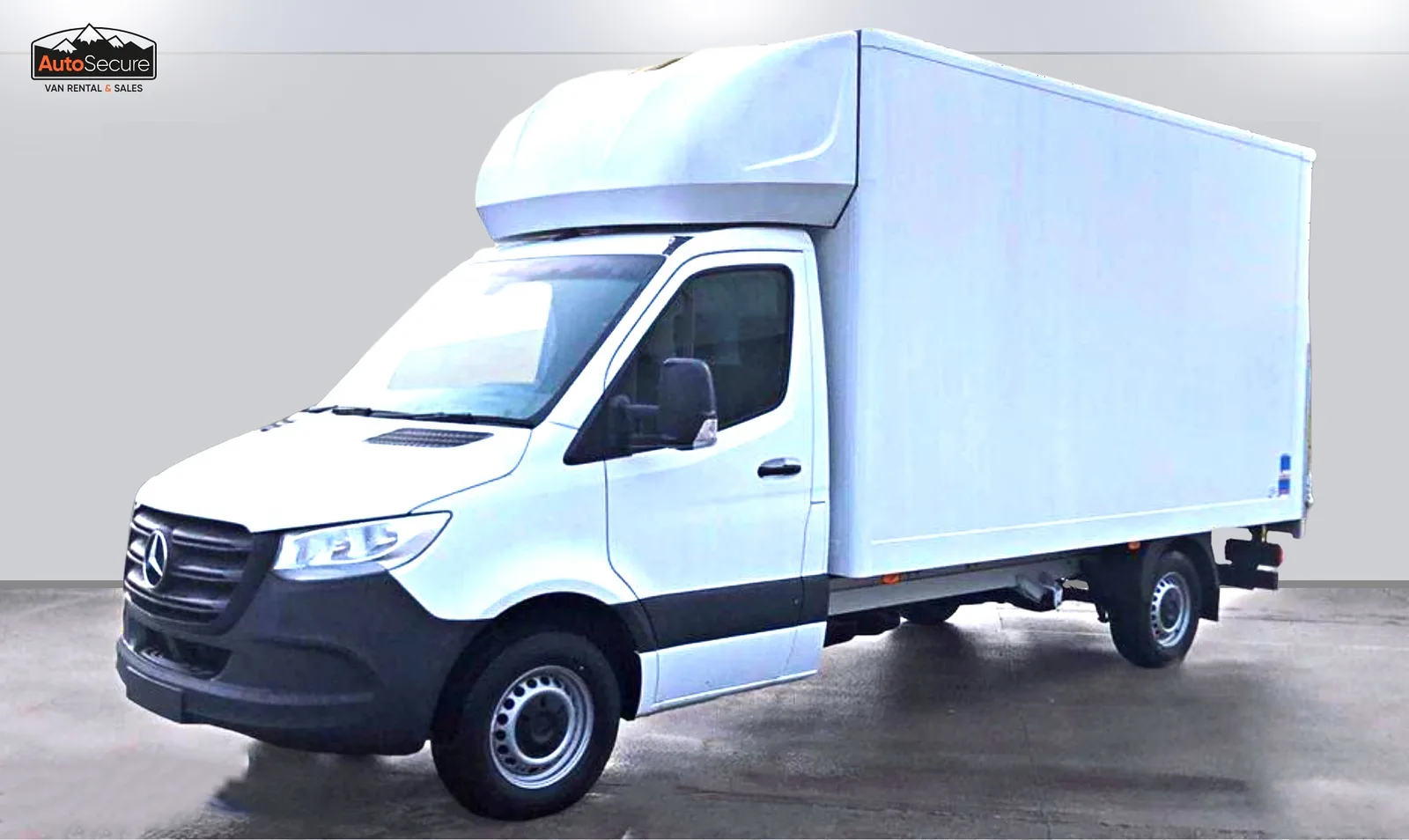
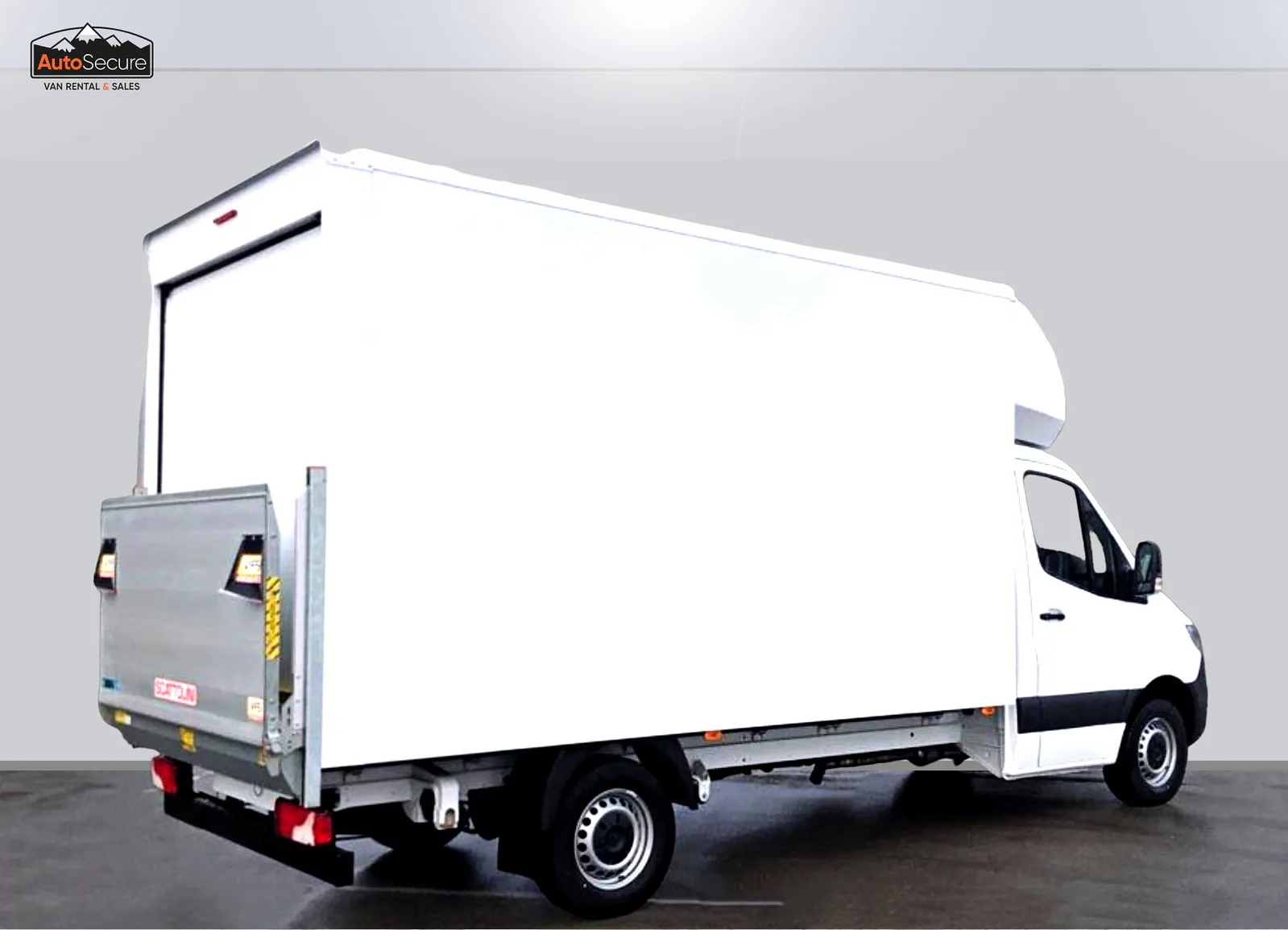
The Sprinter platform offers a wide variety of configurations to suit diverse business sectors. Panel vans are widely used for courier and delivery services, while the Luton van provides a dedicated load area for removals and large, bulky items. These chassis are also commonly adapted for specialized uses, including temperature-controlled transport and crew-cab configurations for personnel transport. The vehicle's modular design allows businesses to choose the body style that aligns with their logistical requirements.
Financing and Leasing a Mercedes Sprinter Van
Leasing a Mercedes Sprinter allows businesses to manage their cash flow while operating modern, compliant vehicles. This approach provides a clear structure for fleet management, enabling companies to plan their transport costs over the term of the agreement. By choosing a contract hire or finance lease arrangement, businesses can avoid the depreciation risks associated with vehicle ownership and gain access to the latest Sprinter models, ensuring compliance with current emission standards.
FAQs
What are the performance benefits of a diesel Mercedes Sprinter?
Diesel-powered Sprinters provide high torque at low engine speeds, which is beneficial for heavy loads and motorway travel. This allows the engine to operate efficiently under load, reducing the frequency of gear changes and overall engine stress on long journeys.
Are diesel Sprinters ULEZ compliant?
Most modern Mercedes Sprinter diesel models built to Euro 6 standards meet the emission requirements for ULEZ and other UK Clean Air Zones, allowing them to enter these areas without incurring daily penalty charges.
What is DPF regeneration and why is it important?
A Diesel Particulate Filter (DPF) captures soot from the exhaust. During a regeneration cycle, this soot is burned off. To prevent the filter from becoming blocked, the vehicle must be driven at higher speeds for sustained periods, which is why diesel vans are best suited for longer trips rather than exclusively short, stop-start urban journeys.
How do I manage AdBlue requirements?
AdBlue is a urea-based solution that must be topped up in a dedicated tank to ensure the vehicle's emission control system functions correctly. The vehicle will alert the driver when the AdBlue level is low; it is critical to refill this to avoid the vehicle entering a restricted power mode or failing to start.
Is electric a better alternative to diesel?
Electric vans are typically more suitable for short-distance, urban-centric routes where low-emission operation is a priority. Diesel remains the standard for long-distance logistics where payload capacity, refueling speed, and range are the primary business requirements.