How to Start a VW Crafter: Complete Guide to Ignition, Cold Starts and Troubleshooting
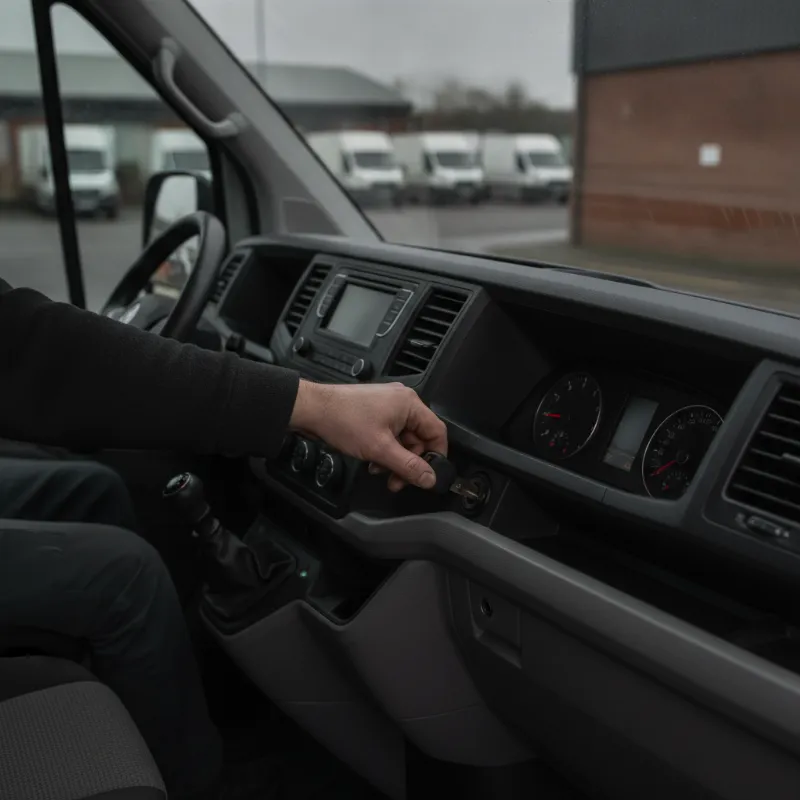
How to start a VW Crafter: the basics
The Volkswagen Crafter is one of the most dependable large panel vans on UK roads, but like any modern diesel it has a specific starting procedure that varies depending on the age of the vehicle. Whether you're behind the wheel of an older keyed model or one of the latest push-button variants, getting the sequence right protects the starter motor, the battery and the fuel system — and it usually only takes a few seconds longer than you think.
Before turning the key or pressing the button, make sure the gear selector is in neutral (or Park on a DSG automatic), the clutch pedal is fully depressed, and any heavy electrical loads such as heated seats, headlights or the blower fan are switched off. This gives the battery the best possible chance of delivering a clean, strong crank to the engine.
Standard key ignition start (pre-2017 models)
On earlier Crafter vans built on the first-generation platform, starting is a traditional key-turn affair. Insert the key into the ignition barrel on the right of the steering column and turn it one click to position II — the ignition-on position. You'll see the dashboard warning lights illuminate, including the amber coil-shaped glow plug symbol. Wait for that glow plug light to go out before turning the key further to position III to crank the engine. Release the key as soon as the engine fires; holding it against the starter after ignition will grind the starter motor gear unnecessarily.
Keyless start on newer VW Crafter vans
The second-generation Crafter, launched in the UK in 2017, introduced a Keyless Start system on many trim levels. With the fob in your pocket or on the centre console, press the clutch (or brake on automatics) and push the Start/Stop button on the dashboard once. The van's electronics will handle the pre-heat cycle and crank timing automatically, so you don't need to pause between ignition-on and cranking as you would with the older key system. If the fob battery is low, hold the fob directly against the marked area of the steering column or dashboard while pressing the button — the van will still recognise it via the backup induction reader.
Cold-start tips for the VW Crafter
Diesel engines are more sensitive to cold weather than petrol equivalents, and the Crafter's TDI unit is no exception. When temperatures drop below around 5°C, the fuel becomes thicker and the combustion chambers need extra help to reach ignition temperature. A little patience during the first start of the day makes a huge difference to long-term reliability.
Waiting for the glow plug light
The glow plugs are small heating elements in each cylinder that warm the combustion chamber before the fuel is injected. On a cold morning the glow plug light may stay on for five or six seconds — sometimes longer if the battery voltage is lower than normal. Resist the temptation to crank the engine while the light is still showing. Turning the key straight to start on a freezing morning forces the engine to compress cold air and cold fuel, which puts real strain on the starter, the injectors and the battery.
Battery care in winter
Cold weather can reduce a healthy battery's cranking capacity by up to 35%. If your Crafter sits unused for days at a time — common with tradespeople who take weekends off — consider a trickle charger or a small solar maintainer to keep the battery topped up. Short journeys in winter often drain more energy than the alternator can replace, so an occasional longer drive at motorway speeds is worthwhile. If cranking sounds slow or laboured, get the battery load-tested before it lets you down completely.
VW Crafter won't start? Common causes
If your Crafter refuses to fire, don't panic and don't keep cranking. Repeatedly hammering the starter will flatten the battery and can flood the cylinders with unburned diesel. Instead, work through the most likely causes methodically.
Flat or failing battery
The single most common reason a Crafter won't start is a tired battery. Symptoms include dim dashboard lights, a slow "wah-wah-wah" cranking sound, or a rapid clicking from the starter solenoid. Jump-starting from another vehicle or a portable pack will usually get you moving, but a battery that has failed once will very likely fail again — especially in cold weather. Have it tested and replaced if it fails a load test.
Immobiliser and key fob issues
If the dashboard shows a key or padlock symbol and the engine cranks but won't fire (or won't crank at all), the immobiliser hasn't recognised the key. A flat fob battery is the usual culprit — swap in a new CR2032 cell and try again. If the problem persists, try your spare key. A genuine immobiliser fault requires a VW-compatible diagnostic tool to reset, so it's a job for a specialist rather than a driveway fix.
Fuel system and glow plug faults
A Crafter that cranks strongly but refuses to catch is often suffering from a fuel or glow plug problem. Check the fuel gauge first — it sounds obvious, but faulty senders sometimes over-read. In winter, a single failed glow plug can prevent starting altogether even if the others are working. Air in the fuel system after running out of diesel, a blocked fuel filter, or a failed high-pressure fuel pump can all cause similar symptoms. These faults will usually trigger a warning light and a stored fault code that a diagnostic scan can pinpoint quickly.
Starting a VW Crafter camper or converted van
Camper conversions and welfare vans built on the Crafter chassis add a second leisure battery, and sometimes a split-charge relay or DC-to-DC charger. This extra electrical complexity can occasionally interfere with a clean start if the wiring has been done poorly or if the leisure battery has drained the vehicle battery through a faulty relay. Always confirm which battery is which before jump-starting — the starter battery is the one connected to the engine, not the habitation system. If your conversion has an isolator switch, make sure it's in the correct position before turning the key. Reputable converters will label everything clearly, and if you're shopping for a base vehicle to convert, our range of new VW Crafter vans for sale includes options with the electrical prep packs conversion specialists prefer.
When to book a professional diagnostic
If you've checked the battery, tried the spare key, waited for the glow plug light and still have no joy, it's time to stop guessing. Modern Crafters store a huge amount of information in their engine control unit, and a plug-in diagnostic session at a VW commercial dealer or a good independent specialist will usually identify the fault within minutes. Persistent no-start problems, intermittent stalling or a flashing glow plug light during normal running are all signs the van needs professional attention rather than another turn of the key. Catching a failing sensor or a weak injector early is always cheaper than a roadside recovery and a lost day's work.
Frequently asked questions
FAQs
How do you start a VW Crafter, and what should you do if it won't start?
To start a VW Crafter, depress the clutch, turn the key (or press the Start/Stop button on 2017-on models) to the ignition-on position, wait for the amber glow plug light to go out, then crank the engine. If it won't start, check the battery voltage first, try your spare key in case of an immobiliser issue, and listen for whether the engine is cranking normally. If it cranks but won't fire, the fuel system or glow plugs are the likely culprits and a diagnostic scan is the fastest way to identify the fault.
Why is my VW Crafter glow plug light flashing?
A flashing glow plug light during normal driving is not a pre-heat signal — it's a warning that the ECU has detected a fault, typically with a glow plug, an injector or an engine sensor. The van may still run, but you should book a diagnostic scan as soon as possible. Continuing to drive can trigger limp mode or cause further damage.
Can you jump-start a VW Crafter?
Yes, a VW Crafter can be safely jump-started from another 12-volt vehicle or a portable jump pack. Connect the positive lead to the marked positive terminal under the bonnet (not directly to the battery on some models), and the negative lead to a bare metal earthing point on the engine. Let the donor vehicle run for a few minutes before attempting to start the Crafter, and once it fires, drive for at least 30 minutes to give the alternator time to recharge the battery.
How long should I wait for the glow plugs on a cold morning?
On a mild day the glow plug light will go out in one to two seconds, but in freezing conditions it can stay lit for five to eight seconds. Always wait until it disappears completely before cranking. If the light stays on for much longer than usual, or comes on and off intermittently, one or more glow plugs may be failing and should be tested.
Does the VW Crafter have a Start/Stop button?
The second-generation Crafter (2017 onwards) is available with a Keyless Start system that uses a Start/Stop button on the dashboard, though it's not fitted to every trim level. Pre-2017 first-generation Crafters use a conventional turn-key ignition. Check the specification of individual vans when buying, as Keyless Start is often bundled with other convenience options.