Ford Transit Custom Battery: Maintenance, Replacement and FAQs
Understanding Your Ford Transit Custom Battery Requirements
The Ford Transit Custom relies on a high-performance battery to manage its start-stop technology and complex cabin electronics. These vehicles are designed to operate with specific battery chemistries, such as AGM or EFB, which are essential for supporting the power demands of modern electrical systems. You should always verify the specific power requirements for your van by checking your vehicle's manual or using your VIN to ensure you select a unit compatible with the factory electrical load.
Signs Your Ford Transit Custom Battery Needs Replacing
Common indicators that your battery is reaching the end of its lifespan include sluggish engine turnover, flickering dashboard lights, or persistent battery warning icons on the instrument cluster. If you notice a lingering acidic or sulphurous smell, this may indicate a ventilation or charging issue that requires immediate professional inspection. Never ignore repeat flat batteries, as these symptoms suggest either a fault within the charging system, such as a failing alternator, or a battery that can no longer hold a charge.
Maintenance Tips to Extend Battery Life
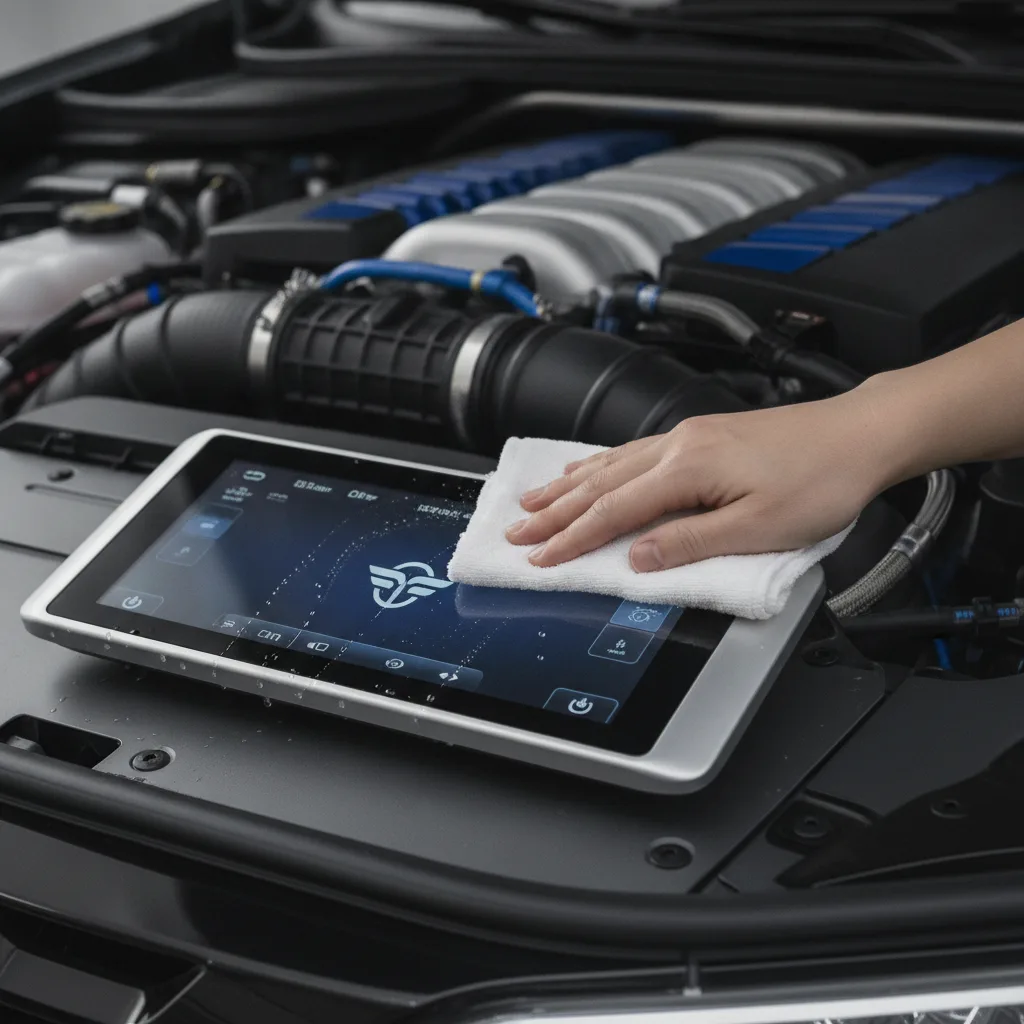
You can significantly prolong the service life of your battery by avoiding frequent short journeys that prevent the alternator from completing full charging cycles. Ensure your battery terminals remain clean, free from corrosion, and tightly secured to prevent electrical resistance. Keeping the exterior casing clean and clear of debris helps prevent current leakage. Routine electrical system checks during your regular service intervals will ensure your van remains ready for the road.
Choosing the Right Replacement Battery for Your Ford Transit Custom

Selecting the correct replacement battery involves matching the exact technology, physical dimensions, and cold-cranking amp ratings specified by the manufacturer. Many modern Ford Transit Custom models use AGM technology specifically designed for smart-charging systems to improve fuel efficiency. Always consult a professional or your owner's manual to confirm compatibility, as installing an incorrect battery type can disrupt the vehicle's onboard computer systems and stop-start functionality.
When to Upgrade Your Van
If you experience persistent electrical issues or repeated battery failures, it is worth assessing the overall condition of your vehicle's electrical infrastructure. While regular maintenance addresses most faults, age-related degradation in wiring or electronic control units can sometimes result in recurring problems. If repairs become frequent, it may be time to consider whether a newer model with updated electrical architecture better suits your operational requirements.
FAQs
How do I know if my Ford Transit Custom has one or two batteries?
The number of batteries depends on your specific model year, engine type, and whether your van is equipped with a stop-start system. Many Transit Custom models use a primary starting battery, while others feature a secondary auxiliary battery to power onboard accessories. Consult your owner's manual or VIN-specific data to confirm your setup.
What is the typical lifespan of a Transit Custom battery?
While environmental conditions and driving habits vary, a standard van battery typically lasts between three and five years. Regular short-distance driving or leaving electrical loads running while the engine is off can significantly reduce this lifespan.
Can I fit any 12V battery into my Ford Transit Custom?
No, you must select a battery that matches the exact physical dimensions, capacity, and battery technology (such as AGM or EFB) required by your van. Using an incorrect battery type can damage your vehicle's electrical systems and interfere with the stop-start function.
What should I do if I smell gas near the driver's seat?
A rotten-egg or acidic smell can indicate a battery venting issue inside the cabin. You should contact a Ford dealer immediately to check if your vehicle is part of an official safety recall or inspection program related to battery venting, and have the battery and its vent tube inspected by a professional.