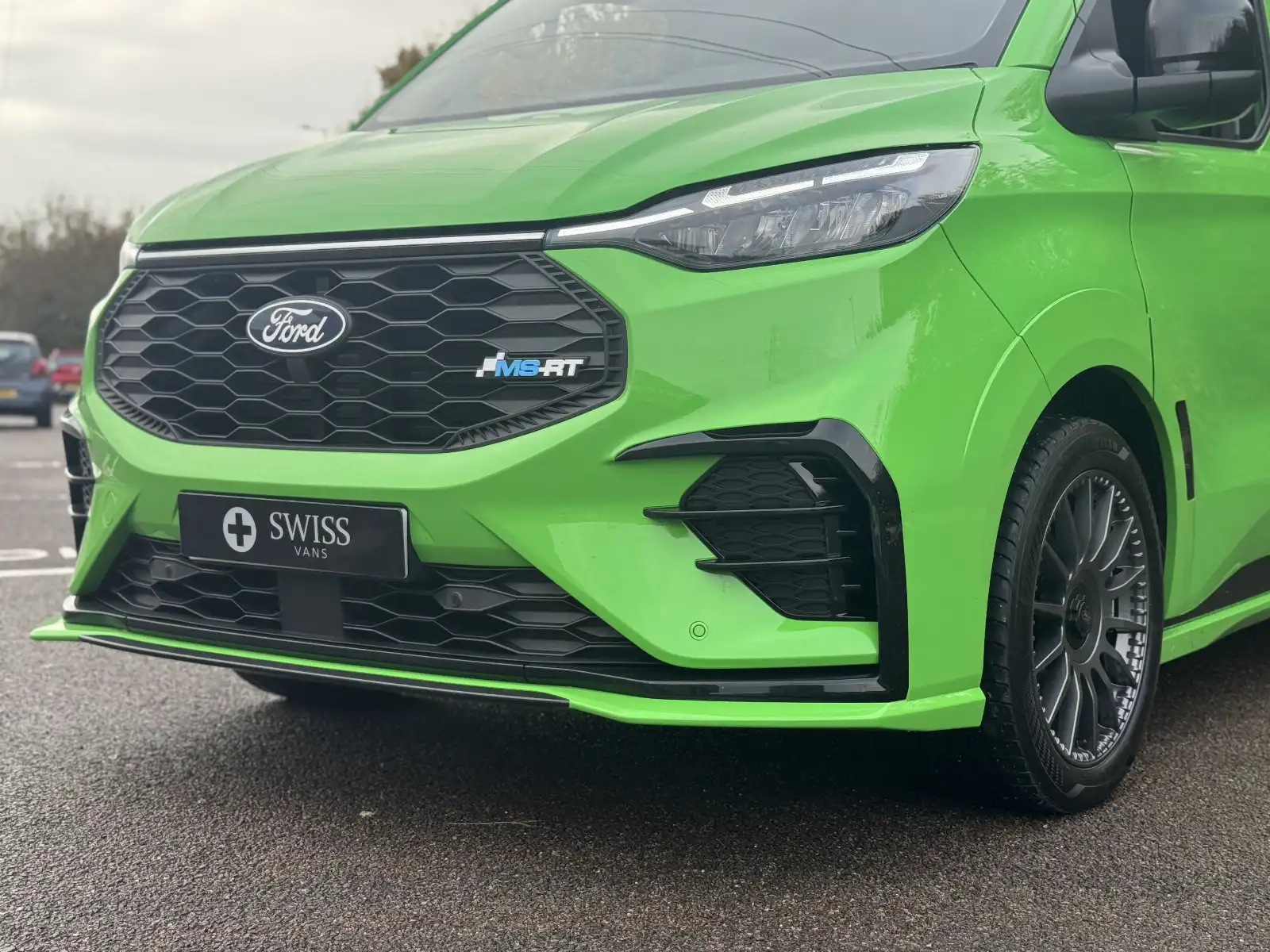
Everything You Need to Know About the MK3 Transit Van
The History of the MK3 Transit Van
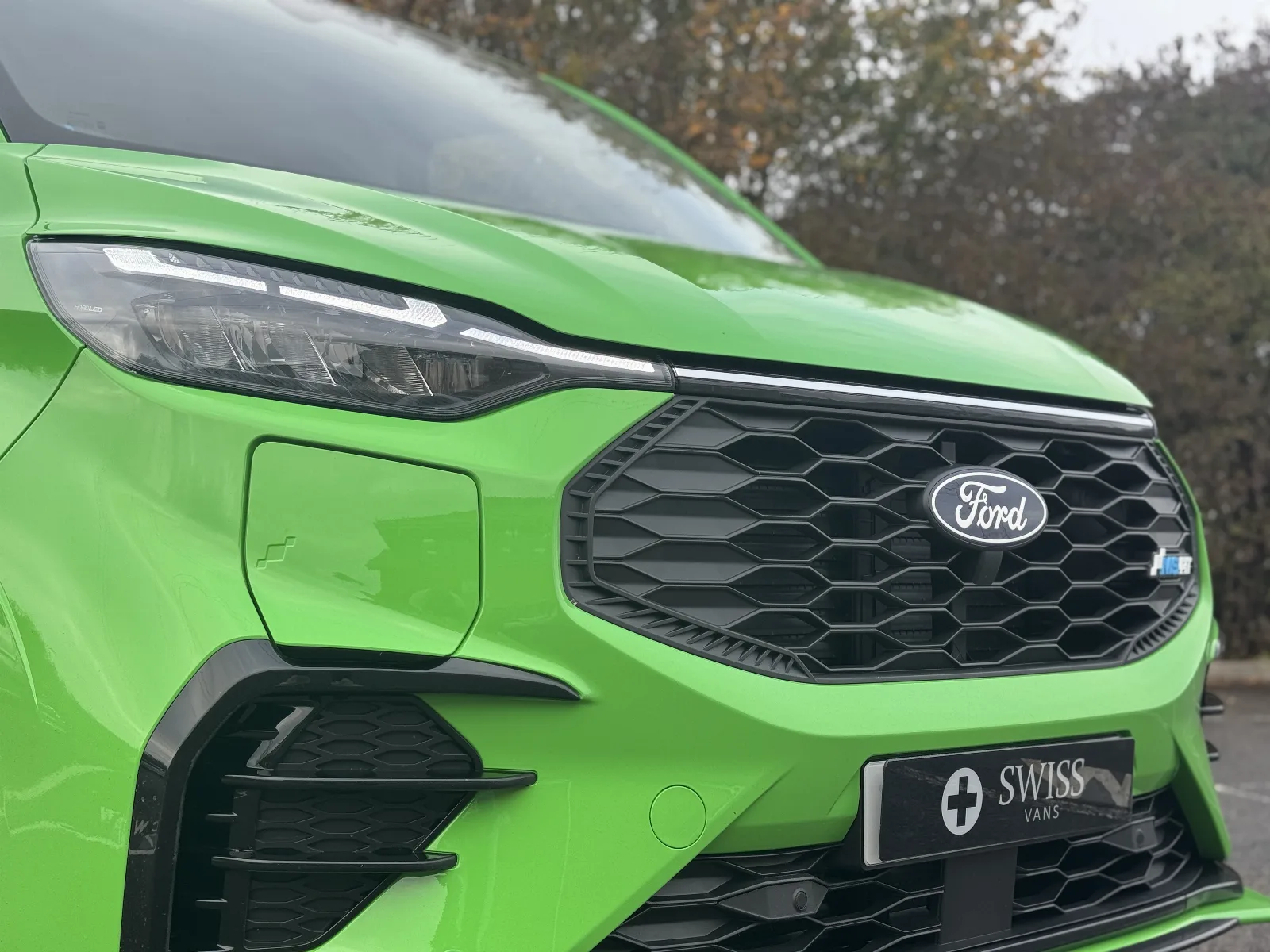
The MK3 Transit van represents a pivotal turning point in commercial vehicle design, introducing the iconic boxy silhouette that defined Ford's lineup from 1986 through to 2000. It replaced the curved aesthetic of the previous generation with a more aerodynamic and space-efficient shape, cementing its reputation as the ultimate workhorse for tradespeople across the United Kingdom.
Key Specifications and Engine Options
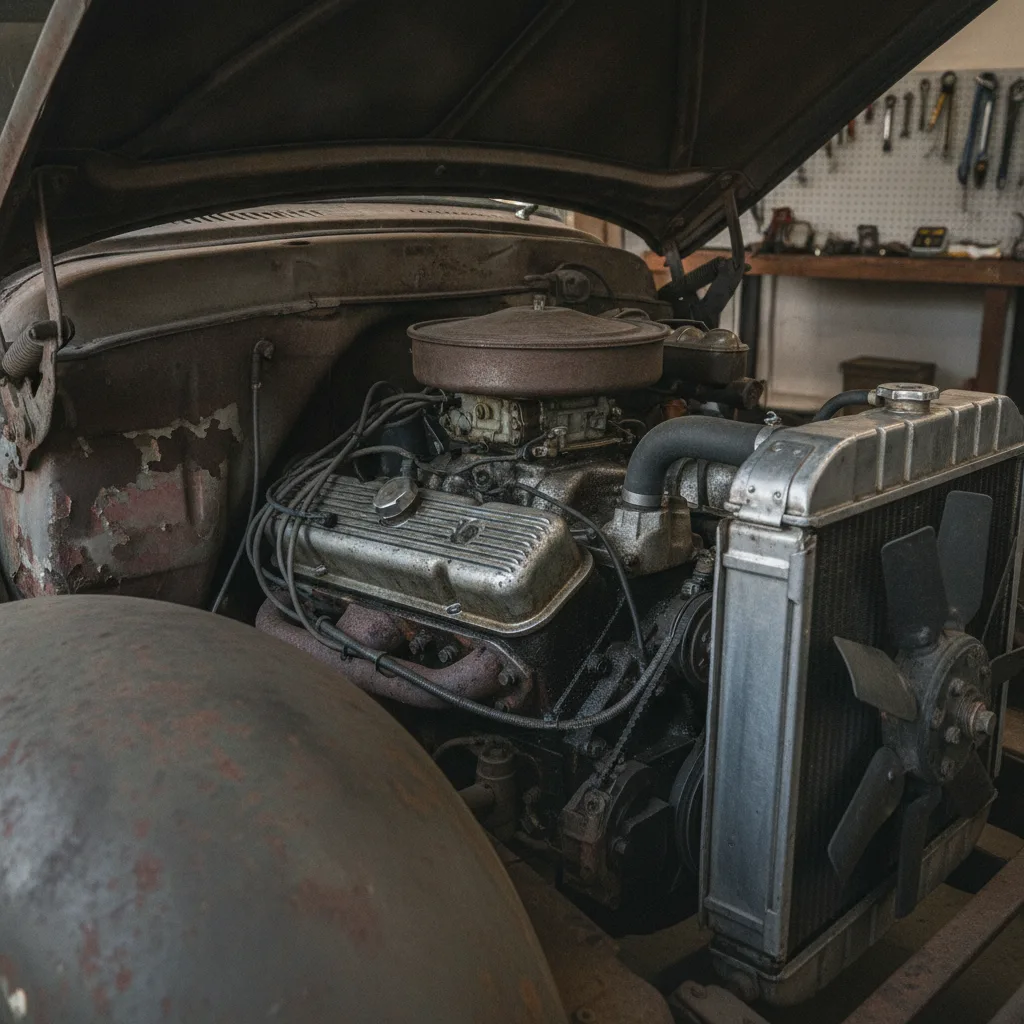
The MK3 was engineered to offer versatility, featuring a range of reliable powertrains including the legendary 2.5-litre DI diesel engine. These engines were celebrated for their simplicity and durability, providing enough torque to handle heavy loads with ease. Available in various wheelbases and roof heights, this model could be configured as everything from a compact panel van to a heavy-duty chassis cab.
Why the MK3 Remains a Popular Choice Today
Enthusiasts and collectors value the MK3 for its straightforward mechanical layout, which makes DIY repairs far more accessible than in modern, computer-dependent vehicles. Its historical significance as a reliable utility vehicle means it still holds a place in the hearts of many British drivers. While many choose to restore these classics for nostalgia, others seek out modern Ford Transit models when they require the latest safety technology and efficiency for daily business operations.
Common Maintenance Considerations for Classic Transits
Owners of MK3 Transits should pay close attention to bodywork integrity, as rust can affect the sills, wheel arches, and chassis mounts over time. Regular fluid changes and keeping the fuel system clean are essential for maintaining the longevity of the older diesel units. Sourcing parts is generally straightforward due to the extensive community support and the massive volume of vehicles produced during its fourteen-year run.
Finding Modern Alternatives to the Classic Transit
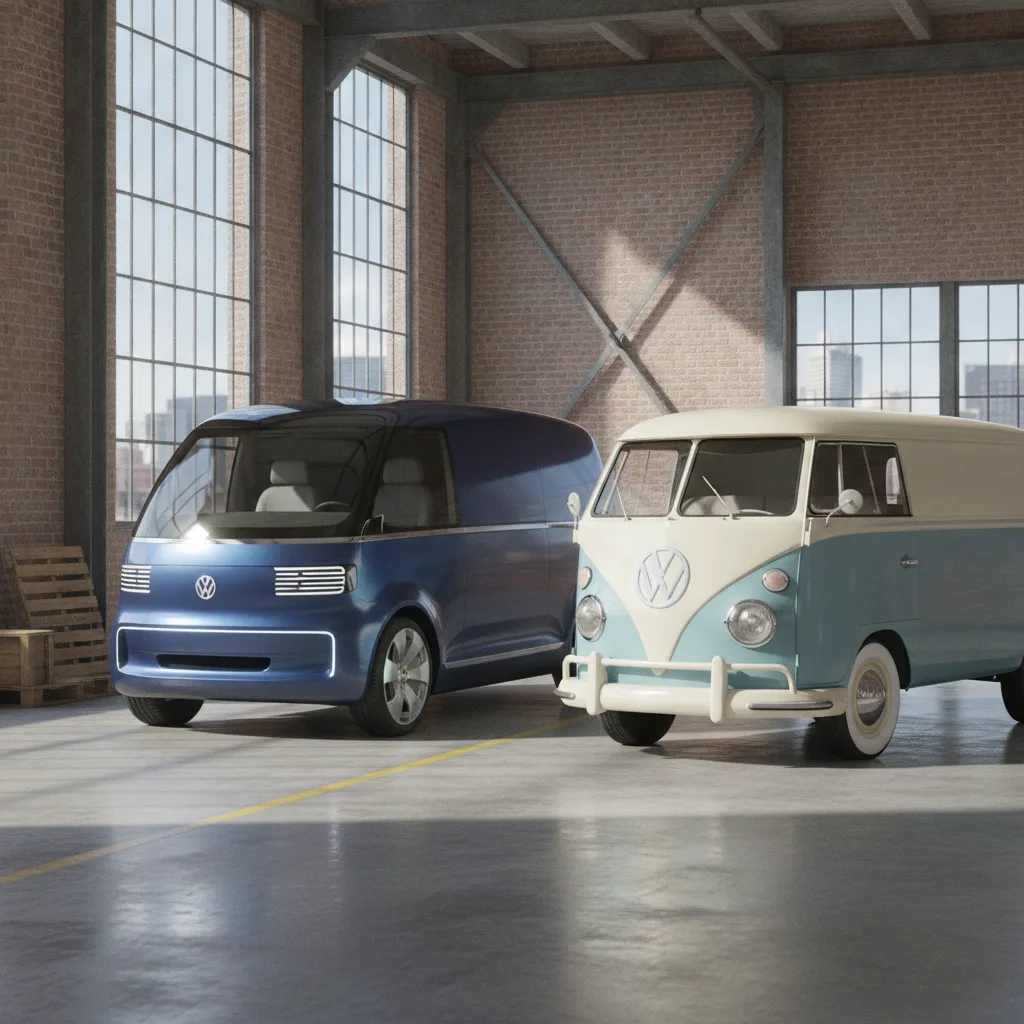
When the demands of your job exceed what a vintage van can offer in terms of cargo management and fuel economy, upgrading is a practical step. We offer a wide range of current vehicles that carry forward the Transit legacy of toughness while adding contemporary features like advanced driver-assistance systems and improved ergonomics. Comparing these newer units against your specific trade requirements ensures you get the reliability you need.
FAQs
What are the defining features of the MK3 Ford Transit?
The MK3 is best known for its angular, boxy body shape, which maximized internal storage space, and the introduction of the highly reliable 2.5-litre direct injection diesel engine.
Is the MK3 Transit a good project for classic van enthusiasts?
Yes, it is highly regarded by enthusiasts because of its simple mechanical engineering, which makes it an excellent vehicle for those looking to learn about van maintenance and restoration.
Are parts still available for a 1980s or 1990s Ford Transit?
Due to the popularity of the MK3, there is still a strong market for both genuine and aftermarket parts, with many specialist suppliers continuing to stock essential components.
How does the MK3 compare to modern commercial vans?
While the MK3 offers superior mechanical simplicity, modern vans provide significant improvements in fuel efficiency, crash safety, creature comforts, and load-securing technology.