Is a 4WD Ford Transit Right for Your Business?
Is a 4WD Ford Transit Right for Your Business?
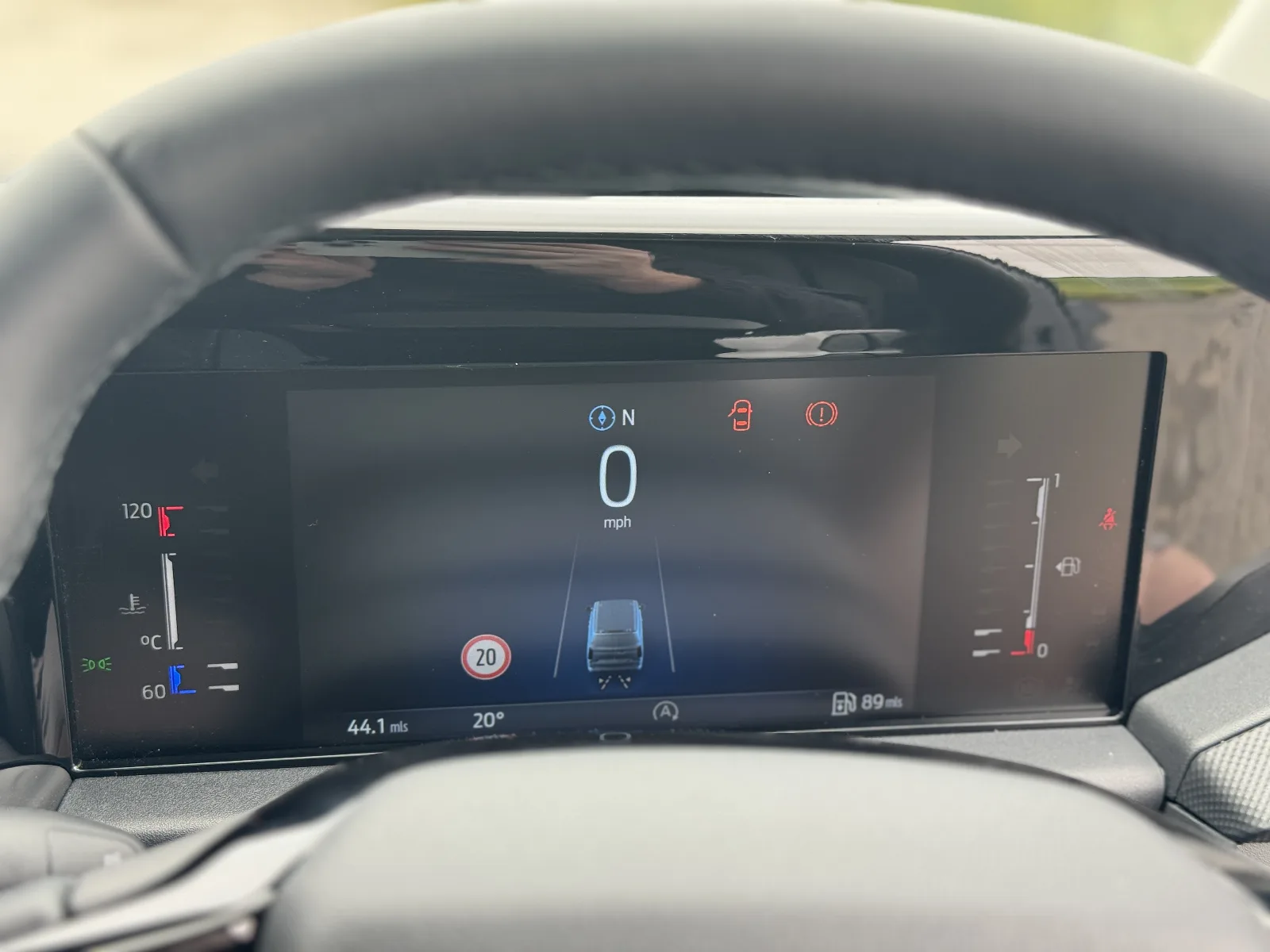
Opting for a 4WD Ford Transit provides superior traction for demanding workloads. These vehicles are engineered to maintain mobility in adverse conditions where standard rear-wheel drive models might struggle, ensuring your operations remain productive on unpaved sites or during inclement weather.
Understanding the Ford Transit 4WD System
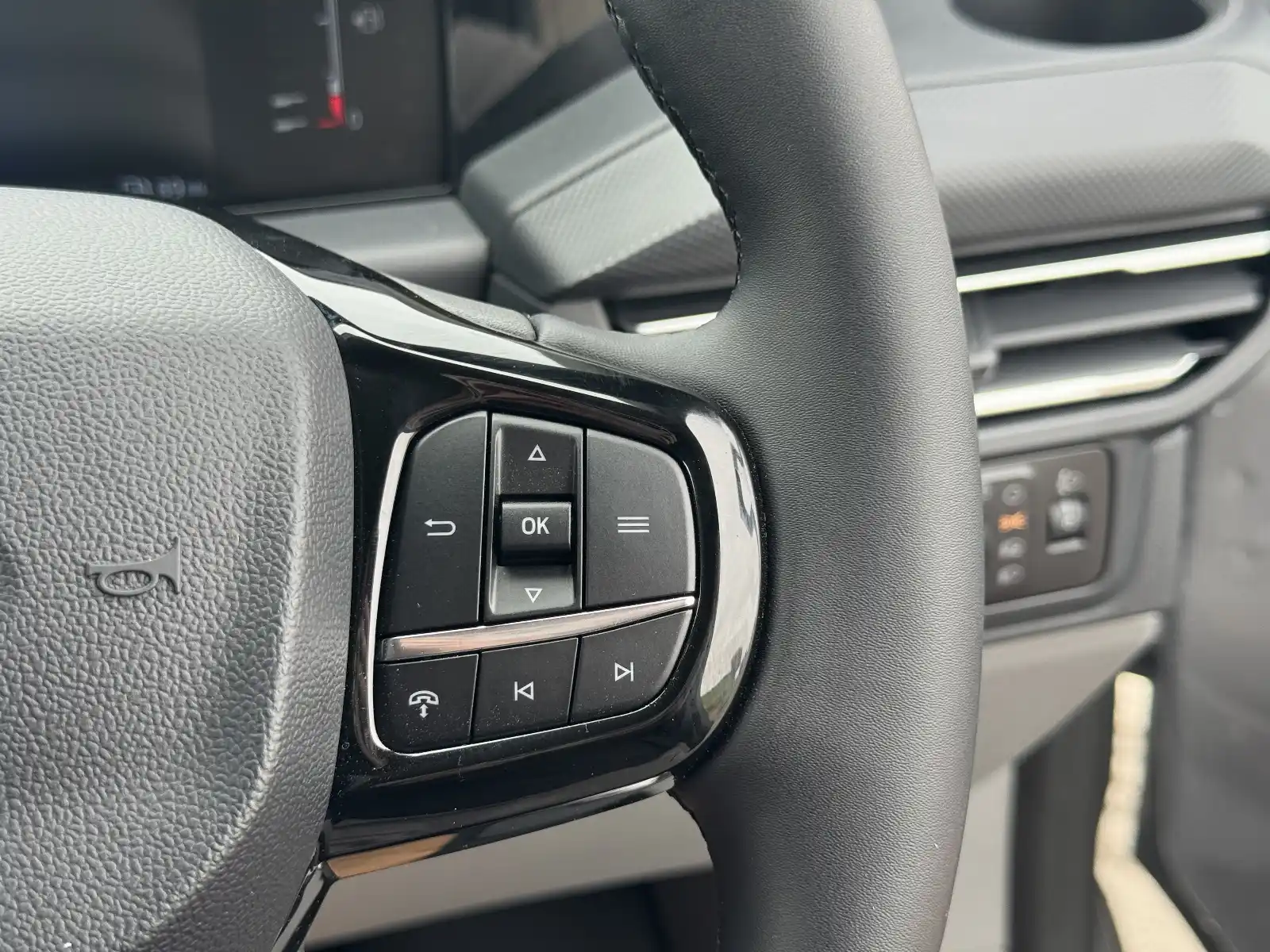
Ford offers distinct technologies across its range. The Intelligent All-Wheel Drive system, found on the Transit Custom, is a front-wheel-drive based setup that automatically shifts torque to the rear wheels when sensors detect a loss of grip. In contrast, larger Transit models utilise a heavy-duty, rear-wheel-drive based AWD system designed specifically for higher gross vehicle weights and sustained mechanical demands. Understanding this distinction is essential, as the former focuses on reactive stability for lighter loads, while the latter provides the rugged mechanical endurance required for heavy-duty commercial operations.
Benefits of All-Wheel Drive for Commercial Use
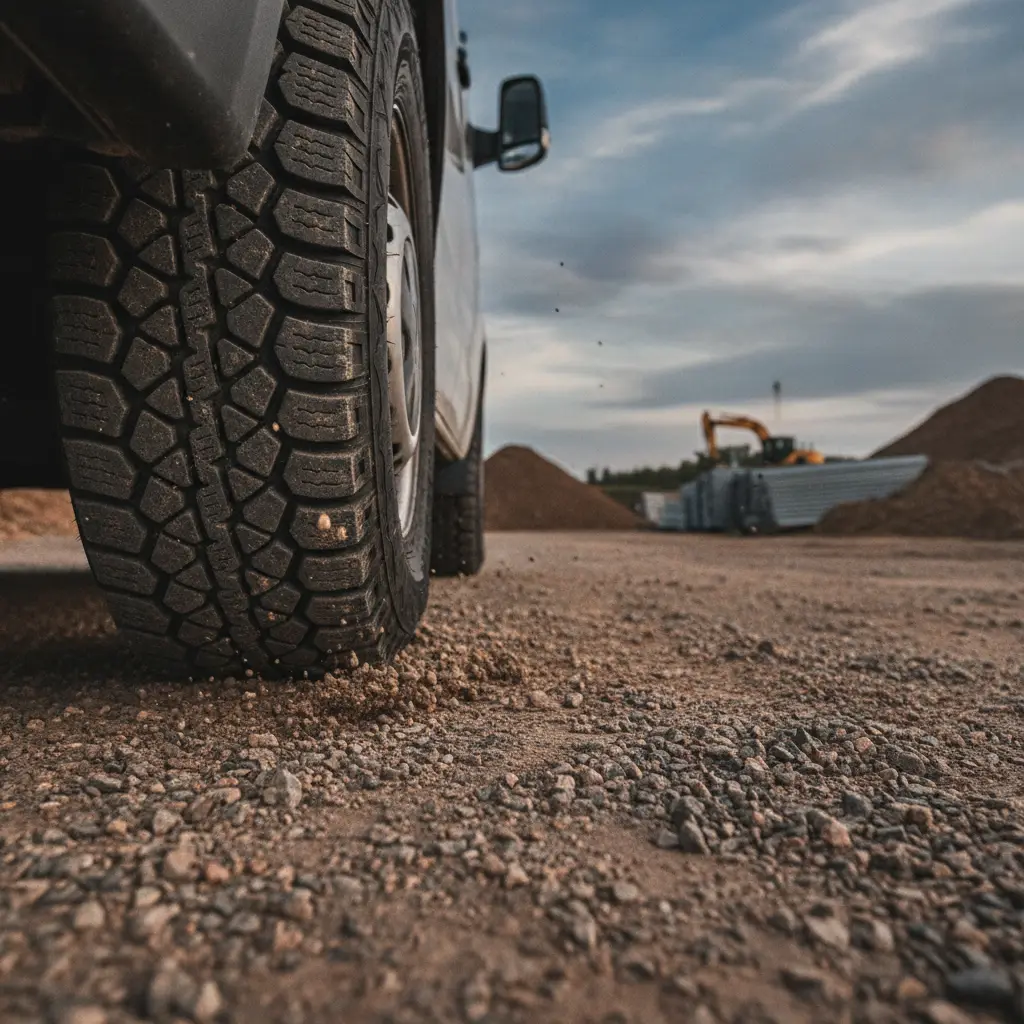
For businesses operating in rural areas, AWD is a significant safety asset. It reduces the likelihood of becoming stuck in mud, ice, or loose gravel. Improved traction also helps protect the drivetrain from the excessive wear and tear that can occur when wheels spin uncontrollably on slick or loose surfaces, which is particularly relevant for heavy-duty applications such as tippers or recovery vehicles.
Which Businesses Benefit Most from a 4x4 Van?

Construction firms, agricultural contractors, and utilities companies see the most immediate operational benefits from AWD vans. When hauling heavy loads or navigating unpaved job sites, the extra grip allows for greater control. For larger fleet requirements, such as those within the Ford Transit range, the added security of an AWD system helps maintain project schedules regardless of external environmental factors.
Comparing AWD vs RWD Ford Transit Models
While rear-wheel drive is typically better for maximising payload capacity and high-mileage highway haulage, AWD is superior for unpredictable road surfaces. Choosing the right configuration depends on your specific cargo weight and typical route terrain. Consult our Ford Transit dimensions guide to understand how different drivetrain configurations, such as the addition of transfer cases or front-drive components, might influence internal load space and overall payload capacity.
FAQs
What are the primary advantages of a 4WD Ford Transit?
The primary advantages include enhanced traction on slippery or uneven surfaces, increased safety during poor weather conditions, and improved mobility for heavy-duty commercial applications like construction or forestry.
Is a 4WD Ford Transit fuel-efficient?
Generally, 4WD or AWD systems consume slightly more fuel than 2WD counterparts due to the added weight and mechanical complexity of the drivetrain. However, the gains in operational uptime often outweigh these costs for businesses in challenging environments.
Can I use an AWD Ford Transit for towing?
Yes, AWD models are highly capable for towing, as the system provides better power distribution to the ground, which assists with stability and traction when pulling heavy trailers on boat ramps or muddy fields.
Does 4WD affect the load capacity of the van?
The addition of an AWD system adds weight to the vehicle, which can reduce the maximum payload capacity compared to an equivalent RWD model. Always check the specific vehicle specifications before loading.