What Is the Correct Tyre Pressure for a Citroen Nemo Van?
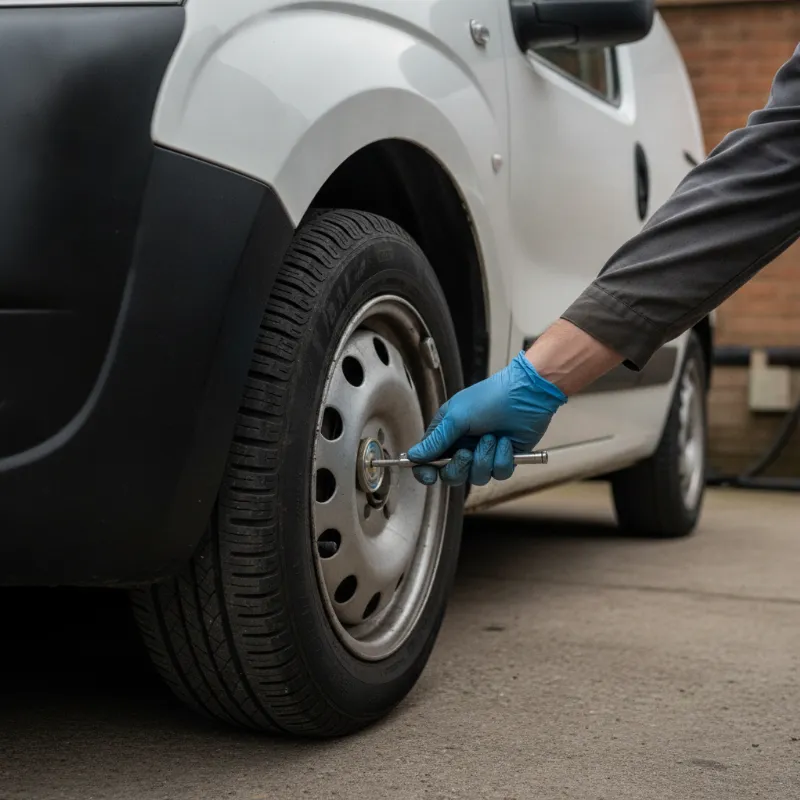
Recommended tyre pressures for the Citroen Nemo van
The Citroen Nemo is a compact city van built to shuttle loads around tight urban streets, and like any commercial vehicle it needs the right tyre pressures to drive safely, wear evenly and return the fuel economy it was designed for. Citroen quotes two sets of figures for the Nemo: one for when the van is running empty or lightly loaded, and a higher set for when it's carrying close to its payload limit. Getting these right is the single easiest bit of maintenance you can do on the van.
The values below are the standard Citroen recommendations for the most common 185/65 R15 tyre fitment on the Nemo panel van. If your van wears a different tyre size, or you've fitted winter or all-season rubber, always double-check the figure on your door pillar sticker before setting off.
Front and rear tyre pressures (unladen)
When the Nemo is empty or only lightly loaded — say a couple of tool bags, a passenger and everyday kit in the back — Citroen recommends around 36 psi (2.5 bar) on the front tyres and 36 psi (2.5 bar) on the rear. Because the Nemo is a small, front-heavy van, the pressures front and rear stay fairly close when it's running light, which helps keep the ride settled and the steering predictable.
If you rarely carry heavy loads and mostly use the van for parts deliveries, mobile services or light courier work, this unladen setting is the one you'll spend most of your time at.
Front and rear tyre pressures (fully laden)
Once you start loading the Nemo toward its 610kg-ish payload ceiling, the rear axle takes on a lot more weight and the tyres need more air to support it safely. Citroen typically recommends around 36 psi (2.5 bar) on the front and up to 51 psi (3.5 bar) on the rear when the van is fully laden. That noticeable jump at the back is deliberate — it stops the rear tyres squirming under load, protects the sidewalls from flexing, and keeps braking and steering responses crisp.
If you're regularly running with a full load, it's worth setting the rears to the laden figure and leaving them there rather than adjusting daily. A slightly firmer ride when empty is a fair trade for consistent safety when the van's full.
Where to find the tyre pressure label on your Citroen Nemo
Every Citroen Nemo leaves the factory with a tyre information label fitted to the vehicle, and this is always the definitive source for your specific van. On most Nemos you'll find the sticker on the inside edge of the driver's door pillar (the B-pillar), visible when the driver's door is open. On some earlier models it can also be located inside the fuel filler flap.
The label lists the recommended cold pressures for the front and rear axles, split between partial load (unladen) and full load, and it will also show the correct pressure for the spare wheel if one is fitted. It's worth taking a photo of it on your phone so you have the figures to hand whenever you're at a forecourt air pump. If the sticker has faded or peeled — common on older Nemos — the same information is repeated in the owner's handbook in the glovebox.
How to check and adjust your Nemo's tyre pressures correctly
Tyre pressures should always be checked cold, meaning the van has been standing for at least a couple of hours or has only been driven a short distance at low speed. A warm tyre can read three or four psi higher than a cold one, and if you let air out to "correct" a warm reading you'll end up dangerously underinflated once the tyres cool.
Unscrew the valve dust cap, press the gauge firmly and squarely onto the valve stem, and take the reading. If the pressure is low, add air in short bursts and recheck between each one — it's easy to overshoot. If it's high, press the small pin in the centre of the valve briefly to release air. Once you're on the correct figure, refit the dust cap to keep dirt and moisture out of the valve.
Don't forget the spare, if your Nemo has one — it's easy to leave it flat for years and only discover the problem the day you need it. Most owners find that a monthly check, plus a quick look before any long trip or heavy load, is more than enough to catch slow leaks before they become punctures.
Why correct tyre pressure matters for van owners
For a car, running a few psi under can feel like a minor issue. For a working van like the Nemo, it's genuinely important — because vans typically carry heavier and more variable loads than cars, incorrect pressures have a much bigger impact on how the vehicle behaves and how quickly parts wear out.
Fuel economy, tyre wear and payload safety
Underinflated tyres increase rolling resistance, which means the engine has to work harder to keep the van moving. On a small-engined city van like the Nemo, even 6–8 psi low across all four tyres can knock a noticeable chunk off your mpg — money that quietly disappears at the pump every week. Correctly inflated tyres also wear evenly across the tread; run them soft and you'll see the shoulders wear out long before the centre, meaning a new set of tyres far sooner than you should need them.
Most importantly, pressure affects safety when the van is loaded. An underinflated rear tyre carrying a full payload runs hot, flexes excessively and is far more likely to suffer a blowout — and a blowout in a loaded van at motorway speeds is a serious event. Bumping the rears up to the laden figure when you're carrying weight is one of the simplest, cheapest safety measures you can take.
Looking beyond the Nemo? Explore the wider Citroen van range
The Nemo was Citroen's smallest van, aimed at drivers who needed something car-sized to nip through cities with a decent cargo bay. Production ended in 2017, so if you're running one now you're likely looking after a used example — and keeping on top of tyre pressures, servicing and MOTs is exactly how you get the best years out of it.
If you're considering an upgrade, the Nemo's spiritual successor is the current Citroen Berlingo, which offers more space, more modern safety kit and better economy while retaining that easy-to-drive, car-like feel. Above that sit the mid-size Dispatch and the large Relay, covering everything from multi-drop courier work to full builder's van duties. Whichever you choose, the same rule applies: check the door pillar sticker, respect the laden and unladen figures, and your tyres will look after you in return.
FAQs
What is the correct tyre pressure for a Citroen Nemo van?
For the standard 185/65 R15 fitment, Citroen recommends approximately 36 psi (2.5 bar) on the front and 36 psi (2.5 bar) on the rear when unladen, rising to around 36 psi (2.5 bar) front and 51 psi (3.5 bar) rear when fully laden. Always confirm the exact figures on the tyre pressure label fitted to the driver's door pillar of your specific van, as pressures can vary with tyre size.
Should I check my Nemo's tyres when they're hot or cold?
Always cold. Check pressures after the van has been standing for a couple of hours or has only been driven a very short distance. A warm tyre can read several psi higher than its true cold pressure, so adjusting on a hot reading will leave you underinflated once things cool down.
How often should I check the tyre pressures on my Citroen Nemo?
A monthly check is a sensible minimum, plus a quick look before any long journey or before carrying a heavy load. Tyres naturally lose a small amount of pressure over time, and catching a slow leak early can save you from a roadside puncture.
Do I need to increase the rear tyre pressure when the Nemo is loaded?
Yes — the rear axle carries most of the payload, and Citroen specifies a significantly higher rear pressure (around 51 psi / 3.5 bar) when the van is fully laden. If you regularly carry heavy loads, many owners simply leave the rears at the laden figure rather than adjusting daily; the ride is slightly firmer when empty, but the tyres stay safer when full.
Where exactly is the tyre pressure sticker on a Citroen Nemo?
On most Nemos it's on the inside edge of the driver's door pillar, visible with the driver's door open. On some models it can also be located inside the fuel filler flap. If it's faded or missing, the same figures are printed in the owner's handbook.