What Car? Citroen Berlingo Review: Is It the Right Small Van for You?
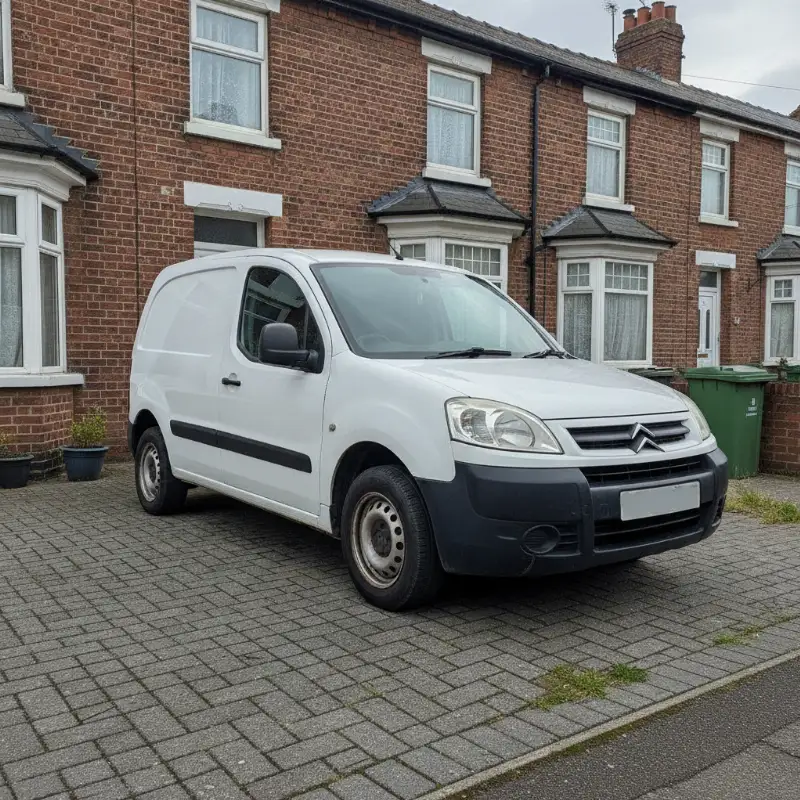
What Car? and the Citroen Berlingo: an overview
The Citroen Berlingo has been one of Britain's favourite small vans for more than two decades, and it's a familiar face on What Car?'s pages. As one of the UK's most respected consumer motoring titles, What Car? tests vans in real-world conditions, weighing up practicality, running costs, comfort and reliability rather than just headline figures. For tradespeople, fleet buyers and small business owners weighing up a compact panel van, its verdicts carry serious weight.
The current-generation Berlingo shares its platform with the Peugeot Partner, Vauxhall Combo and Toyota Proace City, all built by Stellantis. What Car? has consistently placed the Berlingo among the strongest contenders in the small van class, praising its blend of car-like driving manners, generous cargo space and competitive pricing. It's a van that appears regularly on their shortlists and, in several years, has walked away with class awards.
What Car? verdicts on the Citroen Berlingo van
Across their reviews, What Car? has broadly given the Berlingo a strong recommendation, typically awarding it four stars out of five and highlighting it as one of the best all-round choices in the small van sector. Reviewers repeatedly point to its comfortable ride, roomy load bay and relatively low running costs as the standout reasons to consider one, whether you're a sole trader looking for a workhorse or a fleet manager buying in bulk.
The verdicts do come with a few caveats. What Car? testers have noted that some rivals feel slightly more upmarket inside and that certain infotainment features can be fiddly to use on the move. Even so, the overall tone is positive: the Berlingo is treated as a benchmark small van, and the review team consistently rate it as a smart buy for buyers prioritising substance over showroom sparkle.
Ride, handling and refinement
What Car? has been particularly complimentary about the way the Berlingo drives. Even when empty — often the weak point for light commercial vehicles — the ride is described as settled and composed, soaking up potholes and speed bumps far better than many rivals. Load it up with a few hundred kilograms of kit and it becomes even more comfortable, which is exactly what long-distance drivers want to hear.
Handling is another strong suit. The steering is light enough to make town driving and multi-storey car parks easy, yet has enough weight on the motorway to feel reassuring. Refinement is generally good, with the diesel engines settling to a subdued hum at cruising speeds, though What Car? testers have pointed out that some road and wind noise does creep in at higher speeds — a common trait in the class rather than a Berlingo-specific flaw.
Load space and payload ratings
Practicality is where the Berlingo really earns its keep, and What Car? has always given it high marks here. The standard M-sized van offers around 3.3 cubic metres of load volume, while the longer XL body style stretches that to 3.9 cubic metres or more with the load-through bulkhead in place. That extra-long load option — allowing pipes, ladders or lengths of timber to slide under the passenger seat — is often singled out as a genuine plus for tradespeople.
Payloads are competitive too, with most versions rated to carry around 650kg to 1,000kg depending on specification and drivetrain. Twin sliding side doors are available, and the wide-opening rear doors make loading pallets straightforward. What Car? reviewers have also noted the useful tie-down points and sensible interior cubby storage, which help turn the Berlingo into a proper mobile workshop.
Citroen Berlingo Multispace vs Berlingo van: which did What Car? prefer?
The Berlingo comes in two distinct flavours: the panel van aimed squarely at businesses, and the Multispace (now often badged simply as the Berlingo passenger model) aimed at families needing MPV-style versatility. What Car? treats them as two very different beasts. The panel van is judged against rivals like the Ford Transit Connect and Volkswagen Caddy Cargo, while the passenger version is compared with cars such as the Dacia Jogger and other seven-seat MPVs.
In terms of which is "better", What Car? tends to say it depends entirely on how you'll use it. The panel van wins on outright cargo capability, payload and business-friendly running costs including VAT reclaim. The Multispace, meanwhile, wins on comfort, rear-seat access, safety kit and family-friendly features like proper windows and rear seatbelts. Reviewers have highlighted that the passenger version is one of the most usable and affordable MPVs on sale — a rare thing in the modern market — while the van remains a class leader for practicality.
Running costs, MPG and the Citroen Berlingo electric van
Running costs are a huge part of any van-buying decision, and What Car? has given the Berlingo generally favourable marks here. The BlueHDi diesel engines — typically 1.5-litre units in 75, 100 or 130 horsepower forms — return official fuel economy figures in the high 40s to mid 50s mpg, and reviewers have found real-world figures come reasonably close, particularly on longer runs. Service intervals are sensible and consumables are affordable, which helps keep whole-life costs down.
The e-Berlingo electric version has drawn increasing attention from What Car? in recent years. Powered by a 100kW (136hp) motor and a 50kWh battery in early versions — with a larger 54kWh pack introduced later — the electric Berlingo offers an official range of around 170 to 200 miles depending on specification. What Car? has praised the smooth, quiet drive and near-identical load volume to the diesel, though they note that real-world range drops in cold weather and when the van is fully laden. For urban delivery work, particularly in Clean Air Zones, they generally rate it as a very sensible choice — provided you have reliable charging in place.
Buying a Citroen Berlingo used: what to look for
The used Berlingo market is one of the largest in the small van sector, which means plenty of choice but also plenty of variation in condition. What Car? and other trusted sources recommend prioritising full service history above all else — ex-fleet vans often rack up big miles quickly, so evidence of regular oil and filter changes on the BlueHDi diesel is essential. Look closely at the timing belt service record, as skipped belt changes can lead to expensive engine damage.
Physically, check the load area for wear on the floor, damaged tie-down points and any signs of leaks around the roof or rear door seals. Rear suspension bushes and dampers can suffer if the van has been consistently overloaded, so listen for knocks over bumps on a test drive. On electric versions, ask for a battery state-of-health check where possible. Overall, though, the Berlingo has a reasonable reputation for durability, and a well-cared-for example bought from a reputable dealer should give years of dependable service.
Should you buy a Citroen Berlingo based on What Car? reviews?
Taking What Car?'s verdicts as a whole, the Citroen Berlingo comes out as a strong recommendation for the majority of small van buyers. It's comfortable to drive, generous with load space, competitively priced and available with a proven diesel or a genuinely useful electric powertrain. It may not be quite as plush inside as a Volkswagen Caddy Cargo or as sharp-looking as a Ford Transit Connect, but for outright everyday usability and value it's very hard to fault.
If you're a tradesperson covering big mileages, a fleet operator watching total cost of ownership, or a small business owner needing a versatile daily workhorse, the Berlingo deserves to be at the top of your shortlist — new or used. Combine What Car?'s positive reviews with a proper test drive of the exact specification you're considering, and you'll be in a strong position to make a confident choice.
FAQs
What does What Car? say about the Citroen Berlingo?
What Car? consistently rates the Citroen Berlingo as one of the best small vans on sale, typically awarding it around four stars out of five. Reviewers praise its comfortable ride, class-leading load space, sensible payload ratings and competitive running costs, while noting that some rivals feel slightly more upmarket inside. Overall, it's treated as a benchmark small van and a smart buy for business users.
Is the Citroen Berlingo a reliable van?
The Berlingo has a generally solid reputation for reliability, particularly with the well-proven 1.5 BlueHDi diesel engine. Reliability depends heavily on maintenance, so full service history — including timing belt changes at the recommended intervals — is essential when buying used. Electric e-Berlingo models are still relatively new but have not shown any major recurring faults so far.
How much can a Citroen Berlingo carry?
Depending on body length and specification, the Citroen Berlingo offers around 3.3 to 3.9 cubic metres of load volume, with the load-through bulkhead allowing longer items to slide under the passenger seat. Payload capacity typically ranges from around 650kg on some electric versions to just over 1,000kg on higher-payload diesel variants.
Is the electric Citroen e-Berlingo worth buying?
For urban delivery, multi-drop work and businesses operating in Clean Air Zones, the e-Berlingo makes strong financial and practical sense. It offers around 170 to 200 miles of official range, retains almost identical load space to the diesel and is smooth and quiet to drive. The main considerations are access to reliable charging and the fact that real-world range drops in cold weather or when heavily loaded.
Should I buy a new or used Citroen Berlingo?
A new Berlingo gives you the latest safety kit, a full manufacturer warranty and access to current finance offers, which suits high-mileage users and fleets. A used Berlingo, particularly a two or three-year-old ex-fleet example with full service history, can offer excellent value as the biggest depreciation has already happened. Either route can be a smart choice — the right answer depends on your budget, mileage and how long you plan to keep the van.