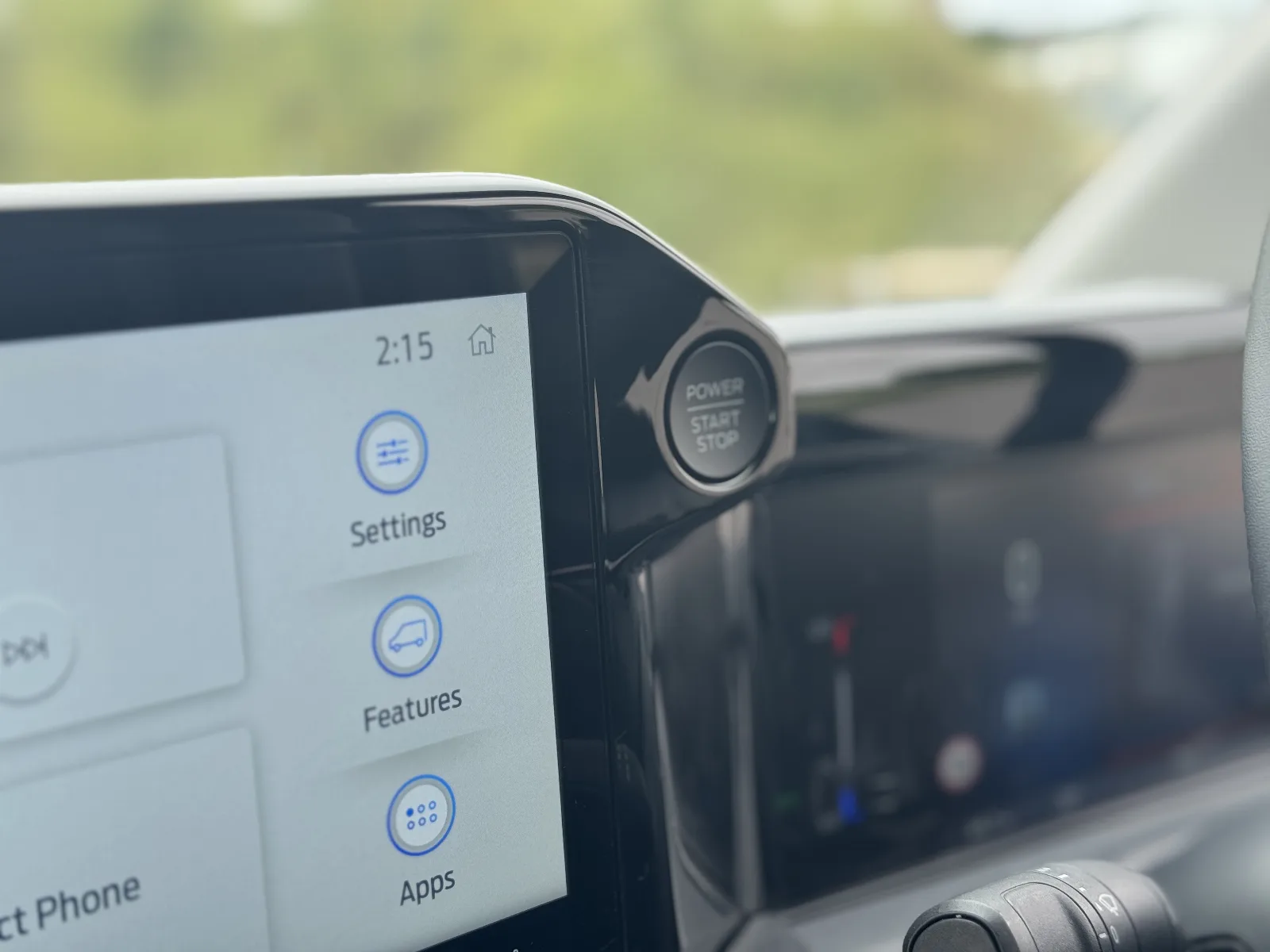
Ford Transit 350: Everything You Need to Know
Overview of the Ford Transit 350
The Ford Transit 350 is a heavy commercial vehicle within the 2-tonne van category, designed specifically for intensive professional use. It is crucial to distinguish this model from the Transit Custom; while the Custom is a mid-sized van, the Ford Transit 350 is a full-sized, heavy-duty commercial van built on a more robust chassis. The '350' designation indicates a 3.5-tonne Gross Vehicle Weight (GVW), providing the durability and structural integrity required for significant hauling, towing, and conversion work across the UK.
Key Specifications and Engine Options
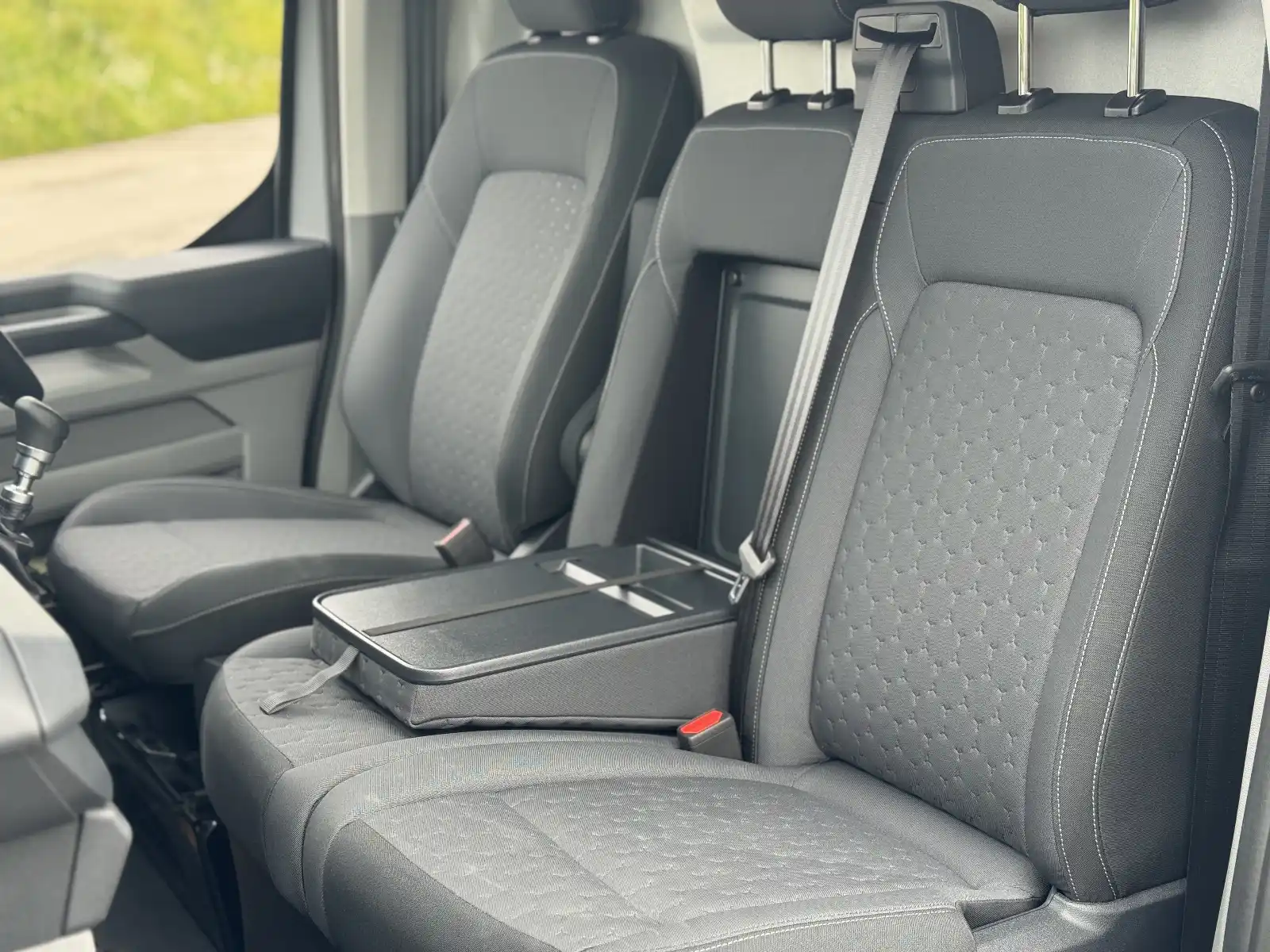
Powering the Ford Transit 350 is the Ford 2.0-litre EcoBlue diesel engine. This unit is specifically engineered to deliver high torque at low revolutions, which is vital for maintaining performance when the vehicle is fully laden. Depending on your operational requirements, the vehicle is available in several power outputs, offering the choice of a six-speed manual gearbox or a 10-speed automatic transmission. This drivetrain configuration is optimised for motorway cruising and demanding delivery cycles.
Understanding Payload and Load Space
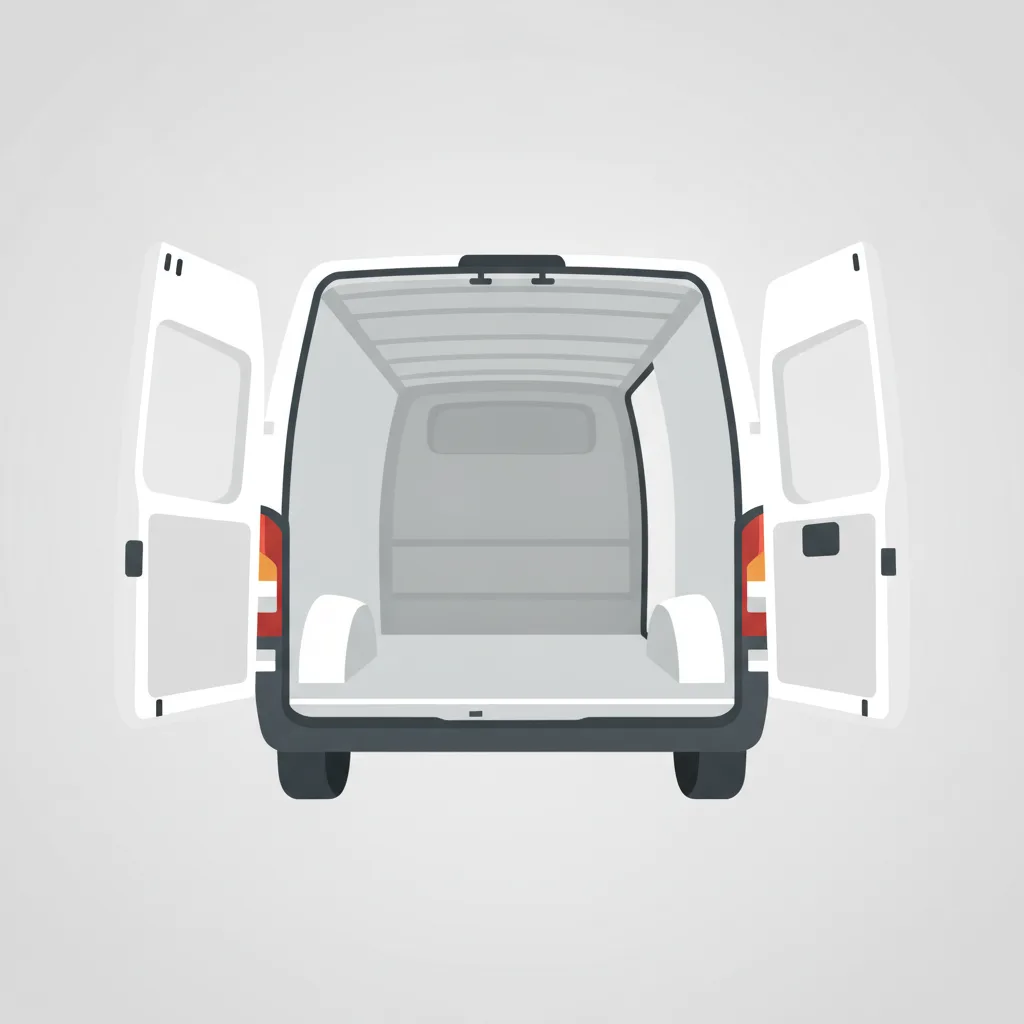
The Transit 350 is available in various length (L) and height (H) configurations to accommodate diverse cargo requirements. Payload capacities are influenced by the specific wheelbase and roof height chosen. Below is a general guide to the payload capabilities for standard panel van configurations of the 3.5-tonne model. Please note that exact figures depend on the specific engine, driveline, and factory-fitted options selected.
| Model Variant | Approximate Payload |
|---|---|
| L2 (Medium Wheelbase) H2 Medium Roof | 1,150 kg – 1,250 kg |
| L3 (Long Wheelbase) H2 Medium Roof | 1,050 kg – 1,150 kg |
| L3 (Long Wheelbase) H3 High Roof | 1,000 kg – 1,100 kg |
| L4 (Extended Wheelbase) H3 High Roof | 950 kg – 1,050 kg |
Practical Uses for the Transit 350
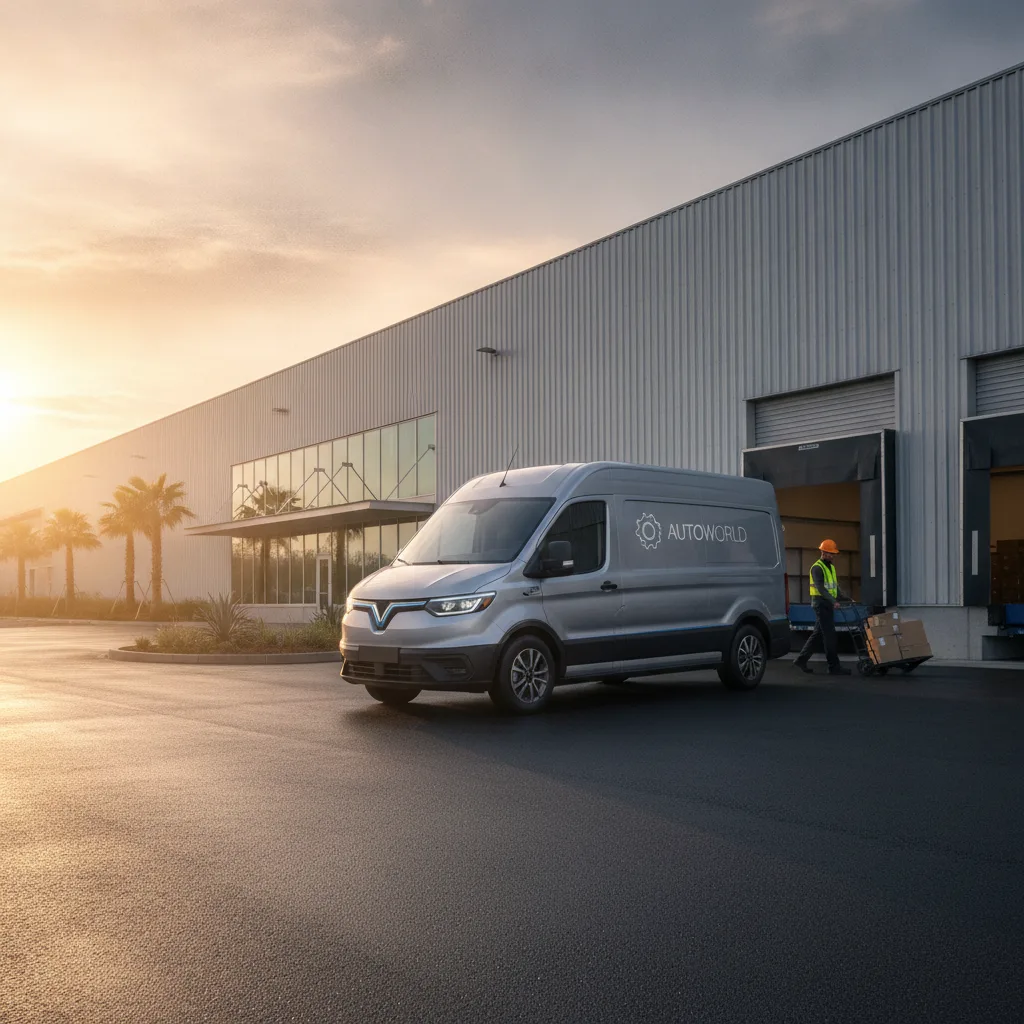
The Transit 350 is highly versatile, serving as the base for various heavy-duty applications including refrigerated transport, welfare vans, and mobile workshops. The vehicle features wide-opening rear doors and a generous side-loading door, facilitating efficient loading of pallets or bulky equipment. The interior is designed with a focus on ergonomics, providing an elevated seating position and practical storage solutions, which are essential for those spending long hours on the road.
Finance and Purchase Options for Your Business
Acquiring a Ford Transit 350 for your fleet is managed through various finance structures designed to assist business cash flow. You may choose between options such as Contract Hire, which allows you to budget for fixed monthly costs without the risk of asset depreciation, or Finance Lease/Hire Purchase agreements, which may be more suitable if your objective is to gain vehicle ownership. Consult with our team to determine which structure aligns best with your tax position and operational needs.
FAQs
What is the difference between a Ford Transit 350 and a Transit Custom?
The Ford Transit 350 is a larger, heavy-duty commercial van with a 3.5-tonne GVW, designed for heavier payloads and larger volumes. The Transit Custom is a mid-sized van, which is smaller, lighter, and generally aimed at different transport requirements.
How do I calculate the payload for my specific Transit 350?
Payload is calculated by subtracting the vehicle's kerb weight (including fuel, fluids, and driver) from its gross vehicle weight (3.5 tonnes). Because optional equipment, high-roof configurations, and engine choices increase the kerb weight, your actual payload will be lower than the maximum theoretical capacity.
Is the Ford Transit 350 suitable for heavy-duty towing?
Yes, with its robust chassis and high-torque engine, the Transit 350 is engineered for towing heavy trailers, provided the vehicle is operated within the manufacturer's specified Gross Train Weight limits.
What roof heights and wheelbases are available for the Transit 350?
The Transit 350 is available in L2 (Medium), L3 (Long), and L4 (Extended) wheelbases, combined with H2 (Medium) and H3 (High) roof heights, allowing for a wide range of cargo volume capacities.