A Guide to SsangYong Pickups: Capability and Utility
A Guide to SsangYong Pickups: Capability and Utility
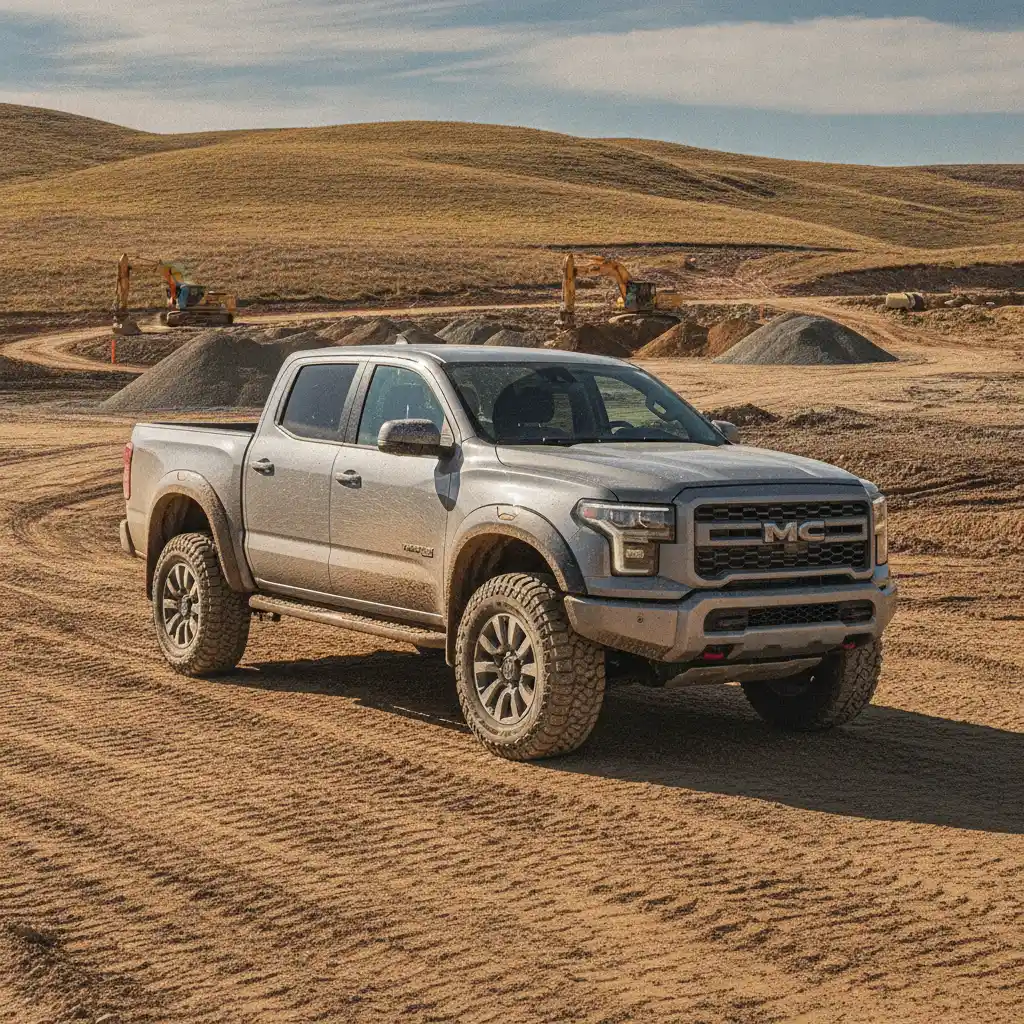
The manufacturer previously known as SsangYong is now KGM. The KGM Musso is a purpose-built commercial pickup designed for demanding site work and heavy-duty towing. Featuring a robust ladder-frame chassis and selectable four-wheel drive, it provides the traction and durability required for off-road environments and consistent site access.
Understanding the SsangYong Pickup Heritage
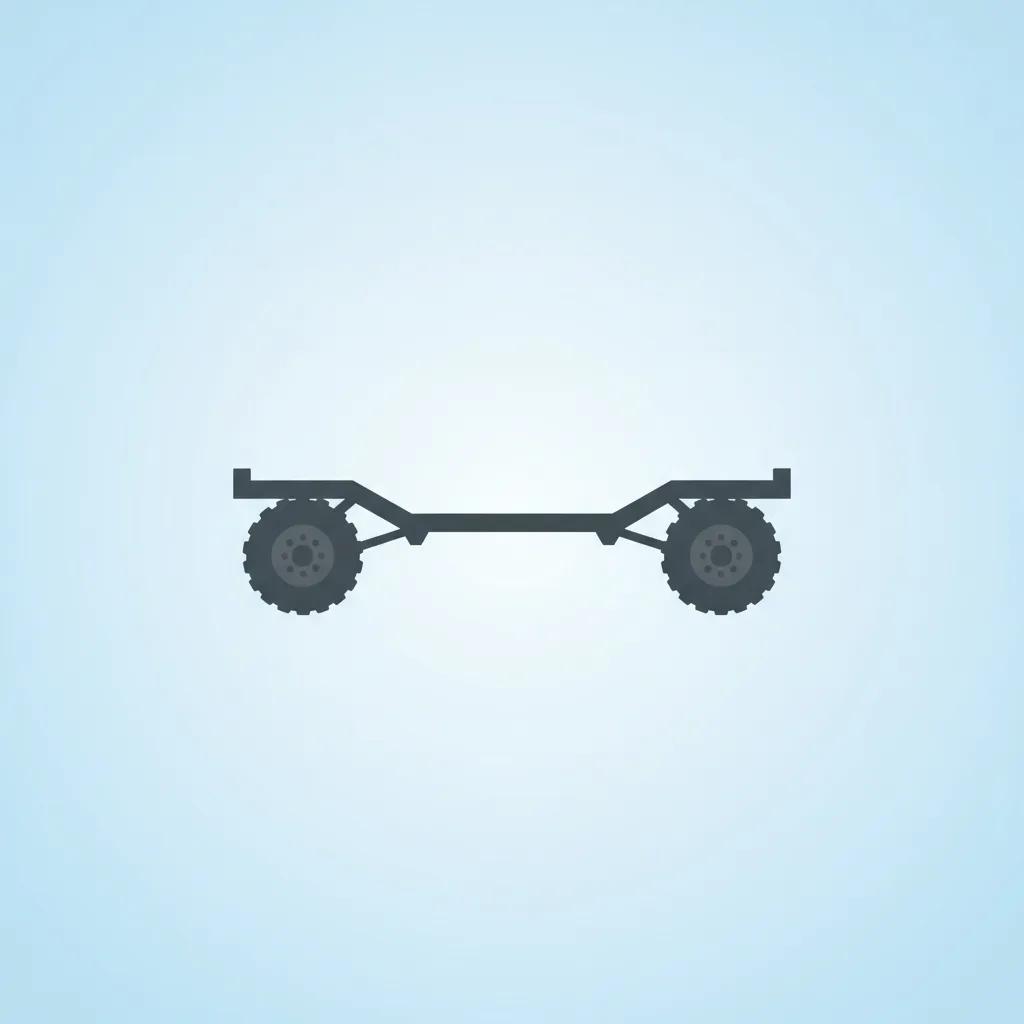
KGM continues the engineering legacy of the brand's established 4x4 platforms. By transitioning from the wider SsangYong heritage to the modern KGM identity, the manufacturer focuses on high-torque diesel performance within a body-on-frame architecture. This engineering approach is specifically tailored to meet the requirements of the UK's working landscape, prioritising structural integrity and mechanical reliability under load.
Key Features of SsangYong Pickup Trucks
The current UK range is led by the KGM Musso, which is powered by a 2.2-litre turbo diesel engine. Available in variants such as the EX, Rebel, and Saracen, these vehicles are engineered for high-capacity utility. The Musso offers a towing capacity of up to 3,500kg and a payload capacity that typically exceeds 1,000kg, classifying it as a dual-purpose vehicle. The cabin provides a focus on driver ergonomics and safety, supporting operational efficiency throughout the working day.
Comparing SsangYong Pickups vs Light Commercial Vans
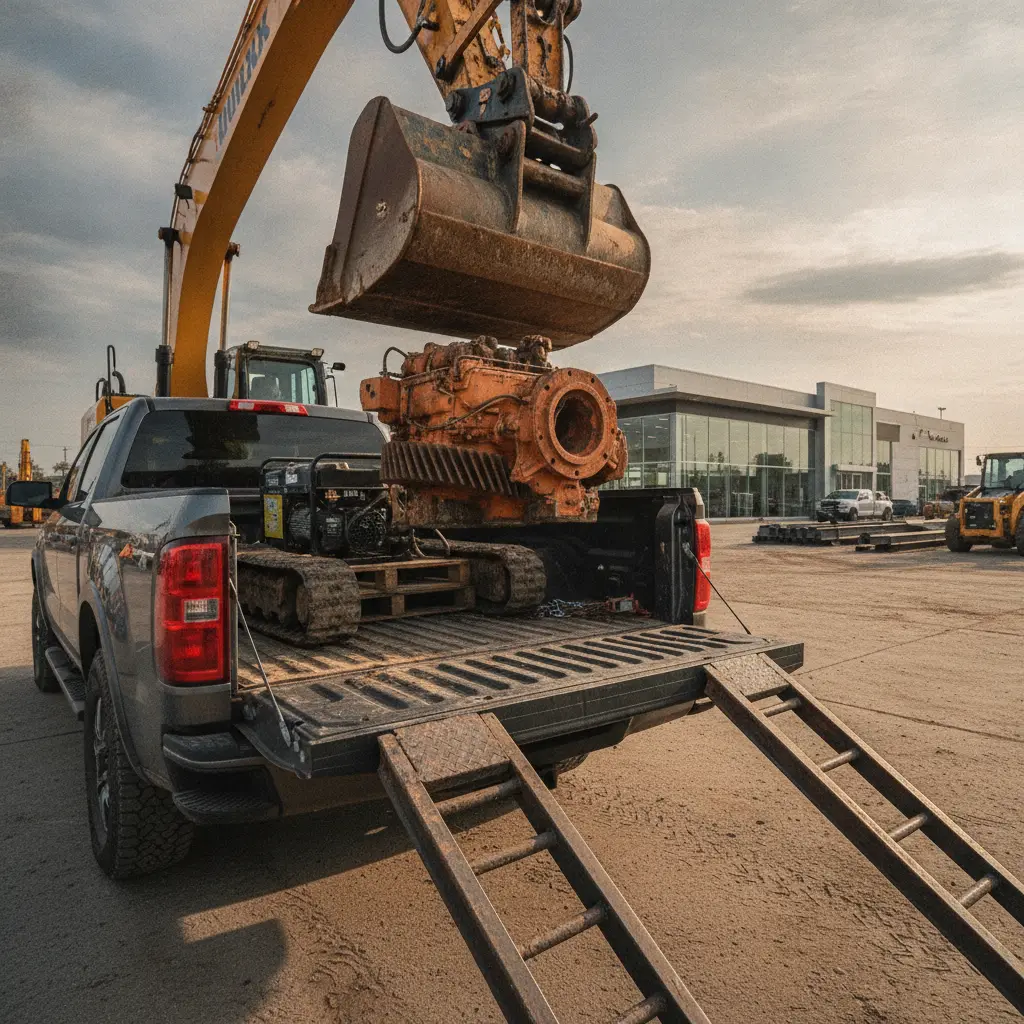
Selecting the correct vehicle depends on your specific load profile. A pickup, such as the KGM Musso, offers an open load bed that is suited for bulky, heavy, or soiled equipment that requires external stowage or overhead loading access. Unlike panel vans, which offer fully enclosed, lockable cargo spaces for internal racking or sensitive freight, the Musso's design prioritises flexibility for rougher work environments where an open bed is functional rather than restrictive.
Flexible Finance Options for Your Next Commercial Vehicle
Acquiring a commercial vehicle should align with your business cash flow. We offer a variety of finance solutions designed to help you spread the cost of your vehicle without placing strain on your working capital. Our team provides clear guidance to help you select a finance structure that aligns with your monthly budget and long-term business asset strategy.
How to Source and Purchase a SsangYong Commercial Vehicle
When sourcing a KGM Musso, you must assess your exact payload and towing requirements against the vehicle's Gross Train Weight. Once you identify a model that matches your operational needs, our sales team can assist with vehicle history verification and technical inspections. We ensure transparency throughout the acquisition process so you can make an informed decision regarding your commercial fleet.
FAQs
What are the key features and capabilities of KGM pickup trucks for business use?
KGM pickups, formerly SsangYong, are engineered with a ladder-frame chassis, a 2.2-litre diesel engine, and selectable four-wheel drive. They are capable of towing up to 3,500kg and offer significant payload capacities suitable for commercial site utility.
How has the tax status of double-cab pickups changed?
As of 6 April 2025, the tax treatment for double-cab pickups changed. These vehicles are now generally treated as passenger cars for Benefit-in-Kind (BIK) purposes rather than commercial vans. You must consult the latest guidance on the GOV.UK website or speak with a qualified tax advisor regarding your specific circumstances.
What should I check before buying a used pickup for towing?
Verify the vehicle's plated towing capacity, check the Gross Train Weight (the combined weight of the vehicle and trailer), and ensure that your driving licence category covers the specific weights you intend to tow.
Is the payload figure a fixed maximum?
No. Payload capacity is dependent on the vehicle's specific trim level and any factory-fitted or aftermarket accessories, such as hardtops or tow bars, which reduce the available payload. Always check the manufacturer's plate or the vehicle handbook for the exact figure.