 Call us on
Specialized Van Leasing
Specialized Van Leasing
In today’s fast-paced business world, having the right vehicle can make all the difference. For many companies, a refrigerated van lease offers a flexible solution to meet their unique transportation needs. From food delivery services to pharmaceutical companies, businesses across various industries rely on specialized vans to keep their products at optimal temperatures during transit. Source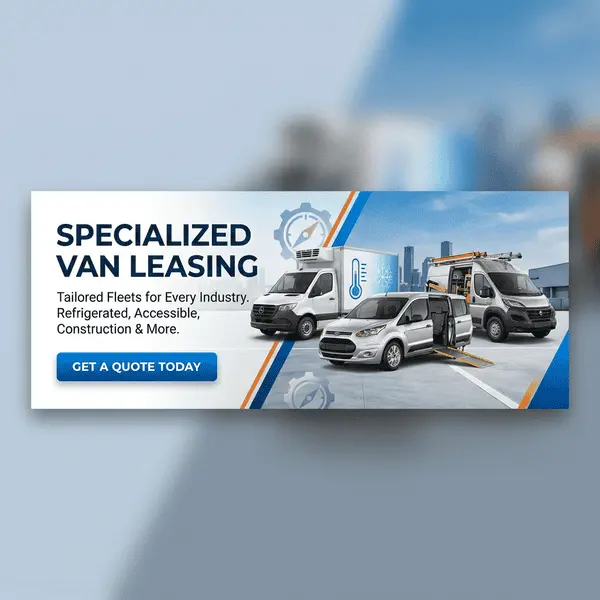
Finding the perfect van for a company’s specific requirements involves careful consideration of several factors. This article explores the different types of specialized vans available for lease, including fridge vans, freezer vans, and camper vans. It also delves into the key aspects to think about when leasing a specialized van, the advantages of leasing versus buying, how to pick a trustworthy leasing company, and the customization options available for leased vehicles. By the end, readers will have a clear understanding of how to secure the ideal van for their business needs.
Types of Specialized Vans Available for Lease
Businesses today have access to a wide range of specialized vans designed to meet their unique transportation needs. These vehicles come in various sizes, configurations, and capabilities, catering to different industries and purposes. Let’s explore some of the most common types of specialized vans available for lease. See fridage vans for sale
Refrigerated Vans Specialized Van Leasing
Refrigerated vans, also known as fridge vans, are essential for businesses that need to transport perishable goods. These vehicles are equipped with refrigeration systems that maintain specific temperatures, making them ideal for:
- Food delivery services
- Pharmaceutical companies
- Florists
- Catering firms
A refrigerated van lease offers several benefits:
- Cost-effectiveness: It saves money on cold storage space and outsourced transportation.
- Efficiency: Goods can be transported directly to their destination, reducing handling and spoilage risks.
- Safety: These vans ensure hygienic handling and storage, minimizing contamination risks.
- Customization: Available in various sizes and configurations, they can be tailored to specific business needs with different shelving options and cargo control systems. See all vans for sale
Cargo Vans Specialized Van Leasing
Cargo vans are the workhorses of many businesses, designed primarily for transporting goods or equipment. Key features include:
- Large cargo area
- Minimal seating (usually 2-3 seats)
- Various sizes available (small, medium, and large)
Some specialized cargo van types include:
- Luton Vans: Popular with removal firms, these vans have a box-type body extending over the cab for extra load space.
- Curtain-side Vans: Featuring canvas sides for easy loading, these are great when access to the entire side of the vehicle is needed.
- Dropside Vans: These have an open top with shallow sides that drop down, useful for transporting bulky items in construction or horticulture. See van lease deals
Passenger Vans Specialized Van Leasing
Passenger vans are designed for transporting groups of people comfortably. They feature:
- Multiple rows of seating
- Various sizes to accommodate different passenger capacities
- Emphasis on passenger comfort
A specific type of passenger van is the minibus, which typically has up to 16 seats and is designed to be maneuverable while carrying many passengers.
Comparison of Van Types
To help businesses choose the right van for their needs, here’s a comparison of the main van types:
| Van Type | Primary Use | Key Features | Ideal For |
|---|---|---|---|
| Refrigerated | Transporting perishables | Temperature control, customizable interiors | Food delivery, pharmaceuticals |
| Cargo | Transporting goods/equipment | Large cargo area, minimal seating | General deliveries, trades |
| Passenger | Transporting people | Multiple seating rows, comfort-focused | Group transportation, shuttle services |
Other specialized van types available for lease include:
- Crew Vans: Feature an extra row of seats and full-size side doors with windows, balancing cargo space and passenger capacity.
- Electric/Hybrid Vans: Environmentally friendly options for businesses looking to reduce their carbon footprint.
- Tipper Vans: Equipped with a hydraulic rear flatbed that can be tilted to unload cargo, ideal for construction and landscaping.
- Pickup Trucks: Versatile vehicles with an open cargo bed, suitable for various industries.
When choosing a specialized van lease, businesses should consider factors such as:
- The nature of their goods or services
- Required cargo capacity
- Number of passengers to transport
- Specific industry needs (e.g., temperature control, easy loading access)
- Environmental considerations
By carefully evaluating these factors and the available van types, businesses can find the perfect vehicle to support their operations and drive growth. See Frail vans
Key Factors to Consider When Leasing a Specialized Van
Business Requirements
When leasing a specialized van, businesses must carefully evaluate their specific needs. This involves assessing the primary use of the vehicle, such as transporting goods, equipment, or people. Companies should consider the cargo space required, payload capacity, and frequency of use. These factors will help determine the ideal van size and type, whether it’s a small van for urban deliveries or a large van for maximum cargo capacity. See welfare vans
Another crucial aspect is the number of passengers the van needs to accommodate. For businesses that primarily transport goods, a standard panel van with two to three seats might suffice. However, if the company needs to transport both cargo and additional personnel, a crew van or double-cab pickup could be a better option.
Budget Considerations Specialized Van Leasing
Leasing a specialized van can have significant financial implications for a business. It’s essential to establish how much the company can afford to pay each month for the lease. This should be based on actual cash flow to ensure timely payments. It’s advisable to be conservative in budgeting and build in contingency funds for unexpected costs.
The initial rental, or deposit, is another important budget consideration. Generally, this is equivalent to 3, 6, 9, or 12 monthly vehicle rentals. A higher initial rental can lead to lower monthly payments, while a lower deposit allows for better cash flow retention. See Tipper vans
When comparing lease deals, businesses should look beyond just the monthly payments. It’s crucial to consider additional costs such as maintenance packages, warranty coverage, and any administration fees. Some lease deals include maintenance and servicing, which can help reduce unexpected expenses. See luton vans
Lease Terms
The duration of the lease is a key factor to consider. Lease agreements typically range from two to five years, with two-year contracts considered short-term and four to five-year agreements referred to as long-term leases. Shorter leases offer more flexibility, while longer leases often result in lower monthly payments. See luton vans for sale
Mileage allowance is another critical aspect of lease terms. Businesses must provide an accurate estimate of their annual mileage, as exceeding the agreed-upon limit can result in additional charges. It’s important to choose a mileage allowance that aligns with the company’s operational needs.
The Fair Wear and Tear policy is also an essential consideration. This policy outlines the acceptable condition in which the leased van should be returned at the end of the contract. Understanding this policy can help prevent unexpected charges for damage or excessive wear.
Comparison of Factors
When evaluating different lease options, businesses should compare various factors to make an informed decision. Here’s a table summarizing key considerations:
| Factor | Importance |
|---|---|
| Van Size and Type | Crucial for meeting specific business needs |
| Payload Capacity | Essential for transporting goods efficiently |
| Lease Duration | Affects monthly payments and flexibility |
| Mileage Allowance | Impacts overall cost and suitability for business operations |
| Initial Rental | Influences monthly payments and cash flow |
| Maintenance Package | Can reduce unexpected costs and downtime |
| Fair Wear and Tear Policy | Affects potential end-of-lease charges |
By carefully considering these factors, businesses can select a specialized van lease that aligns with their operational requirements and financial capabilities. This approach helps ensure that the leased vehicle supports the company’s needs while maintaining a healthy cash flow.
Benefits of Leasing vs. Buying a Specialized Van
Financial Advantages
Leasing a specialized van or small van lease offer or the best van lease deals , electric van lease or Ford Van Leasing offers or just luton van leasing Offers several financial benefits compared to buying outright. One of the primary advantages is the lower initial cash outlay. When leasing, businesses typically only need to make a small upfront payment, preserving cash flow for other operational needs. This can be particularly beneficial for start-ups and small companies with limited capital.
Monthly payments for leased vans are often lower and more manageable than those associated with purchasing. These fixed payments remain consistent throughout the lease term, allowing for better budgeting and cash flow management. Businesses can forecast their expenses more accurately, knowing exactly what they’ll pay each month.
Another financial perk of leasing is the ability to reclaim VAT. VAT-registered businesses can reclaim up to 100% of the VAT paid on initial and monthly rentals, provided the van is used solely for business purposes. Additionally, the cost of a van lease can be claimed as an allowable business expense on tax returns, potentially leading to significant tax savings.
Flexibility Specialized Van Leasing
Leasing offers unparalleled flexibility compared to buying a specialized van. With lease terms typically ranging from two to five years, businesses can adapt to changing needs more easily. At the end of the lease term, companies have the option to upgrade to a newer model, switch to a different type of van, or simply return the vehicle without the hassle of selling it.
This flexibility extends to the choice of vehicles as well. Leasing allows businesses to drive newer vans equipped with the latest features and technologies. This can be advantageous for companies looking to present a professional image to clients or those relying on up-to-date transportation for their operations.
Maintenance Specialized Van Leasing
Maintenance is another area where leasing often has an edge over buying. Many leasing agreements cover maintenance and repair costs under the manufacturer’s warranty during the lease term. This can save businesses from unexpected expenses and the hassle of managing vehicle maintenance.
Some leasing companies offer optional maintenance packages, which can be particularly beneficial if the lease term exceeds the length of the manufacturer’s warranty. These packages often include regular servicing, repairs, and even breakdown cover, providing peace of mind and helping to avoid costly surprises.
Comparison of Leasing and Buying
To better understand the differences between leasing and buying a specialized van, let’s compare key aspects:
| Aspect | Leasing | Buying |
|---|---|---|
| Initial Cost | Lower upfront payment | Higher initial investment |
| Monthly Payments | Generally lower, fixed | Often higher, may vary with financing |
| Ownership | No ownership, return at end of lease | Full ownership after payments |
| Flexibility | Easy to upgrade or change vehicles | Less flexible, tied to the vehicle |
| Maintenance | Often included or optional packages available | Owner’s responsibility |
| Depreciation | Not a concern for lessee | Owner bears the cost of depreciation |
| Mileage | May have restrictions | No restrictions |
| Modifications | Limited or not allowed | Full freedom to modify |
| Tax Benefits | Potential to claim as business expense | Different tax implications |
While leasing offers numerous advantages, buying can be beneficial for businesses that need long-term vehicle ownership, have high mileage requirements, or want the freedom to modify their vans extensively. The choice between leasing and buying ultimately depends on a company’s specific needs, financial situation, and long-term goals.
How to Choose the Right Leasing Company
Selecting the right leasing company is crucial for a successful van leasing experience. Here are key factors to consider when making your choice:
Company Reputation
A company’s reputation speaks volumes about its reliability and service quality. To assess a leasing company’s reputation:
- Look for accreditations from regulatory bodies such as the Financial Conduct Authority (FCA) and the British Vehicle Rental and Leasing Association (BVRLA).
- Check online reviews and testimonials from other customers.
- Research the company’s experience in the industry and the number of clients they serve.
Reputable companies often have years of experience and work with numerous clients, indicating their ability to provide excellent service.
Lease Options Specialized Van Leasing
The right leasing company should offer a range of options to suit your specific needs:
- Variety of vehicles: Ensure they have a wide selection of vans, including panel vans, pick-ups, minibusses, tippers, and more.
- Flexible lease terms: Look for companies offering both short-term and long-term leases, typically ranging from 2 to 5 years.
- Customization options: Some companies allow for van customization, such as racking, storage solutions, and branding opportunities.
Customer Support Specialized Van Leasing
Excellent customer support is essential throughout the leasing process:
- Pre-lease guidance: The company should help you understand the leasing process, eligibility criteria, and financial requirements.
- During-lease support: Look for providers offering maintenance packages, servicing options, and breakdown cover.
- End-of-lease assistance: Ensure they provide clear guidelines on returning the vehicle and potential purchase options.
Comparison of Leasing Companies
To make an informed decision, compare different leasing companies based on the following criteria:
| Criteria | What to Look For |
|---|---|
| Accreditations | FCA and BVRLA memberships |
| Experience | Years in business and client base |
| Vehicle Range | Variety of van types and models |
| Lease Flexibility | Short and long-term options |
| Customization | Ability to modify vans for business needs |
| Financial Options | Various payment structures and initial rental options |
| Customer Reviews | Positive feedback and high ratings |
| Support Services | Maintenance packages and ongoing assistance |
When comparing companies, consider the following steps:
- Gather quotes from multiple providers to understand average costs in the market.
- Evaluate the breadth of services offered, including maintenance and customization options.
- Check for any hidden fees or charges that may affect the overall cost of leasing.
- Assess the company’s transparency in terms of pricing, contract terms, and fair wear and tear policies.
Remember, the cheapest option isn’t always the best. Consider the overall value, including the quality of service, vehicle options, and support provided throughout the lease term.
By carefully evaluating these factors and comparing different leasing companies, you can find a provider that not only offers competitive rates but also provides the support and flexibility your business needs for a successful van leasing experience.
Customization Options for Leased Specialized Vans
Leasing a specialized van offers businesses flexibility and cost-effectiveness, but it’s essential to understand the customization options available. While leasing agreements often have restrictions on modifications, many providers allow certain changes to enhance functionality and branding. Let’s explore the various customization options for leased specialized vans.
Interior Modifications
Interior modifications can significantly improve the efficiency and organization of a leased van. One popular option is ply-lining, which adds an extra layer of protection to the load area. This modification safeguards both commercial goods and the van’s bodywork from damage. Some models also offer the choice of rubber flooring to reduce the risk of marks and scuffs.
For businesses requiring specific storage solutions, internal racking systems are often permitted. These systems help organize tools and equipment effectively, maximizing the use of space within the van. However, it’s crucial to obtain permission from the leasing company before installing any racking, especially if it requires affixing to the floor, as this may cause permanent marking or holes.
Exterior Branding Specialized Van Leasing
Exterior branding is a powerful way to transform a leased van into a mobile advertisement for your business. Most leasing companies allow vinyl wraps and decals, as they can be easily removed without damaging the vehicle. This option enables businesses to customize their vans with logos, contact information, and promotional messages.
When considering exterior branding, keep these tips in mind:
- Keep it simple: Design your branding to be easily readable at a glance.
- Make it clear: Clearly convey your business type and contact information.
- Stand out: Include any relevant awards, accolades, or professional body memberships.
- Be professional: Ensure all text is proofread and error-free.
For businesses seeking a more flexible option, magnetic signs are an excellent alternative. These can be easily applied and removed, making them ideal for vans used for both business and personal purposes.
Technology Upgrades
Incorporating technology upgrades can enhance the functionality and safety of leased specialized vans. Many leasing companies permit the installation of GPS mounts and mobile phone holders, which can improve navigation and communication. However, it’s advisable to use removable mounts to avoid damaging the dashboard or interior trim.
Dash cameras are becoming increasingly popular among van users. These devices offer peace of mind and can be particularly beneficial for businesses with high-mileage vehicles. When considering a dash cam installation, check with the leasing provider regarding the permissibility of hardwiring it into the van’s electrical system.
Comparison of Customization Options
To help businesses make informed decisions about customizing their leased specialized vans, here’s a comparison of common options:
| Customization Option | Typically Allowed | Considerations |
|---|---|---|
| Ply-lining | Yes | Protects van interior and cargo |
| Internal Racking | Often permitted | May require approval for installation method |
| Vinyl Wraps/Decals | Yes | Must be removable without damage |
| Magnetic Signs | Yes | Flexible option for temporary branding |
| GPS/Phone Mounts | Yes | Use removable options to avoid damage |
| Dash Cameras | Often permitted | May need approval for hardwiring |
When considering any customization for a leased specialized van, it’s crucial to:
- Review the lease agreement carefully
- Obtain written permission from the leasing company
- Use professional services for installations
- Document all modifications made
- Ensure all changes are reversible
By following these guidelines and choosing appropriate customization options, businesses can tailor their leased specialized vans to meet their specific needs while adhering to lease terms and maintaining the vehicle’s value.
Conclusion Specialized Van Leasing
Specialized van leasing offers businesses a flexible and cost-effective solution to meet their unique transportation needs. From refrigerated vans for perishable goods to cargo vans for equipment transport, the variety of options available caters to diverse industry requirements. The choice between leasing and buying has a significant impact on a company’s finances and operational flexibility, with leasing often providing lower upfront costs and easier upgrades.
To make the most of a specialized van lease, businesses should carefully consider their specific needs, budget constraints, and desired customization options. Choosing a reputable leasing company with a wide range of vehicles and strong customer support is crucial for a successful leasing experience. By taking these factors into account, companies can find the perfect van to drive their business forward, enhancing efficiency and potentially boosting their bottom line.
FAQs Specialized Van Leasing
1. How do I choose the best van for my needs?
When selecting a van, consider various factors such as fuel capacity and consumption, maintenance and servicing requirements, insurance costs, and vehicle excise duty. These elements are crucial in finding a van that suits your specific requirements.
2. Is it possible to lease a van or short term lease a van through my company?
Yes, businesses can lease vans or pick-up trucks under a limited company van lease. This arrangement typically spans 2-5 years and requires fixed monthly payments. Leasing through your business allows you to use the vehicle without purchasing it outright.
3. What documents are required to lease a van for my business?
To lease a van for your business, you’ll need the owner’s valid ID (such as a passport or driver’s license), details of the business director, the business’s address, status, registration number, and VAT details. Additionally, you should provide proof of the business’s annual net income or a recent bank statement covering at least the past three months.
4. Should I consider leasing a van for work purposes?
Leasing a work van can be advantageous as it generally incurs lower monthly costs compared to buying one outright. This arrangement helps improve cash flow by spreading the cost over time with manageable monthly payments, making it a cost-effective option for many businesses.