Refrigerated Van Lease Price: What Should You Expect to Pay?
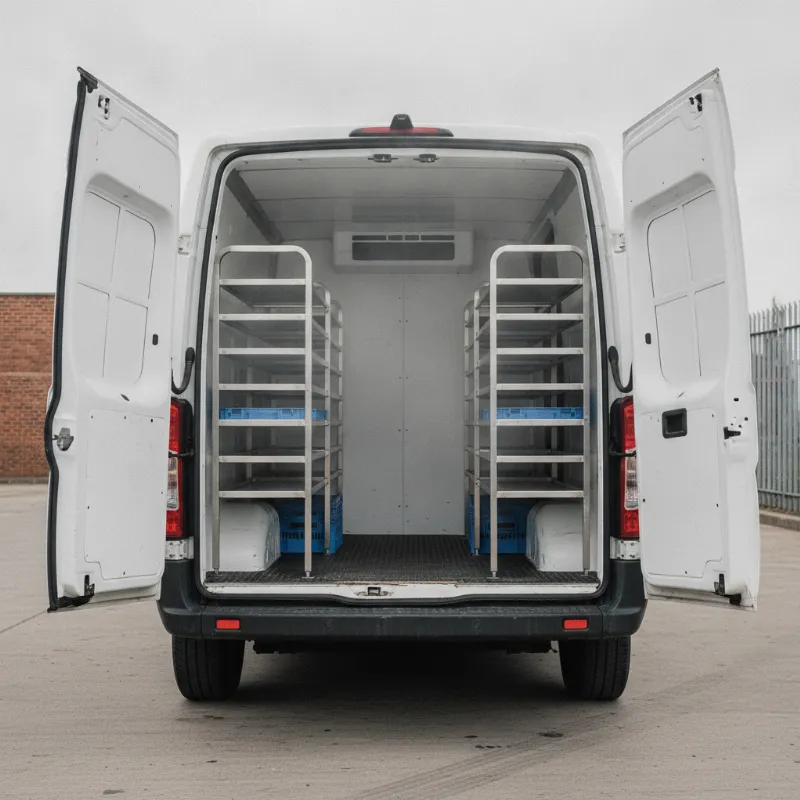
What Is a Refrigerated Van Lease?
A refrigerated van lease is a fixed-term rental agreement that gives your business the use of a temperature-controlled van in return for a set monthly payment. Rather than buying the vehicle outright and tying up capital in a depreciating asset, you pay for the use of the van over an agreed period — typically two to five years — and hand it back at the end of the contract. The van is supplied fully converted with an insulated load area and a chiller or freezer unit, ready to go straight into service delivering chilled food, frozen goods, pharmaceuticals, floral produce or any other temperature-sensitive cargo.
Leasing is particularly popular with fridge van operators because refrigerated conversions are expensive, and the technology inside the load area evolves quickly. A lease lets you spread the cost, budget predictably, and refresh your vehicle at the end of the term without worrying about resale values in a specialist second-hand market.
What Affects the Price of a Refrigerated Van Lease?
There is no single headline figure for a refrigerated van lease price — the monthly cost depends on a handful of variables that stack together to produce your final quote. Understanding these levers helps you shape a contract that matches your operational needs without paying for capacity, mileage or specification you will never use.
Van Size and Payload
The base vehicle is the biggest single influence on price. A small city-friendly fridge van built on a compact platform like a Ford Transit Connect or Volkswagen Caddy will lease for considerably less than a long-wheelbase Mercedes-Benz Sprinter or Iveco Daily fitted out as a chiller. Payload matters too: once you add insulation panels, a chiller unit and a bulkhead, useable payload drops noticeably, so many operators size up to protect their carrying capacity — and that pushes the monthly cost up.
Fridge Specification and Temperature Range
The refrigeration equipment itself often costs as much as, or more than, the base van conversion. A simple chill-only unit holding produce at around 0–5°C is the most affordable option. A deep-freeze setup running down to -25°C requires a more powerful compressor, thicker insulation and often standby electric backup, which all add to the monthly rental. Dual-compartment vans with separate chilled and frozen zones, night heaters, temperature data loggers and stand-by electric plug-in capability all push the price up further, but they are essential for certain sectors such as pharmaceutical distribution or multi-drop food service.
Contract Length and Annual Mileage
Longer contracts generally reduce the monthly figure because the depreciation is spread over more months. A four or five-year term will usually be cheaper per month than a two-year deal on the same van. Annual mileage works in the opposite direction — the more miles you declare, the higher the monthly rental, because the van will be worth less at the end of the contract. Being realistic here is important: under-declaring mileage to keep the quote low will result in excess mileage charges when you hand the van back.
Initial Rental and Deposit
Most refrigerated van leases are structured with an initial rental — often expressed as a multiple of the monthly payment, such as three, six or nine months upfront. A larger initial payment reduces the ongoing monthly cost, while a lower one keeps more cash in the business at the start of the contract. The right balance depends on your cash flow and how you want the vehicle to sit on your books.
Typical Refrigerated Van Lease Price Ranges by Van Size
While every quote is bespoke, it helps to have a rough idea of where prices tend to sit. Small car-derived fridge vans generally start in the low-to-mid hundreds of pounds per month plus VAT on a standard business contract hire deal. Mid-sized panel vans such as a Ford Transit Custom or Vauxhall Vivaro converted to chiller specification typically sit in the mid-hundreds per month, and large long-wheelbase vans with high-spec freezer conversions can run into four figures monthly, particularly with dual-compartment or standby-electric equipment.
These ranges shift with contract length, mileage, initial rental and current manufacturer support, so treat them as a guide rather than a firm quote. Vehicles with electric drivetrains, which are increasingly available in refrigerated form for urban delivery, sit at the higher end of their size bracket but can offset the extra cost through lower running costs and access to clean air zones.
Business Contract Hire vs Finance Lease for Fridge Vans
Refrigerated vans are usually funded through one of two lease structures. Business contract hire (BCH) is the most straightforward: you pay a fixed monthly amount, keep within the agreed mileage and condition standards, and hand the van back at the end of the contract with nothing more to pay. There is no risk exposure to resale values, and the rentals are typically treated as an operating expense, with VAT recoverable on the finance element for VAT-registered businesses.
A finance lease works differently. You still make monthly payments over an agreed term, but at the end of the contract you take responsibility for selling the van to a third party, usually keeping the bulk of the sale proceeds. This can suit operators who want more flexibility over the vehicle's end-of-life, who cover very high mileages that would trigger heavy excess charges under BCH, or who want the van to appear as an asset on the balance sheet. For fleets with unpredictable usage patterns, finance lease often offers a better fit; for straightforward budgeting, most operators prefer contract hire.
How to Get the Best Refrigerated Van Lease Price
The most effective way to bring your monthly cost down is to be precise about what you actually need. Specify the fridge unit to match your product — there is no point paying for a full freezer capability if you only ever carry chilled produce. Match the van size to your typical load rather than your peak day; hiring in an extra vehicle for occasional busy periods is often cheaper than upsizing the whole fleet.
Get your mileage forecast right, based on realistic route data rather than a round number. Consider a longer contract if the van will stay in stable service, and think carefully about the initial rental you can comfortably commit to. Timing matters too: manufacturer support on chassis cabs and panel vans changes quarterly, and converters sometimes have stock vehicles already built to popular specifications that lease more keenly than a bespoke factory order. Finally, make sure the quote includes everything you need — maintenance packages, tyres, breakdown cover and fridge servicing can all be bundled in, which is usually cheaper than arranging them separately.
Get a Tailored Refrigerated Van Lease Quote
Because refrigerated van lease prices depend so heavily on specification, mileage and contract structure, the only way to know what your business will really pay is to get a tailored quote. Share your route profile, the temperature range you need to maintain, the load volume you carry and how long you want the van on fleet, and we can put together options across contract hire and finance lease from a range of manufacturers and converters. From there, you can compare monthly costs side by side and pick the package that gives you the right vehicle at a price that works for your business.
FAQs
How much does it cost to lease a refrigerated van in the UK?
Refrigerated van lease prices in the UK vary widely depending on van size, fridge specification, contract length, annual mileage and initial rental. Small car-derived fridge vans typically start in the low-to-mid hundreds of pounds per month plus VAT, mid-sized panel van conversions sit in the mid-hundreds, and large long-wheelbase freezer vans with high-end specification can run into four figures monthly. The only reliable way to establish your price is to request a tailored quote based on your exact requirements.
Is it cheaper to lease or buy a refrigerated van?
Leasing usually has a lower upfront cost and predictable monthly payments, which protects cash flow and removes exposure to resale values in a specialist market. Buying outright can work out cheaper over the very long term if you keep the van for many years, but refrigerated vans depreciate heavily and fridge units need updating, so most operators find leasing the more cost-effective route over a typical fleet cycle.
Can I lease a refrigerated van with a freezer specification?
Yes. Freezer-spec refrigerated vans capable of maintaining temperatures down to -25°C are widely available on lease, either as single-compartment freezers or as dual-compartment vans with separate chilled and frozen zones. The monthly cost is higher than a chill-only van because the refrigeration unit, insulation and often a standby electric plug-in facility are more expensive to specify.
What contract lengths are available on a refrigerated van lease?
Refrigerated van leases are typically offered over two, three, four or five years. Longer contracts generally result in a lower monthly payment because depreciation is spread over more months, but you should match the term to how long you realistically want to keep the vehicle in service before refreshing your fleet.
Does the lease price include servicing and fridge maintenance?
It can do, but it is not automatic. Most lease providers offer optional maintenance packages that cover routine servicing, tyres, MOTs and fridge unit servicing for a small additional monthly cost. Bundling maintenance into the lease is usually cheaper than arranging it separately and makes budgeting simpler, so it is worth asking for quotes both with and without a maintenance package.