Finance available on every van →
Towed trailers serve as a practical extension to your commercial fleet by increasing overall payload capacity without upgrading to a larger vehicle. Choosing the right equipment requires a clear understanding of your current van's towing capabilities and the specific legal regulations governing road use in the United Kingdom.

Understanding Towing Capacities and Power Units
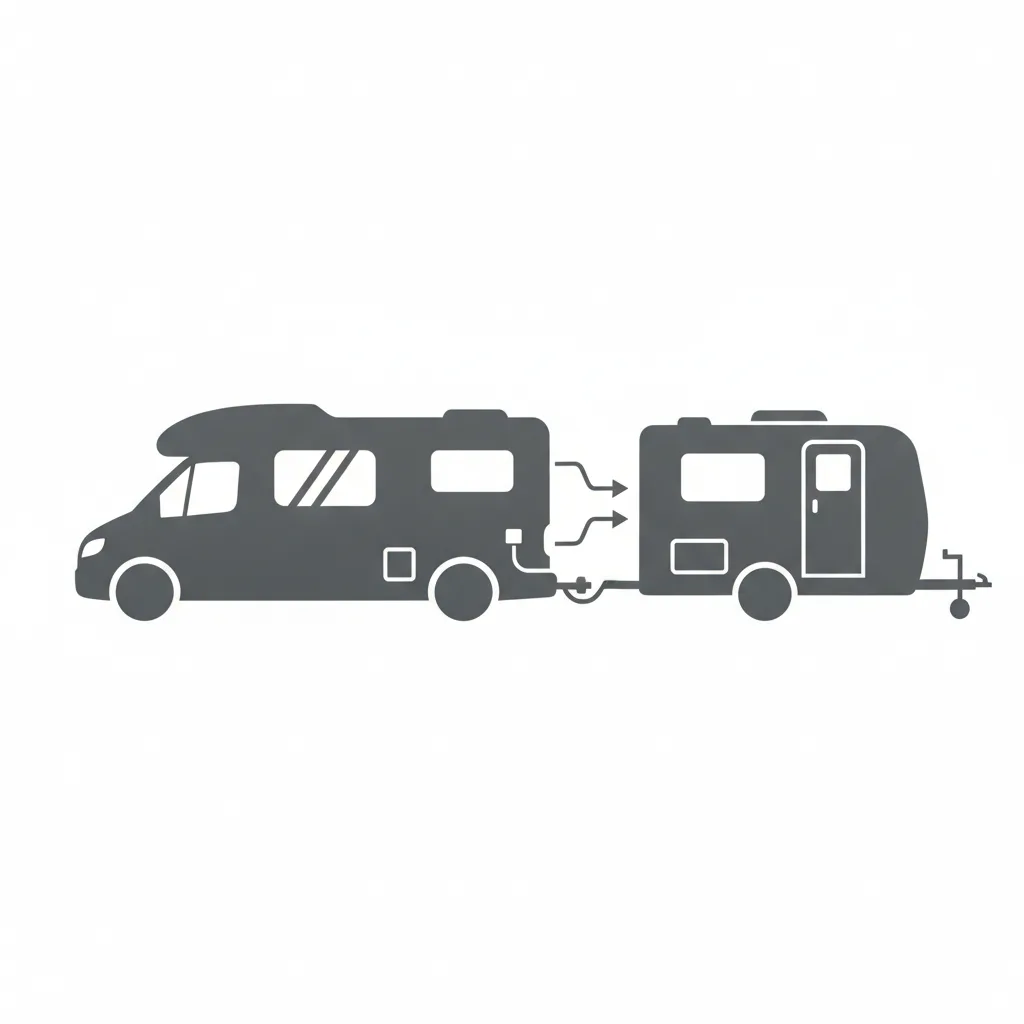
A trailer must always be matched to the specific towing capacity of the towing vehicle, as defined by the manufacturer's gross train weight. It is important to note that electric vans often have different towing profiles compared to their diesel counterparts, with battery weight and regenerative braking systems impacting the maximum load they can safely pull. Always consult your vehicle handbook to identify the maximum braked and unbraked towing limits before pairing your van with a trailer.
Legal Considerations and O-Licensing
Operating a commercial vehicle and trailer combination often brings additional scrutiny regarding your Operator Licence obligations. In the UK, the combined weight of your van and trailer can shift your vehicle into a different classification, potentially impacting tachograph requirements and driver licensing mandates. Ensure you have the necessary documentation and licence entitlements for the total combined weight of your vehicle and trailer, as exceeding these limits can lead to significant regulatory penalties.
Maintenance and Operational Compliance
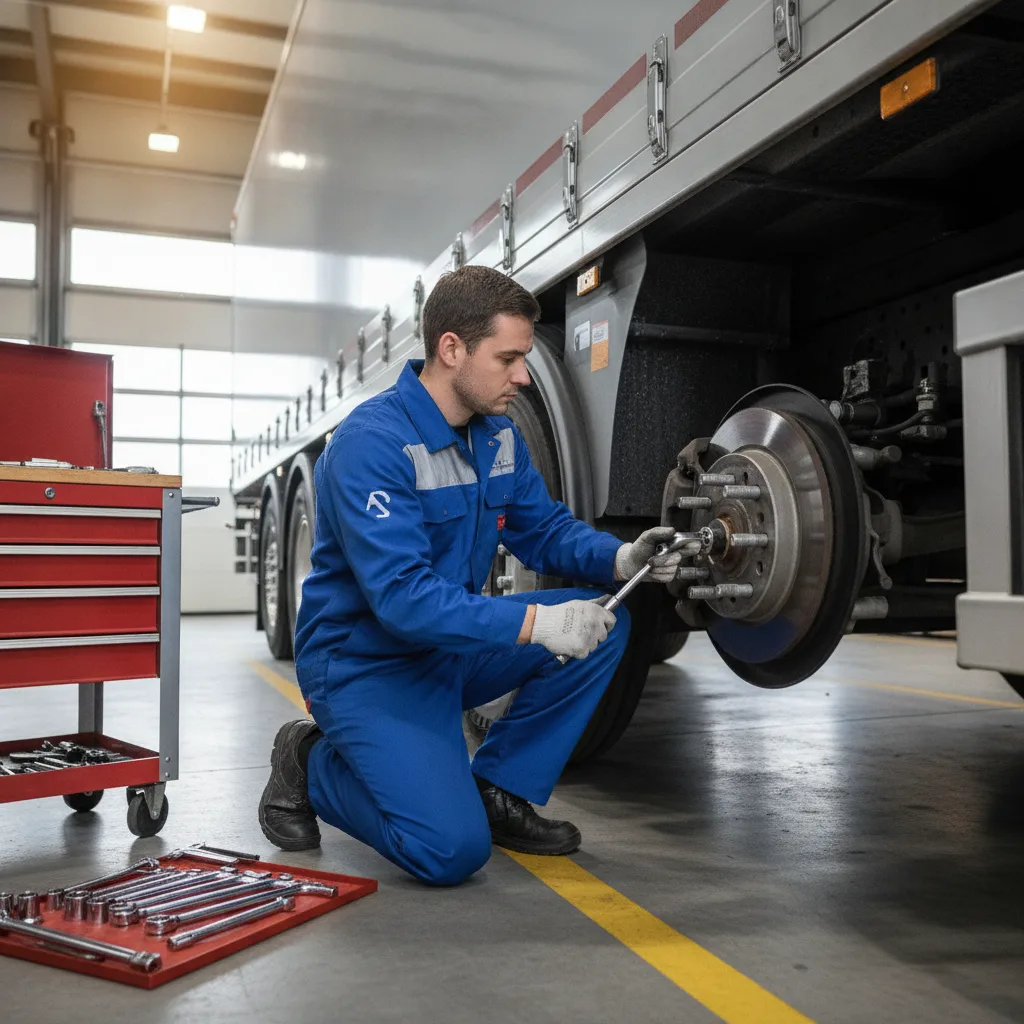
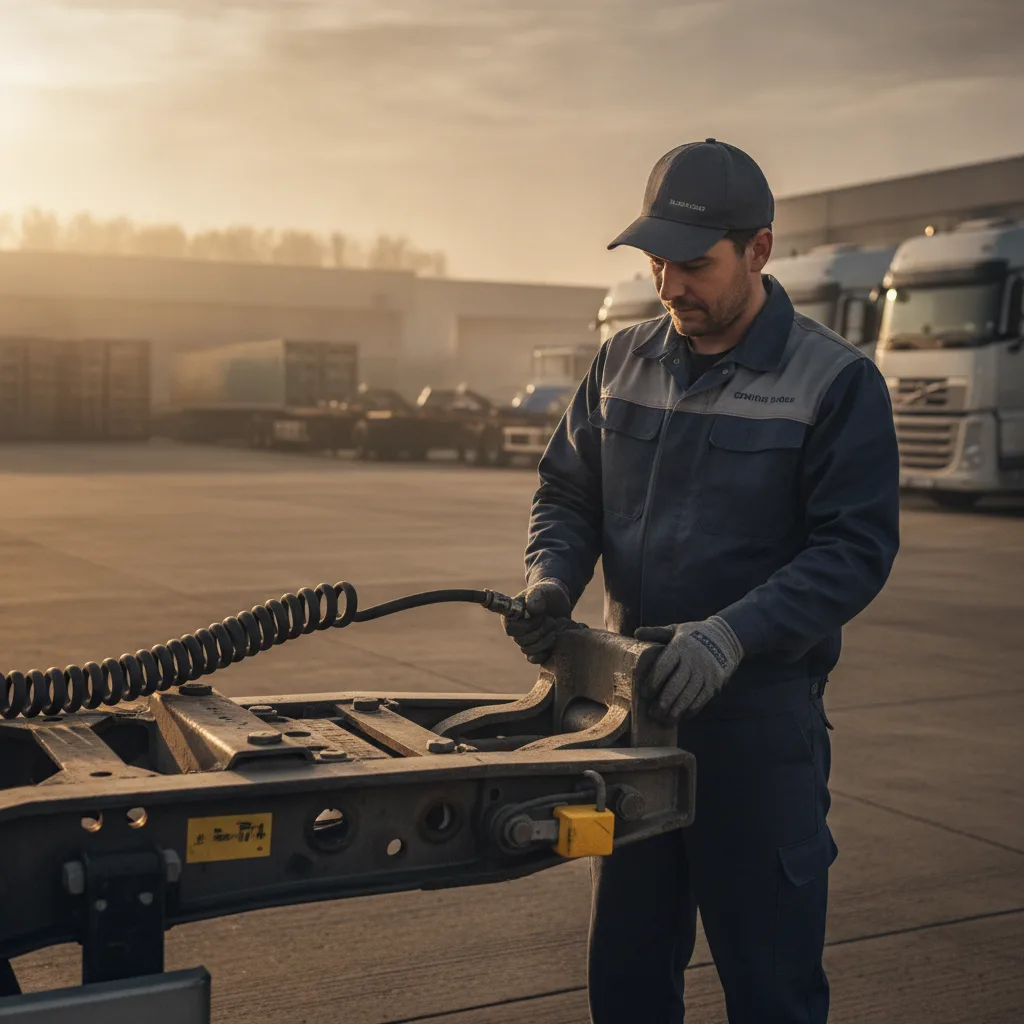
Safety on the road depends on the rigorous maintenance of both the towing vehicle and the trailer itself. You are legally responsible for ensuring that the chassis, braking systems, lighting, and coupling mechanisms are fully functional and compliant with UK road safety standards. Regular inspections of tyres and safety break-away cables are essential to maintain operational reliability and to ensure your business remains compliant with current road traffic legislation.