
Finance available on every van →
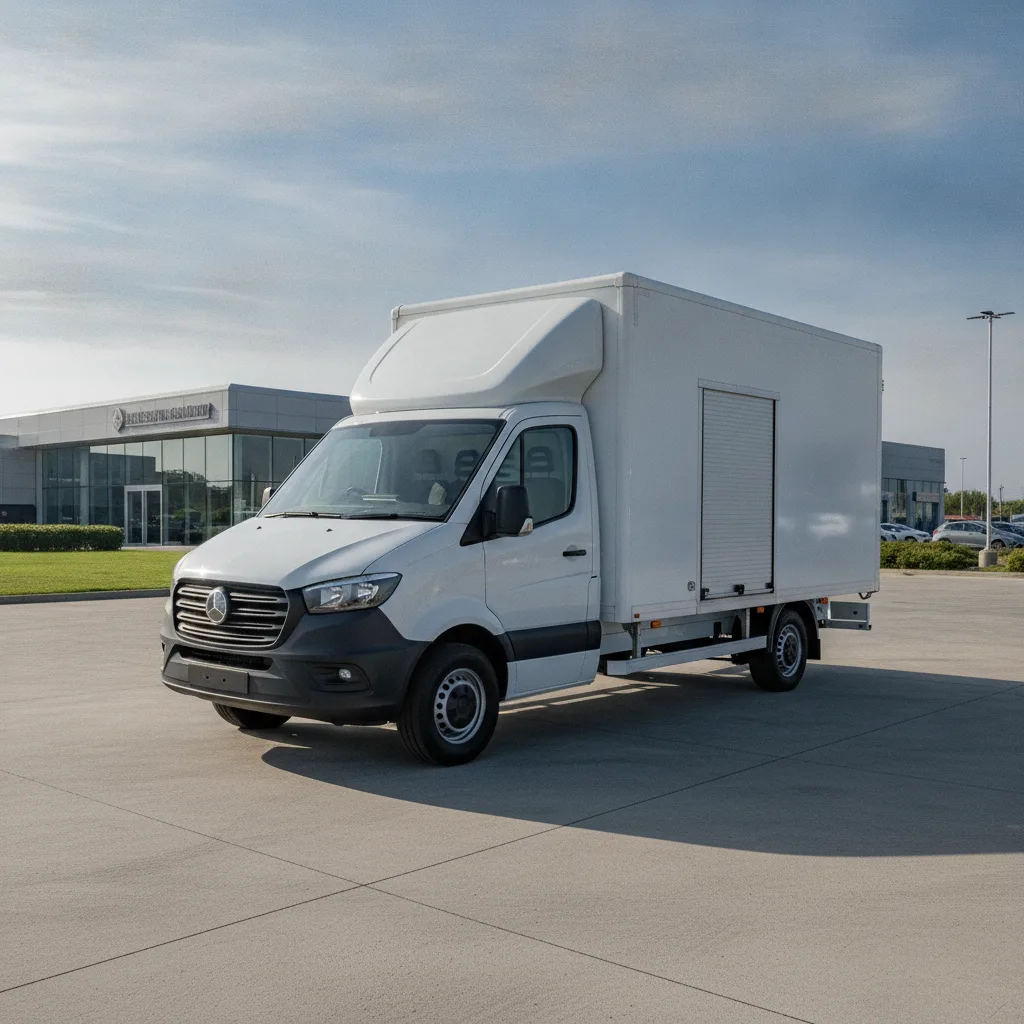
Luton vans are a common choice for businesses requiring significant load space for bulky or lightweight items. Understanding the weight capacities of these vehicles is essential for ensuring your operations remain compliant with UK road regulations.
Payload and Gross Vehicle Weight
The gross vehicle weight of a Luton van includes the weight of the vehicle itself, any fuel, occupants, and the cargo being transported. It is vital to check the manufacturer's plate to identify the maximum authorised mass, as exceeding this limit is illegal and impacts vehicle safety.
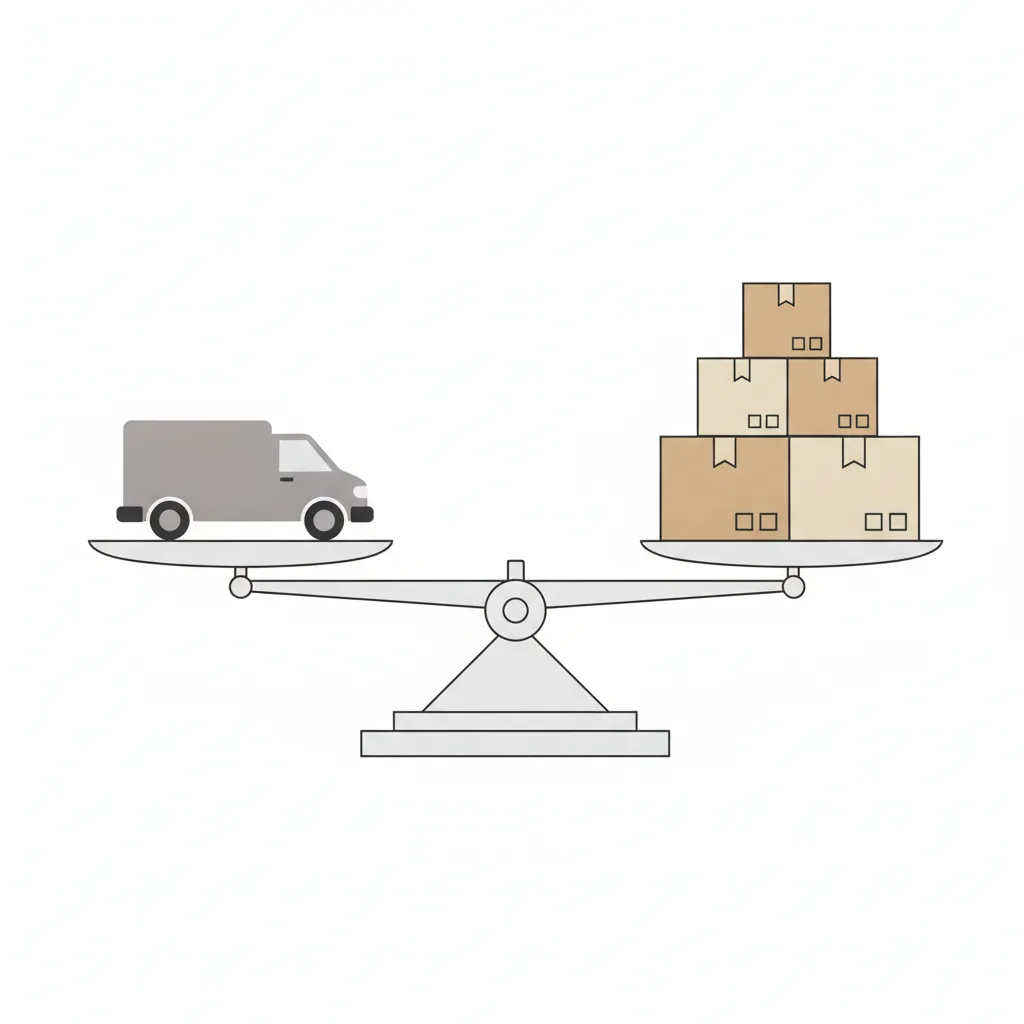
Payload capacity is the difference between the gross vehicle weight and the kerb weight of the empty van. Because Luton bodies are often larger than standard panel vans, they can be heavier, which may reduce the total weight available for your cargo.
Driving License Requirements
Most standard Luton vans are rated at 3.5 tonnes gross vehicle weight, which means they can be driven on a standard category B driving license. These vehicles are popular for removals, courier work, and logistics where large volume is more important than heavy weight capacity.

If you choose a larger vehicle exceeding 3.5 tonnes, you will require a different license category. Ensure you verify the weight of the specific model you intend to drive to confirm it aligns with your license entitlement.
Choosing the Right Luton Specification
When selecting a Luton van, consider the frequency and nature of the loads you intend to carry. Options such as tail lifts provide convenience for loading heavy items but will add to the unladen weight of the vehicle, thereby reducing your total payload allowance.
You should also consider the internal dimensions and construction materials of the body, as these influence the kerb weight. Selecting a specification that matches your regular transport tasks helps maintain vehicle efficiency and compliance throughout its working life.