How to Change the Slave Cylinder on a Vauxhall Movano: Step-by-Step Guide
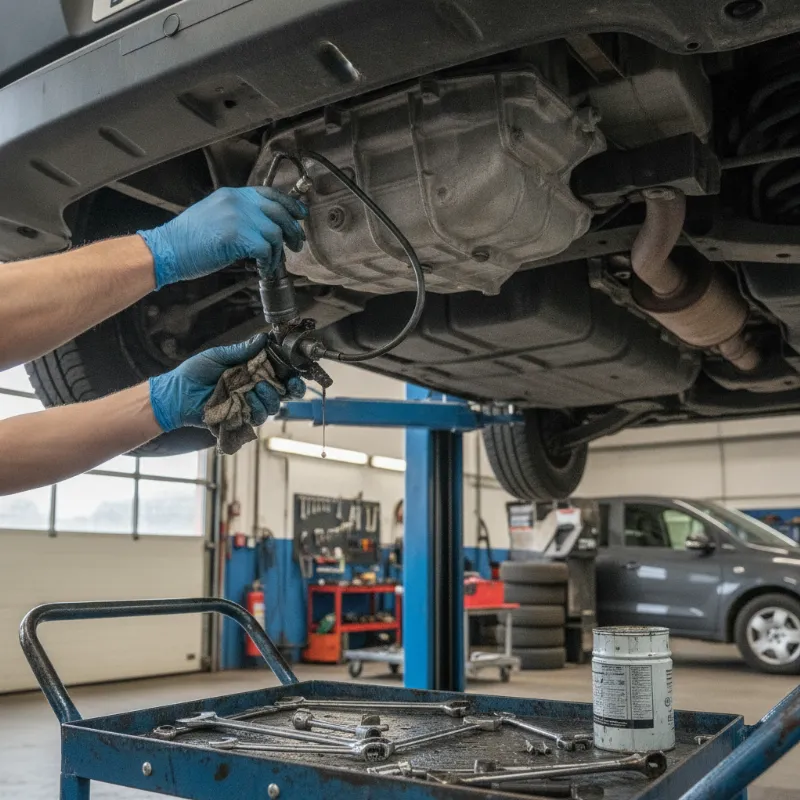
What the slave cylinder does on a Vauxhall Movano
The clutch slave cylinder is a small but vital hydraulic component on your Vauxhall Movano. When you press the clutch pedal, hydraulic fluid is pushed from the master cylinder down through the clutch line to the slave cylinder, which in turn actuates the release fork or concentric bearing. This disengages the clutch so you can change gear smoothly.
On the Movano, depending on the model year and engine variant, you'll either find an external slave cylinder bolted to the outside of the gearbox bell housing, or a concentric slave cylinder (CSC) mounted internally around the input shaft. External units are far easier to replace at home; internal CSCs require gearbox removal, which is a much bigger job.
Signs your Movano slave cylinder needs replacing
A failing slave cylinder rarely goes without warning. The most common symptom is a spongy or soft clutch pedal that no longer springs back with its usual firmness. You may also notice the pedal sticking to the floor, difficulty selecting gears (especially first and reverse), or a complete loss of clutch function.
Visually, look for signs of hydraulic fluid leaking around the bell housing area or dripping onto the ground beneath the transmission. A dropping brake and clutch fluid reservoir level with no obvious brake leak is another strong clue. Grinding gears, clutch drag, and a sudden change in the biting point all point towards hydraulic failure rather than a worn clutch friction plate.
Tools and parts you'll need
Before you start, gather everything you need so you're not stuck halfway through the job. You'll want a new slave cylinder specifically matched to your Movano's engine and gearbox (check your VIN with a parts supplier to be sure), fresh DOT 4 brake and clutch fluid, and a clutch line clamp or fluid catch tray.
Tool-wise, you'll need a socket set (typically 10mm, 13mm and 15mm), a set of spanners, a flare-nut spanner for the hydraulic pipe union, axle stands and a trolley jack, wheel chocks, penetrating oil, brake cleaner, clean rags, and either a one-person bleed kit or a helper to pump the clutch pedal. Safety glasses and nitrile gloves are essential — brake fluid is corrosive to paintwork and skin.
Step-by-step: how to change the slave cylinder on a Vauxhall Movano
The following steps cover the external slave cylinder found on most Movano models. If you have an internal concentric unit, the gearbox will need to come out, and that job is genuinely best left to a workshop with a transmission jack. Work methodically, take photos as you go, and never rush hydraulic work.
Preparing the van and accessing the gearbox area
Park the Movano on level ground, apply the handbrake firmly, and chock the rear wheels. Loosen the front wheel nuts, then jack the front of the van up and support it securely on axle stands rated for its weight — never rely on the jack alone. Disconnect the battery negative terminal as a precaution.
Slide underneath and locate the gearbox bell housing on the driver's side. You should be able to see the slave cylinder bolted to the outside, with a hydraulic pipe running into it from the master cylinder. Give everything a good spray with penetrating oil and leave it to soak for ten minutes. Place a catch tray beneath the work area to collect any fluid spills.
Removing the old slave cylinder
Clean the area around the hydraulic union with brake cleaner to prevent dirt entering the system. Using a flare-nut spanner, carefully crack open the hydraulic pipe union — expect a small amount of fluid to weep out. Once loose, unscrew it fully and move the pipe clear, catching the fluid in your tray.
Next, undo the two mounting bolts securing the slave cylinder to the bell housing. Support the cylinder as you remove the last bolt so it doesn't drop. Slide it off the pushrod and inspect the release fork and pivot for excessive wear while you have access. Wipe the mounting face clean of any old fluid or debris.
Fitting the new slave cylinder
Compare the new slave cylinder to the old one side by side — check bore size, pushrod length, mounting hole spacing and pipe union thread. Lightly grease the tip of the pushrod where it contacts the release fork. Offer the new cylinder up to the bell housing, making sure the pushrod is correctly seated against the fork, and start both mounting bolts by hand to avoid cross-threading.
Tighten the mounting bolts evenly to the manufacturer's torque specification (typically around 20–25 Nm, but check your workshop manual). Reconnect the hydraulic pipe, again starting the union by hand before nipping it up with the flare-nut spanner. Don't overtighten — the union only needs to be snug enough to seal.
Bleeding the clutch hydraulic system
Top up the clutch fluid reservoir with fresh DOT 4 fluid. Locate the bleed nipple on the new slave cylinder and attach a length of clear tubing running into a jar with a little fresh fluid in the bottom. Have a helper slowly pump the clutch pedal five or six times and hold it down, then crack the bleed nipple open to release air and old fluid. Close the nipple before the pedal is released, and repeat.
Continue until only clean, bubble-free fluid emerges and the pedal feels firm. Keep an eye on the reservoir throughout — if it runs dry you'll suck air back into the system and have to start again. Once bled, tighten the bleed nipple, top up the reservoir to the maximum mark, and test the clutch pedal feel. Refit the wheel, lower the van, and take it for a careful test drive through all gears.
Common mistakes to avoid
The biggest mistake DIYers make is letting the reservoir run dry mid-bleed, which introduces air and doubles your workload. Another is spilling brake fluid on painted surfaces — it strips paint on contact, so wipe up any splashes immediately with water. Never reuse old hydraulic fluid, and don't be tempted to fit a cheap, unbranded slave cylinder to save a few pounds; the seals often fail within months.
Also watch out for cross-threading the hydraulic pipe union, over-torquing the mounting bolts (which can crack the alloy body of the new cylinder), and forgetting to check the release fork for wear while you have access. A worn fork will make short work of a brand new slave cylinder.
When to call a professional mechanic
If your Movano has an internal concentric slave cylinder, the gearbox has to come out to reach it — a job that involves supporting the engine, disconnecting driveshafts, and safely lowering a heavy transmission. Without a two-post lift, a transmission jack and some experience, this is not a driveway repair.
Equally, if you've bled the system multiple times and still have a spongy pedal, or the pedal goes to the floor and stays there, there may be an issue with the master cylinder, the clutch line, or air trapped high in the system that needs professional bleeding equipment. A garage with a pressure bleeder can often clear stubborn air in minutes.
Is it worth repairing or upgrading your Movano?
For a Movano that's otherwise in good mechanical order with reasonable mileage on the clutch, replacing an external slave cylinder is a straightforward and cost-effective repair that will keep the van earning for years. Parts are inexpensive, and a couple of hours' work restores full clutch function.
However, if the clutch itself is nearing the end of its life, or you're facing a gearbox-out job to reach an internal CSC, it makes financial sense to replace the clutch kit, dual mass flywheel (if fitted) and slave cylinder all at the same time. On higher-mileage vans, weigh the total repair cost against the van's market value — sometimes upgrading to a newer, lower-mileage Movano is the smarter long-term move for your business.
FAQs
How do you change the clutch slave cylinder on a Vauxhall Movano?
On most Movano models the slave cylinder is bolted externally to the gearbox bell housing. Chock the wheels, jack the van up and support it on axle stands, disconnect the hydraulic pipe using a flare-nut spanner, unbolt the cylinder, fit the new unit with the pushrod correctly seated against the release fork, reconnect the pipe, then bleed the clutch hydraulic system with fresh DOT 4 fluid until the pedal feels firm. If your Movano has an internal concentric slave cylinder, the gearbox must be removed, which is generally a professional job.
How long does it take to replace a Movano slave cylinder?
For an external slave cylinder, a competent home mechanic should allow around 2 to 3 hours including bleeding the system. An internal concentric slave cylinder requires gearbox removal and typically takes a workshop between 6 and 8 hours.
How much does it cost to replace a clutch slave cylinder on a Vauxhall Movano?
A quality external slave cylinder typically costs between £30 and £80 in parts, plus a bottle of DOT 4 fluid. Garage labour usually adds £100 to £200 for an external unit. If it's an internal concentric cylinder requiring gearbox removal, expect the total bill to be several hundred pounds, and it's usually worth replacing the clutch kit at the same time.
Can you drive a Movano with a failing slave cylinder?
You shouldn't. A failing slave cylinder can leave you unable to select gears at any moment, which is dangerous in traffic and could leave you stranded. If the pedal is going soft or sticking to the floor, park the van and arrange a repair before driving further.
Do I need to bleed the clutch after fitting a new slave cylinder?
Yes, absolutely. Any time the hydraulic system is opened, air enters the lines and must be bled out. Without proper bleeding, the clutch pedal will feel spongy, the biting point will be inconsistent, and the clutch may not disengage fully, causing gear selection problems and premature wear.