What Size Tyres Does a Peugeot Expert Need? A Complete Guide
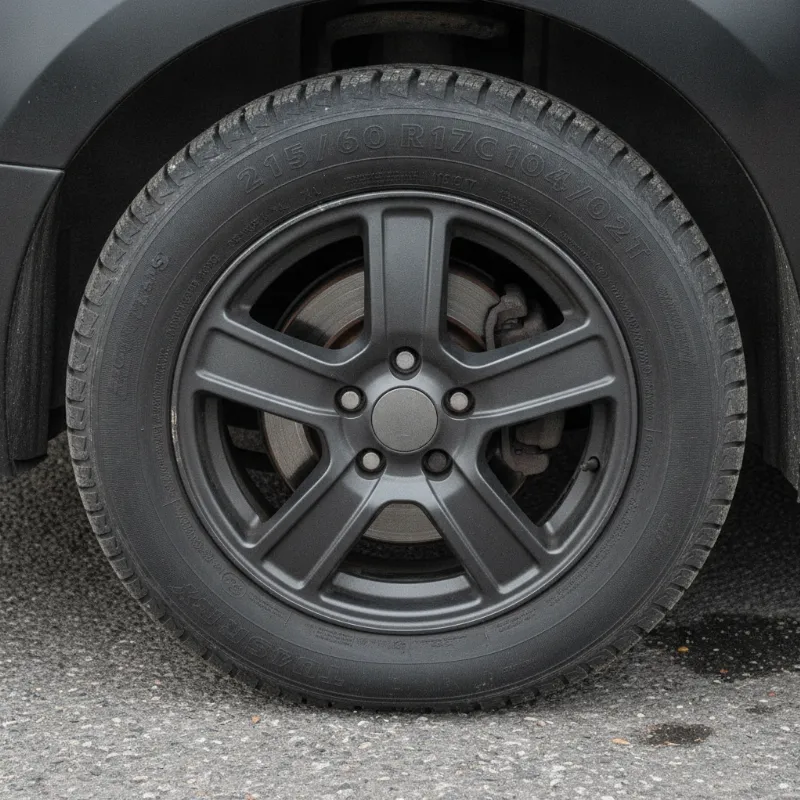
The Peugeot Expert is one of the UK's most popular medium panel vans, valued by tradespeople and fleet operators for its practicality, payload and refined driving manners. But like any working van, it relies on the right rubber to keep it safe, efficient and legal. If you're preparing for an MOT, planning a set of replacements or simply want to double-check what's fitted to your Expert, this guide walks you through everything you need to know about tyre sizes, load ratings, pressures and seasonal choices.
Standard Tyre Sizes for the Peugeot Expert
Peugeot has offered the Expert in several body lengths and specifications over the years, and the tyre size can vary depending on the model year, wheel diameter and trim level. Most third-generation Experts (from 2016 onwards) are fitted with 16-inch or 17-inch wheels as standard, with a small number of higher-spec models running 17-inch alloys. Earlier second-generation Experts (2007–2016) typically ran on 16-inch steel wheels. It's always worth confirming the exact fitment before ordering, because even within the same model year Peugeot has used more than one size.
Peugeot Expert Compact / Standard Panel Van
The Compact and Standard wheelbase Expert panel vans are usually fitted with 215/65 R16 tyres as the most common OE size. This fitment offers a good balance of ride comfort, load capacity and rolling efficiency, and is widely available from all major tyre brands. Some Standard variants with the optional larger wheel package will run 215/60 R17 tyres instead, which give a slightly firmer ride but sharper steering response.
Peugeot Expert Long Wheelbase & Crew Van
The Long wheelbase Expert and the Crew Van variants tend to carry heavier payloads, so Peugeot generally specifies a tyre with a higher load capacity. The most common fitment is 215/60 R17, although 215/65 R16 is also used on some LWB models. Crew Vans, which carry passengers as well as cargo, often require reinforced tyres marked "C" (commercial) or "XL" (extra load) to cope with the combined weight of people, tools and materials.
How to Find the Correct Tyre Size for Your Peugeot Expert
Because there is variation across model years, engine options and trim levels, the safest approach is always to check what's fitted to your specific van rather than relying on a generic size chart. There are two reliable places to look: the tyre itself and the manufacturer's placard on the vehicle.
Checking the Sidewall Markings
Every tyre has its size moulded into the sidewall in a standard format, for example 215/65 R16 106T. The first number (215) is the tyre width in millimetres. The second (65) is the aspect ratio – the sidewall height as a percentage of the width. The "R" stands for radial construction, and 16 is the wheel diameter in inches. The final numbers and letter refer to the load index and speed rating, which we'll cover further down. Checking all four tyres is worthwhile, as a previous owner may have fitted mismatched sizes.
Reading the Vehicle Placard and V5C
Peugeot fits a tyre information placard to every Expert, usually located on the B-pillar behind the driver's door or inside the fuel filler flap. This sticker lists the factory-approved tyre sizes and the recommended inflation pressures for both unladen and fully laden use. If the placard is damaged or unreadable, the owner's handbook contains the same information. Your V5C logbook does not usually specify tyre sizes, but it will confirm the exact model variant, which helps when cross-referencing with Peugeot's official data.
Load Index and Speed Rating Explained
For a working van, the load index and speed rating are just as important as the physical size. The load index is a number (typically between 102 and 116 for the Expert) that corresponds to the maximum weight each tyre can safely carry. A load index of 106, for example, equates to 950kg per tyre. Fitting a tyre with a lower load index than the OE specification is both dangerous and illegal for a commercial vehicle, so always match or exceed the manufacturer's rating.
The speed rating is the letter that follows the load index. "T" allows up to 118mph and "H" up to 130mph – both comfortably above the Expert's real-world speed capability, but the rating must still meet or exceed the original specification. Van-specific tyres marked with a "C" after the size (for instance 215/65 R16C) are commercial tyres reinforced to carry higher loads at sustained speeds, and these are the correct choice for most Expert owners.
Recommended Tyre Pressures for the Peugeot Expert
Correct tyre pressures are critical for fuel economy, tyre wear, handling and safety – particularly on a van where the load can change dramatically from day to day. For most Peugeot Expert models, the recommended pressures are around 2.5 bar (36 psi) at the front and 2.9 bar (42 psi) at the rear when running unladen or lightly loaded. When fully laden, the rear pressure typically rises to around 3.5 bar (51 psi) to support the extra weight over the rear axle.
These figures are guidelines only – always defer to the placard fitted to your specific van, as pressures can vary by model year and tyre size. Check pressures cold at least once a fortnight, and adjust them to suit your load. Underinflated van tyres wear rapidly on the shoulders, generate excess heat and can fail catastrophically under heavy load.
Choosing Between Summer, Winter and All-Season Tyres
Most Peugeot Experts leave the factory on summer or all-season commercial tyres, and for the majority of UK drivers a good-quality all-season van tyre is the most practical choice. All-season tyres carrying the 3PMSF (three-peak mountain snowflake) marking offer genuine cold-weather grip without the compromises of a dedicated winter tyre in summer.
If your Expert operates in rural areas, at altitude or across Scotland and the north of England through winter, a set of dedicated winter tyres on separate rims can be worthwhile – they transform grip below 7°C and can be swapped back in spring. Summer tyres, meanwhile, offer the sharpest dry handling and lowest rolling resistance, making them the best choice for high-mileage motorway drivers who put the van away in bad weather. Whichever type you choose, always fit four matching tyres to keep handling predictable when carrying a load.
When to Replace Your Peugeot Expert Tyres
The legal minimum tread depth for van tyres in the UK is 1.6mm across the central three-quarters of the tread, around the entire circumference. In practice, grip and wet-weather performance drop off well before that point, and most tyre specialists recommend replacement at around 3mm – especially on a heavily loaded van where stopping distances matter. Inspect your tyres regularly for uneven wear, sidewall cracks, bulges and embedded objects, and don't ignore the age of the rubber: even a tyre with plenty of tread should be replaced after around six to ten years, as the compound hardens and loses grip.
Because the Expert is often used for commercial work, a tyre failure means downtime and lost income. Fitting a full set of four correctly sized, correctly rated tyres from a reputable brand is one of the best value investments you can make in your van. If in doubt about which size, load index or speed rating your Expert requires, take the vehicle to a Peugeot specialist or a commercial tyre centre and let them confirm the fitment from the placard before ordering.
FAQs
What size tyres does a Peugeot Expert van take?
Most Peugeot Expert vans are fitted with either 215/65 R16 or 215/60 R17 tyres as standard, depending on the wheelbase, trim level and wheel size. Compact and Standard panel vans typically run 215/65 R16, while Long wheelbase and Crew Van models often use 215/60 R17. Always check the placard on the B-pillar or inside the fuel filler flap to confirm the exact size for your specific van.
Do I need commercial (C-rated) tyres on my Peugeot Expert?
Yes, in almost all cases. The Expert is classed as a light commercial vehicle and its tyres need to carry heavier loads than a passenger car. Look for a "C" after the size marking (for example 215/65 R16C) or a load index that matches or exceeds the original fitment. Using standard car tyres on a working van is unsafe and can invalidate your insurance.
What is the correct tyre pressure for a Peugeot Expert?
Typical pressures are around 2.5 bar (36 psi) at the front and 2.9 bar (42 psi) at the rear when unladen, rising to around 3.5 bar (51 psi) at the rear when fully loaded. Exact figures vary by model year and tyre size, so always check the placard fitted to your van. Check pressures cold at least every two weeks and adjust for the load you're carrying.
Can I fit different sized tyres to my Peugeot Expert?
You should only fit tyres in a size, load index and speed rating approved by Peugeot for your specific model. Fitting a different size can affect speedometer accuracy, ABS and stability control operation, handling under load and, in the case of a lower load index, safety. If you want to change to a different wheel size, make sure the overall rolling diameter and load rating remain within the manufacturer's approved specifications.
How often should Peugeot Expert tyres be replaced?
There's no fixed mileage, as it depends on your driving style, loads and road conditions, but most van tyres last between 20,000 and 40,000 miles. Replace them before the tread drops below 3mm for best safety, and always before the legal minimum of 1.6mm. Also replace any tyre showing sidewall damage, bulges or cracking, and consider changing tyres that are more than six to ten years old regardless of tread depth.