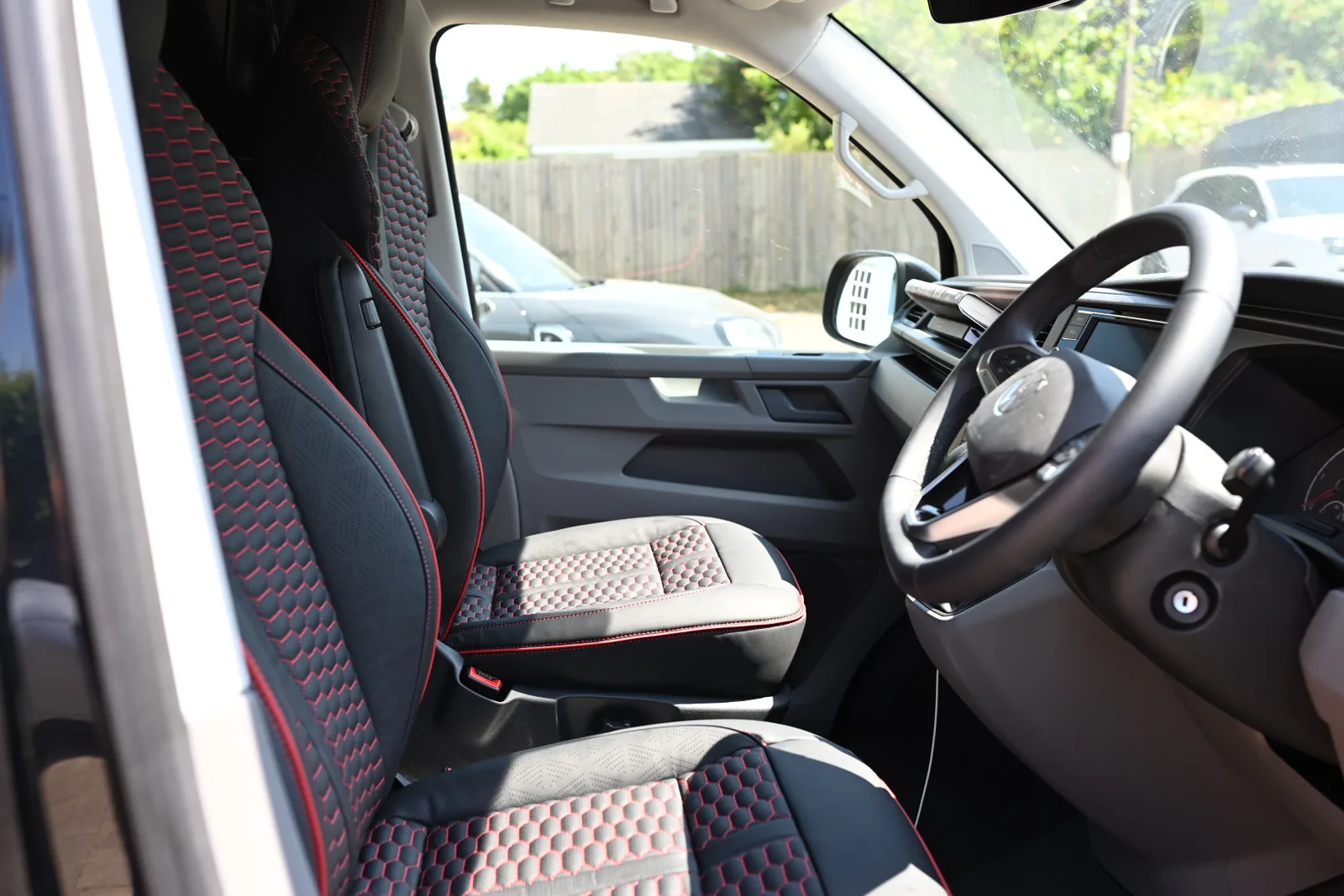
A Guide to VW LT Vans: History and Capability
The Evolution of the VW LT Range
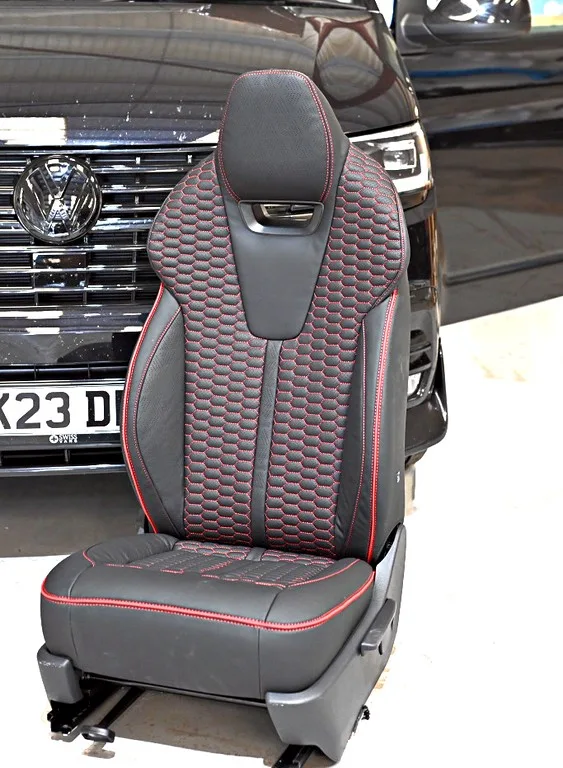
The VW LT range served as Volkswagen’s heavy-duty flagship from 1975 until 2006, establishing a reputation for immense durability that shaped the UK commercial vehicle market. Originally developed as the 'Lasten-Transporter', these robust workhorses evolved through two distinct generations before eventually being succeeded by the Crafter, leaving a legacy of reliability still respected by trade professionals today.
Why the VW LT Remains a Popular Choice
Many owner-operators still prefer the LT for its straightforward mechanical design and proven longevity in demanding conditions. Its reputation for being over-engineered makes it a favourite for conversion projects and heavy haulage. Those who appreciate the heritage of these vehicles often explore our range of VW Sportline models to find a balance between classic utility and modern style.
Key Features and Technical Specifications

The LT was renowned for offering multiple wheelbase configurations and high-roof options, allowing for significant cargo volume. Whether you were using it for light logistics or as a mobile workshop, the engine options—particularly the final-generation TDI units—provided the torque required for heavy loads. For those needing something more flexible for passengers and cargo, our inventory of Volkswagen Kombi vans offers a contemporary alternative to the classic LT layout.
Buying a Used Volkswagen Van: What to Check
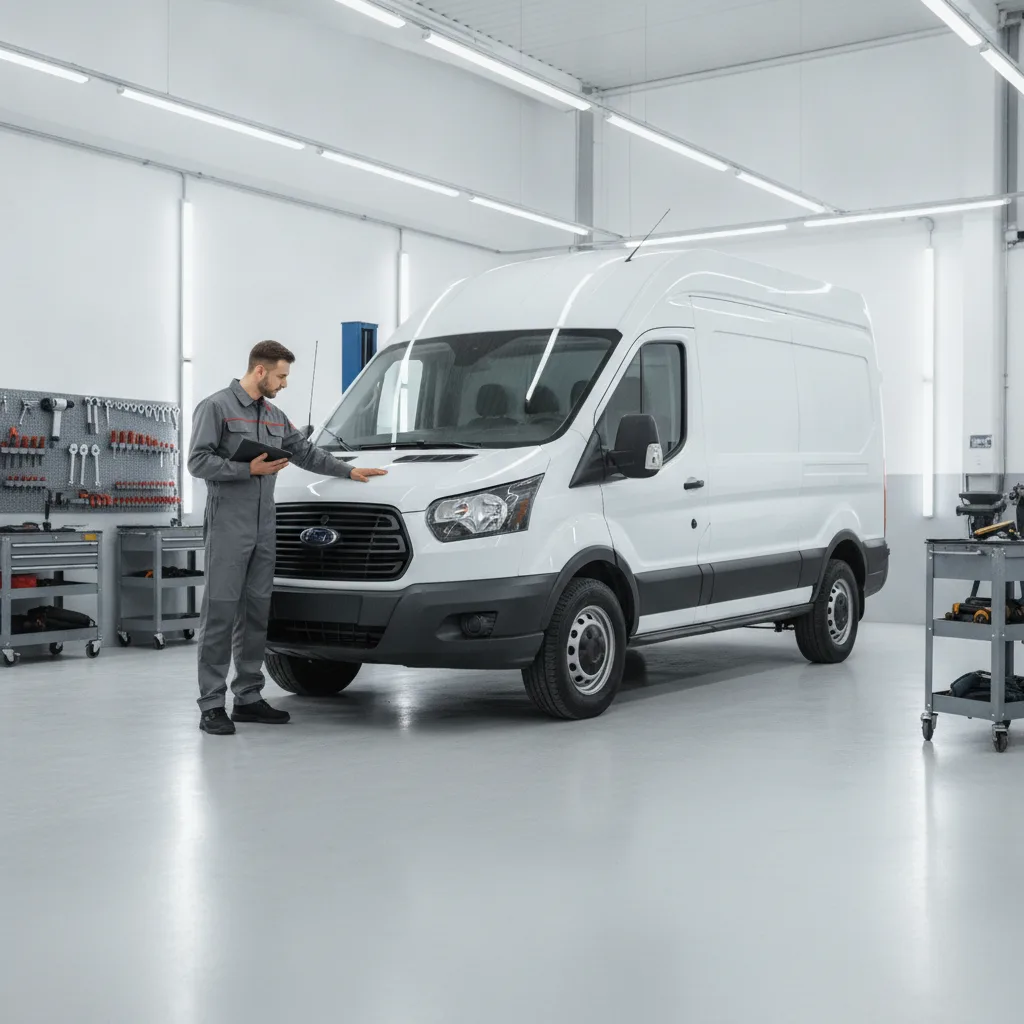
When purchasing a used vehicle of this age, focus your inspection on chassis integrity, suspension components, and evidence of consistent service history. Because these vans were designed for hard work, checking for signs of past abuse or neglect is vital. We recommend visiting a Volkswagen Van Centre to view modern equivalents if your requirements include advanced safety features and lower emissions. Always approach your purchase with a solid grasp of market values by understanding van pricing before making a final commitment.
Transitioning to Modern VW Vans
While the LT was a pioneer of its time, modern Volkswagen vans offer significantly improved fuel efficiency, driver assistance technology, and ergonomic comfort. Moving from an older platform to the current generation ensures your business benefits from the latest in automotive engineering and environmental compliance. Explore our latest stock to see how far these vehicles have come since the LT era.
FAQs
What is the history and status of the VW LT van range in the UK market?
The VW LT was Volkswagen's primary large van from 1975 to 2006. While it is no longer in production, it remains popular in the used market for its build quality and engine longevity, though it has been officially superseded by the VW Crafter.
Are VW LT vans still reliable for daily work?
If properly maintained, the mechanical components of the LT are highly reliable. However, as these vehicles are now older, you must be prepared for potential maintenance requirements related to rust and general wear and tear.
What should I look for when buying a high-mileage VW van?
Always check for a complete service history, signs of rust on the chassis and wheel arches, and any irregular noises from the engine or gearbox during a test drive.
Why did Volkswagen stop making the LT?
Volkswagen replaced the LT with the Crafter in 2006 as part of a joint venture and a desire to update their large van offering with modern technology, improved safety systems, and better fuel economy.