Volkswagen Crafter Leasing Guide: Everything You Need to Know
Volkswagen Crafter Leasing Guide: Everything You Need to Know
Leasing a Volkswagen Crafter allows businesses to manage cash flow while operating a high-specification commercial vehicle. By choosing a lease, your business avoids the depreciation risks associated with vehicle ownership, allowing you to allocate capital elsewhere. This guide outlines the essential requirements and considerations for securing a business lease for the Crafter, ensuring you are prepared for the application process.
Why Choose Volkswagen Crafter Leasing for Your Business?

The Volkswagen Crafter is engineered for intensive daily use, featuring driver assistance technology and efficient powertrains that support productivity. For businesses with specific operational needs, such as mobile workshops or delivery services, the Crafter provides a stable and reliable platform. Professional racking solutions are often compatible with the Crafter's load space, helping your team maintain organisation and maximise internal volume for logistical tasks.
Understanding Your Finance Options
To lease a commercial vehicle, your business must demonstrate financial stability. Finance providers typically require basic company documentation, including your company registration number, VAT registration details, and recent proof of trading. A credit check is a mandatory part of the application, used to assess the affordability of the agreement. As a member of the BVRLA (British Vehicle Rental and Leasing Association), we ensure our leasing practices adhere to industry standards, offering you transparency throughout your contract term.
VW Crafter Dimensions: Choosing the Right Size for Your Needs
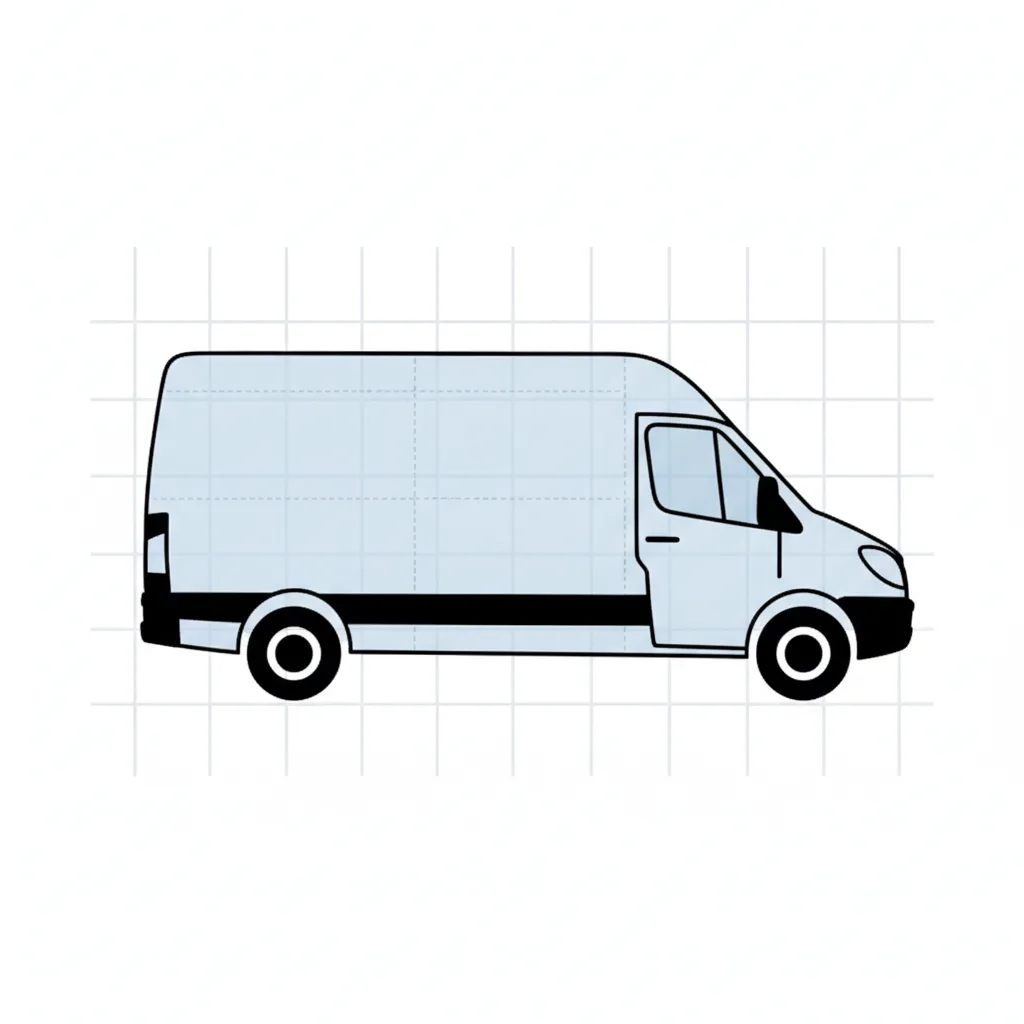
The Crafter is available in several configurations to suit different industry requirements. Whether you require a standard panel van or a model configured for passenger transport, it is essential to calculate your anticipated payload and total storage volume requirements before signing an agreement. Selecting the incorrect size can lead to operational inefficiency, so we recommend reviewing the manufacturer's technical specifications for your specific load-bearing needs.
Volkswagen Crafter LWB Dimensions Explained
The Long Wheelbase (LWB) model provides the maximum cargo length available in the range, which is often required for haulage or the transport of long equipment. When evaluating the LWB, consider both the external footprint for parking accessibility and the internal load length to ensure it fits your specific cargo. Understanding these physical dimensions is a crucial step in ensuring the van you lease is fit for your daily business operations.
Common Uses: From Commercial Transport to Camper Conversions
The Crafter's flexible chassis design makes it suitable for a wide range of commercial applications, from courier fleets to specialist trades. Because it is built to withstand high mileage and regular heavy use, it remains a consistent choice for businesses that cannot afford downtime. When assessing the longevity of the Crafter, its structural integrity is a significant factor in why it remains a preferred vehicle for both commercial fleet operators and those seeking a reliable base for custom conversions.
Frequently Asked Questions About Leasing
FAQs
What documentation do I need to lease a Volkswagen Crafter?
To process a business lease application, you will typically need your company registration number, VAT certificate (if applicable), proof of address for the business, and recent trading history. A credit check will be performed to confirm your business's financial suitability for the agreement.
Are your leasing practices regulated?
Yes. As a BVRLA member, we adhere to strict industry guidelines regarding conduct and professionalism. This ensures that the leasing process is transparent and that you are provided with clear, accurate information throughout your journey.
Is insurance included in a VW Crafter lease agreement?
No. Standard business lease agreements do not include insurance. You are responsible for ensuring the vehicle is covered by fully comprehensive commercial insurance from the date of delivery until the vehicle is returned.
What happens at the end of my Crafter lease term?
At the end of your contract, the vehicle is returned to the finance provider. It will be inspected against the agreed mileage and the BVRLA 'Fair Wear and Tear' standards. As long as the vehicle is returned in good condition and within the agreed parameters, the agreement is concluded.
Can I modify a leased Crafter, for example by adding racking?
Yes, but you must seek approval from your finance provider before making any modifications. It is generally advised to use high-quality, bolt-in racking systems that do not permanently alter the structure of the vehicle, as the van must be returned to its original state at the end of the term.