Ultimate Buying Power Tools: Everything You Need to Know

Apply For Credit
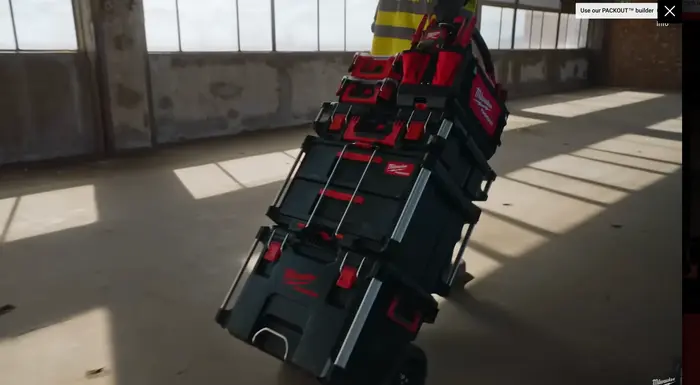
Milwaukee
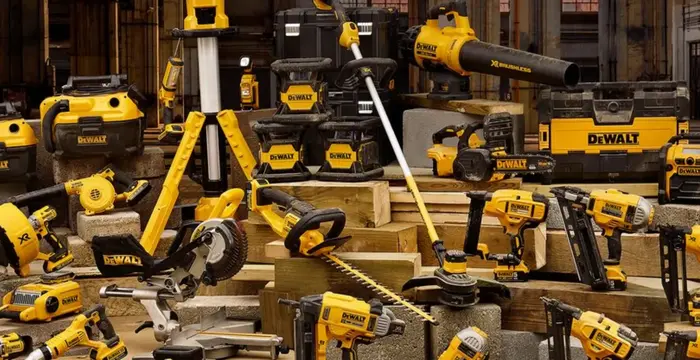
De Walt
The Ultimate Guide to Buying Power Tools: Everything You Need to Know
Image Source: AI Generated
When it comes to DIY projects or professional work, having the right tools can make all the difference. We’ve all been there, struggling with a task that could be so much easier with the proper equipment. That’s where power tools come in. These electric or battery-operated devices have revolutionized the way we tackle projects, making tasks faster, more efficient, and often more enjoyable. But with so many options out there, how do you know where to buy power tools that fit your needs?
In this guide, we’ll explore everything you need to know about power tools. We’ll cover the different types available, from drills to sanders, and discuss key factors to consider when making a purchase. Whether you’re a DIY enthusiast or a seasoned pro, we’ll help you find the best place to buy power tools, whether that’s online or at a local power tool shop. We’ll also touch on safety tips and proper usage to ensure you get the most out of your new equipment. By the end, you’ll be well-equipped to make informed decisions and find quality tools that’ll serve you well for years to come.
Types of Power Tools
When it comes to power tools, there’s a wide variety to choose from. I’ve found that understanding the different types can help you make informed decisions when you’re looking to buy power tools. Let’s explore some of the most common categories.
Cordless vs. Corded Tools
One of the first decisions you’ll face when you buy power tools is whether to go cordless or corded. Cordless tools offer great mobility and convenience. I love being able to take them anywhere without worrying about finding an outlet. They’re perfect for jobs in tight spaces or outdoor projects. However, corded tools often provide more consistent power and are ideal for heavy-duty tasks that require prolonged use.
Drills and Drivers
Drills are perhaps the most versatile and commonly used power tools. They’re great for making holes in various materials and driving screws. Impact drivers, on the other hand, are designed specifically for driving screws and bolts. They deliver more torque, making them ideal for heavy-duty fastening jobs. When you’re looking to buy power tools online, you’ll find a wide range of drills and drivers to choose from.
Saws
Power saws come in many varieties, each designed for specific cutting tasks. Circular saws are versatile and great for making straight cuts in wood and other materials. Jigsaws are perfect for curved cuts and intricate designs. Table saws are stationary tools ideal for precise, straight cuts in large pieces of material. When you’re shopping at a power tool shop, consider the types of cuts you’ll be making most often.
Sanders and Grinders
Sanders are essential for smoothing surfaces and removing material. Belt sanders are great for large, flat surfaces, while orbital sanders are better for finer finishing work. Grinders, particularly angle grinders, are versatile tools used for cutting, grinding, and polishing various materials. They’re a staple in many professional tool kits.
Specialty Tools
There are also many specialty power tools designed for specific tasks. Rotary tools, for example, are versatile instruments used for detailed work like engraving and polishing. Routers are perfect for hollowing out areas in wood or creating decorative edges. When you’re looking to buy tools, consider any specific projects you have in mind that might require these specialized instruments.
Remember, the best place to buy power tools depends on your needs and budget. Whether you’re shopping for professional tools or looking for power tools clearance deals, there are plenty of options available both in-store and online. Always prioritize quality and safety when making your selections.
Key Factors to Consider When Buying
When I’m looking to buy power tools, there are several crucial factors I always keep in mind. These considerations help me make informed decisions and ensure I’m getting the best value for my money.
Power and Performance
The power and performance of a tool are paramount. I always check the voltage and amp ratings when I buy power tools online. Higher voltage usually means more power, which is essential for heavy-duty tasks. For cordless tools, I look for those with 18V or 20V batteries, as they offer a good balance of power and portability 1. However, I’m aware that some specialized tools might require even more power, and in such cases, I consider options that allow the use of multiple batteries.
Battery Life and Charging
For cordless tools, battery life is a critical factor. I pay attention to the amp-hour (Ah) rating of the batteries. A higher Ah rating translates to longer run times, which is crucial for extended use. I also consider the charging time, as it can significantly impact productivity. Some manufacturers offer fast-charging options that can fully charge a battery in as little as one hour 2. When I buy power tools, I often opt for kits that include multiple batteries, ensuring I can work continuously while one battery charges.
Ergonomics and Comfort
Comfort is key, especially for tools I’ll be using frequently or for extended periods. I look for tools with ergonomic designs that reduce strain and fatigue. Features like rubberized grips, balanced weight distribution, and vibration reduction technology can make a big difference in user comfort . I also consider the tool’s weight, as lighter tools are generally easier to maneuver and use for longer periods.
Brand Reputation
The reputation of the brand is another crucial factor I consider when I shop for power tools. Established brands often offer better quality, reliability, and after-sales support. I research customer reviews and professional opinions to gage the brand’s reputation. Some brands, like Milwaukee and DeWalt, are known for their professional-grade tools, while others like Ryobi offer great value for DIY enthusiasts .
Warranty and Support
Finally, I always check the warranty and support options before making a purchase. A good warranty can provide peace of mind and protect my investment. Some manufacturers offer impressive warranties, like Ridgid’s Lifetime Service Agreement or Hilti’s 20-year warranty against manufacturing defects . I also look into the availability of service centers and the ease of obtaining replacement parts, as these factors can significantly impact the long-term value of the tool.
Essential Power Tools for DIY Enthusiasts
As a DIY enthusiast, having the right power tools can make all the difference in your projects. I’ve found that a well-equipped toolkit can help you tackle a wide range of tasks efficiently and effectively. Let’s explore some must-have power tools and how to build your collection.
Must-Have Power Tools
When I’m looking to buy power tools, I always start with the essentials. A cordless drill is a versatile tool that every household should have. It’s perfect for drilling holes and driving screws in various materials. Next on my list is a circular saw, which is ideal for making straight cuts in wood and other materials. For smoothing surfaces and removing paint, a random orbital sander is a game-changer.
Another tool I can’t live without is a jigsaw. It’s great for cutting curved or intricate shapes, making it perfect for more creative projects. An impact driver is also essential, providing extra torque for driving screws effortlessly. Lastly, a reciprocating saw is incredibly useful for demolition work and cutting through different materials.
Recommended Brands
When it comes to choosing brands, I’ve found that researching and comparing different options based on performance, reliability, and customer reviews is crucial. Some popular brands that offer a good balance between affordability and quality include DeWalt, Bosch, Makita, Milwaukee, and Ryobi. These brands often provide excellent performance at a more affordable price point, especially for their mid-range or entry-level models.
Building a Starter Kit
If you’re just starting out, don’t feel pressured to buy everything at once. I began my DIY journey with just three power tools: a drill/driver, a jigsaw, and a second-hand miter saw. To build your starter kit on a budget, keep an eye out for sales, discounts, and promotions at local hardware stores or online retailers. You might also consider purchasing refurbished or gently used tools to save money without compromising on quality.
Upgrading Your Tool Collection
As your skills grow and you tackle more complex projects, you’ll naturally want to expand your power tool collection. Consider adding tools like a miter saw for precise angled cuts, a table saw for uniform cuts, or a router for shaping and hollowing wood. Remember, building a power tool kit is an ongoing process, so it’s okay to add tools gradually based on your project needs and budget.
Maintenance Tips
To ensure the longevity of your power tools, proper maintenance is crucial. I always clean my tools after each use, removing any dust, debris, or residue. Regularly checking for signs of wear or damage and addressing them promptly has saved me from costly replacements. Don’t forget to lubricate moving parts as recommended by the manufacturer, and store your tools in a dry, secure place to prevent rust or corrosion.
By following these tips and gradually building your collection, you’ll be well-equipped to tackle a wide range of DIY projects with confidence and efficiency.
Safety and Proper Usage
When it comes to using power tools, safety should always be your top priority. I’ve learned that proper safety measures can prevent accidents and injuries, ensuring a smooth and efficient workflow. Let’s dive into some essential aspects of power tool safety.
Personal Protective Equipment
I can’t stress enough how important it is to wear the right personal protective equipment (PPE) when using power tools. Every time I pick up a tool, I make sure I’m properly geared up. Safety glasses or goggles are a must to protect my eyes from flying debris. I always wear ear defenders to reduce the risk of noise-induced hearing damage, especially when using loud power tools. Sturdy gloves shield my hands from cuts and abrasions, while steel-toed boots protect my feet from falling objects 1.
Tool-Specific Safety Guidelines
Each power tool has its own set of safety guidelines, and I always make sure to follow them closely. For instance, I never remove or disable safety guards on my tools. These features are designed to protect me from potential hazards, and compromising them is just not worth the risk. I also make it a point to use the right tool for the job. Using a tool for something it’s not designed for can lead to accidents and damage to the tool itself 2.
Proper Storage and Transportation
Storing my power tools correctly is crucial for their longevity and safety. I keep them in a clean, dry, and well-ventilated area, away from extreme temperatures and humidity. This not only prolongs the life of my tools but also prevents accidents caused by mishandling. When transporting tools, I use sturdy storage containers with lids to keep everything organized and protected .
Maintenance for Safety
Regular maintenance is key to keeping my power tools in top condition. Before each use, I inspect my tools for any signs of damage or wear. I check for loose parts, frayed cords, and dull blades. Following the manufacturer’s guidelines for lubrication and cleaning has helped me keep my tools operating efficiently and safely .
Common Safety Mistakes to Avoid
One common mistake I’ve learned to avoid is using power tools without proper training or understanding of their functions. I always take the time to read the manufacturer’s instructions and, if necessary, seek professional guidance. Another error to steer clear of is applying excessive force when using hand tools. I’ve found that many tasks can be accomplished with minimal effort if the right technique is used .
By following these safety practices, I’ve been able to use my power tools effectively while minimizing risks. Remember, when you buy power tools, investing in safety equipment is just as important as the tools themselves.
Conclusion
Power tools have a significant impact on DIY projects and professional work, making tasks faster and more efficient. This guide has explored the various types of power tools, key factors to consider when buying, and essential tools for DIY enthusiasts. We’ve also touched on the importance of safety and proper usage to ensure users get the most out of their equipment.
To wrap up, investing in quality power tools can greatly enhance your ability to tackle a wide range of projects. Whether you’re a seasoned pro or just starting out, taking the time to research and choose the right tools for your needs will pay off in the long run. Remember, safety should always come first, and proper maintenance will help your tools last for years to come.
FAQs
What should I consider when purchasing tools?
When buying tools, prioritize durability, reliability, and safety. Ensure that the tools function as expected and come with comprehensive instructions for use.
How do I select the right power tool for my needs?
Start by assessing the specific requirements of your project. Consider how often you will use the tool, and think about the type of tool that best suits your needs, such as drills, drivers, saws, sanders, or grinders. Also, weigh the pros and cons of corded versus cordless options, as well as the battery life and charging capabilities.
What are the essential safety rules for using power tools?
Always keep your work area clean to avoid accidents, and use tools only in safe environments. Protect yourself from electric shocks by avoiding contact with grounded surfaces. Ensure tools are turned off when not in use to prevent accidental starting. Regularly check for any signs of wear or damage, especially on handles and cords.
What inspections should be done before using a power tool?
Before using a power tool, inspect it thoroughly. Check the tool’s handle and body casing for any cracks or damage. Make sure that any additional handles are securely attached. Examine the power cord for any signs of wear, such as cracks or fraying, and ensure the insulation is intact.
References
[1] – https://www.thisoldhouse.com/tools/23438662/tool-buying-guide
[2] – https://wjdtools.co.uk/guide-to-power-tools-everything-you-need-to-know-before-you-buy/
[3] – https://safatcotrading.com/what-is-the-importance-of-power-tools/