 Call us on
Van Leasing London | Best Van Lease Deals | Swiss Vans
Van Leasing London
In today’s fast-paced business world, van leasing London has become an increasingly popular option for companies and self-employed individuals looking to manage their transportation needs efficiently. This flexible approach to vehicle acquisition allows businesses to access the latest van models without the burden of full ownership, providing a cost-effective solution to enhance mobility and streamline operations. Van leasing in London offers a range of benefits, from improved cash flow management to reduced maintenance responsibilities, making it an attractive choice for businesses of all sizes. Source
This comprehensive guide delves into the intricacies of van leasing London in the UK capital, covering everything from the basics of how leasing works to the top van models available for lease. Readers will gain insights into the costs associated with van leasing in London, including monthly payments and potential hidden expenses. Additionally, the article provides valuable tips to help businesses secure the best van lease deals, ensuring they make informed decisions that align with their specific needs and budget constraints. Whether you’re a small startup or an established company, this guide aims to equip you with the knowledge needed to navigate the world of van leasing in London successfully. See Leasing Liverpool
Understanding van leasing London
Flexible Local Lease Options
Van leasing is a cost-effective and flexible method of acquiring a van for commercial or personal use without the commitment of buying one outright. It involves entering into an agreement with a leasing company, where the lessee pays regular installments over an agreed period in exchange for the temporary use of a van. This arrangement allows businesses and individuals to have access to the vehicle they need without the upfront costs of purchasing it outright. See Leasing Livingstone
In essence, van leasing London is a long-term rental agreement that offers the exclusive use of a van or pick-up truck for a set period, typically ranging from 2 to 4 years. At the start of the contract, the customer pays an initial rental, followed by a series of monthly payments. This approach helps businesses manage their cash flow more effectively, as they can spread the cost of using a van over time rather than making a large upfront investment. See Leasing Slough

Types of van leasing London agreements
There are two main types of lease agreements: financial lease and operational lease. A financial lease, also known as capital lease, is essentially a long-term rental agreement where the lessee has ownership-like rights and responsibilities throughout the contract duration. These leases typically last for several years and may give the option to buy the van at the end of the term. See Leasing Manchester
On the other hand, an operational lease, sometimes called a true or open-end lease, allows individuals or businesses to enjoy all the benefits of using a van without taking on any residual risk associated with its value when returning it at the end of the term. This type of lease is often referred to as Business Contract Hire (BCH) and is popular among sole traders, partnerships, and limited companies. See Leasing Belfast
Benefits of van leasing London vs buying
van leasing London offers several advantages over buying, making it an attractive option for many businesses:
- Lower initial costs: Leasing requires a smaller upfront payment compared to purchasing a van outright, helping businesses preserve capital for other needs.
- Fixed monthly costs: The set monthly payments make budgeting easier and help businesses manage their finances more effectively.
- Access to newer vehicles: Leasing allows businesses to drive the latest van models every few years, ensuring access to up-to-date technology and improved fuel efficiency.
- Reduced maintenance responsibilities: Many lease agreements include maintenance packages, reducing the burden of vehicle upkeep on the business.
- Tax benefits: For VAT-registered businesses, lease payments can often be claimed as a tax-deductible expense, offering potential tax advantages.
- No depreciation concerns: Since the leased van is returned at the end of the agreement, businesses don’t have to worry about the vehicle’s depreciation or resale value.
- Flexibility: Leasing offers the option to upgrade or change vehicles at the end of the contract, allowing businesses to adapt to changing needs.
While leasing offers numerous benefits, it’s important to consider potential drawbacks such as mileage restrictions, wear and tear charges, and the fact that the business won’t own the vehicle at the end of the lease term. Ultimately, the choice between leasing and buying depends on the specific needs and financial situation of each business. See Ford Van Leasing Glasgow
How Van Leasing Works in London
Choosing a van
When it comes to van leasing in London, selecting the right vehicle is crucial. Businesses and individuals have a wide range of options to choose from, including small, medium, and large vans, as well as specialized vehicles like tippers, lutons, crew vans, minibusses, pickups, and refrigerated vans. The choice depends on specific needs, such as load capacity, fuel efficiency, and intended use.
For those seeking car-like comfort with off-road capability and heavy load carrying, pickup trucks are an excellent option. Meanwhile, minibusses and crew vans offer versatility for businesses that need to transport both cargo and people. Refrigerated vans are ideal for safely transporting temperature-sensitive goods, which is particularly important in London’s busy food and beverage industry.

Van Leasing London terms and payments
Van leasing in London typically involves an initial rental followed by fixed monthly payments over an agreed period. Lease durations commonly range from 24 to 48 months, with longer terms often resulting in lower monthly payments. The cost of leasing depends on factors such as the van’s value, interest rates, and the estimated residual value at the end of the lease term.
For VAT-registered businesses in London, there may be tax benefits associated with van leasing. Many companies can claim back the VAT on their monthly lease payments, which can significantly reduce the overall cost of leasing a van.
Mileage limits
When leasing a van in London, it’s crucial to consider the mileage allowance. This limit determines how many miles can be driven during the lease term without incurring additional charges. Mileage allowances typically range from 10,000 to 30,000 miles per year, with higher mileage limits resulting in higher monthly payments.
Exceeding the agreed Van Leasing London mileage can result in excess mileage charges, usually calculated on a per-mile basis. These charges can vary but often range from 10 to 30 pence per mile over the limit. It’s essential for London businesses to accurately estimate their annual mileage to avoid unexpected costs at the end of the lease term.
Insurance and maintenance Van Leasing London
Insurance is a critical consideration when leasing a van in London. Unlike some car leasing agreements, van leasing typically does not include insurance coverage. Lessees are responsible for arranging appropriate insurance, which must include at least third-party liability coverage as required by law.
For businesses leasing multiple vans, fleet insurance may be a cost-effective option. This type of policy covers multiple vehicles under a single agreement, pote ntially offering savings and simplified administration for London-based companies. see Commercial Vehicle show 2026
Maintenance is another important aspect of van leasing in London. Many lease agreements include maintenance packages that cover routine servicing, repairs, and even tire replacements. These packages can provide peace of mind and help businesses budget more effectively by incorporating maintenance costs into the monthly lease payment.
Some leasing companies in London offer ‘Complete Care’ or ‘Total Care’ packages. These comprehensive solutions include not only the leased van but also services such as maintenance, breakdown cover, accident management, and even financial shortfall protection in case of a write-off. Such all-inclusive packages can be particularly attractive for businesses looking to simplify their vehicle management and reduce administrative burdens.
By understanding these key aspects of van leasing in London, businesses and individuals can make informed decisions that align with their specific needs and financial goals. Whether it’s choosing the right van, negotiating favorable lease terms, or selecting appropriate insurance and maintenance options, careful consideration of these factors can lead to a successful and cost-effective van leasing experience in the bustling capital.
Top Van Models for Leasing in London
When it comes to van leasing in London, businesses have a wide range of options to choose from. The city’s diverse commercial landscape demands vehicles that can handle various tasks efficiently. Here’s a look at some of the top van models available for leasing in different size categories.
Small vans
Small vans are perfect for businesses that need agility in London’s busy streets. The Citroen Berlingo is a popular choice, offering excellent fuel economy and a comfortable ride. It comes with a 1.5 BlueHDi engine, providing ample power for city driving. The Peugeot Partner is another strong contender, featuring a similar engine and impressive load capacity for its size.
For those looking for electric options, the e-Berlingo and e-Partner are available, both equipped with a 50kWh battery. These models are ideal for businesses aiming to comply with London’s Ultra Low Emission Zone (ULEZ) regulations.
The Ford Transit Courier, a compact yet capable van, is well-suited for urban deliveries. It offers a choice between a 1.0 EcoBoost petrol engine and a 1.5 EcoBlue diesel engine, catering to different business needs.
Medium vans
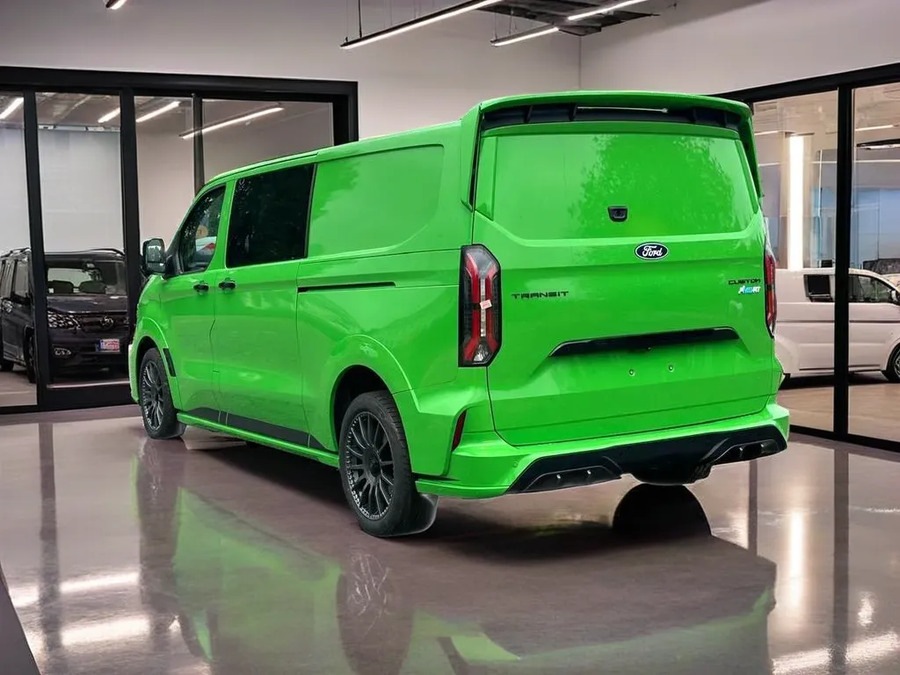
Medium vans strike a balance between maneuverability and load capacity, making them a popular choice for van leasing in London. The Ford Transit Custom leads this segment, known for its reliability and versatile range of body styles. It’s available in various configurations to suit different business requirements.
The Volkswagen Transporter is another favorite, particularly among tradespeople. Its compact size, combined with a comfortable ride, makes it ideal for both city driving and longer journeys. The Vauxhall Vivaro, built in the UK, offers one of the largest load capacities in its class, making it a practical choice for businesses that need to maximize space.
For those interested in electric options, the Ford E-Transit Custom and the ABT e-Transporter 6.1 represent cutting-edge choices in the medium van category. These models offer zero-emission driving without compromising on performance or practicality.
Large vans Van Leasing London
Large vans are essential for businesses that need to transport bulky items or large quantities of goods. The Ford Transit, available in various wheelbases and roof heights, is a versatile option that can adapt to different business needs. It’s known for its reliability and spacious cargo area.
The Mercedes-Benz Sprinter is another popular choice in the large van category. It offers a range of body sizes and variants, making it suitable for various applications. The Sprinter is known for its advanced technology features and comfortable driving experience.
The Volkswagen Crafter is a strong competitor in this segment, offering practicality and innovation. It’s available in multiple configurations, allowing businesses to choose the perfect size for their needs.
Electric van options
As London pushes for cleaner air, electric vans are becoming increasingly popular for leasing. The Nissan e-NV200 is a compact electric van that’s perfect for city deliveries. For businesses needing more space, the Mercedes-Benz eVito offers a larger cargo area without compromising on zero-emission driving.
The Maxus eDELIVER 9 is a full-sized electric panel van that stands out with its impressive driving range and generous standard specification. It’s available in two body lengths, catering to different business needs.
The Ford E-Transit, an electric version of the iconic Transit, offers a 68kWh battery with a range of up to 196 miles. This makes it an excellent choice for businesses looking to meet sustainability targets without sacrificing capability.
When considering van leasing in London, it’s crucial to choose a model that aligns with your business needs, whether that’s navigating tight city streets, maximizing cargo space, or reducing your carbon footprint. With such a diverse range of options available, businesses can find the perfect van to lease, regardless of their specific requirements.
Costs of Van Leasing in London
Initial payments
When leasing a van in London, the initial payment, also known as the initial rental, is a crucial aspect of the agreement. This upfront cost is typically equivalent to 3, 6, or 9 monthly rentals and is non-refundable. The amount of the initial payment affects the subsequent monthly costs – a larger initial payment results in lower monthly fees. Most finance providers require this payment within 7 to 14 days of van delivery, though some may ask for it prior to delivery.
Monthly payments
Following the initial payment, lessees make fixed monthly payments for the duration of the contract, which usually ranges from 2 to 5 years. These payments cover the van’s depreciation over the lease term and include road tax at the prevailing rate. The monthly cost depends on factors such as the van’s value, contract length, and agreed mileage limit. It’s worth noting that a higher mileage allowance will lead to increased monthly costs due to greater depreciation. See small van lease no deposit
Additional fees Van Leasing London
Several additional fees may apply when leasing a van in London. A processing fee, typically around £300 (including VAT), is charged by leasing brokers to cover the costs of arranging the agreement. Some finance providers may also charge a transaction fee, which should be disclosed before finalizing the order.
Excess mileage charges are another potential cost. If a lessee exceeds the agreed annual mileage, they may have to pay a fee for each additional mile driven, usually ranging from 3p to 24p per mile. To avoid this, it’s crucial to accurately estimate annual mileage when setting up the lease.
Maintenance packages are often available as an optional extra. These packages cover routine maintenance, tire replacements, and other wear and tear items for a fixed monthly fee. While this adds to the overall cost, it can provide peace of mind and help with budgeting.
At the end of the lease, charges may apply if the van is not returned in an acceptable condition according to the British Vehicle Rental and Leasing Association (BVRLA) Fair Wear and Tear guidelines. It’s often more cost-effective to address any damage before returning the van, as the leasing company’s chosen garage may charge higher rates for repairs.
Tax implications
Van leasing in London has several tax implications that businesses should consider. For VAT-registered companies, 100% of the VAT on monthly lease payments can be reclaimed, provided the van is used exclusively for business purposes. If there’s personal use, the VAT reclaim is adjusted proportionally.
Lease payments are treated as a tax-deductible expense in profit and loss accounts, which can help reduce a company’s tax liability. This applies to the entire rental cost, regardless of the van’s emissions, making it a tax-efficient option for businesses.
For businesses offering vans as company vehicles to employees, there may be implications for National Insurance Contributions and Benefit in Kind (BiK) tax. The amount of BiK tax depends on factors such as the van’s value and CO2 emissions. Opting for electric or hybrid vans can lead to significant savings on BiK tax, as these vehicles currently have lower tax rates.
It’s important to note that tax regulations can change, and businesses should consult with a tax professional to understand the most up-to-date implications of van leasing in London.
Tips for Getting the Best Van Lease Deal
Compare multiple providers
To secure the best van leasing deal in London, it’s crucial to shop around and compare offers from various providers. This approach allows businesses to explore a wide range of Van Leasing London options and potentially find more competitive rates. Many websites offer van lease comparisons, making it easier to view available options side by side. When comparing deals, consider factors such as the size and type of van, brand, included mileage, insurance options, monthly costs, and any initial deposits required. See Business Van Lease
Negotiate terms
While some aspects of a Van Leasing London agreement are fixed, there’s often room for negotiation. When discussing terms with leasing companies in London, consider the following:
- Monthly payments: Try to negotiate lower monthly payments, especially if you’re willing to make a larger initial payment.
- Mileage limits: Be realistic about your mileage needs and negotiate a limit that suits your business requirements.
- Lease duration: Discuss different contract lengths to find the most cost-effective option for your business.
- Additional features: Inquire about including maintenance packages or other value-added services in your lease agreement.
Remember, leasing companies in London may have special promotions or be willing to match offers from competitors, so don’t hesitate to ask about any available discounts or deals.
Read the fine print
Before signing a Van Leasing London agreement , it’s essential to thoroughly understand all terms and conditions. Pay close attention to:
- Mileage restrictions on Van Leasing London : Ensure you’re comfortable with the agreed mileage limit and understand any excess mileage charges.
- Wear and tear guidelines: Familiarize yourself with the acceptable level of wear and tear to avoid unexpected charges at the end of the lease.
- Early termination fees: Understand the costs associated with ending the lease early, should your business needs change.
- Insurance requirements: Check the insurance coverage required by the leasing company and factor this into your overall costs.
- Maintenance responsibilities: Clarify who is responsible for routine maintenance and repairs during the lease term.
Consider your business needs
When choosing a van lease deal in London, it’s crucial to align the agreement with your specific business requirements. Consider the following:
- Van size and capacity: Ensure the van can accommodate your equipment and goods without being overloaded or unnecessarily large.
- Fuel efficiency: For businesses operating in London’s Ultra Low Emission Zone (ULEZ), consider leasing electric or hybrid vans to reduce costs and comply with regulations.
- Lease duration: Choose a lease term that matches your business’s growth plans and anticipated vehicle needs.
- Financial implications: Assess how the lease payments will affect your cash flow and whether the arrangement offers any tax benefits for your business.
- Future flexibility: Consider options that allow for upgrades or changes to your lease agreement as your business evolves.
By carefully considering these factors and following these tips, businesses in London can secure van lease deals that offer the best value and align with their operational needs.
Conclusion Van Leasing London
Van leasing in London has a significant impact on businesses seeking flexible and cost-effective transportation solutions. This guide has explored the ins and outs of van leasing, from understanding different types of agreements to examining top van models and evaluating associated costs. By weighing the benefits against potential drawbacks, businesses can make informed decisions that align with their specific needs and financial goals.
To secure the best van lease deal London , it’s crucial to compare multiple providers, negotiate terms, and carefully review the fine print. By considering factors such as mileage limits, maintenance responsibilities, and insurance requirements, businesses can find a lease agreement that suits their operational needs. Ultimately, van leasing in London offers a practical solution to enhance mobility and streamline operations, allowing companies to focus on growth and success in the dynamic business landscape of the UK capital.
FAQs Van Leasing London
What documents are necessary to lease a small van in London?
To lease a van, you will need several documents including the owner’s valid identification (such as a passport or driving license), details of the business director, business information (including address, status, registration number, and VAT), and proof of the business’s annual net income or a bank statement from the last three months.
What are the tax advantages of leasing a van for business use?
Leasing a van for business purposes offers significant tax benefits. The payments made on the lease are treated as a rental, making them fully deductible as business expenses on profit and loss accounts.
Can you explain how van leasing finance works?
Van leasing is essentially a long-term rental agreement that allows the exclusive use of a van or truck for a predetermined period. Initially, you make a payment followed by monthly installments over a period typically lasting 2, 3, or 4 years.
What are the typical durations for van lease agreements?
Van leases usually come in durations of 24, 36, or 48 months. Each duration option offers different benefits and should be considered carefully to suit your specific needs and circumstances.