Call us on
 Renault Trafic
Renault Trafic: Everything
The Renault Trafic has made a significant impact on the commercial vehicle market since its introduction. This versatile van has become a popular choice for businesses and individuals alike, offering a blend of practicality, style, and performance. With its spacious interior, efficient engines, and modern features, the Renault Trafic has established itself as a top contender in the competitive van segment. See all Renault Trafic For Sale
In this comprehensive guide, we'll explore everything you need to know about the New Renault Trafic. We'll delve into its exterior design and dimensions, examine the interior features and comfort, and discuss the various powertrain options available. Additionally, we'll cover the safety and driver assistance systems, pricing, and trim levels to help you make an informed decision. Whether you're considering a new Renault Trafic for your business or personal use, this article will provide valuable insights into this remarkable van. See Renault Trafic Lease
Overview of the New Renault Trafic
The Renault Trafic has established itself as a versatile and popular choice in the medium-sized van segment. This vehicle has been a cornerstone of Renault's commercial lineup, ranking alongside the Clio and Captur as one of the firm's best-selling models. Since its introduction in 1980, the Trafic has undergone several generations of improvements, consistently adapting to meet the evolving needs of businesses and individual users alike.
Key Features
The Renault Trafic boasts an impressive array of features that set it apart in the competitive commercial vehicle market. Its ingenious interior design incorporates a hatch under the passenger seat, allowing for a loading length of up to 4.15 meters, which is the best in its segment. The van's rectangular shape optimizes the loading volume, offering up to 8.9 cubic meters of space in the L2H2 version. See all Renault vans for sale
In the front cabin, the Trafic provides 84 liters of storage capacity and a removable mobile office, creating a genuine modular workspace. This feature allows users to convert the cab into a mobile office by simply folding down the center seat, providing a perfect place for a laptop and work documents on an A4-size swivel stand.
Safety has been a key focus in the Trafic's design, with ten advanced driver-assistance systems available. These include Blind Spot Warning, Adaptive Cruise Control, Lane Departure Warning, and an Emergency Braking System, ensuring a comfortable and safe driving experience.
Model History New Renault Trafic
The current generation of the Renault Trafic, introduced in 2014, has undergone constant revisions and updates to maintain its competitive edge. In 2019, Renault implemented significant improvements, including:
Introduction of more efficient 2.0-liter dCi diesel engines
Option for EDC automatic transmission
Redesigned front end with a squarer look
C-shaped daytime running lights as standard on all models
Updated interior with switchgear carried over from Renault's car range
Touchscreen infotainment system and part-digital instrument cluster
These updates have kept the Trafic near the forefront of the medium-sized van pack, enhancing its appeal to a wide range of users.
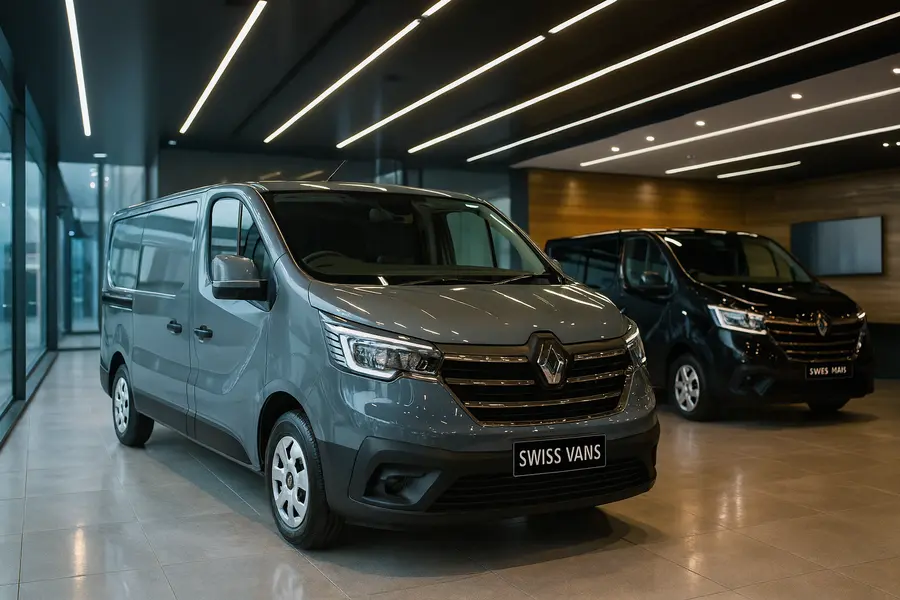
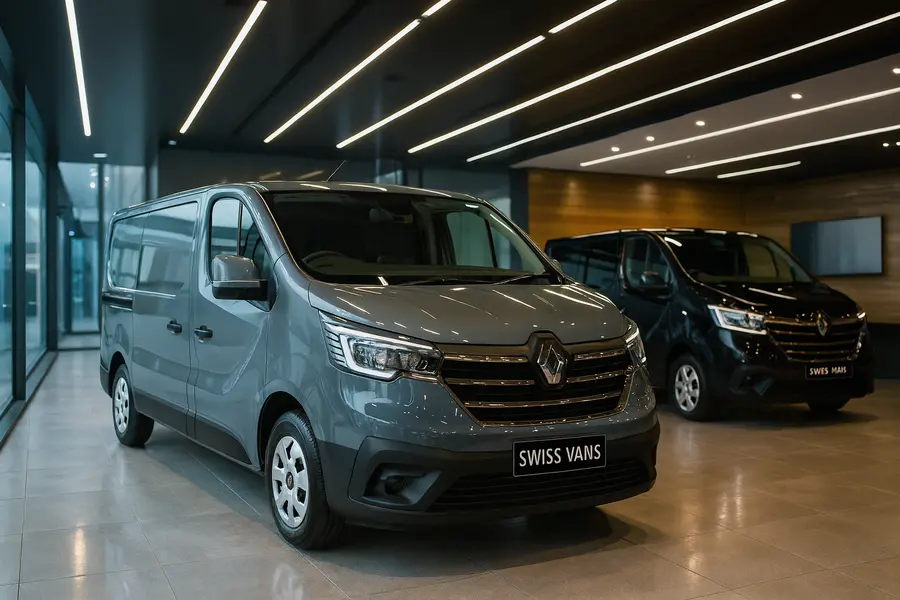
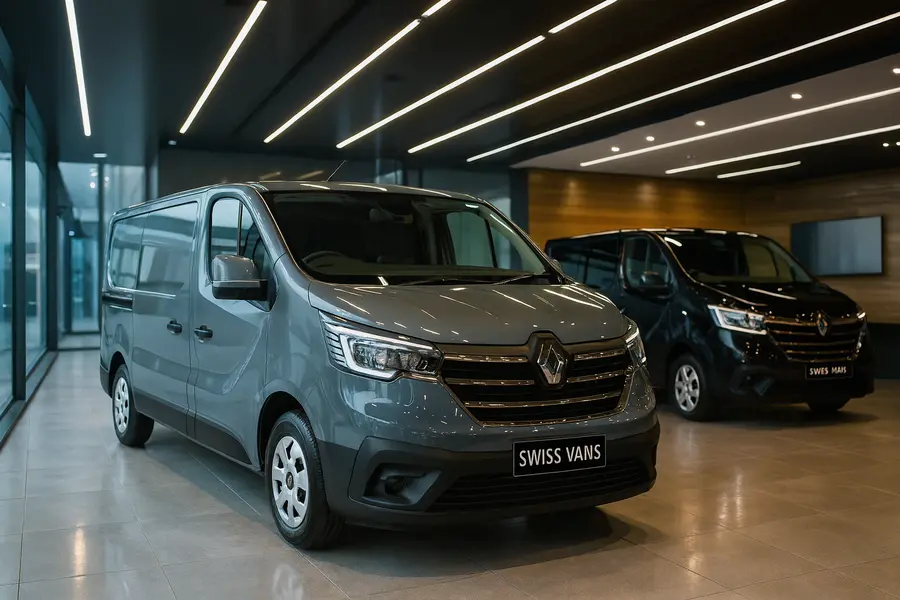
[caption id="attachment_55681" align="alignnone" width="700"] Renault Trafic[/caption]
Target Market
The Renault Trafic caters to a diverse target market, appealing to both business and private customers. Its versatility makes it suitable for various applications, from commercial use to passenger transport.
For businesses, the Trafic offers customizable options to meet specific needs. It's available in panel van versions with two length options, two heights, and a payload capacity between 5.8 and 8.9 cubic meters. The van also provides a range of conversion options, including the Coolkit Refrigerated Van, making it adaptable to different industries.
In the passenger transport market, Renault has introduced the Trafic SpaceClass. This variant can carry up to nine people and offers more than 50 possible configurations, making it ideal for both private and business customers seeking elegance and modularity. The SpaceClass is available in two lengths, providing ample boot space options to suit various needs.
By offering such a wide range of configurations and features, the Renault Trafic positions itself as a versatile solution for businesses, tradespeople, and families alike, solidifying its place as a key player in the commercial vehicle market.
Exterior Design and Dimensions
The Renault Trafic boasts a striking exterior design that combines functionality with modern esthetics. Its sleek profile and distinctive features make it stand out in the competitive mid-size van segment.
Styling Elements
The Trafic's exterior design has undergone several updates since its introduction. The 2022 facelift brought a redesigned front end with a squarer look, giving the van a more commanding presence on the road. One of the most notable styling elements is the C-shaped daytime running lights, which come as standard on all models. These not only enhance the van's visual appeal but also improve visibility and safety.
For those looking to further customize their Trafic, Renault offers a front-end body styling kit. This kit includes a stylish front splitter, eye-catching fog light surrounds, a durable grille, and a rear spoiler. Made from high-quality ABS materials, these additions not only enhance the van's appearance but also withstand tough driving conditions.
Size Options
The Renault Trafic comes in various size configurations to suit different needs. Customers can choose between two wheelbases and two roof heights, resulting in four main variants:
SL / L1H1 (Short Wheelbase, Low Roof)
SH / L1H2 (Short Wheelbase, High Roof)
LL / L2H1 (Long Wheelbase, Low Roof)
LH / L2H2 (Long Wheelbase, High Roof)
The short wheelbase (SWB) models measure 5,080mm in length, while the long wheelbase (LWB) versions extend to 5,480mm. This 400mm increase provides additional cargo space for those requiring extra capacity.
In terms of height, the low roof variants stand at approximately 1,971mm, while the high roof options reach up to 2,498mm. The width remains consistent across all models at 1,956mm without mirrors and 2,283mm with mirrors extended.
Cargo Capacity
The Trafic's design prioritizes maximizing cargo capacity without compromising on exterior esthetics. Even the shortest version can accommodate three Euro pallets, showcasing its practical design.
Load volumes vary depending on the chosen configuration:
SL / L1H1: 5.8 cubic meters
SH / L1H2: 7.8 cubic meters
LL / L2H1: 6.7 cubic meters
LH / L2H2: 8.9 cubic meters
The van features a single sliding side door as standard, with the option to add a second. The side door dimensions are impressive, with a maximum width of 1,030mm and a height of 1,284mm, facilitating easy loading and unloading.
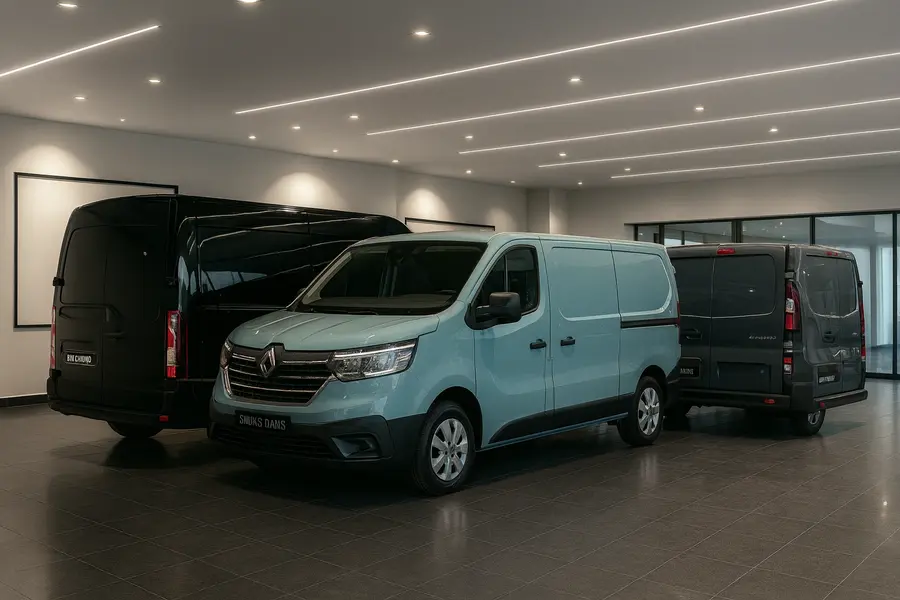
[caption id="attachment_55680" align="alignnone" width="700"] Renault Trafic[/caption]
One of the Trafic's standout features has an influence on its cargo capacity. A load-through flap in the bulkhead, combined with a lift-up passenger seat, allows for the transportation of items up to 4,150mm in length in LWB models. This clever design enables the van to carry long items such as pipes, extending all the way into the passenger footwell.
The Renault Trafic's exterior design and dimensions strike a balance between style and practicality, offering a range of options to suit various business and personal needs.
Interior Features and Comfort
The Renault Trafic offers a fully redesigned interior that prioritizes comfort and functionality. The cabin layout is spacious and well-designed, providing ample room for both the driver and passengers. With up to 84.2 liters of storage capacity, including 14 neat storage options, the Trafic ensures that everything has its place.
The driver's area features a smart cockpit design, complete with a wireless phone charger, closed glove box, and an XXL cup holder. This thoughtful arrangement creates a comfortable and efficient workspace for those who spend long hours behind the wheel. The driving position has been optimized to reduce fatigue during extended journeys.
Seating Configurations
One of the Trafic's standout features has an influence on its versatility in seating arrangements. The modular passenger compartment offers configurations for 5, 6, 8, or 9 seats, allowing users to arrange the interior to suit their specific needs. This flexibility makes the Trafic ideal for various purposes, from family outings to business transportation.
For those requiring maximum cargo space, the second and third rows can be removed entirely. This configuration allows for up to 6,000 liters of boot space, accommodating large items or substantial amounts of luggage without compromising comfort.
The Trafic Passenger variant takes comfort a step further with its Spaceclass trim. This upscale option includes additional USB ports and power sockets, chrome-look inserts, and convenient cupholders, enhancing the overall passenger experience.
Technology and Infotainment
The Renault Trafic has embraced modern technology to create a connected driving experience. The base specification includes a DAB radio with Bluetooth and an AUX input, ensuring basic connectivity for all users. However, the technology offerings significantly improve in higher trim levels.
Sport versions and above come standard with a 7-inch touchscreen infotainment system. This system supports both Apple CarPlay and Android Auto, allowing seamless smartphone integration. While not the most advanced in the market, this infotainment system represents a substantial improvement over the standard radio, significantly enhancing the in-cabin experience.
For those seeking more advanced features, an 8-inch screen with built-in navigation is available as an option. This larger display not only improves visibility but also offers more comprehensive navigation capabilities.
Additional technology features include:
Wireless smartphone charging
Smartphone mirroring compatibility
Optional rear parking camera (display on rear-view mirror or infotainment screen)
Climate control (standard on Black Edition, optional on other trims)
Cruise control (standard on Sport and Black Edition models)
These technology features, combined with the spacious and modular interior, create a comfortable and connected environment for both driver and passengers. Whether used for work or leisure, the Renault Trafic's interior offers a blend of practicality and modern convenience that caters to a wide range of needs.
Performance and Powertrain Options
The Renault Trafic offers a range of powerful and efficient engine options, catering to various needs and preferences. From robust diesel engines to eco-friendly electric variants, the Trafic provides versatile performance solutions for different driving requirements.
Engine Choices
Renault has equipped the Trafic with a selection of diesel engines, each designed to deliver optimal performance and efficiency. The lineup includes:
1.6 dCi engines:
95 PS (70 kW; 94 hp) with 260 N⋅m (192 lb⋅ft) of torque
125 PS (92 kW; 123 hp) with 320 N⋅m (236 lb⋅ft) of torque
145 PS (107 kW; 143 hp) with 340 N⋅m (251 lb⋅ft) of torque
2.0 dCi engines:
120 PS (88 kW; 118 hp) with 320 N⋅m (236 lb⋅ft) of torque
145 PS (107 kW; 143 hp) with 350 N⋅m (258 lb⋅ft) of torque
170 PS (125 kW; 168 hp) with 380 N⋅m (280 lb⋅ft) of torque
For those seeking a petrol option, Renault offers a 2.0-liter naturally aspirated engine producing 120 PS (88 kW; 118 hp) and 190 N⋅m (140 lb⋅ft) of torque.
In 2022, Renault introduced a 100% electric Trafic, featuring a 90 kW (120 hp) electric motor powered by a 52 kW-hr battery. This eco-friendly variant boasts a WLTP range of 240 km (150 mi), making it suitable for urban and short-distance operations.
Transmission Options
The Renault Trafic comes with two primary transmission options:
6-speed manual gearbox: Available across most engine variants, this transmission offers a hands-on driving experience and precise control.
6-speed EDC (Efficient Dual Clutch) automatic gearbox: This advanced transmission combines the advantages of both automatic and manual gearboxes. It provides smooth, quick shifts and enhances overall driving pleasure, especially in higher-powered variants.
The EDC gearbox stands out for its responsiveness and efficiency. It keeps the engine in its optimal power band, resulting in seemingly effortless progress. For those who prefer more control, the EDC also offers a manual override function, allowing drivers to change gears by pushing the selector to the right.
Fuel Efficiency
Renault has focused on optimizing fuel efficiency across the Trafic range. The latest 2.0-liter diesel engines achieve official WLTP fuel economy figures ranging from 39.2 mpg to 40.4 mpg. While these numbers represent a slight decrease from previous models on paper, they tend to better reflect real-world driving conditions.
To further enhance fuel efficiency, Renault has incorporated several features:
Stop & Start technology: Standard across the facelifted range, this system helps reduce fuel consumption in urban driving conditions.
ECO mode: An eco button slightly reduces torque but improves fuel consumption by approximately 7%, without significantly compromising performance.
AdBlue® technology: This system helps reduce pollutant emissions, particularly in diesel variants.
Real-world testing has shown impressive results, with some drivers achieving fuel economy figures close to the official ratings. For instance, one test achieved 45.6 mpg against an official figure of 46.3 mpg, demonstrating the Trafic's potential for efficient operation in real-world conditions.
Safety and Driver Assistance Systems
The Renault Trafic has made significant strides in enhancing its safety features and driver assistance systems, particularly with the 2022 model year updates. These improvements have resulted in a more secure and technologically advanced vehicle, catering to the needs of both commercial and passenger van users.
Standard Safety Features
The Trafic comes equipped with several standard safety features designed to protect occupants and enhance overall vehicle stability. Electronic stability control, a crucial safety component, is now standard equipment across the range. This system helps maintain the vehicle's trajectory by combining anti-slip regulation, understeer control, extended grip, and hill start assist.
For occupant protection, the Trafic includes a seatbelt reminder for the driver's seat as standard equipment. In passenger variants, this feature extends to the front passenger seat as well. The ABS anti-lock brake system is another standard feature, allowing drivers to maintain directional control during sudden braking and preventing wheel lock-up.
Advanced Driver Aids New Renault Trafic
Renault has significantly expanded the Trafic's suite of advanced driver assistance systems (ADAS) in recent years. These intelligent systems rely on advanced technologies such as radars, cameras, and software to assist the driver and enhance safety.
Key advanced driver aids now available on the Trafic include:
Active Emergency Braking System: This system detects potential collisions with vehicles, pedestrians, and cyclists. It alerts the driver and can apply automatic braking if necessary.
Lane Departure Warning: Using a camera attached to the windscreen, this system warns the driver through steering wheel vibrations if the vehicle unintentionally crosses lane markings.
Blind Spot Warning: Active above 15 km/h, this system alerts the driver via a signal in the rearview mirror if vehicles are present in areas not visible in the driver's field of vision.
Adaptive Cruise Control: Available on higher trim levels, this system maintains a set distance from the vehicle ahead by automatically adjusting speed.
Traffic Sign Recognition: This system identifies road signs and displays speed limit information to the driver.
360° Around View Camera: Four cameras provide a comprehensive view of the vehicle's surroundings, aiding in safe maneuvering.
Crash Test Ratings
The Renault Trafic has undergone rigorous crash testing to ensure its safety performance. In dynamic tests, the vehicle demonstrated excellent protection for child occupants. The Trafic scored maximum points for its protection of 3-year-old and 18-month-old dummies in both frontal and side impact scenarios.
In frontal impact tests, forward movement of the 3-year-old dummy in a forward-facing restraint was not excessive. During side impact tests, both child dummies were properly contained by their restraints' protective shells, minimizing the risk of head contact with the vehicle interior.
For pedestrian safety, the Trafic's bumper provided good protection to pedestrians' legs in some areas, though performance was marginal in others. The bonnet surface offered predominantly adequate protection to a struck pedestrian's head, with weak or poor results primarily recorded at the stiff bonnet edges and windscreen pillars.
These safety enhancements and positive crash test results have contributed to the Trafic's improved standing in safety assessments. Following a poor performance in 2021, the 2022 Trafic with its new safety systems achieved a Silver award in Euro NCAP's van assessments, placing it among the better-performing vans in its category.
Pricing and Trim Levels
The Renault Trafic offers a range of trim levels and pricing options to suit various needs and budgets. The entry point to the Trafic range starts at £27,450 plus VAT for the 110hp Business model. Lease rates begin at less than £300 a month, with higher-power 130hp models in Business+ specification available at competitive rates due to favorable residual values.
Base Model Features
The Renault Trafic Start trim serves as the base model, offering a comprehensive set of standard features:
3.5-inch monochrome infotainment display with DAB radio, Bluetooth, aux-in connection, and USB socket
Height- and lumbar-adjustable driver's seat with armrest
Reach and rake adjustable steering wheel
Electric windows and heated, electric door mirrors
Passenger bench seat and steel bulkhead
Sliding side door on the passenger side
Twin unglazed rear doors that open to 180 degrees
Remote locking with alarm and immobilizer
16-inch steel wheels
Full LED headlights
Higher Trim Offerings
As you move up the trim levels, additional features and enhancements become available:
Renault Trafic Advance:
Manual air-conditioning
Mobile Office with fold-down middle passenger seat
Underseat storage for passenger bench
Body-colored door rails and chrome grille for taillight column
Load-through flap in bulkhead
Wide View Mirror blindspot mirror
Rear parking sensors
EasyLink 8.0-inch infotainment system with Apple CarPlay and Android Auto
Renault Trafic Extra:
Automatic lights and wipers
EasyLink with satellite navigation and three years' connected services
4.2-inch color display in instrument cluster
Premium dashboard with grain and chrome styling
LED interior cabin lighting
Body-colored front bumper and door mirrors
17-inch alloy wheels and front fog lights
Electric folding mirrors
Autonomous Emergency Braking (AEB) as standard
Renault Trafic Extra Sport:
Keyless entry
Climate control
Metallic paint
Body-colored side moldings
17-inch alloy wheels with black inserts
Rear parking camera
Additional active safety features
Optional Packages
Renault offers an extensive options list for the Trafic, allowing buyers to customize their vehicles further. Some notable options include:
Aluminum roof rack (£133)
Ply-lined side panels in the cargo area (£455)
Speed limiters
Full conversions
It's worth noting that while some options are reasonably priced, others may seem expensive. For example, a ladder on the rear door to access the roof rack is priced at £1,666, which may lead some buyers to seek alternative solutions.
Renault also provides flexible financing options, including Contract Hire for companies looking to reduce administrative load and financial risk, as well as Lease-Purchase agreements that offer the option to own the vehicle at the end of the term. These financing options can help make the Renault Trafic more accessible to a wide range of customers, with monthly payments starting from £430.27 for the SL30 Blue dCi 130 Advance model.
Conclusion
The Renault Trafic has established itself as a versatile and capable contender in the commercial vehicle market. Its blend of practicality, comfort, and advanced features has an impact on its appeal to a wide range of users, from businesses to families. The van's spacious interior, flexible seating configurations, and impressive cargo capacity make it a standout choice for those needing a reliable workhorse or a comfortable people carrier.
With its range of efficient engines, advanced safety features, and modern technology, the Trafic is well-equipped to tackle the challenges of today's roads. The various trim levels and pricing options allow buyers to tailor the vehicle to their specific needs and budget. In the end, the Renault Trafic proves to be a well-rounded package, offering a compelling mix of functionality, comfort, and value in the competitive mid-size van segment.
FAQs
What is the typical lifespan of a Renault Trafic?
The Renault Trafic can typically reach up to 324,000 miles before it may require significant maintenance or replacement, depending on factors such as fuel type and vehicle usage.
What function does the eco mode serve on a Renault Trafic?
Eco mode in the Renault Trafic is designed to optimize fuel efficiency. It moderates various driving functions like acceleration, gear shifting, and cruise control to reduce fuel consumption, particularly beneficial in urban driving conditions.
Which engine is considered the best for the Renault Trafic?
The most recommended engine for the Renault Trafic is the twin-turbo 1.6, available in either 120PS or 140PS variants, offering up to 47 miles per gallon. These engines are particularly effective for heavy-duty work due to their high torque output starting from just 1250rpm.
How frequently should a Renault Trafic be serviced?
It is advised that the Renault Trafic be serviced annually with a Full Service to ensure optimal performance and longevity. This helps in maintaining the vehicle according to its specific needs.