 Call us on
In stock now
Renault Vans For Sale
New and used commercial vans, ready to drive away. Browse by make below, or talk to the team for a deal built around your business.
Sub Categories

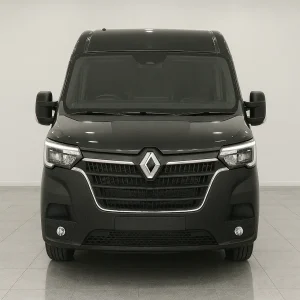
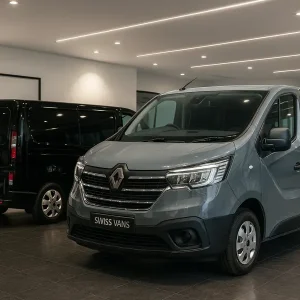
Renault Vans for Sale Perfect Commercial
Renault vans for sale have become a popular choice for businesses and individuals seeking reliable commercial vehicles. With a wide range of options available, from compact workhorses to heavy-duty powerhouses, Renault offers solutions to meet diverse transportation needs. Whether you're looking for new Renault vans for sale or considering used models, the market provides plenty of choices to suit various budgets and requirements. Wikopedia Renault
This article explores the top 10 Renault vans for sale, highlighting their key features and benefits. From the versatile Kangoo to the spacious Master, we'll examine different models to help you find the perfect commercial vehicle. We'll also discuss factors to consider when choosing a Renault van, including size, fuel efficiency, and payload capacity. Whether you're searching in the UK, Australia, Ireland, or other regions, this guide aims to provide valuable insights for your van-buying journey. See Renault Van Lease
Renault Kangoo: The Compact Workhorse
The Renault Kangoo has established itself as a versatile and reliable compact van, offering a perfect blend of practicality and efficiency for businesses of all sizes. Available in petrol, diesel, and 100% electric variants, this small van provides innovative technology and practical features that make it an ideal choice for various commercial needs.
Key Features Renault Vans For Sale
The Kangoo Van boasts a striking new design that has earned it recognition as the International Van of the Year 2022. It offers improved loading facilities and a range of driver-assistance systems to enhance safety and convenience. The van comes equipped with an active emergency braking system and lane-keeping assist, ensuring the driver's safety during both urban and long-distance journeys. See all Renault Kangoo for Sale
One of the standout features of the Kangoo Van is its rear vision assistance, which allows drivers to keep an eye on everything happening behind them. This, combined with up to 20 advanced driver assistance safety systems, provides peace of mind and a safer driving experience. See Renault Master For Sale
For a modern and personalized driving experience, the Kangoo Van offers easy smartphone connectivity. Drivers can access all their apps and connected services from the 8" central screen of the easy link multimedia system, which is compatible with both Android Auto™ and Apple CarPlay™. See all Renalt Trafic For Sale
Payload Capacity Renault Vans For Sale
The Renault Kangoo offers impressive payload capacities across its range. The van is available in two lengths, providing options to suit different business needs. The medium wheelbase (MWB) model offers a maximum payload of 850kg, while the long wheelbase (LL) version can carry up to 987kg. See all vans for sale
Although the Kangoo doesn't quite reach the 1,000kg payload mark offered by some competitors like the Citroen Berlingo and Peugeot Partner, its capacity is substantial enough to meet most small business requirements. The longer wheelbase of the LL version not only provides additional space but also offers a higher payload, making it an excellent choice for businesses that require more carrying capacity.
In terms of load volume, the Kangoo Van can accommodate up to 4.2m³ of cargo, depending on the model chosen. The load bay in the smaller wheelbase version measures 1,810mm in length and has a height of 1,215mm, with a maximum width of 1,570mm, narrowing to 1,248mm between the wheel arches.
It's worth noting that opting for the electric powertrain (E-Tech) does result in a payload penalty of almost 150kg compared to an equivalent diesel Kangoo. The E-Tech version offers a payload of 608kg, which, while not class-leading, still provides ample capacity for many business needs.
Fuel Efficiency Renault Vans For Sale
The Renault Kangoo offers excellent fuel efficiency across its range of powertrains. The diesel and petrol versions provide competitive fuel economy, making them cost-effective options for businesses with varying mileage requirements.
However, it's the all-new Kangoo E-Tech 100% electric that truly shines in terms of efficiency and running costs. This electric variant offers an improved range of 186 miles (WLTP), making it a practical and efficient alternative to traditional engines. The E-Tech version provides all the features of the diesel and petrol models while offering significantly lower running costs and zero emissions.
In real-world conditions, the electric Kangoo's range can vary depending on factors such as payload, driving speed, and ambient temperature. During winter months, users have reported ranges around 100 miles, with efficiency at about 2.2 miles per kWh. As weather conditions improve, the van's capability increases, with efficiency improving to 3.0 miles per kWh and ranges of 130-140 miles becoming achievable.
It's important to note that accessories like roof bars can impact the van's aerodynamics and, consequently, its efficiency, especially at higher speeds. For businesses prioritizing maximum range and efficiency, avoiding such accessories when not necessary could be beneficial.
The Renault Kangoo, with its blend of practicality, efficiency, and advanced features, continues to be a popular choice in the compact van segment. Whether opting for the traditional petrol and diesel models or embracing the future with the E-Tech electric version, the Kangoo offers a solution to meet diverse business transportation needs.
Renault Trafic: Versatile Mid-Size Option
The Renault Trafic stands out as a compelling and versatile mid-sized van, offering strong engines and a wealth of features. Competing against popular models like the Ford Transit Custom and Volkswagen Transporter, the Trafic has established itself as a go-to choice for businesses seeking a balance of practicality and performance.
Spacious Interior Renault Vans For Sale
The Trafic boasts an ingenious interior design that maximizes space and functionality. Its rectangular shape optimizes the loading volume, providing up to 8.9 m³ in the L2h2 version. The van offers two length options and two heights, with load volumes varying between 5.2 and 8.6 cubic meters, depending on the configuration.
One of the Trafic's standout features is its innovative load-through facility. This clever design incorporates a hatch under the passenger seat, allowing for an impressive loading length of up to 4.15 meters - the best in its segment. This feature enables the transportation of longer items, with maximum carrying lengths ranging from 3,750mm in short-wheelbase models to 4,150mm in long-wheelbase variants. See all Small vans for sale
The Trafic's dimensions cater to various business needs:
Short-wheelbase (SWB) models measure 4,999mm in length
Long-wheelbase (LWB) models extend to 5,399mm
Standard load width of 1,662mm (1,268mm between wheelarches)
Loading height (sill height) of 552mm
In the front, the Trafic offers 84 liters of storage capacity through various compartments. The cab can be easily converted into a mobile office by folding down the center seat, providing a perfect space for laptop use and document storage with an A4 size swivel stand. See all Crew Vans for sale
Engine Options Renault Vans For Sale
The Renault Trafic comes equipped with a range of powerful and efficient engines to suit different driving needs. The 2.0-liter turbodiesel engines, introduced in July 2019 and updated in January 2022, offer various power outputs:
Blue dCi 110: 110hp / 300Nm
Blue dCi 130: 130hp / 330Nm
Blue dCi 150: 150hp / 350Nm
Blue dCi 170: 170hp / 380Nm
These engines combine comfort, responsiveness, and fuel efficiency. The Blue dCi 130, for instance, proves more than capable of moving the van with reasonable vigor. For those seeking more power, the 150hp and 170hp versions offer even keener performance, especially when paired with the optional six-speed automatic gearbox.
All engine variants come equipped with a Stop & Start system, helping to optimize fuel consumption. Additionally, AdBlue® technology is integrated to reduce CO2 emissions, offering a balance between responsive driving and environmental consciousness. See all Automatic Vans for sale
Technology Features Renault Vans For Sale
The Renault Trafic has undergone significant technological upgrades, particularly with its 2022 facelift. The van now boasts a striking new interior design that combines style with functionality. Key technology features include:
EasyLink infotainment system with an 8.0-inch central touchscreen
Integrated Apple CarPlay and Android Auto
Wireless phone charger
Three USB ports
4.2-inch color display in the instrument cluster
Standard Bluetooth and DAB radio
Safety has been a priority in the Trafic's design, with ten new advanced driver-assistance systems introduced. These include:
Blind Spot Warning
Adaptive Cruise Control
Lane Departure Warning
Emergency Braking System
These features contribute to a safer and more comfortable driving experience, especially for those spending long hours on the road.
The Renault Trafic's combination of spacious interior, powerful engine options, and advanced technology features makes it a versatile and attractive option in the mid-size van market. Its ability to adapt to various business needs while providing comfort and efficiency has solidified its position as a popular choice among commercial vehicle users.
Renault Master: The Heavy-Duty Powerhouse
The Renault Master stands out as a versatile and robust full-size commercial van, designed to meet the diverse needs of businesses and fleet operators. Competing with popular models like the Peugeot Boxer and Citroën Relay, the Master offers a range of features that make it a formidable choice in the large van category.
Impressive Load Capacity
The Renault Master sets the benchmark for loading capabilities in its class. With a payload capacity of up to 1,625 kg and the ability to tow up to 2.5 tons, it offers exceptional versatility for demanding jobs. The spacious cargo area can provide up to 19m³ of load volume, depending on the model chosen.
Access to the cargo area is convenient and efficient. The Master boasts the widest sliding side door opening in its category, while the rear doors can swing open to a full 270 degrees, providing unobstructed access for forklifts or euro pallets. An integrated footstep makes loading and unloading even more convenient, reducing strain on workers. The abundance of tie-down points and LED lighting further enhance the functionality of the loading space, especially in low-light conditions.
Renault Vans For Sale
Customization Options Renault Vans For Sale
The new Renault Master takes customization to the next level with its specialized applications designed in collaboration with industry experts. At the heart of this innovation is the OpenR Link system with the Convertor Companion option. This feature allows professionals to seamlessly integrate and control custom vehicle modifications directly through the van's 10-inch touchscreen display.
Whether operating a mobile workshop, a refrigerated transport service, or any other specialized business, the Convertor Companion adapts the Master's interface to unique requirements. This means users can monitor and manage job-specific equipment, climate control systems, or other bespoke features without the need for additional control panels or displays.
The Master offers a wide range of accessories for the cabin, protection, layout, and transportation. These include:
Cabin Accessories: Induction vent-mounted smartphone holder, textile floor mat, rubber floor mat
Protection and Layout Accessories: Loading area protection, mudguards, front and rear wheel arch protection, underbody protection
Transportation Accessories: Roof rack, walkway and ladder, 4-hole combined towbar hook
Comfort and Safety
The driver's area has been significantly updated, featuring a more car-like dashboard layout with improved ergonomics. A new, larger touchscreen infotainment system takes center stage, offering intuitive control over navigation, entertainment, and vehicle settings. The multi-functional steering wheel allows drivers to control various features without taking their hands off the wheel.
Comfort has been enhanced with redesigned seats offering better support for long journeys. The cab area includes numerous storage options, including overhead compartments, large door pockets, and a clever folding middle seat that can double as a mobile office desk. See all Van lease deals
The new Renault Master prioritizes safety through its comprehensive 'Human First' program, which equips the van with 20 cutting-edge driver assistance technologies. These advanced systems work together to enhance road safety, reduce driver fatigue, and minimize the risk of accidents. Key safety features include park assist, a sensor that warns of potential collisions with pedestrians, and a blind spot warning system that detects the presence of cyclists or vehicles in rear side areas.
Renault Zoe Van: The Electric Revolution
The Renault Zoe Van represents a significant departure from traditional commercial vehicles, offering a unique blend of eco-friendly technology and practical utility. This innovative electric van has been designed to cater to businesses looking to reduce their carbon footprint while maintaining efficiency in their operations.
Zero Emissions
The Renault Zoe Van stands out as a fully electric, zero-emission vehicle, making it an ideal choice for organizations aiming to lower their environmental impact. This eco-conscious approach allows businesses to operate in urban areas with strict emissions regulations without incurring additional charges. The van's electric powertrain ensures that it produces no tailpipe emissions, contributing to cleaner air in cities and helping companies meet their sustainability goals.
Range and Charging
One of the most impressive features of the Renault Zoe Van is its exceptional range for an electric commercial vehicle. Equipped with a 52kWh battery pack, the van boasts an official driving range of 245 miles on a single charge. This range is currently unmatched in the electric van market, providing businesses with the confidence to undertake longer journeys without the need for frequent recharging.
The Zoe Van offers flexible charging options to suit various needs:
Fast Charging: With the optional 50kW fast charging capability, the van can achieve an 80% charge in just 70 minutes, minimizing downtime during busy workdays.
Standard Charging: Every version comes with 22kW charging capability, allowing for a full charge in 3 hours.
Home Charging: Using a common 7kW home wallbox charger, the van can be fully charged in 9 hours and 25 minutes, making overnight charging convenient for many users.
The van is also fitted with a Chameleon charger, which can adapt to various power supplies ranging from 3kW to 22kW, enhancing its charging flexibility.
Cost Savings Renault Vans For Sale
While the initial purchase price of the Renault Zoe Van may be higher than some conventional alternatives, it offers significant long-term cost savings:
Low Running Costs: The electric powertrain results in exceptionally low running costs, estimated at as little as 2p per mile (3p per mile in winter).
Reduced Maintenance: With fewer moving parts and no need for oil changes, the Zoe Van requires less frequent and less expensive maintenance.
Longevity of Parts: Components such as brakes tend to last longer due to the regenerative braking system, further reducing maintenance costs.
Fuel Savings: The cost of electricity is significantly lower than conventional fuels, leading to substantial savings over time.
Tax Benefits: Many regions offer tax incentives for electric vehicles, potentially reducing the overall cost of ownership.
Strong Residual Values: The Zoe Van is expected to retain its value better than diesel counterparts, with predictions suggesting up to a third more money back at resale.
Renault Vans For Sale
These cost advantages mean that businesses can quickly recoup their initial investment, especially when operating in urban areas that prioritize or incentivize electric vehicles. The combination of low running costs, reduced maintenance expenses, and potential tax benefits makes the Renault Zoe Van an economically attractive option for businesses looking to transition to electric fleets.
Factors to Consider When Choosing a Renault Van
When selecting a Renault van for a business, several key factors come into play. These considerations help ensure that the chosen vehicle aligns with the company's specific needs, budget constraints, and operational requirements.
Business Needs Renault Vans For Sale
The first step in choosing the right Renault van involves assessing the unique requirements of the business. This includes evaluating the nature of the cargo, the frequency and distance of journeys, and any specific terrain challenges that may be encountered. By understanding these factors, businesses can determine which Renault van model best suits their operations.
For instance, the Renault Trafic offers versatility for various business needs. The crew van version, starting from £39,790, provides:
6 seats
Maximum payload of 1,122 kg
Standard load volume of 4.3 m³
Alternatively, the panel van version, starting from £35,890, offers:
3 seats
Maximum payload of 1,017 kg
Standard load volume of 5.8 m³
These specifications allow businesses to choose between passenger capacity and cargo space based on their specific requirements.
Budget Renault Vans For Sale
Budget considerations play a crucial role in the decision-making process. When evaluating the cost of a Renault van, businesses should look beyond the initial purchase price and consider the Total Cost of Ownership (TCO).
Renault Trucks offers customized maintenance contracts valid from 2 to 7 years, covering up to 250,000 km annually. These contracts are tailored to each vehicle's requirements and field of activity, helping businesses manage long-term costs effectively.
Additionally, Renault Trucks Financial Services provides various financing options for vehicles and body parts, as well as insurance and service contracts. These options include:
All-in-one financial leasing
Insurance coverage for single vehicles or entire fleets
Extended protection for unforeseen events
Fast damage processing
By considering these financial services, businesses can better control their TCO and avoid unexpected expenses.
Fuel Type
The choice of fuel type has a significant impact on both operational costs and environmental considerations. While diesel engines still dominate the commercial van market, accounting for about 75% of owners' choices, other options are gaining traction.
Petrol vans are becoming increasingly popular in the small van category due to their greater fuel efficiency for shorter distances. They suit drivers who primarily operate in towns and cities and carry lighter loads. Petrol engines are generally seen as more environmentally friendly than diesel, with lower CO2 emissions. However, they consume more fuel comparatively, which may affect their eligibility for free operation in ultra-low emission areas.
Electric vans, such as the Renault Zoe Van, offer zero-emission operation, making them ideal for businesses aiming to reduce their carbon footprint. These vehicles provide significant long-term cost savings through lower running and maintenance costs, estimated at as little as 2p per mile (3p per mile in winter).
When considering fuel type, businesses should evaluate factors such as:
Typical journey distances
Payload requirements
Environmental regulations in operating areas
Long-term cost implications
By carefully weighing these factors – business needs, budget, and fuel type – companies can make an informed decision when choosing a Renault van that best aligns with their operational requirements and financial goals.
Conclusion Renault Vans For Sale
Renault's lineup of commercial vehicles offers a wide range of options to suit various business needs. From the compact Kangoo to the heavy-duty Master, each model has its own strengths to address specific requirements. The introduction of electric options like the Zoe Van also shows Renault's commitment to sustainability, giving businesses a chance to reduce their carbon footprint while maintaining efficiency.
When choosing a Renault van, it's crucial to consider factors such as business needs, budget, and fuel type. By carefully weighing these aspects, companies can find a vehicle that aligns with their operational demands and financial goals. With Renault's diverse range and commitment to innovation, businesses have the opportunity to find a van that not only meets their current needs but also adapts to future challenges in the commercial vehicle landscape.
FAQ Renault Vans For Sale
What is the most favored commercial van in the market?
The Ford Transit holds the title for the most favored commercial van in the U.S., celebrated for its reliability, fuel efficiency, and a broad spectrum of features and options. It offers ample cargo space, robust engines, and a comfortable driving experience.
How do Renault vans perform?
Renault Trafic Vans are well-regarded for their driving and performance capabilities. They provide good acceleration and sufficient torque, which is essential for load-carrying and towing tasks. Additionally, the diesel engines in these vans are refined and relatively quiet, contributing to a comfortable ride for both the driver and passengers.