Call us on
 Renault Minibus
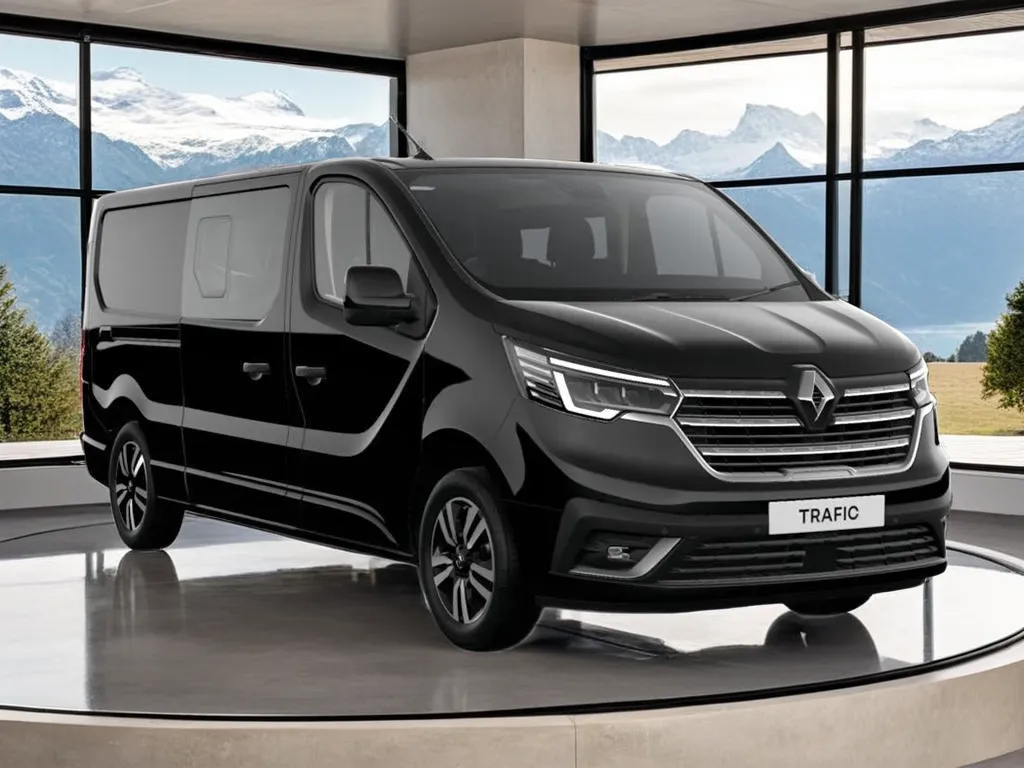

Renault Minibus: The Ultimate Guide to Models and Features
The Renault minibus has become a popular choice for those seeking versatile and efficient transportation solutions. These vehicles offer a perfect balance of passenger capacity, comfort, and practicality, making them ideal for various applications ranging from shuttle services to small group travel. With their robust design and advanced features, Renault minibusses have gained a reputation for reliability and performance in the commercial vehicle market. See all Renault Vans
This guide provides a comprehensive overview of Renault minibus models and their key features. It explores the different options available, helping readers understand the unique characteristics of each model. The article also delves into the specifications that set Renault minibusses apart from their competitors, and offers insights to assist in choosing the right vehicle for specific needs. By the end, readers will have a clear understanding of what makes Renault minibusses a top choice in the transportation industry.
Renault Minibus Models Overview
Renault offers a diverse range of minibus models to cater to various transportation needs. These vehicles combine comfort, practicality, and advanced features to provide efficient solutions for passenger transport. Let's explore the key models in Renault's minibus lineup.
Trafic Passenger
The Renault Trafic Passenger stands out as a versatile option for both families and passenger transport professionals. It boasts an expressive design and a modular passenger compartment that can accommodate up to 9 seats. The vehicle's generous luggage space makes it ideal for long trips and adventures.
Key features of the Trafic Passenger include:
- 17" wheels and iconic C-shaped LED headlights
- 8" screen with optional built-in navigation
- Wireless charger and smartphone mirroring compatibility
- Up to 6,000 liters of boot space
- Flexible seating arrangements (5, 6, or 9 seats)
- Advanced driver assistance systems, including active emergency braking and lane departure warning
Master Minibus
The Renault Master Minibus is a full-size commercial van that falls into the large van category. It's designed to meet the diverse needs of businesses and fleet operators, offering various configurations to suit different applications.
Notable aspects of the Master Minibus include:
- Available in panel van, crew cab van, and box van options
- High-performance design focusing on aerodynamic performance
- Impressive payload capacity of up to 1,625 kg
- Ability to tow up to 2.5 tons
- Widest sliding side door opening in its category
- Rear doors that can swing open to 270 degrees
Other Renault Minibus Options
Renault also offers additional minibus options to cater to specific requirements:
- Master LM35: This model provides flexibility with different passenger and wheelchair configurations. For example:
- LM35 3500Kgs 2.3dCi 110bhp: 1 cab passenger, 5 saloon passengers, 2 wheelchair passengers
- LM35 Start 3500Kgs Blue dCi 135 Euro6: 1 cab passenger, 11 saloon passengers, 2 wheelchair passengers
- Master 17-seat Minibus: This stylish and well-equipped factory-built minibus is ideal for primary schools and institutions with limited space. Features include:
- Six-speed gearbox
- Overall length of 6.20m
- Gross vehicle weight of 3.9t
- Overhead luggage storage
These Renault minibus models offer a range of options to suit various passenger transport needs, from family outings to professional shuttle services.
Key Features and Specifications
Seating Capacity and Configurations
The Renault minibus offers exceptional flexibility in seating arrangements. The Trafic Passenger model accommodates up to 9 seats, catering to the needs of large families and passenger transport professionals. Its modular design allows for various configurations with 5, 6, or 9 seats, enabling users to arrange the interior as needed. The spacious passenger compartment features large sliding windows at the rear, enhancing comfort for all occupants.
Engine and Performance
Renault minibusses are equipped with powerful and efficient engines. The Trafic introduces a new 2.0l dCi diesel engine with variable geometry turbo, compliant with Euro 6d-temp standards. This 5th generation engine offers increased power and torque while being more environmentally friendly. Engine options include:
- 120 hp version with 330 Nm of torque
- 150 hp version with 350 Nm of torque
- 170 hp version with 380 Nm of torque
These engines come with either a 6-speed manual gearbox or an automatic dual-clutch 6-speed EDC transmission. The Stop & Start technology is standard, optimizing fuel consumption by cutting the engine when stopped and restarting automatically when the clutch is engaged.
Safety Features
Renault minibusses prioritize safety with advanced driver assistance systems. Key safety features include:
- Active Emergency Braking System: Detects vehicles, cyclists, and pedestrians, stopping the vehicle in case of danger
- Lane Departure Warning: Alerts the driver of unintended lane crossings
- Blind Spot Warning: Uses warning lights to alert about vehicles not visible in the field of vision
- Intelligent Speed Assist: Informs about speed limits and alerts if exceeded
- Driver Attention and Drowsiness Warning: Analyzes behavior and warns of fatigue risks
Comfort and Convenience
The Renault minibus range offers numerous comfort and convenience features:
- Up to 6,000 liters of boot space in the Trafic Passenger
- Numerous storage options (up to 84.2 L)
- Electric foldable door mirrors and front fog lights
- Manual air conditioning system with pollen filter
- Connectivity options including Bluetooth, DAB Radio, and USB sockets
- Power-assisted steering for easy maneuvering
- Rear parking sensors for parking assistance
These features combine to create a comfortable and practical environment for both drivers and passengers.
Choosing the Right Renault Minibus
Selecting the appropriate Renault minibus involves careful consideration of various factors to ensure it meets specific requirements. This process includes assessing needs, comparing available models, and exploring customization options.
Assessing Your Needs
The first step in choosing the right Renault minibus is to evaluate specific requirements. This includes determining the number of passengers to be transported, the amount of cargo space needed, and the intended use of the vehicle. For instance, the Trafic Passenger offers flexible seating arrangements with options for 5, 6, 8, or 9 seats, allowing users to adapt the interior as needed. It's essential to consider whether the minibus will be used for family outings, professional shuttle services, or other purposes.
Comparing Models
Renault offers a range of minibus models, each with unique features and capabilities. The Trafic Passenger, for example, boasts a modular passenger compartment and up to 8.9 m³ of loading volume in the L2H2 version. It also features advanced driver assistance systems such as lane departure warning, adaptive cruise control, and an active emergency braking system. The Master range, on the other hand, has been refreshed with a more modern front-end design and an updated interior. When comparing models, it's crucial to consider factors such as engine performance, fuel efficiency, and safety features.
Customization Options
Renault provides various customization options to tailor the minibus to specific needs. The Trafic, for instance, offers wooden interior trim, protective covering, and additional storage solutions. Customers can choose from different length options, heights, and payloads. The Master range allows for extensive customization, including crew cabs, windows, partitions, and door configurations. Additionally, Renault offers conversion options such as the Coolkit Refrigerated Van. When customizing, it's important to consider factors like seating configurations, technological features, and storage solutions to ensure the minibus meets all requirements.
Conclusion
Renault minibusses have a significant impact on the passenger transport industry, offering a blend of versatility, comfort, and efficiency. The range of models, from the adaptable Trafic Passenger to the spacious Master Minibus, caters to diverse needs, whether for family outings or professional shuttle services. With advanced safety features, flexible seating arrangements, and powerful yet eco-friendly engines, these vehicles are well-equipped to handle various transportation challenges.
To choose the right Renault minibus, it's crucial to consider specific requirements, compare available models, and explore customization options. By carefully evaluating factors such as seating capacity, cargo space, and intended use, buyers can find a minibus that perfectly fits their needs. The ability to tailor these vehicles with different configurations and features ensures that each Renault minibus can be optimized to deliver exceptional performance and comfort in its intended role.
FAQs
What typical issues do Renault Trafic owners face?
Owners of the Renault Trafic might experience mechanical problems such as difficulties with the transmission, issues with the suspension, and brake malfunctions.
Which engine option is recommended for the Renault Trafic?
The most recommended engine for the Renault Trafic is the twin-turbo 1.6, available in either 120PS or 140PS, offering fuel efficiency of up to 47mpg. These twin-turbo engines are particularly effective for heavy-duty tasks, providing most of their torque starting from just 1250rpm.
What is the price of the Renault Master minibus?
The Renault Master minibus in its Short Wheelbase configuration starts at $53,990 plus on-road costs (ORC), and comes with an impressive warranty of 350,000km or three years.
Can you describe the various models of the Renault Trafic?
The Renault Trafic is available in several forms: a panel van, crew van, or passenger van. It comes in up to four different variants based on the wheelbase length: L1 (short wheelbase) and L2 (long wheelbase), specifically L1H1, L2H1, L1H2, and L2H2. The L1H1 variant offers a load volume of up to 5.8 cubic meters, whereas the larger L2H2 model provides up to 8.9 cubic meters.