 Call us on
 Why Lease With Swiss Vans




Products
Peugeot Boxer For Sale
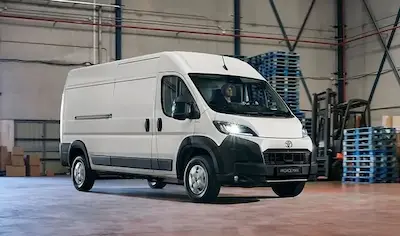
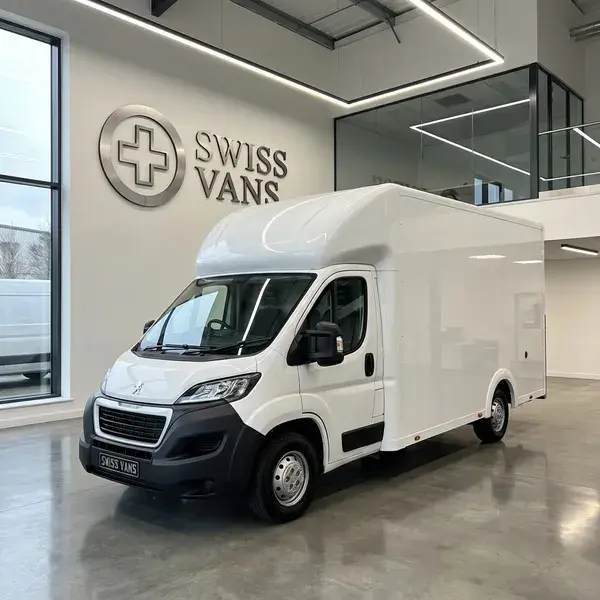
The Peugeot Boxer van is a popular choice for businesses and individuals looking for a reliable and versatile commercial vehicle. With various options available, including new Peugeot Boxer vans for sale and used Peugeot Boxer vans for sale, finding the right model to meet specific business needs can be challenging. This guide aims to help potential buyers navigate the market for Peugeot Boxer vans for sale in the UK and beyond.
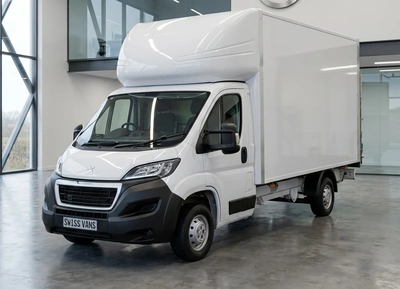
From understanding the different engine sizes and load capacities to exploring features like the comfortable driver seat and spacious cargo area, this article covers key aspects to consider when purchasing a Peugeot Boxer van. Readers will learn about where to find Peugeot Boxer vans for sale, how to evaluate their condition, and what to look for in terms of performance and practicality. Whether seeking a new or used Peugeot Boxer, this guide provides valuable insights to make an informed decision. See all vans for sale
Overview of Peugeot Boxer Vans
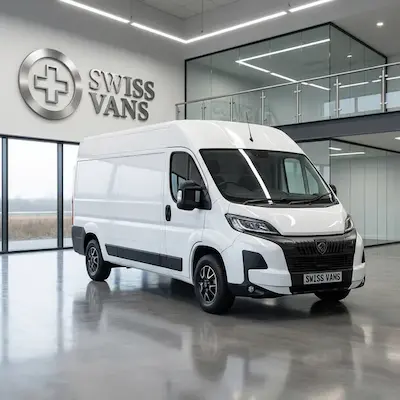
The Peugeot Boxer is a versatile and robust commercial vehicle designed to meet the needs of various businesses. As the largest panel van in Peugeot's lineup, it offers a range of options to suit different requirements. See all Large Vans for sale
Key features and specifications
The Peugeot Boxer van comes in multiple configurations, allowing businesses to find the perfect match for their specific needs. It is available in four body lengths, three wheelbase lengths, and three heights, providing ample flexibility for various applications. The van's payload capacity ranges from 1,125kg to 1,570kg, making it suitable for transporting heavy loads. See all Peugeot Van Lease deals
One of the standout features of the Peugeot Boxer is its impressive load space. It offers one of the widest load space widths in its class at 1,870mm, with the tallest H3 model providing an interior height of 2,172mm. The generous 1,422mm space between the wheel arches easily accommodates a Europallet widthways, enhancing its practicality for businesses that frequently transport palletized goods. See all Peugeot Expert for sale
Available models and configurations
The Peugeot Boxer range includes several trim levels to cater to different business requirements:
S: A no-nonsense panel van that focuses on getting the job done efficiently.
Professional: Adds desirable features for an excellent all-round experience.
Grip: Features raised ride height, protective plating, all-season tires, and advanced computers, making it ideal for challenging terrains.
Asphalt: Offers more creature comforts, essential for businesses that require long hours on the road.
In addition to these trim levels, the Peugeot Boxer is available in various body styles, including panel van, window van, and chassis cab configurations. This extensive range allows businesses to choose a van that perfectly suits their specific needs.
Fuel efficiency and performance
The Peugeot Boxer has undergone several engine updates to improve fuel efficiency and performance while meeting the latest emissions standards. The most recent update introduced a 2.2-liter BlueHDi diesel engine, available in two power outputs: See all Peugeot Partner for sale
120 bhp version with 310 Nm of torque
140 bhp version with 340 Nm of torque
Both engines come with a six-speed manual gearbox as standard and feature start-stop technology to enhance fuel efficiency. The 120 bhp engine achieves a combined fuel economy of up to 34.9 mpg, while the 140 bhp version delivers up to 34.3 mpg, based on the latest WLTP test cycle.
These engines offer improved performance and lower emissions compared to their predecessors. The CO2 emissions range from 153 to 175 g/km, depending on the panel van size and configuration. This makes the Peugeot Boxer an attractive option for businesses looking to reduce their carbon footprint while maintaining high performance standards.
For businesses seeking an even more environmentally friendly option, Peugeot has introduced the e-Boxer, an all-electric variant of the popular van. This model emits zero CO2 while driving and offers a range of up to 211 miles, making it suitable for businesses operating in urban areas or those with shorter delivery routes.
The Peugeot Boxer's combination of versatility, payload capacity, and fuel efficiency makes it a compelling choice for businesses in search of a reliable and capable commercial vehicle. Whether opting for a new Peugeot Boxer for sale or considering a used Peugeot Boxer for sale, businesses can find a configuration that meets their specific requirements and helps drive their operations forward.
Factors to Consider When Buying a Peugeot Boxer
When searching for a Peugeot Boxer for sale, there are several important factors to take into account to ensure the van meets specific business needs and provides the best value for money. These considerations will help potential buyers make an informed decision when choosing the right Peugeot Boxer van for their requirements.
New vs. used vans
One of the primary decisions to make when looking for a Peugeot Boxer for sale is whether to opt for a new or used vehicle. Both options have their advantages and drawbacks, depending on individual circumstances and preferences.
New Peugeot Boxer vans offer the latest features, technologies, and engine options. They come with full manufacturer warranties and have no previous wear and tear. However, they are generally more expensive than used models. On the other hand, used Peugeot Boxer vans can provide excellent value for money, especially if they have low mileage and have been well-maintained. Used vans may also have already undergone initial depreciation, making them a more cost-effective choice for some buyers.
When considering a used Peugeot Boxer for sale, it's essential to check the vehicle's history, including its MOT records and service history. Inspecting the van for any signs of rust, particularly under the driver's cab carpet and flooring, as well as examining the engine mounts and wheel arches, can help assess its overall condition.
Peugeot Boxer For Sale
The budget plays a crucial role in determining which Peugeot Boxer van to purchase. New vans typically require a higher initial investment but may offer lower running costs and better fuel efficiency. Used vans, while generally less expensive upfront, might incur higher maintenance costs over time.
When evaluating the budget, it's important to consider not only the purchase price but also ongoing expenses such as fuel consumption, insurance, and potential repair costs. The Peugeot Boxer's fuel economy ranges from 41.5 mpg to 47 mpg, depending on the model and engine size, which can significantly impact long-term running costs.
Additionally, exploring financing options such as business finance or contract hire can help make a new Peugeot Boxer more accessible for those with budget constraints. These options can spread the cost over time and potentially include maintenance packages for added peace of mind.
Intended use and payload requirements
The intended use of the Peugeot Boxer van is a critical factor in selecting the right model. The Boxer comes in various configurations, including panel vans, window vans, and chassis cabs, each suited to different business needs.
Payload capacity is a crucial consideration, with the Peugeot Boxer offering options ranging from 1,125 kg to 1,900 kg. It's essential to choose a van that can comfortably handle the expected load without compromising performance or safety.
Load space is another vital aspect to consider. The Peugeot Boxer offers load volumes from 8 cubic meters to 17 cubic meters, depending on the model. The van's dimensions, including load length, width, and height, should be carefully evaluated to ensure they meet specific business requirements.
For businesses requiring versatility, the Boxer's range of wheelbases (3m, 3.45m, and 4.03m) and load lengths (L1, L2, L3, and L4) provide options to suit various needs. The availability of three height options (H1, H2, and H3) further expands the possibilities for customization.
When selecting a Peugeot Boxer van for sale, it's crucial to consider the specific demands of the intended use, such as frequent long-distance driving, urban deliveries, or specialized cargo transport. This will help determine the most suitable engine size, body style, and additional features required to optimize the van's performance and efficiency for the intended purpose.
Where to Find Peugeot Boxer Vans for Sale
Finding the right Peugeot Boxer van for sale can be a straightforward process if you know where to look. There are several options available to potential buyers, each with its own advantages. Here's a comprehensive guide to help you locate the perfect Peugeot Boxer van to meet your business needs.
Authorised Peugeot Boxer For Sale
One of the most reliable places to find Peugeot Boxer vans for sale is through authorized Peugeot dealerships. These dealerships offer a wide range of new and used Peugeot Boxer vans, ensuring that customers have access to the latest models and configurations. For instance, Bristol Street Motors Peugeot Exeter provides an extensive selection of the newest Peugeot models, including the Peugeot Boxer. These dealerships often have expert advisors who can share their extensive product knowledge and offer cost-effective solutions tailored to your specific requirements.
Stellantis &You Peugeot dealerships, with 24 locations nationwide, are another excellent option. They not only offer new Peugeot Boxer vans but also have a huge choice of manufacturer-approved used vehicles. Each used van undergoes a comprehensive vehicle check and comes with a minimum 12-month warranty and roadside assistance, providing peace of mind to buyers.
Online Market Places Peugeot Boxer For Sale
For those who prefer to browse from the comfort of their own home, online marketplaces and classified websites are excellent resources to find Peugeot Boxer vans for sale. Platforms like vehicle platforms, Motors.co.uk, and Gumtree often have extensive listings of both new and used Peugeot Boxer vans.
These online platforms allow you to filter your search based on specific criteria such as price range, mileage, year of manufacture, and location. For example, a search on one popular classified site revealed over 30 Peugeot Boxer vans for sale, ranging from 2014 models to brand new 2024 registrations. This variety gives buyers the flexibility to choose a van that fits their budget and specifications.
Used van specialists
Used van specialists are another valuable resource for finding Peugeot Boxer vans for sale, especially if you're in the market for a pre-owned vehicle. These specialists often have a diverse inventory of used Peugeot Boxer vans in various configurations, including panel vans, window vans, and chassis cabs.
Evans Halshaw, for instance, stocks an exceptional range of used vans, including Peugeot Boxers. They offer a comprehensive selection of quality, robust vehicles from compact vans to pickup trucks. Their friendly associates at local dealerships can help you find the ideal vehicle for your needs.
When searching for a used Peugeot Boxer van, it's crucial to consider factors such as mileage, service history, and overall condition. Many used van specialists provide detailed information about each vehicle, including its MOT history and any additional features or modifications.
In conclusion, whether you're looking for a new Peugeot Boxer for sale or a used model, there are numerous avenues to explore. From authorized dealerships offering the latest models and expert advice to online marketplaces providing a wide selection and used van specialists with diverse inventories, you're sure to find a Peugeot Boxer van that meets your specific business needs and budget requirements.
Conclusion Peugeot Boxer For Sale
The Peugeot Boxer van offers a wide range of options to suit various business needs. From its versatile configurations and impressive load capacity to its fuel-efficient engines, the Boxer has a lot to offer. Whether you're in the market for a new or used model, there are plenty of avenues to explore, including authorized dealerships, online marketplaces, and used van specialists.
When searching for your ideal Peugeot Boxer, it's crucial to consider factors like intended use, payload requirements, and budget constraints. By carefully weighing these aspects and thoroughly researching available options, you can find a Peugeot Boxer van that not only meets your current needs but also supports your business growth in the long run. Remember, the right commercial vehicle can have a big impact on your operations, so take your time to make an informed decision.
FAQ Peugeot Boxer For Sale
What are common issues with the Peugeot Boxer?
The third-generation Peugeot Boxer often encounters issues with the brake fluid level warning light turning on. Additionally, if the vehicle is used frequently for deliveries, there may be instances where the engine falters, especially when accelerating.
How dependable is the Peugeot Boxer as a van?
The Peugeot Boxer has established a reputation for being generally dependable over the years. The latest diesel engines, though newer and needing time to prove their reliability, are based on older, reliable technology.
What kind of vehicle is the Peugeot Boxer?
The Peugeot Boxer is a van designed to combine compact external dimensions with a spacious cargo area. It offers a payload capacity ranging from 2.8 to 4 tons and a load volume of 8m³ to 17m³. This includes the electric model, which maintains the same load capacity as the non-electric versions.
How frequently should a Peugeot Boxer van be serviced?
It is advisable to service your Peugeot Boxer every 6 months or every 6,000 miles, especially if it is driven frequently over long distances. The service includes checks on lights, fluid levels, tires, suspension, and a visual inspection of the brakes.