 Call us on
 Delivery Vans For Big Brands
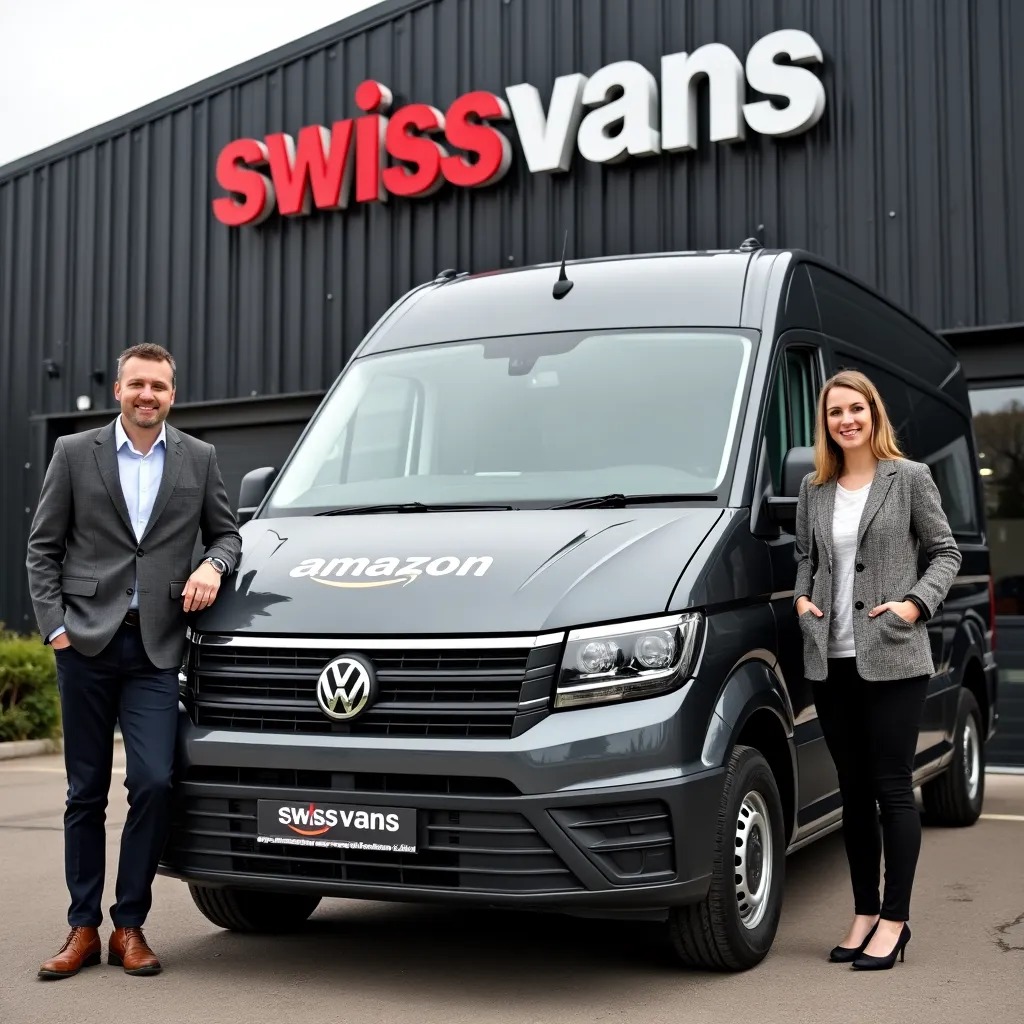
Amazon Vans
Vans for sale for Amazon drivers
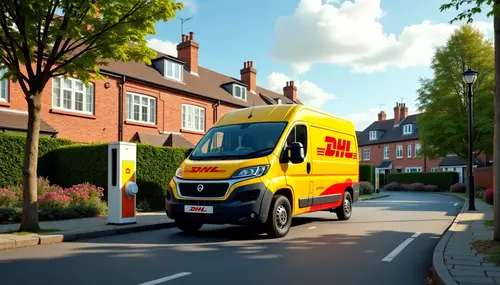
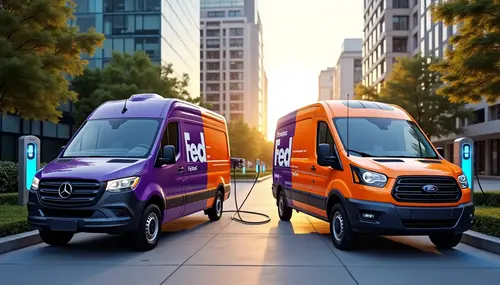
DX Vans
Vans For DX Drivers
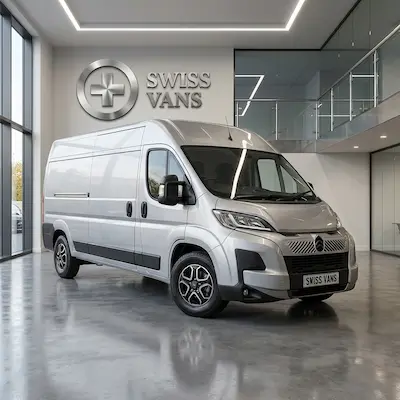
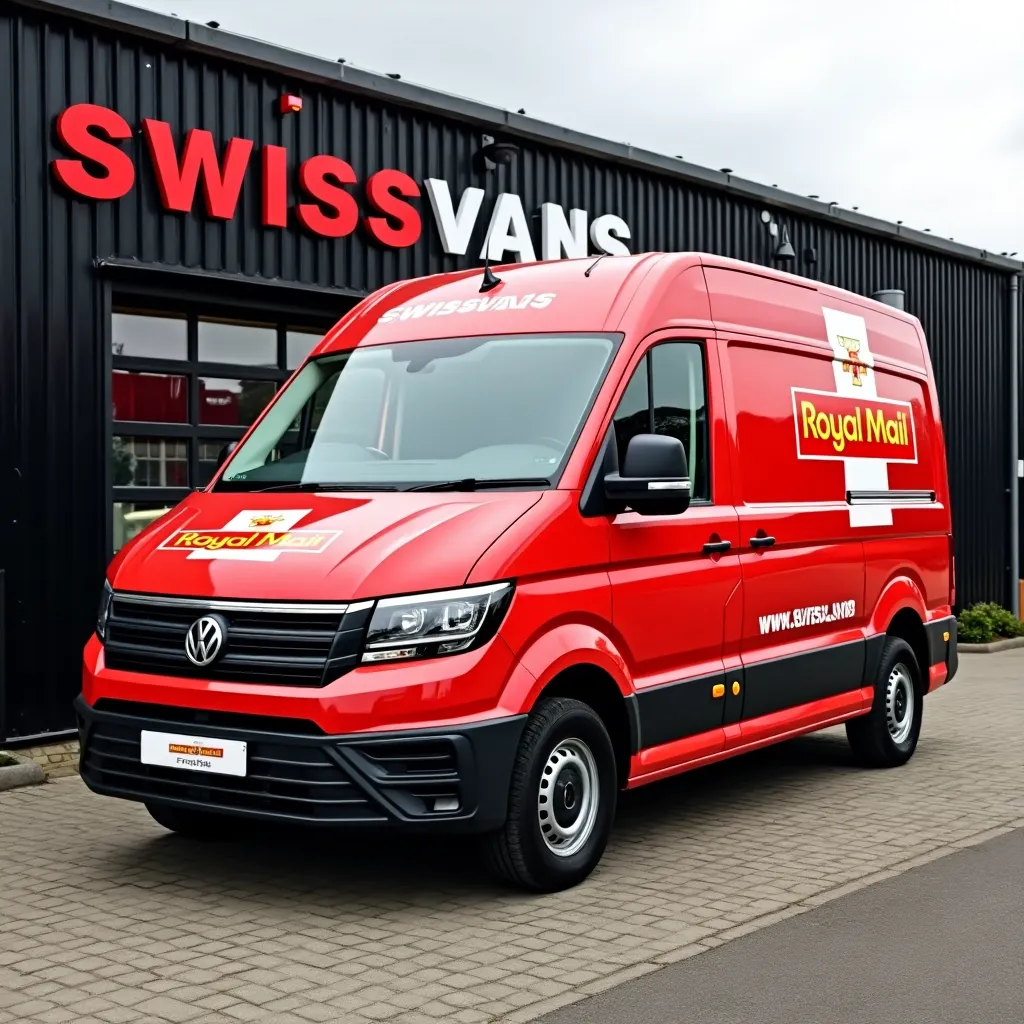
UPS Vans
UPS Vans for Depots
Delivery Vans: Choosing Perfect Vehicle for Business
Your Delivery Vans business could lose thousands of dollars from picking the wrong delivery van. Extra fuel costs, repair bills, and reduced output can eat into your profits. My experience helping businesses optimize their delivery fleets shows how this choice affects their financial success. Source
Picking through delivery van options can feel daunting. Small vans excel at urban deliveries while larger ones handle heavy cargo loads. Electric models support environmentally responsible operations. Specialized vehicles like refrigerated vans serve unique needs. Each option brings its own benefits to think over. See all vans for sale
Let me walk you through everything about choosing the right delivery van for your business needs. This piece covers cargo capacity, fuel efficiency, maintenance costs, and ways to future-proof your investment. These insights will help you make a smart choice that serves your business well. See all Parcel vans
Understanding Your Business Requirements Delivery Vans
Let’s get a full picture of our business needs before we look at van specifications. The numbers tell an interesting story – last-mile delivery makes up 53% of total shipping costs. Smart choices about our delivery fleet will make or break our operations.
What Vans Do Big Brands Use for Delivery?
Our delivery environment and routes need a good look first. The type of area we serve – urban, suburban, or rural – will affect what vehicles work best. Here’s what we need to think over:
- Route complexity and frequency
- Geographic terrain and infrastructure
- Delivery time windows
- Traffic patterns and restrictions
- Distance between stops
Calculating Required Cargo Capacity Delivery Vans
The right cargo capacity makes operations run smoothly. Van cargo volume can be measured in two main ways:
| Measurement Method | Description | Best For |
|---|---|---|
| VDA Method | Uses standardized blocks (200x100x50mm) | More realistic capacity assessment |
| SAE Method | Uses smaller measurement units | Maximum theoretical space |
It’s worth mentioning that overloading can lead to collateral damage – vehicle problems, legal troubles, and higher costs. You should calculate payload needs based on average daily delivery volume. Leave room for growth and seasonal peaks.
Assessing Driver Comfort Needs Delivery Vans
A driver’s comfort leads to better productivity and retention. Our drivers spend 8-10 hours daily in their vehicles. Their working environment needs these features:
- Ergonomic seating with proper adjustment options
- Available entry and exit points
- Enough cabin space to move around
- Climate control systems
- Storage solutions for personal items
Good driver comfort does more than support our team’s well-being. It helps keep drivers around longer and streamlines processes. Today’s delivery vans come with digital displays, better sound systems, and improved suspension. These features boost the driving experience by a lot.
Comparing Van Categories and Types Delivery Vans
Here’s a guide to different delivery van categories that will help you find the right vehicle for your business needs. Our market data analysis gives you detailed comparisons of vans of all types.
Small vs Medium vs Large Vans
The right van size depends on your load space and payload capacity needs. These categories show the key differences:
| Van Category | Load Length | Width | Height | Typical Payload |
|---|---|---|---|---|
| Small Vans | 1.7m | 1.5m | 1.2m | 500-900kg |
| Medium Vans | 2.4m | 1.7m | 1.4-1.65m | 900-1,200kg |
| Large Vans | 3.4m | 1.7m | 1.7m | 1,200-1,500kg |
Traditional vs Electric Options Delivery Vans
The market shows a fundamental change toward electric delivery vans. Sales grew by 21% in 2023, reaching 20,253 units. Diesel vans still lead with 91.6% of registrations. Electric vans have several key advantages:
- Operating Costs: Electric vans cost as little as 2-3p per mile to operate, which makes them a better choice than diesel vans at 10p per mile
- Maintenance: Service costs average £143.75 for electric vans – about £30 less than diesel alternatives
- Range Capabilities: Modern electric vans can travel between 171 and 304 miles on a single charge
Specialized Industry-Specific Features
Special Application Vehicles (SAVs) have become vital in industries of all types. These purpose-built vehicles include:
- Healthcare Delivery: Mobile clinics and medical laboratories that provide remote services
- Display Vehicles: Custom-designed vehicles that showcase brands and marketing
- Mobile Workshops: Vans with specialized tools and equipment
Today’s market offers exceptional versatility. Businesses can adapt their vehicles for multiple uses, from mobile offices to pop-up shops. Your industry’s specific requirements and future growth potential should guide your choice of specialized features.
Essential Features for Delivery Operations Delivery Vans
Our experience with delivery fleet operations shows that protecting your investment goes beyond just choosing the right van. You need to give it essential features that boost efficiency and safety. Let’s look at the significant elements that change a basic delivery van into a powerful business asset.
Loading and Access Configurations
Proper load optimization can substantially affect delivery efficiency. Modern delivery vans should include:
- Bulkhead between load compartment and cab for driver protection
- Strategic loading against headboard or within 30cm where possible
- Specialized access points for different cargo types
- Load securing mechanisms to prevent movement during transit
Load Planning Considerations: Our research shows that well-executed load planning reduces the number of required trips and cuts down on empty miles. Dynamic load matching systems can adjust quickly to changes in demand and supply.
Safety and Security Systems
Van thefts have increased by 45% over four years with about 22 vans stolen daily. Security features must be a top priority. Here’s what we recommend:
| Security Feature | Primary Benefit | Additional Advantage |
|---|---|---|
| Steering Locks | Theft Prevention | Low-cost Solution |
| GPS Trackers | Recovery Support | Real-time Monitoring |
| Deadlocks | Enhanced Security | Insurance Benefits |
| Slam Locks | Automatic Locking | Quick Security |
Noise-reduction solutions for reverse warning systems help prevent disturbance during night deliveries in residential areas.
Technology Integration Options
Advanced technology has changed delivery operations completely. Amazon’s AI-powered Automated Vehicle Inspection (AVI) technology reveals that 35% of all vehicle issues come from tire-related problems. These benefits stand out:
- Real-time tracking and monitoring systems
- AI-powered vehicle inspection technology
- Automated safety alert systems
- Dynamic route optimization software
Smart Integration: Modern delivery vans now use sophisticated sensors and AI algorithms that ensure delivery accuracy and efficiency. These systems boost operational efficiency and lead to significant cost savings through preventive maintenance and reduced downtime.
Front obstacle detection sensors and reverse cameras are great ways to get optimal security, especially for vans without rear windows. These features help prevent accidents and reduce insurance claims in busy urban environments.
Financial Considerations and ROI Delivery Vans
Smart financial decisions about delivery vans need a good look at costs and returns. Our data analysis will help you learn about the financial side of your van investment.
Purchase vs Lease Analysis
The financial effects of purchase and lease options show some big differences. Here’s what we found:
| Financial Aspect | Leasing | Purchasing |
|---|---|---|
| Initial Costs | Lower upfront fees | Higher down payment |
| Monthly Payments | Lower, matched to depreciation | <citation index=”1″ link=”https://www.merchantsfleet.com/industry-insights/lease-vs-buy/” similar_text=”Leasing |
| Flexibility | Short-term scaling options | Long-term asset ownership |
| Maintenance Control | Often included in lease | Owner responsible |
Leasing gives better cash flow options and lets you deduct 100% of lease payments from your income statement. But purchasing builds equity and gives you more control over vehicle cycling.
Operating Cost Calculations
The right operating cost calculations are vital to assess ROI. A typical delivery van’s ROI uses this formula:
ROI = (Investment Revenue – Investment Cost) / Investment Cost x 100
These operating costs need your attention:
- Fuel costs (averaging 60% of total fleet operating budget)
- Maintenance and servicing expenses
- Insurance and licensing fees
- Depreciation rates (particularly high in commercial vehicles)
Electric delivery vans show lower operating costs at 2-3p per mile compared to 10p per mile for diesel vans. This difference can make a big impact on your long-term ROI calculations.
Tax Benefits and Incentives
Tax benefits and incentives can help reduce your investment costs:
For electric delivery vans:
- Zero Benefit in Kind (BIK) rate for pure electric vans
- 130% super-deduction capital allowance against profits
- Government grants up to £5,000 through OZEV
- Additional £2,500 available through the Plug-In Car Grant
The Annual Investment Allowance (AIA) works best for traditional vans. It lets you deduct the full value of qualifying vehicles from profits before tax. Your van’s business-only use means no reporting or payments to HMRC.
Electric van investments can lead to great tax savings. A £60,000 investment could give you a £78,000 deduction (130% of initial investment), saving up to £14,840 on corporation tax.
Future-Proofing Your Investment
The future of delivery operations shows a remarkable change in how businesses plan their vehicle investments. The delivery van market is changing faster than ever before because of environmental concerns and state-of-the-art technology.
Sustainability Considerations
The most important push comes from sustainable delivery solutions. Online shopping will account for 40% of all UK retail by 2030. Customer priorities show clear trends:
- 75% of UK adults prefer buying from companies using environmentally-friendly delivery methods
- 72% would likely choose green delivery options when available
Major retailers lead this transformation. To cite an instance, Tesco plans to use a fully electric home delivery fleet by 2028. DPD aims to reduce final-mile emissions by 89% in 25 UK locations by 2025. The John Lewis Partnership’s switch to electric vehicles will save over 20,000 tons of CO2 each year.
Scalability Options
Cloud-based logistics technology has become essential to modern delivery operations. Our research highlights these key components:
| Technology Component | Business Impact |
|---|---|
| Live Tracking | Improved operational visibility |
| Route Optimization | Up to 20% reduction in fleet mileage |
| AI-powered Analytics | Better decision-making capabilities |
| Cloud Integration | Economical scaling potential |
Flexible long-term rental solutions help address changing needs while providing access to modern vehicles without long-term commitments.
Emerging Technologies
State-of-the-art innovations shape the future of delivery vans. Amazon’s Vision-Assisted Package Retrieval (VAPR) technology shows this progress by saving more than 30 minutes per route. These developments bring exciting possibilities:
Autonomous Solutions: The industry moves toward self-driving technology. Amazon received approval for Prime Air delivery drones. This matters because 3.5 billion packages weighing less than 2kg reach UK destinations annually.
AI Integration: AI-powered vehicle inspection systems have revealed hidden damage patterns. The technology continues to advance with applications expanding to:
- Interior vehicle monitoring
- Predictive maintenance systems
- Better route optimization
- Live safety monitoring
Investment in these technologies prepares businesses for a future where sustainability and efficiency are essential. IoT devices and blockchain technologies improve transparency and efficiency in last-mile deliveries. Data analytics revolutionizes logistics operations through predictive shipping.
Conclusion Delivery Vans
Choosing the right delivery van is a vital decision that shapes business success. Our complete analysis shows how proper vehicle selection affects operational efficiency, cost management, and long-term sustainability.
Businesses need to match their specific needs with the right van category, key features, and financial arrangements. Route analysis, cargo requirements, and driver comfort guide us toward better operational outcomes and major cost savings.
Technology and sustainability have become key factors in delivery van selection. Electric vehicles bring compelling advantages with lower operating costs and environmental benefits. AI-powered systems and up-to-the-minute tracking help maximize efficiency.
Your delivery operations need a careful balance between immediate needs and future flexibility. Today’s informed choices about van selection will position your business for tomorrow’s success. The industry keeps moving rapidly toward environmentally responsible and tech-enabled solutions.
FAQs Delivery Vans
Q1. What factors should I consider when choosing a delivery van for my business? When selecting a delivery van, consider your business requirements such as delivery routes, cargo capacity needs, driver comfort, and essential features like loading configurations and safety systems. Also, factor in financial considerations like purchase vs. lease options and potential tax benefits.
Q2. Are electric delivery vans a viable option for businesses? Yes, electric delivery vans are becoming increasingly viable. They offer lower operating costs (2-3p per mile compared to 10p for diesel), reduced maintenance expenses, and ranges up to 304 miles on a single charge. Additionally, they come with tax incentives and align with growing consumer preferences for eco-friendly delivery options.
Q3. How can I maximize the efficiency of my delivery operations? To maximize efficiency, invest in technology integration such as real-time tracking, AI-powered vehicle inspection, and dynamic route optimization software. Proper load planning and securing mechanisms can also significantly reduce the number of trips and cut down on empty miles.
Q4. What are the financial implications of investing in a delivery van? The financial impact depends on whether you choose to purchase or lease. Leasing often involves lower upfront costs and monthly payments, while purchasing builds equity. Consider operating costs, including fuel, maintenance, insurance, and depreciation. For electric vans, factor in potential savings from lower operating costs and available tax incentives.
Q5. How can I future-proof my delivery van investment? To future-proof your investment, consider sustainability factors like transitioning to electric vehicles, which align with changing consumer preferences and environmental regulations. Look for scalable technology solutions and flexible rental options to adapt to fluctuating demand. Stay informed about emerging technologies like autonomous solutions and AI integration that could revolutionize delivery operations in the near future.