 Call us on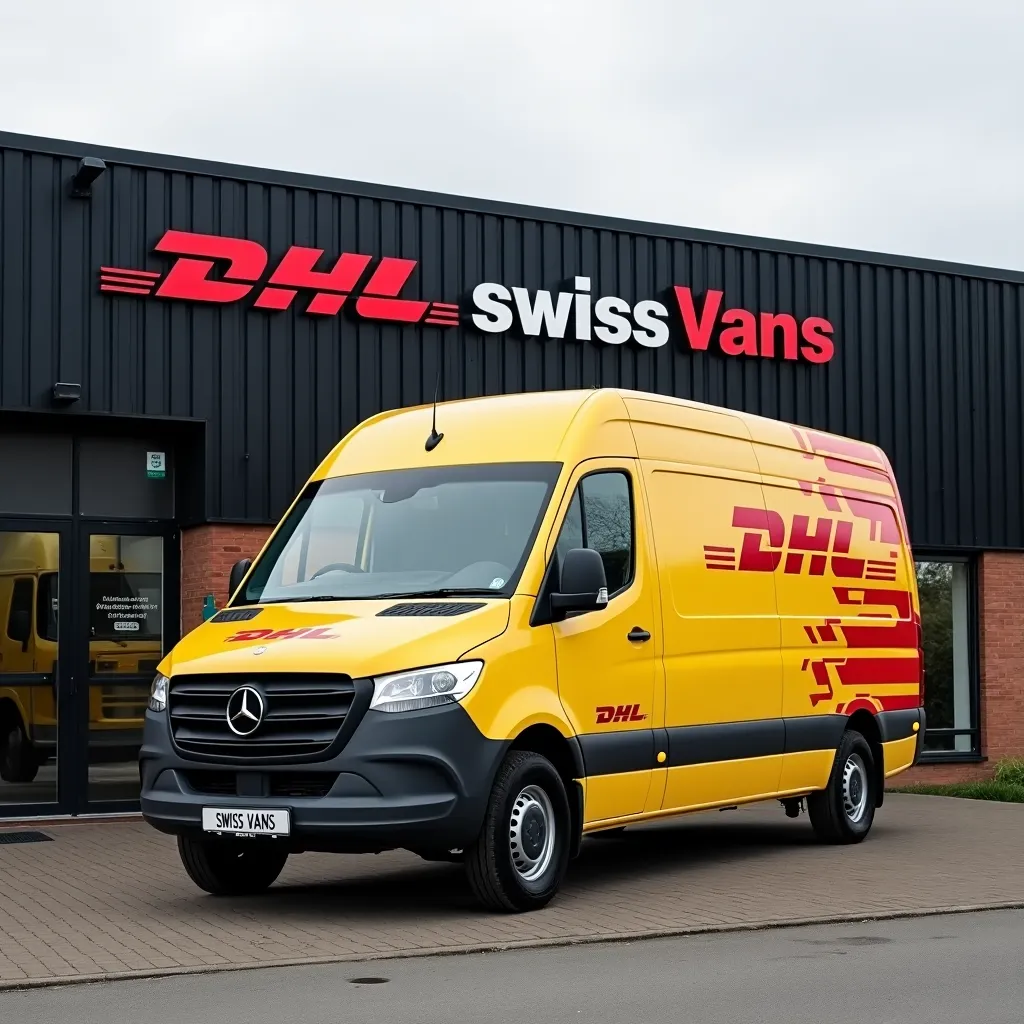
DHL Vans
DHL Vans: Transforming Landscape
Thousands of DHL vans travel through busy UK streets daily and deliver millions of packages to homes and businesses. Most people don’t realise they’re witnessing a quiet revolution in how these familiar yellow vehicles operate. Source
DHL’s shift to electric vehicles represents the biggest change in our company’s history. Our fleet transformation goes beyond simply replacing traditional DHL express vans with electric ones – we are changing how UK deliveries work. This initiative focuses on serving communities better while protecting the environment. See all Courier Vans
The story of DHL’s van innovations shows how we’re changing delivery services across the UK. Our drivers’ experiences, along with the reliable infrastructure that supports them, demonstrate what this transformation means for Britain’s delivery future. We’ll share actual data and explain how these changes affect everyone involved. See all Parcel vans

Electric Revolution in Numbers
The numbers paint a clear picture of our electric transformation. We are deploying 270 new electric vans across the UK to expand our existing electric fleet. These zero-emissions Ford E-Transits pack impressive features with a 140-mile range and roughly 1,000 kg payload capacity. They match our traditional diesel vans’ capabilities perfectly. See all delivery vans
Our strong financial backing shows our commitment to sustainability. The company has invested £2.8 million in expanding the electric fleet and £16 million in electric ground service equipment at East Midlands Airport. Our electric vehicles now serve major UK cities. The coverage spans London, Manchester, and Leeds, extends to Birmingham, Bristol, and Southampton, and reaches Liverpool, Sheffield, Edinburgh, and Glasgow.
Deutsche Post DHL Group’s ambitious plan includes us, aiming to operate more than 80,000 e-vehicles globally by 2030. The UK operations currently run 129 electric vehicles, including the nation’s first fully-electric 16-tonne truck. We aim to electrify 60% of last-mile deliveries by 2030. This goal supports our path toward net-zero emissions by 2050.
Our electric fleet needs robust support. We have built 10 fully integrated EV-ready sites and plan to add 16 more this year. This growing infrastructure helps us expand our electric delivery capabilities while maintaining excellent customer service.
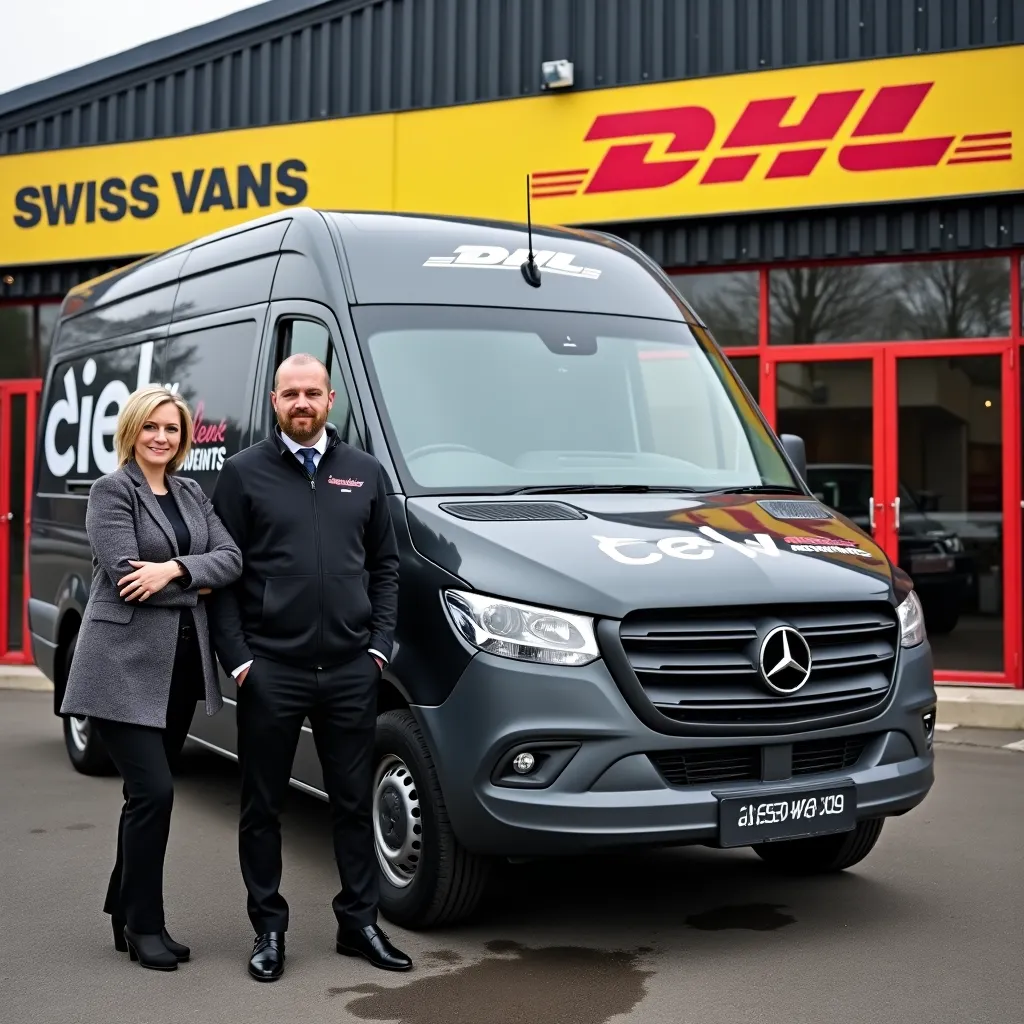
Behind the Wheel: The Driver Experience DHL Vans
Our Transport Development Centre (TDC) in Crick is changing the way drivers prepare for delivery’s future. Our detailed training programme, Driving Ambition, has helped over 600 prospective drivers get their LGV licences. This achievement shows our steadfast dedication to driver growth.
Electric vehicles have transformed our drivers’ daily work experience. The team reports much less tiredness because their electric vans run with lower noise and vibration. Ford E-Transits are a big part of our electric fleet. These vans deliver impressive results with a 140-mile range and can carry about 1000kg. This helps drivers stick to their delivery schedules efficiently.
Driver satisfaction has soared, especially in city areas. Our drivers point out these major benefits:
- Less physical stress from reduced vibration
- Better performance when climbing hills
- Quieter running that helps them focus better
Driver training programmes run at all our facilities to keep operations smooth. Each driver learns specific skills for handling electric vehicles, charging procedures, and getting the best vehicle performance. This training investment proved vital as our electric fleet grew across major UK cities.
Our electric van programme’s success depends on resilient charging infrastructure. Our service centres are ready for EVs, and 10% of parking spaces have charging points. This means drivers start their day with fully charged vans ready for their routes.
Infrastructure Evolution DHL Vans
Our electric van DHL Vans revolution depends on a faster expanding charging network. Our 10 fully integrated EV-ready sites across our service centre network are 15 months old. These sites create a reliable foundation for our growing electric fleet. The network keeps expanding. Three additional sites will open this spring and 13 more will follow later this year.
Our network stands out because it can grow as needed. The charging infrastructure expands with our electric fleet. This approach keeps us ahead of our operational demands. Our charging solutions feature:
- Traverse systems with overhead cable guidance
- Loading docks with direct charging access
- Well-planned outdoor parking space charging points
Through collaboration with E.ON, we continue to build fast-charging infrastructure at our distribution centres. This mutually beneficial alliance optimises our charging and billing systems for electric vehicles. The system works well for commercial vehicles in tight spaces. Source
Our infrastructure grows stronger as green technologies improve. Battery capacity and charging capabilities show remarkable improvements. These advances make our electric vans more practical and efficient for daily operations. This progress is vital as we aim to have 60% of our last-mile delivery electrified by 2030.
Conclusion
DHL Vans has changed UK delivery services by adding electric vans to its fleet. We invested £2.8 million in electric vehicles and £16 million in ground service infrastructure to show our dedication to eco-friendly logistics. The numbers of DHL Vans tell a clear story – 270 new electric vans now operate on UK roads with support from 10 EV-ready sites and complete driver training programmes.
Everyone wins with these improvements. Drivers feel less tired and work in better conditions. Customers get the same dependable service that leaves a smaller environmental footprint. We built extensive charging stations and formed mutually beneficial alliances with industry leaders like E.ON. This will give us the capability to achieve our target of 60% electrified last-mile deliveries by 2030.
This switch to DHL Vans electric vehicles means more than updating our fleet. It shows our promise to guide the logistics industry toward a greener future. Our expanding electric van network across the UK proves that eco-friendly delivery solutions can match and outperform traditional standards.
FAQs
Q1. What types of electric vans is DHL introducing to its UK fleet? DHL is rolling out 270 new electric Ford E-Transit vans across the UK. These zero-emissions vehicles have a 140-mile range and can carry approximately 1,000 kg, matching the capabilities of traditional diesel vans.
Q2. How is DHL supporting its transition to electric vehicles? DHL has invested £2.8 million in expanding its electric fleet and £16 million in electric ground service equipment. The company has also developed 10 fully integrated EV-ready sites, with plans for 16 more, to support its growing electric delivery capabilities.
Q3. How are DHL drivers adapting to electric vehicles? DHL Vans provides comprehensive training programmes for drivers transitioning to electric vehicles. Drivers report less fatigue due to reduced noise and vibration, enhanced performance during hill climbing, and better concentration in urban environments.
Q4. What are DHL’s goals for electric vehicle adoption? DHL Vans aims to have 60% of its last-mile deliveries electrified by 2030, supporting its journey towards net-zero emissions by 2050. This is part of Deutsche Post DHL Group’s plan to operate more than 80,000 e-vehicles globally by 2030.
Q5. How is DHL developing its charging infrastructure? DHL Vans is rapidly expanding its charging network with 10 fully integrated EV-ready sites across its service centre network. The company is partnering with E.ON to establish fast-charging infrastructure at distribution centres, ensuring scalability to meet growing operational needs.