 Call us on
Post Office Vans
Post Office Van:Past to Present
Red postal vans zip through our neighbourhoods daily. They deliver countless letters and packages right to our doorsteps. These familiar vehicles have grown from humble beginnings into a vital part of our postal system.
Postal delivery vehicles have transformed over the decades. The old Royal Mail van designs barely resemble today’s modern fleet that dominates our streets. These vehicles have changed by a lot through the years. Some people love these vans so much they actively search for post office vans to buy, while rural communities depend on mobile units to stay connected.
Let me tell you about the fascinating trip of postal delivery vehicles in this piece. You’ll find how these vital vehicles adapted to meet changing delivery needs and kept pace with technology. Royal Mail Vans

The Early Pioneers of Postal Delivery
Let’s go back to 1907, when postal delivery saw an amazing change. The Royal Mail added its first motor vehicles – the Maudslay stores vans. This led to a major change from horse-drawn carriages to mechanised delivery. Post Office
Testing of motorised transport started in 1897. The Royal Mail wanted to find out if steam, electric, or ‘oil driven’ motors would work best for postal needs. A breakthrough happened in 1904 with a second-hand Wallis & Steevens traction engine – their first motorised vehicle. See all parcel vans
A key moment in Royal Mail’s vehicle progress came in 1953 with the Morris Minor. These vehicles turned out to be a great success. The Post Office became the largest operator of Minor vans and used them for postal deliveries and telephone engineers. Morris Minor vans had several custom changes for postal service: See all Courier vans
- Internal partitions for secure mail sorting
- Additional locks on side and rear doors
- Custom-built bodies to Post Office specifications
Bright red Morris J4, LD, and BMC EA vans filled our streets by the 1960s. The General Post Office (GPO) stayed loyal to Morris vans throughout the BMC era and into the early 1970s. This commitment to quality and reliability helped build the foundations for modern postal delivery services. See
Royal Mail now runs the country’s largest fleet with more than 47,000 vehicles. These range from small delivery vans to double-deck articulated lorries. The service has come a long way since those first experimental days of motorised delivery!
Technological Transformations
The postal delivery system has changed beyond recognition due to technology. Simple motorised vehicles have given way to smart, analytical delivery solutions. Today’s Royal Mail fleet shows this progress with over 7,100 electric vans on our roads. This marks a big step in our move toward green delivery.
Our technology improvements include:
- Immediate GPS tracking to optimise routes
- Automated sorting systems with optical character recognition
- Advanced telemetry systems that monitor driver behaviour
- Digital postbox services for secure communication
- Drone delivery trials in remote locations
Stop-start technology in our vehicles has reduced our environmental footprint. 75% of our new delivery vehicles are battery-electric. These vehicles can travel up to 70 miles on a single charge. This is a big deal as it means that our typical urban delivery route of 12-15 miles can be completed easily.
Letter volumes have dropped by about 5% each year since 2015. Parcel volumes have grown by 10% annually. These changes pushed us to adapt our technology and infrastructure. 73% of postal services worldwide have increased their investment in digital postal services.
Royal Mail continues to test innovative solutions like drone delivery services, especially when serving remote Scottish islands. These trials demonstrate our steadfast dedication to new technologies while we connect communities across the nation.
Modern Fleet Revolution Post Office Vans
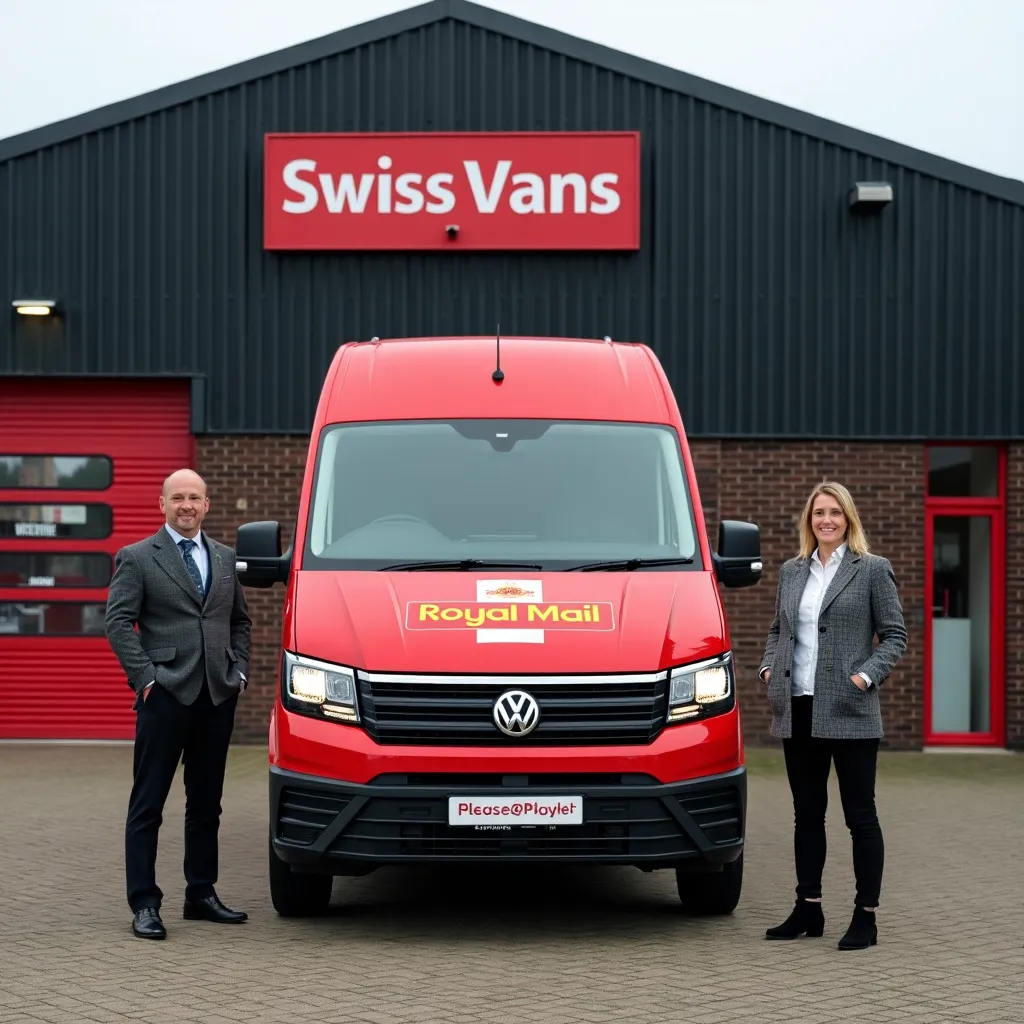
Royal Mail has launched the most ambitious modernisation of its iconic red fleet in history. Our steadfast dedication to environmentally responsible practises has helped us build the UK’s largest electric delivery fleet, with around 5,000 electric vans already serving our customers.
The green fleet continues to grow steadily. Our latest initiative adds 2,100 new electric vans, which will bring our total to an impressive 7,100 vehicles. These additions will showcase the King’s cruciform and livery, marking a historic change in our postal van design.
Each new electric vehicle substantially reduces our environmental footprint. Our achievements include:
- Reduction of 6,000 tonnes of carbon dioxide equivalent annually
- 100% renewable electricity supply for charging at delivery offices
- Implementation of hydrotreated vegetable oil fuel, saving 30,000 tonnes of carbon emissions
The company reshapes the scene with more than just vehicle upgrades. Our innovative partnership with Wiliot has introduced digital tagging technology that creates a live digital map of parcel movement across our 37 mail centres, two automated parcel hubs, and 1,200 delivery offices.
Royal Mail’s postal service grows more environmentally responsible and efficient each day. We maintain the lowest reported carbon emissions per parcel among UK delivery companies, while our ‘Steps to Zero’ strategy guides us toward achieving Net-Zero by 2040.
Conclusion Post Office Vans
Royal Mail’s postal vans have come a long way since 1907 when the first Maudslay stores vans hit the road. Each generation brought new improvements, as we moved from the classic Morris Minors to today’s cutting-edge electric vehicles that meet modern delivery demands.
The transformation shows in the numbers. Our fleet now includes 7,100 electric vans that run on 100% renewable electricity and deliver packages with the UK’s lowest carbon footprint. Advanced technology drives our operations now. GPS tracking, automated sorting, and digital tagging help coordinate deliveries across 37 mail centres and 1,200 delivery offices nationwide.
Royal Mail looks to a sustainable future with clear purpose. The Steps to Zero strategy puts us on a direct path to Net-Zero by 2040 while we continue providing dependable service throughout Britain. These iconic red vans winding through neighbourhoods stand for more than mail delivery – they represent British innovation at its best.
FAQs Post Office Vans
Q1. When did the Royal Mail introduce its first motor vehicles? The Royal Mail introduced its first motor vehicles in 1907 with the Maudslay stores vans, marking a significant shift from horse-drawn carriages to mechanised delivery.
Q2. What was a notable milestone in postal vehicle evolution during the 1950s? A significant milestone occurred in 1953 with the introduction of the Morris Minor vans. These vehicles were so successful that the Post Office became the largest operator of Minor vans for both postal deliveries and telephone engineers.
Q3. How many electric vans does the Royal Mail currently have in its fleet? The Royal Mail currently operates around 7,100 electric vans, making it the UK’s largest electric delivery fleet. This is part of their ambitious modernisation and commitment to sustainability.
Q4. What environmental impact does the Royal Mail’s electric fleet have? The electric fleet reduces carbon dioxide emissions by about 6,000 tonnes annually. Additionally, the Royal Mail uses 100% renewable electricity for charging at delivery offices and has implemented hydrotreated vegetable oil fuel, saving 30,000 tonnes of carbon emissions.
Q5. What technological advancements have been implemented in modern postal vans? Modern postal vans now feature real-time GPS tracking for route optimisation, advanced telemetry systems monitoring driver behaviour, and digital tagging technology. These innovations create a live digital map of parcel journeys across mail centres, automated parcel hubs, and delivery offices.