
What is the standard medium van size?
What is the standard medium van size?
The standard medium van size typically ranges from 4.5 to 5.5 metres in total vehicle length, providing an optimal balance for commercial operations. These versatile vehicles offer a perfect middle ground between compact city vans and large heavy-duty transporters, making them the most popular choice for tradespeople across the UK.
Understanding the Medium Van Class
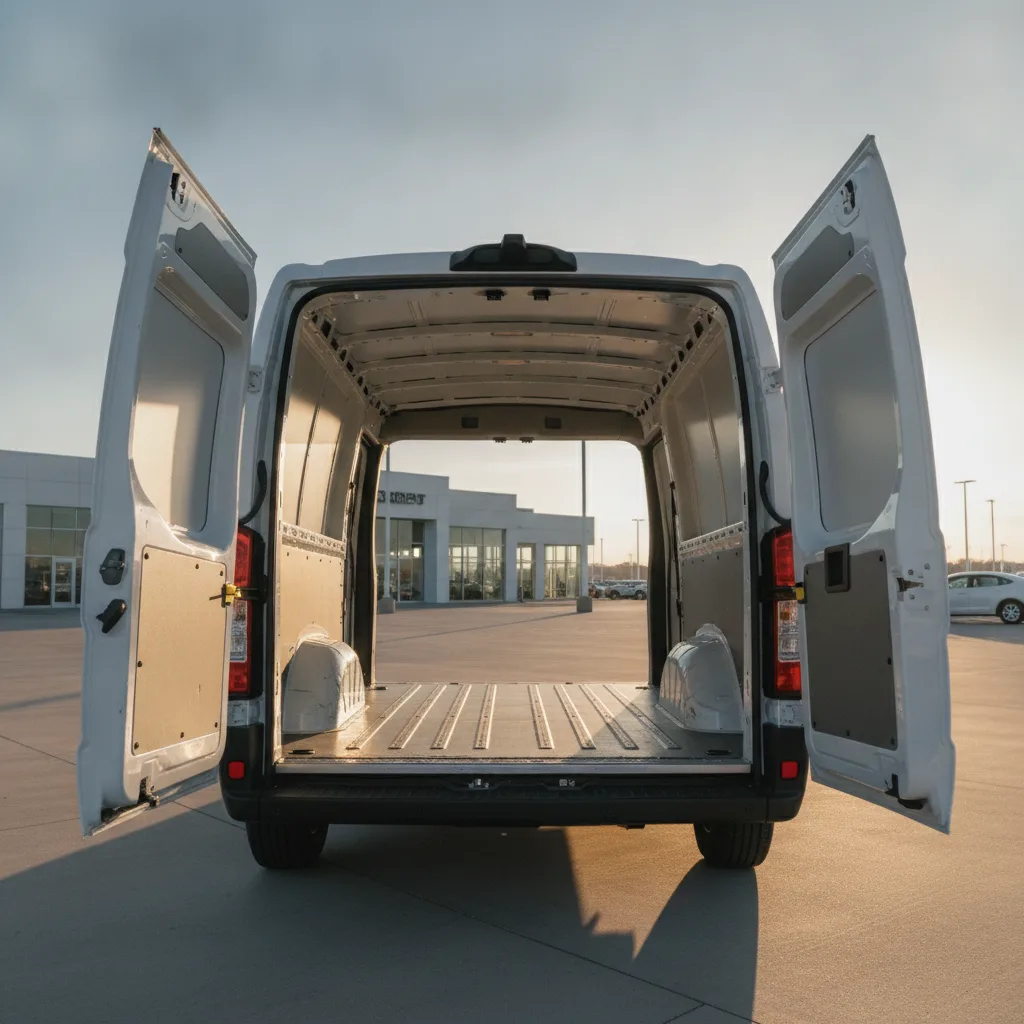
A medium van sits squarely in the middle of the commercial vehicle spectrum, defined by a payload capacity usually ranging between 800kg and 1,200kg. While smaller options like the Nissan Townstar Lease are ideal for urban deliveries, the medium class is designed for those who require significant cargo space without sacrificing manoeuvrability. These vans are engineered to handle the demands of daily heavy lifting while remaining agile enough for standard parking bays.
Typical Dimensions and Load Space

When you investigate the common dimensions and load capacities for a medium-sized commercial van, you will find load lengths generally stretch between 2.4 and 2.9 metres. Most models offer a load volume of roughly 5 to 7 cubic metres, allowing for the transport of standard Euro pallets. While smaller vans like the Vauxhall Combo Lease might suit light parcels, a medium van provides the extra internal height and width needed for taller equipment or bulkier building materials.
Key Advantages of Choosing a Medium Van
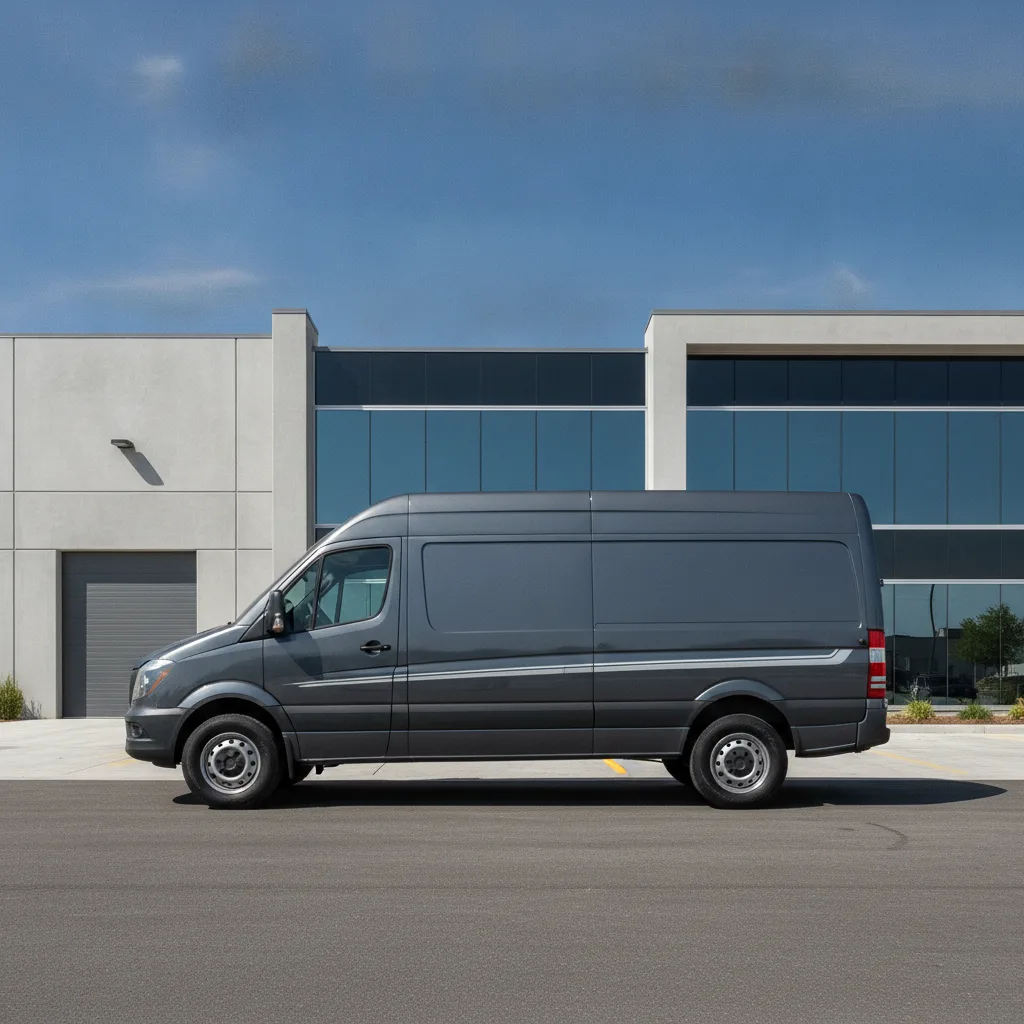
The primary benefit of this size category is its incredible versatility for diverse business needs. You gain sufficient room for professional racking systems and tools without the excessive fuel costs associated with larger, heavier models. They offer a comfortable driving experience comparable to a passenger car, yet they possess the robust chassis required for consistent commercial output, often bridging the gap better than a compact Toyota Proace City Lease.
How to Select the Right Size for Your Trade
Choosing the correct van starts by evaluating the specific volume and weight of the goods you transport daily. If your trade involves long lengths of timber or pipework, prioritize load length over height. Conversely, if you operate a courier business, internal volume and door aperture size are your most critical metrics to ensure efficiency and ease of loading.
Financing Your Next Medium Van
Securing a new medium van is made accessible through flexible finance solutions designed to protect your business cash flow. Whether you opt for a lease arrangement or a hire purchase agreement, finance allows you to upgrade to a newer, more efficient model while spreading the cost over manageable monthly terms. Tailoring your agreement to your budget ensures you can acquire the essential transport needed to grow your business effectively.
FAQs
What are the common dimensions and load capacities for a medium-sized commercial van?
Medium vans typically offer load lengths of 2.4 to 2.9 metres, load volumes between 5 and 7 cubic metres, and payload capacities ranging from 800kg to 1,200kg.
Is a medium van fuel-efficient?
Yes, medium vans are generally designed to be highly fuel-efficient for their size, as they are often equipped with modern, turbocharged diesel or electric powertrains that balance performance with operating economy.
Can a medium van fit in a standard garage?
Most medium vans are too tall for standard domestic garage doors, though they fit perfectly within standard outdoor parking spaces and commercial loading bays.
What is the main difference between a small and medium van?
The main difference is the load volume and payload capacity; small vans are best for light, urban goods, whereas medium vans provide the extra space and structural integrity for trade equipment and heavier payloads.