MAN TGE Racking: A Complete Guide for UK Van Owners
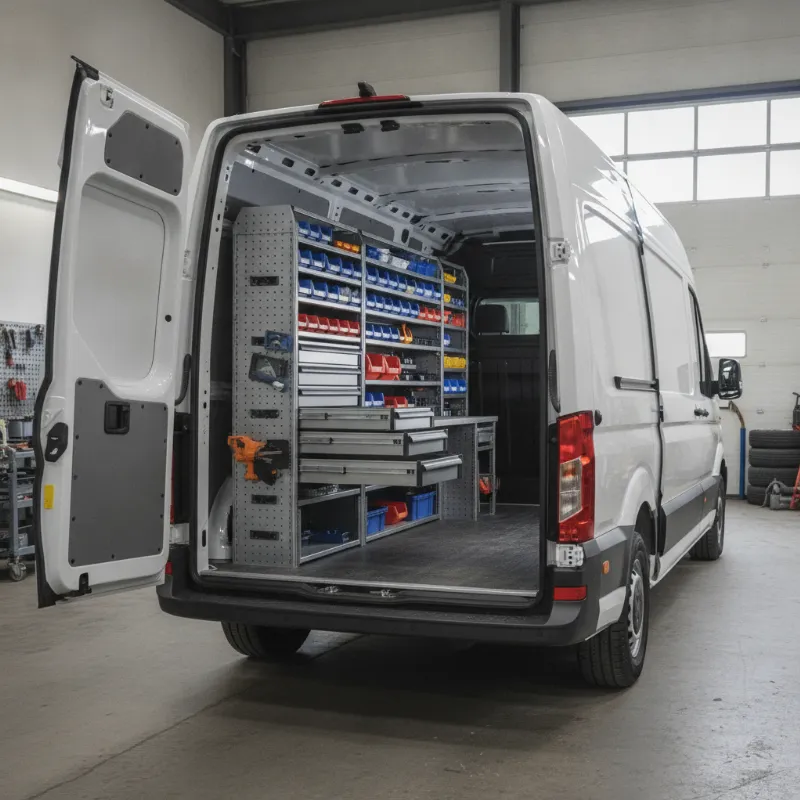
Why fit racking to a MAN TGE?
The MAN TGE has quickly become one of the most respected large panel vans on UK roads, and much of that reputation comes from how well it performs as a working vehicle. Once you start using a TGE day in, day out, the load area very quickly stops being a simple empty box and starts being your workshop, your stock room and your tool store. Fitting proper racking is the single biggest step you can take to make that space actually work for you rather than against you.
Well-designed racking keeps stock, tools and consumables in known, secure locations. That saves time on every job because you are not rummaging through loose crates, and it saves money because parts are less likely to be lost, damaged or duplicated. There is also a serious safety element. A loose 20kg drill or a sliding roll of copper pipe becomes a projectile in a heavy braking event, and the TGE's generous load volume means there is plenty of room for things to move around if they are not restrained. A properly bolted-in racking system with retention straps and lipped shelves keeps the load where it belongs.
There is a professional benefit too. A tidy, racked-out TGE presents better to customers when the side door opens on their driveway, and it protects the interior of the van, which supports residual values when it is time to move the vehicle on.
Choosing racking for your MAN TGE by wheelbase and roof height
MAN offers the TGE in a wide range of wheelbases, roof heights and body styles, and the racking that suits one variant will often be completely wrong for another. The overall length of the load area, the height available for tall units, and the position of the wheel arches all dictate what will actually fit and how much usable storage you can create. Before ordering anything, it is worth measuring your specific van rather than relying on a generic brochure figure, because factory options and internal ply-lining can vary the numbers by a few centimetres.
Racking for the MAN TGE 3160 (medium wheelbase)
The 3160 medium-wheelbase TGE is a popular choice for mobile trades who want a manageable van that still swallows plenty of kit. With a shorter load length than the long-wheelbase models, racking tends to be concentrated in single-side units running from just behind the bulkhead to the rear wheel arch, leaving the nearside clear for larger items or a workbench. Two or three tiers of drawers and open shelving usually work best here, keeping the top of the racking below window level so rear visibility is preserved. A half-height unit on the opposite side can double up as a work surface without eating into standing headroom.
Racking for the MAN TGE 3200 (long wheelbase)
The 3200 long-wheelbase van gives you significantly more floor length, and that extra room really opens up your options. You can run full-length racking down one side, add a matching lower run on the opposite side, and still leave clear standing space in the middle for pipe, ladders or wheeled equipment. This is the wheelbase most often chosen by plumbers, electricians and refrigeration engineers who need to carry a mixed load of small parts and long items on the same job. High-roof 3200s are ideal for tall louvre-panel units and full-height cabinets.
Racking for the MAN TGE 5180 (5.0t chassis and panel van)
The 5.0-tonne TGE 5180 is where the van steps into serious commercial territory, and racking specifications reflect that. Heavier-gauge steel frames, reinforced shelves rated for greater point loads and heavy-duty drawer runners are all sensible upgrades. On chassis-cab or box body variants the racking is often built to a different fixing pattern because there is no factory ply floor or side ribs to bolt into — a floor-mounted steel base frame is usually the answer. On the panel van, you can take advantage of the extra payload to fit deeper, better-equipped units without worrying about weight.
Racking for the MAN TGE 6180 (6.0t heavy-duty variant)
The 6180 is aimed at operators who need maximum payload, and racking should follow suit. Full-length dual-side installations are common, often combined with a bulkhead-mounted parts wall and heavy load-lashing points along the floor. Because these vans routinely carry heavier tooling and generators, the racking is normally bolted through to structural cross-members rather than relying on side-wall fixings alone. Trays and drawers on the 6180 tend to be metal-fronted rather than plastic, reflecting the harder use these vans see.
MAN TGE Refrigerated Van racking and load restraint
Racking in a refrigerated TGE is a specialist job. The insulated lining cannot be drilled in the same way as a standard panel van without risking thermal bridges and condensation problems, so racking is usually fitted using bonded fixings, floor-mounted frames or manufacturer-approved insert plates. Materials also matter: aluminium and food-grade plastics are preferred because they resist corrosion in the damp, cold environment and are easy to wipe down for hygiene compliance.
Load restraint in a fridge van is arguably even more important than in a dry van. Chilled and frozen stock is heavy, often stacked in stillages or roll cages, and needs to be held securely without blocking cold air circulation. Retention bars, cargo nets and track-mounted straps let you divide the load area into secure bays while still allowing air to move around the products.
MAN TGE vs Crafter: does the same racking fit both?
Because the MAN TGE and Volkswagen Crafter share a platform, the two vans have near-identical load area dimensions and mounting points. In practice this means most quality racking manufacturers produce a single part number that fits both, and if you have previously racked out a Crafter you can usually specify exactly the same layout for a TGE with confidence. That is genuinely useful if you run a mixed fleet, because you can standardise on one internal layout across both brands and train drivers to find kit in the same place every time.
There are a couple of small caveats. Some trim details, factory bulkhead options and floor track systems differ subtly between MAN and VW build years, so it is always worth confirming the exact variant when ordering. But the underlying racking frames, drawer units and shelves are interchangeable.
Popular racking materials and configurations
The right racking is not just about layout — it is also about what it is made from. Material choice affects weight, durability, appearance and, ultimately, how much payload you have left for the actual job.
Steel vs aluminium vs composite
Steel racking is the traditional choice and remains popular for good reason. It is strong, takes heavy abuse, and is straightforward to repair. The downside is weight — a full steel installation in a long-wheelbase TGE can easily add 150–200kg. Aluminium racking is significantly lighter, often around 30–40% less than an equivalent steel unit, which directly protects your payload. It is more expensive and can dent more easily, but for high-mileage operators the fuel and payload savings usually justify the price. Composite and plastic-fronted systems sit somewhere in the middle, offering light weight and a clean look, and they are particularly popular in service and mobile-technician roles where appearance matters.
Trade-specific layouts (electrical, plumbing, mobile workshop)
Electricians typically want lots of shallow drawers for small components — connectors, terminals, fuses — combined with vertical storage for conduit and trunking. Plumbers need deep shelves for fittings boxes, secure racks for copper and plastic pipe, and often a dedicated space for a boiler or cylinder. Mobile workshop conversions go further still, incorporating a proper worktop, vice mount, power supply and sometimes an inverter and lighting circuit. A good racking supplier will start with your trade and your typical daily kit list rather than pushing a standard pack, because the difference in productivity between a well-planned layout and a generic one is significant.
Payload, ply-lining and floor considerations
Payload is the number to watch. Every kilogram of racking is a kilogram you cannot carry as stock, so it pays to be honest about what you actually need on board every day. Racking manufacturers publish weights for each unit, and any reputable installer will happily produce a total figure before you commit.
Ply-lining underneath the racking is strongly recommended. It protects the van's metalwork from knocks and moisture, provides a solid surface for fixings, and helps preserve resale value. On the floor, a non-slip resin-coated ply or an aluminium chequer plate gives you a hard-wearing surface that stands up to heavy footfall and wheeled loads. Load lashing tracks recessed into the floor make it easier to restrain awkward items that do not fit neatly into a shelf.
Getting your MAN TGE racked and delivered UK-wide
A racked-out MAN TGE is only useful if it turns up ready to work. Most specialist converters will collect a new van from the dealer, complete the racking installation to your specification, and deliver the finished vehicle directly to your yard or home address anywhere in the UK. Lead times vary depending on the complexity of the build, but a straightforward racking package is usually turned around in a couple of weeks, while a full workshop conversion may take longer.
Whether you are buying a single TGE for a growing business or specifying a fleet of them, taking the time to plan the racking properly at the point of order is far cheaper and less disruptive than retrofitting later. Talk through your trade, your typical loads and your wheelbase, and the racking will look after you for the life of the van.
FAQs
What are the best racking options for a MAN TGE van and how do they differ by wheelbase and body variant?
The best racking depends on the specific TGE variant. The medium-wheelbase 3160 suits a single-side installation with two or three tiers of drawers and shelving. The long-wheelbase 3200 supports full-length racking on one side plus a lower run opposite. The 5.0-tonne 5180 benefits from heavier-gauge steel frames and floor-mounted base frames, especially on chassis-cab variants, while the 6.0-tonne 6180 typically takes dual-side heavy-duty installations bolted through to structural cross-members. Material choice (steel, aluminium or composite) and trade-specific layouts should be matched to your daily load and payload budget.
Will Volkswagen Crafter racking fit a MAN TGE?
Yes, in almost all cases. The TGE and Crafter share a platform and have near-identical load area dimensions and mounting points, so most manufacturers produce a single racking part number that fits both. It is still worth confirming the specific build year and any factory bulkhead or floor track options when ordering, but the frames, drawers and shelves are interchangeable.
How much payload does van racking use up in a MAN TGE?
A full steel racking installation in a long-wheelbase TGE can add 150–200kg, while an equivalent aluminium system is typically 30–40% lighter. Composite and plastic-fronted units sit between the two. Reputable manufacturers publish individual unit weights, so ask your installer for a total figure before committing so you know exactly how much payload you have left for tools and stock.
Can racking be fitted to a refrigerated MAN TGE without damaging the insulation?
Yes, but it needs specialist installation. Standard drilling into an insulated lining risks thermal bridging and condensation, so racking is typically fitted using bonded fixings, floor-mounted frames or manufacturer-approved insert plates. Aluminium and food-grade plastic units are preferred for hygiene and corrosion resistance, and load restraint is provided via retention bars, cargo nets and track-mounted straps.
How long does it take to have a MAN TGE racked out and delivered?
A straightforward racking package is usually completed within a couple of weeks from the van arriving at the converter, with the finished vehicle delivered UK-wide directly to your address. More complex builds such as full mobile workshop conversions or refrigerated van fit-outs take longer. Planning the racking at the point of ordering the van is normally faster and cheaper than retrofitting later.