 Call us on
Hybrid Electric Vans
Hybrid Electric Vans
As businesses increasingly prioritize sustainability and efficiency, the choice between hybrid electric vans and full electric vans has become a crucial decision. The transportation sector is experiencing a shift towards cleaner alternatives, with hybrid and electric vans leading the charge in commercial vehicle options. This transition is reshaping how companies approach their fleet management and environmental responsibilities. Source 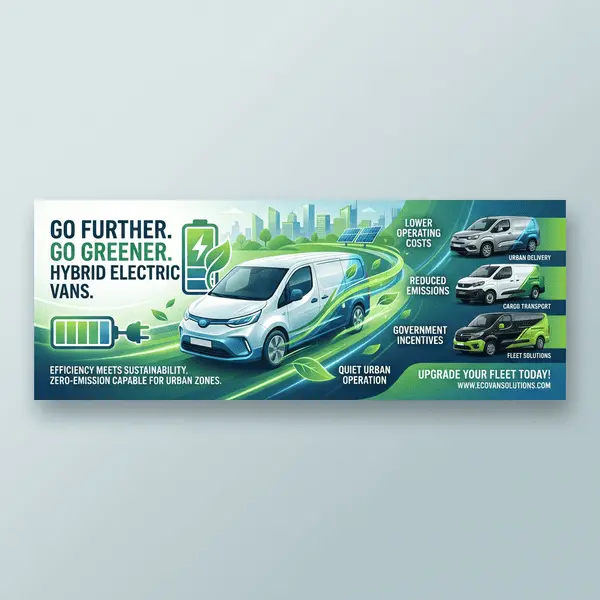
The comparison between hybrid and electric vans involves several key factors that businesses must consider. These include performance capabilities, driving range, cost implications, and environmental impact. Additionally, the availability of hybrid cargo vans for sale in various locations, such as California, Texas, and across the USA, plays a role in decision-making. Understanding the strengths and limitations of each option is essential for companies looking to make an informed choice that aligns with their operational needs and sustainability goals.
Understanding Hybrid and Electric Van Technologies
The automotive industry has witnessed a significant shift towards cleaner and more efficient technologies, with hybrid and electric vans leading the charge in commercial vehicle options. These technologies have revolutionized the way businesses approach their fleet management and environmental responsibilities. See all vans for sale
Types of Hybrid Vans
Hybrid vans combine an internal combustion engine (ICE) with an electric motor and battery pack. This combination results in improved fuel economy and reduced emissions. There are three main types of hybrid vans: See all electric vans for sale
- Mild Hybrid Electric Vehicles (MHEVs): These feature a small battery and electric motor to assist the ICE. MHEVs cannot travel on electric power alone but use a 48-volt system to power components typically run by the engine, leading to more efficient operation.
- Hybrid Electric Vehicles (HEVs): Often referred to as “self-charging” hybrids, HEVs are the most common type. They have a larger battery than MHEVs, allowing for short distances of electric-only driving at low speeds.
- Plug-in Hybrid Electric Vehicles (PHEVs): Considered a bridging technology between ICE and fully electric vehicles, PHEVs have the largest battery of all hybrid types. They can be charged via a plug and can travel greater distances on electric power alone. See all van lease
Full Electric Van Basics
Full electric vans, also known as Battery Electric Vehicles (BEVs), are powered solely by an electric motor and a large battery pack. These vans have replaced traditional components like the engine, gearbox, exhaust system, and fuel tank with electric alternatives. See all electric vans for sale
Key features of electric vans include:
- Power output ranging from 100kW to 150kW (equivalent to 136hp to 200hp)
- Battery capacities typically between 50kWh to 111kWh
- Driving range up to 271 miles according to WLTP (Worldwide Harmonized Light Vehicle Test Procedure) standards
- Two types of charging: slower AC charging and rapid DC charging
Key Differences in Powertrain
The main distinction between hybrid and full electric vans lies in their powertrain configuration:
| Feature | Hybrid Vans | Full Electric Vans |
|---|---|---|
| Power Source | Combination of ICE and electric motor | Electric motor only |
| Fuel Type | Petrol/Diesel and Electricity | Electricity only |
| Charging | Some require plugging in (PHEVs) | Always require plugging in |
| Emissions | Reduced emissions | Zero tailpipe emissions |
| Driving Range | Extended range due to ICE | Limited by battery capacity |
| Maintenance | More complex due to dual systems | Simpler with fewer moving parts |
Hybrid vans offer flexibility with their dual power sources, making them suitable for businesses hesitant to transition fully to electric. They provide lower emissions and improved fuel economy compared to traditional ICE vans.
On the other hand, full electric vans offer zero tailpipe emissions, making them ideal for businesses prioritizing sustainability. They have simpler powertrains with fewer moving parts, potentially leading to lower maintenance costs. However, their range is limited by battery capacity, and they require access to charging infrastructure.
Both technologies have their strengths and limitations, and the choice between hybrid and full electric vans depends on various factors such as driving requirements, charging infrastructure availability, and business priorities. As these technologies continue to evolve, they are reshaping the commercial vehicle landscape and offering businesses more environmentally friendly options for their transportation needs. See all electric van lease deals
Performance and Range Comparison
Acceleration and Power
When it comes to performance, hybrid and full electric vans offer distinct driving experiences. Electric vans provide a noticeably quieter and smoother ride due to the absence of a traditional engine. The near-silent operation of the electric motor contributes to a more comfortable driving environment, especially beneficial in urban settings or slow-moving traffic.
Electric vans typically deliver impressive acceleration, thanks to their high torque output. This characteristic allows them to quickly reach desired speeds, providing a responsive driving experience. The instant torque delivery of electric motors gives these vans a significant advantage in stop-and-go traffic situations.
Hybrid vans, on the other hand, combine the benefits of both electric and internal combustion engine (ICE) technologies. They offer a balance between electric efficiency and the familiarity of traditional engines. Hybrid Electric Vehicles (HEVs) with automatic transmission provide a smoother and quieter drive compared to conventional petrol or diesel vans. For those who prefer a more engaging driving experience, manual HEVs are also available.
Driving Range
The electric van driving range of electric and hybrid vans varies significantly based on their battery capacity and powertrain configuration. Full electric vans typically offer a range between 100 to 200 miles or more on a single charge. This range can extend up to 271 miles for some models, according to WLTP (Worldwide Harmonized Light Vehicle Test Procedure) standards. However, it’s important to note that the actual range may vary depending on factors such as driving conditions, payload, and weather.
Hybrid vans generally have a shorter electric-only range compared to full electric vehicles. On average, hybrid electric vans offer an electric driving range of 26 to 61 miles, which is suitable for local operations. Plug-in Hybrid Electric Vehicles (PHEVs) tend to provide between 20 to 50 miles of fully electric driving range.
Extended Range Electric Vehicles (EREVs) typically offer an electric driving range of 50 to 100 miles with zero emissions. Once the electric range is depleted, the internal combustion engine in hybrid vans kicks in, ensuring continuous operation without the need for immediate recharging.
Towing Capabilities
Towing capabilities vary among electric and hybrid vans, with some models offering impressive towing capacities. For instance, the Ford E-Transit, while not boasting the highest payload, leverages Ford’s extensive van-building experience. The Transit Custom Plug-In Hybrid targets a maximum towing capacity of 2,300kg.
The Iveco eDaily stands out with its towing capacity, matching its diesel counterpart in some configurations. It even holds a Guinness World record for towing, having pulled over 153.58 tons on a private test track.
Other notable electric vans with significant towing capacities include:
- Renault Master E-Tech: 2.5 tons
- Vauxhall Movano-e: 2,400kg
- Renault Kangoo E-Tech: 1,500kg
- Mercedes-Benz eSprinter: 1,500kg
- Maxus eDeliver 7: 1,500kg
It’s crucial to note that towing significantly impacts the driving range of electric vans. As a general estimate, the range may be reduced by around 30% when towing a full load. Factors such as weather conditions, driving speed, and the use of power-consuming features like heating and air conditioning can further affect the range.
When considering towing with electric or hybrid vans, businesses must carefully plan routes to include charging stops and account for the reduced range. The added weight and wind resistance of a trailer substantially increase energy consumption, requiring more frequent charging or fuel stops compared to unloaded driving.
Cost Considerations
Initial Purchase Price
The initial investment for hybrid and electric vans varies significantly. Hybrid vans are relatively affordable, with many models available in the £19,640 to £27,497 range. For instance, the Honda Insight, a standard hybrid, starts at around £19,640, while the Toyota Prius Prime begins at about £21,997.
Electric vans, on the other hand, tend to have higher upfront costs. Small electric vans, such as the Renault Kangoo electric model, start from just under £20,000. However, larger electric vans with higher range capabilities can be considerably more expensive. For example, Tesla models with over 300 miles of range have starting prices exceeding £47,137. The Chevy Bolt, a more affordable all-electric option, starts in the mid-£23,568 range but offers a reduced range of 259 miles.
It’s important to note that while the initial purchase price of electric vans is generally higher, this cost difference is often offset by lower running costs and various incentives.
Fuel/Charging Costs
One of the most significant advantages of electric and hybrid vans is their lower fuel costs compared to traditional petrol or diesel vehicles. Electric vans, in particular, offer substantial savings in this area.
To charge an electric van with a 45 kWh battery, it costs around £16 for a full charge. This translates to approximately 8p per mile for an electric Kangoo, compared to 15p per mile for its diesel counterpart, resulting in a saving of 7p per mile.
For electric vehicle owners with access to home or workplace charging, the cost savings can be even more substantial. Some energy providers offer special tariffs for EV owners, with rates as low as 7.5p per kWh during off-peak hours. At this rate, charging costs can be as low as 1.8p per mile.
Hybrid vans also offer fuel cost savings, though not as dramatic as full electric models. For instance, a highly efficient plug-in hybrid like the Kia Niro Hybrid has average fuel costs (gas plus electricity) of around 6 to 8 cents per mile, which is approximately 50-60% cheaper than a standard gas vehicle.
Maintenance Expenses
Maintenance costs for electric and hybrid vans differ significantly. Electric vans generally have lower maintenance costs due to their simpler powertrains with fewer moving parts. They don’t require oil changes, and there’s no need to replace components like gaskets, cylinder heads, or spark plugs. Additionally, electric vans don’t require emissions testing.
On average, an electric van can be £314 to £785 cheaper to maintain each year compared to a petrol or diesel van. The annual service fee for an electric van is typically around £150.
Hybrid vans, however, may have higher maintenance costs than traditional petrol or diesel vans. This is because they combine both electric and internal combustion engine components, potentially leading to more complex maintenance requirements.
It’s worth noting that some electric vehicle brands still recommend regular servicing. However, others, like Tesla, have minimal servicing requirements. For example, a Tesla Model 3 owner reported only needing to replace washer fluid and tires over four years of ownership.
In conclusion, while electric vans often have higher initial purchase prices, they offer significant savings in fuel and maintenance costs over time. Hybrid vans provide a middle ground, with moderate upfront costs and fuel savings, but potentially higher maintenance expenses. Businesses should consider their specific needs and long-term cost projections when choosing between hybrid and full electric vans.
Environmental Impact
The shift towards hybrid and electric vans has a significant impact on reducing greenhouse gas emissions in the transport sector. As the transport industry accounts for approximately a quarter of Europe’s greenhouse gas emissions, with road transport contributing to three-quarters of this figure, the adoption of cleaner vehicle technologies plays a crucial role in achieving environmental goals.
Emissions Comparison
The European Environment Agency’s provisional data for 2023 reveals encouraging trends in CO2 emissions from new vehicles. Average CO2 emissions from newly registered cars in Europe decreased by 1.4% compared to 2022, while emissions from new vans saw a 1.6% reduction. This decline is largely attributed to the growing share of fully electric vehicles in the market.
In 2023, Europe witnessed the registration of 10.7 million new cars, marking a 13.2% increase from the previous year. Notably, almost a quarter of these new registrations were electric vehicles, either fully electric or plug-in hybrids. The adoption of electric cars varied significantly across countries, with Norway, Sweden, and Iceland leading the way with fleet shares of 90.5%, 60.7%, and 60.4%, respectively.
The van market also experienced growth, with 1.2 million new vans registered in 2023, representing a 20.2% increase from 2022 levels. Electric vans accounted for 8% of these registrations, with more than half of the fully electric vans being registered in France, Germany, and Sweden.
Carbon Footprint Analysis Hybrid Electric Vans
When analyzing the carbon footprint of different vehicle technologies, it’s essential to consider the efficiency of CO2 reduction in relation to battery size. A study comparing various hybrid and electric vehicle types revealed interesting insights:
- Mild hybrids demonstrated the highest efficiency in CO2 reduction per unit of battery capacity.
- Full hybrids followed closely, offering significant emissions reductions with relatively small batteries.
- Plug-in hybrids showed potential for substantial CO2 reductions, but only when operated entirely on battery power.
- Battery Electric Vehicles (BEVs) had the lowest efficiency in terms of CO2 reduction per battery size, primarily due to their large batteries designed to address range anxiety.
The transition from traditional internal combustion engines to hybrid and electric powertrains offers varying degrees of CO2 reduction:
| Transition | CO2 Reduction |
|---|---|
| Gasoline to Full Gasoline Hybrid | 34% |
| Gasoline to Diesel | 11% |
| Diesel to Diesel Mild Hybrid | Additional 6% |
| Diesel Mild Hybrid to Full Hybrid | Additional 16% |
| Gasoline to Gasoline Mild Hybrid | 11% |
| Gasoline Mild Hybrid to Full Hybrid | Additional 23% |
These figures highlight the potential for significant emissions reductions through the adoption of hybrid technologies, even before transitioning to fully electric vehicles.
It’s worth noting that while BEVs may not be the most efficient in terms of CO2 reduction per battery size, they offer zero tailpipe emissions of both CO2 and nitrogen oxides, contributing to improved air quality in urban areas. This aspect has a substantial impact on local environmental conditions and public health.
The EU has set ambitious targets to reduce greenhouse gas emissions from transport by 90% by 2050 compared to 1990 levels. To achieve this goal, all new cars and vans are expected to have zero emissions from 2035 onwards. The current trends in hybrid and electric vehicle adoption are crucial steps towards meeting these environmental objectives and creating a more sustainable transportation sector.
Business Use Cases
The adoption of hybrid electric vans and full electric vans has become increasingly prevalent across various business sectors. These vehicles offer unique advantages and challenges for different operational needs.
Urban Delivery
Urban delivery services have witnessed a significant shift towards electric and hybrid vans due to their environmental benefits and cost-effectiveness. In cities implementing low-emission zones and congestion charges, these vehicles provide a viable solution for businesses to continue operations while complying with regulations. Electric vans for sale, in particular, have gained popularity for last-mile deliveries in urban areas, as they produce zero CO2 or NOx emissions, contributing to improved air quality.
The average daily mileage for urban delivery vehicles ranges from 70-100 km, with most covering around 70 km. These vehicles typically operate for nine hours a day, six days a week, and make 50-100 stops daily. With an average payload of 875 kg, electric vans are well-suited for urban delivery tasks. The ability to park at a central depot overnight facilitates centralized charging, making electric vans a practical choice for businesses operating in urban environments.
Long-Distance Transport
For long-distance transport, hybrid vans offer a balance between range and environmental benefits. While fully electric vans have made significant strides in range capabilities, with most models offering between 100-220 miles on a single charge, hybrid vans provide an extended range due to their dual power sources. This makes them particularly suitable for businesses hesitant to transition fully to electric, especially for routes where charging infrastructure may be limited.
However, it’s worth noting that as technology advances and charging infrastructure improves, the viability of electric vans for long-distance transport is increasing. The government’s commitment to phasing out new petrol and diesel vehicles by 2035 is driving rapid developments in electric vehicle technology, with range and power expected to increase significantly in the coming years.
Fleet Management Hybrid Electric Vans
Fleet management presents unique challenges and opportunities for businesses adopting hybrid and electric vans. The survey data reveals that 73.2% of businesses already have a decarbonization strategy in place or under development. However, there’s a notable disparity between large and small businesses in EV adoption rates.
Key considerations for fleet management include:
- Cost Efficiency: While the initial purchase cost of electric vans is higher, they offer significant savings in running and maintenance costs. Electric vans are estimated to cost 80% less than diesel alternatives in basic running costs, including fuel and insurance.
- Charging Infrastructure: 92.1% of surveyed businesses have procured their own charge points, with fleet managers playing a crucial role in selecting and managing workplace charging solutions.
- Data-Driven Insights: 71.2% of fleets are recording data about vehicle charging patterns. This information is crucial for optimizing fleet operations and identifying areas for improvement.
- Financial Incentives: Businesses can benefit from various financial support measures, including a 100% first-year allowance for charge points and grant funding for workplace units.
- Environmental Impact: Reducing CO2 emissions is the primary motivator for fleet electrification, with 79.7% of respondents prioritizing this goal.
As the transition to electric and hybrid vans continues, businesses must adapt their fleet management strategies to leverage the benefits of these vehicles while addressing the unique challenges they present. This includes optimizing charging schedules, utilizing data analytics for efficient route planning, and staying informed about the latest technological advancements and incentives in the EV sector.
Conclusion Hybrid Electric Vans
The choice between hybrid and full electric vans has a significant impact on businesses striving to balance operational needs with environmental responsibilities. Each option offers unique advantages, with hybrid vans providing flexibility and extended range, while full electric vans deliver zero tailpipe emissions and potentially lower maintenance costs. The decision hinges on factors such as driving requirements, available charging infrastructure, and long-term cost projections, all of which play crucial roles in determining the most suitable option for a company’s specific needs.
As technology continues to evolve and charging infrastructure improves, the viability of electric vans for various business applications is on the rise. This ongoing development, coupled with government initiatives to phase out new petrol and diesel vehicles, is driving rapid advancements in electric vehicle technology. To sum up, businesses must carefully weigh the pros and cons of hybrid and full electric vans to make informed decisions that align with their operational goals and sustainability targets, ultimately contributing to a cleaner and more efficient transportation sector.
FAQs Hybrid Electric Vans
1. Which is the better option for vehicles, hybrid or fully electric?
Hybrids and plug-in hybrids are typically more suitable if you prefer not to meticulously plan your driving routes due to their ability to run on both fuel and electric power. Fully electric vehicles (EVs) are preferable if your area has ample charging infrastructure, you aim to eliminate gasoline expenses entirely, or you are committed to significantly reducing your carbon emissions.
2. Between EVs and hybrids, which type of vehicle is more energy efficient?
Battery electric vehicles (EVs) are significantly more energy efficient than hybrid vehicles, especially on highways.
3. Are hybrid vans a good investment?
Hybrid vans offer the dual benefits of extended driving range due to their combustion engines and the potential for zero-emission travel, particularly useful for urban deliveries. They come in various forms, including those that require plugging in for a recharge and others that do not.
4. Are there hybrid options available in commercial vans?
Yes, there are hybrid commercial vans available, such as the Ford Transit Connect, which is a plug-in hybrid offering up to 68 miles of electric-only range. This model was introduced as part of a collaboration between Ford and Volkswagen to share commercial vehicle components.