How to Remove the Speed Limiter on a Fiat Doblo: What Owners Need to Know
Does the Fiat Doblo Have a Speed Limiter?
Yes, virtually every Fiat Doblo built in the last two decades leaves the factory with a form of speed limiter fitted as standard. On most modern Doblo and Doblo Cargo models this is an electronic function built into the engine control unit (ECU), which caps the maximum road speed the van will achieve regardless of throttle input. On some older or fleet-specification vans, a physical speed limiter device may also have been installed on top of the factory setting by a previous operator, courier company or leasing firm.
The factory maximum on a standard Doblo is typically set well above UK national speed limits, so most private owners will never actually meet it in normal driving. Where owners do notice the limiter is usually on ex-fleet vans, where a secondary limiter has been added and set as low as 62, 68 or 70 mph — often as a condition of a delivery contract or insurance policy. Understanding which type of limiter is fitted to your particular van is the first step before considering any changes.
Is It Legal to Remove the Speed Limiter on a Fiat Doblo Van?
In the UK, removing a factory-fitted or aftermarket speed limiter from a light commercial vehicle like the Fiat Doblo is not, in itself, a criminal offence — but it does not mean you can then drive above posted speed limits. The Doblo is classed as a car-derived van or light goods vehicle depending on plated weight, and the applicable national speed limits (usually 60 mph on single carriageways, 70 mph on dual carriageways and motorways for goods vehicles under 2 tonnes unladen) still apply. Removing the limiter simply removes the mechanical cap; the legal cap remains.
Where things get more complicated is when the van is being used commercially, is subject to an operator's licence, or has been supplied under a contract that specifies a maximum speed. In those cases, disabling the limiter could put you in breach of your working arrangements even if it does not breach road traffic law directly.
Insurance and MOT Implications
Any modification to the engine management system, including removing or altering a speed limiter, must be declared to your insurer. Failure to do so can invalidate your policy entirely, meaning that in the event of a claim — even one unrelated to speed — your insurer may refuse to pay out. Many commercial van insurers will either decline to cover a de-limited Doblo altogether or apply a significant premium loading.
The MOT test itself does not currently check for the presence of a speed limiter on a standard Doblo, so removing it is unlikely to cause a direct MOT failure. However, if the removal process causes warning lights on the dashboard or triggers emissions-related fault codes, the van will fail on those grounds instead.
Impact on Manufacturer Warranty
If your Doblo is still within its Fiat manufacturer warranty, any unauthorised alteration to the ECU or the addition of aftermarket tuning hardware is very likely to void cover on the engine, transmission and related driveline components. Fiat main dealers can, and do, read ECU history when investigating warranty claims, and evidence of a remap or tampering is grounds for refusal. Owners of newer vans should weigh this cost carefully before proceeding with any changes.
How the Speed Limiter Works on the Fiat Doblo and Doblo Maxi
On the Fiat Doblo and the longer-wheelbase Doblo Maxi, the primary speed limiter is a software function within the ECU. The ECU continually monitors vehicle speed via the ABS wheel sensors and, once the programmed threshold is reached, progressively reduces fuel delivery to hold the van at that speed. There is no physical throttle stop or mechanical cable involved on modern MultiJet diesel Doblos — it is entirely electronic.
Some fleet-supplied Doblos have a secondary limiter installed in-line with the CAN bus or the accelerator pedal signal. These aftermarket units effectively "lie" to the ECU about how far the pedal is being pressed once a certain speed is reached, achieving a lower cap than the factory setting. Identifying which system is in place — factory ECU cap, aftermarket module, or both — determines what options are available for adjustment.
Options for Adjusting or Removing the Speed Limiter
Broadly speaking, Doblo owners who want to change the maximum speed of their van have three routes available. Each carries a different level of cost, complexity and risk, and the right choice depends on why you want the change and how long you plan to keep the vehicle.
Dealer or Fiat Professional Recalibration
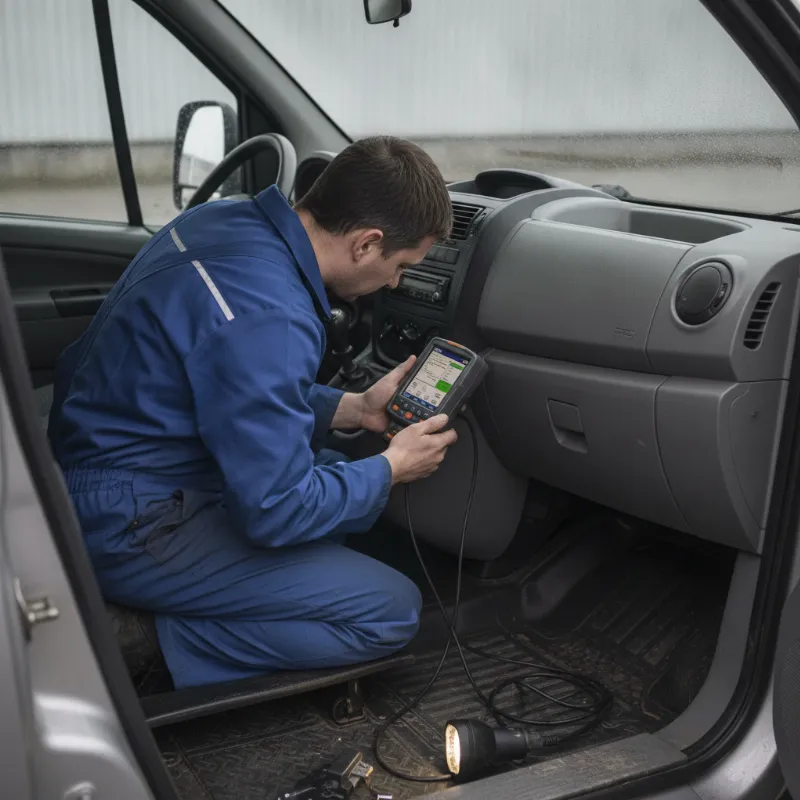
The cleanest option is to have an authorised Fiat commercial vehicle dealer recalibrate the ECU using the official diagnostic tools. This is the route most often used to remove an aftermarket fleet limiter and return the van to standard factory settings — for example when a courier company sells its Doblos on to private owners. Because the work is carried out with manufacturer-approved software, it does not leave the same evidence trail as a third-party remap and is generally accepted by insurers, provided it is declared.
Third-Party ECU Remapping
Independent tuning specialists can connect to the Doblo's OBD port and rewrite the ECU software to raise or remove the speed cap, sometimes alongside changes to power and torque outputs. This is quicker and usually cheaper than a dealer visit, but it will almost certainly void any remaining warranty and must be declared to your insurer. Quality varies significantly between remappers, so if you go this route, choose a specialist with specific Fiat MultiJet experience and a proven track record.
Aftermarket Speed Limiter Modules
Where the limiter has been added by a previous fleet operator via a plug-in module, the simplest fix is often to locate and remove that module rather than touching the ECU at all. These units are typically found behind the dashboard or near the accelerator pedal wiring and can be unplugged by an auto-electrician familiar with Fiat commercial vehicles. This returns the van to its original factory speed cap without any software changes.
Risks and Safety Considerations
The Fiat Doblo was designed as a practical light van rather than a high-speed vehicle. Its suspension, braking system and tyres are all specified with typical commercial use in mind, and pushing the vehicle to speeds well above its normal operating range brings genuine safety concerns. Payload, roof racks, roof bars and heavy rear loads all affect stability and stopping distances at higher speeds far more than most drivers realise.
There is also the question of fuel economy and long-term engine wear. Sustained high-speed running on a small-capacity turbo diesel increases exhaust gas temperatures, accelerates DPF loading and can shorten the life of turbochargers and injectors. Even where removing a limiter is technically possible, it is worth asking whether the practical benefit justifies the additional wear and running cost.
Our Recommendation for Fiat Doblo Van Owners
For most private buyers, our advice is straightforward: unless you have bought an ex-fleet Doblo with an unusually restrictive aftermarket limiter that makes motorway driving genuinely awkward, leave the speed limiter alone. The factory setting is comfortably above UK legal speed limits, and any modification brings insurance, warranty and resale complications that rarely repay the effort. If you have inherited a low-set fleet limiter, a straightforward dealer recalibration or module removal is the sensible, declarable route.
If you are shopping for a Doblo and want to avoid the issue altogether, look for a van that has already been returned to factory specification with paperwork to prove it. You can browse our current stock of Fiat Doblo vans for sale, and our team is happy to confirm the limiter status of any individual vehicle before you commit to buy.
FAQs
Can you remove the speed limiter on a Fiat Doblo van, and if so, how is it done safely and legally?
Yes, the speed limiter on a Fiat Doblo can be removed or adjusted, either by a Fiat dealer recalibrating the ECU, by an independent tuning specialist remapping the software, or by unplugging an aftermarket limiter module fitted by a previous fleet operator. Doing so is not illegal in itself, but you must still obey UK speed limits, declare the modification to your insurer, and accept that it will normally void any remaining manufacturer warranty. The safest and most insurer-friendly route is a dealer recalibration back to factory settings.
How do I know if my Fiat Doblo has an aftermarket speed limiter fitted?
The clearest sign is a maximum speed noticeably below the national limit — typically 62, 68 or 70 mph — that the van simply will not exceed no matter how hard you press the accelerator. Ex-courier, ex-utility and ex-lease Doblos are the most common candidates. A Fiat specialist or auto-electrician can confirm by inspecting the wiring behind the dash and reading the ECU with diagnostic equipment.
Will removing the speed limiter improve fuel economy on my Doblo?
No, generally the opposite. Fuel economy on the MultiJet diesel Doblo is best at steady, moderate motorway speeds, and driving at higher sustained speeds increases fuel consumption noticeably. Removing the limiter allows a higher top speed but does not make the engine more efficient at any given cruising speed.
Do I have to tell my insurer if I remove the speed limiter?
Yes. Any change to the engine management system, including removing or altering a speed limiter, is a modification that must be declared. Failing to declare it can invalidate your policy completely, meaning an insurer could refuse to pay out on any claim — even ones unrelated to the modification itself.
Does removing the speed limiter affect the resale value of a Fiat Doblo?
It can. Some buyers, particularly other private users, are indifferent, but fleet buyers, leasing companies and cautious private purchasers often prefer a van in factory specification with a clean ECU history. A remapped or de-limited Doblo may take longer to sell and typically won't command a premium, so it's worth factoring in when deciding whether the modification is worthwhile.