How Much Does It Cost to Finance a Van? A UK Buyer's Guide
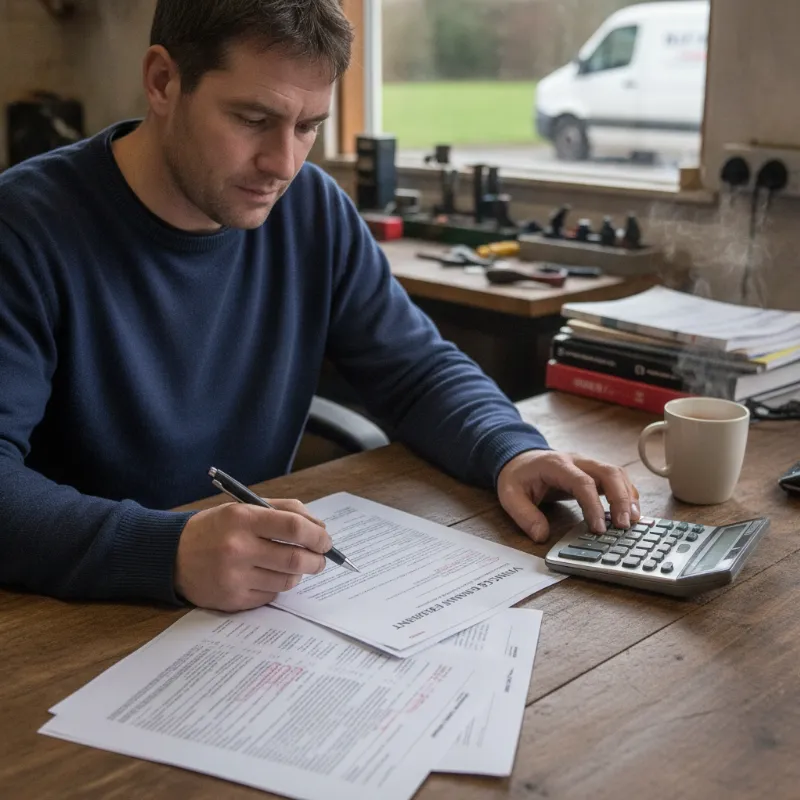
What Does It Actually Cost to Finance a Van?
The honest answer is that van finance costs sit on a very wide scale, and the monthly figure you'll pay depends on far more than just the sticker price of the vehicle. For a small city van bought used, monthly payments can start comfortably under £200. For a brand new, fully specced large panel van on a shorter agreement, monthly costs can climb well beyond £600. Most working buyers in the UK end up somewhere in the middle — typically paying between £250 and £450 per month once deposit, term length and van choice are all factored in.
What matters more than any headline number is understanding why those figures move. Two buyers looking at the exact same van on the same forecourt can walk away with very different monthly payments, because finance is priced around the vehicle, the agreement structure and the individual buyer. Before you commit to anything, it's worth breaking down each of the levers that push the cost up or down.
Key Factors That Affect Your Van Finance Monthly Payment
Van finance quotes are built from a handful of core ingredients. Change any one of them and the monthly payment shifts — sometimes dramatically. Here are the biggest factors to understand before you sign anything.
Van Price and Deposit
The starting point is always the on-the-road price of the van itself. The higher the price, the more you're borrowing, and the higher the monthly payment. Your deposit works in the opposite direction: the more you put down upfront, the less you need to finance, and the lower your monthly cost becomes. A typical deposit sits around 10% of the vehicle value, but putting down 20% or 30% can noticeably reduce what you pay each month and often unlocks better finance terms overall. If cash flow allows, part-exchanging an existing vehicle is another way to boost your effective deposit without touching your bank balance.
Loan Term Length
Van finance agreements usually run from two to five years, with four years being the most common. A longer term spreads the cost over more months, so each individual payment is smaller — but you'll pay more in interest overall. A shorter term does the opposite: higher monthly payments, but less total interest and quicker ownership. Choosing the right term is really about matching the payment to your monthly cash flow without stretching so far that the van depreciates faster than you're paying it off.
Your Credit Profile
Lenders price finance based on risk, and your credit history is the biggest signal they use. A strong credit score, a stable address history, regular income and no recent defaults all point towards lower rates and better acceptance. A patchier credit file doesn't automatically rule you out — plenty of specialist lenders work with sole traders, newly-formed limited companies and buyers with past credit issues — but the monthly payment will usually be higher to reflect the added risk.
New vs Used Van
New vans cost more to buy, so on paper they cost more to finance. However, they often come with manufacturer-supported finance deals, longer warranties and predictable running costs. Used vans have a lower purchase price and therefore lower monthly payments, but interest rates on older vehicles can be slightly higher, and you'll want to factor in potential maintenance costs. For many small businesses, a two- or three-year-old used van hits the sweet spot between affordability and reliability.
Types of Van Finance and How They Change the Cost
The type of agreement you choose has just as much impact on your monthly figure as the van itself. Each product is structured differently, and each suits a different type of buyer.
Hire Purchase (HP)
Hire Purchase is the most straightforward route. You pay a deposit, then fixed monthly payments over the agreed term, and at the end of the agreement you own the van outright. Monthly costs tend to be higher than lease-based products because you're paying off the full value of the vehicle, but there's no balloon payment to worry about and no mileage restrictions. HP is popular with tradespeople who plan to keep their van for the long haul.
Finance Lease and Contract Hire
With a finance lease or contract hire agreement, you're essentially renting the van over a fixed period rather than buying it. Monthly payments are usually lower than HP because you're only paying for the portion of the vehicle's value you use, not the whole thing. At the end of the term, you hand the van back (contract hire) or have options to sell it on or extend (finance lease). These products suit businesses that want predictable costs, regular vehicle upgrades and the tax advantages of leasing, but you'll need to stick to agreed mileage limits and keep the van in good condition to avoid end-of-contract charges.
Personal vs Business Contract Purchase
Contract Purchase agreements — offered in Personal (PCP) and Business (BCP) versions — split your payments into a deposit, lower monthly instalments, and a larger optional final payment (sometimes called a balloon) at the end. Because that final lump sum is deferred, your monthly cost is lower than an equivalent HP deal. At the end of the term you can pay the balloon and keep the van, hand it back, or part-exchange it against a new agreement. The business version can carry VAT and tax benefits for VAT-registered companies, while the personal version suits sole traders or private buyers who want flexibility.
Example Monthly Cost Ranges for Popular Van Sizes
To give you a realistic feel for the numbers, here's a rough guide based on typical four-year agreements with a 10% deposit. These are indicative ranges rather than firm quotes, since your actual figure will depend on the factors covered above.
A small city van such as a Ford Transit Courier, Vauxhall Combo or Citroën Berlingo tends to sit between £180 and £280 per month when bought used, or £250 to £380 per month new. Mid-size vans like the Ford Transit Custom, Vauxhall Vivaro or Volkswagen Transporter typically land between £280 and £420 per month used, and £380 to £550 new. Large panel vans such as the full-size Ford Transit, Mercedes Sprinter or Iveco Daily generally run from £350 to £500 per month used, and £500 to £700 or more when brand new and well-specified. Specialist conversions — tippers, Lutons, refrigerated bodies — sit above these ranges because the conversion cost adds to the total finance amount.
Extra Costs to Budget for Beyond the Finance Payment
The monthly finance payment is only part of the picture. To work out what your van will really cost you each month, you'll need to add several other running costs. Insurance for commercial vehicles varies widely depending on your occupation, area and driving history, but budget at least £50 to £150 per month. Fuel is often the biggest ongoing expense, easily £200 to £500+ per month for a van in regular use, depending on mileage and fuel type. Road tax (VED) for most vans runs to a few hundred pounds a year. Then there's servicing, MOT, tyres, AdBlue for diesel vans, and unexpected repairs — a sensible rule of thumb is to set aside £50 to £100 a month for maintenance. If you drive into a Clean Air Zone or the London ULEZ, add those charges on top. Getting all of these into your monthly budget from day one prevents nasty surprises later.
How to Lower the Cost of Financing Your Van
There are several practical ways to bring the monthly figure down. First, put down the biggest deposit you can comfortably afford — even a modest increase makes a visible difference. Second, check and improve your credit profile before applying: making sure you're on the electoral roll, clearing small outstanding balances and avoiding multiple credit applications in a short window can all help. Third, consider a slightly older or lower-spec van; the price drop between a new van and a well-kept two-year-old example is often thousands of pounds. Fourth, be realistic about mileage and term length — don't take a five-year deal on a van you'll only need for three. Finally, compare more than one type of finance product. HP, lease and contract purchase all produce different monthly figures for the same van, and the "best" answer depends on how you use the vehicle and whether you want to own it at the end.
Getting a Personalised Van Finance Quote
Every number in this guide is a starting point, not a final answer. The only way to know exactly what a van will cost you to finance is to get a tailored quote based on the specific vehicle, your deposit, your chosen term and your credit profile. A good dealership will run through several finance options side by side, explain the total amount payable as well as the monthly figure, and help you match the agreement to how you actually plan to use the van. Take your time, ask questions, and don't be afraid to walk through more than one scenario before committing — a few minutes of comparison at the outset can save you hundreds of pounds over the life of the agreement.
FAQs
How much does it cost per month to finance a van in the UK?
Most UK buyers pay between £250 and £450 per month to finance a van on a typical four-year agreement with a 10% deposit. Small used vans can start under £200 per month, while new large panel vans often exceed £600 per month. The exact figure depends on the van's price, your deposit, the length of the agreement, your credit profile and the type of finance product you choose.
How much deposit do I need to finance a van?
Most van finance agreements require a deposit of around 10% of the vehicle's value, though some products accept less and a few no-deposit options exist for buyers with strong credit. Putting down a larger deposit — 20% or 30% — reduces your monthly payment, cuts the total interest you pay and often improves your acceptance chances.
Is it cheaper to finance a new or used van?
Used vans usually have lower monthly finance payments because the vehicle itself is cheaper, but interest rates on older vans can be slightly higher and maintenance costs may rise as the van ages. New vans cost more per month but often come with manufacturer finance offers, full warranties and predictable running costs. A two- or three-year-old used van tends to offer the best balance for most small businesses.
Can I finance a van as a sole trader or new business?
Yes. Sole traders, partnerships and newly-formed limited companies can all access van finance in the UK. Lenders will typically want to see proof of income, bank statements and identification, and some may ask for a personal guarantee if the business has limited trading history. Specialist lenders also work with buyers who have less-than-perfect credit, though rates will usually be higher to reflect the added risk.
Does van finance include VAT?
It depends on the product. On Hire Purchase, VAT is normally payable upfront alongside your deposit, and VAT-registered businesses can reclaim it. On lease and contract hire agreements, VAT is spread across the monthly payments, and VAT-registered businesses can usually reclaim a portion depending on business use. Always check with the dealer or finance provider how VAT is structured in your specific quote.