 Call us on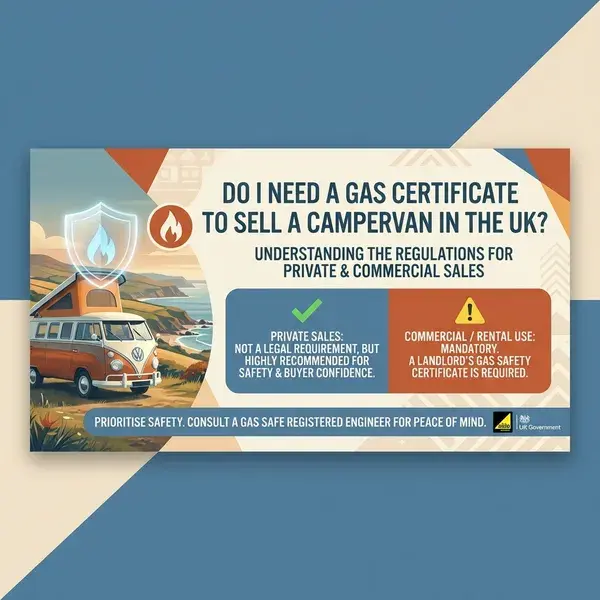
Do I Need A Gas Certificate To Sell A Campervan In The UK
Legal Requirements for Selling a Campervan
Whether you need a gas safety certificate to sell a campervan in the UK depends mainly on one thing: is the sale private, or is the campervan being hired out or sold commercially? The rules differ, and getting them right matters both for legal compliance and for buyer confidence.
Gas Safety Regulations
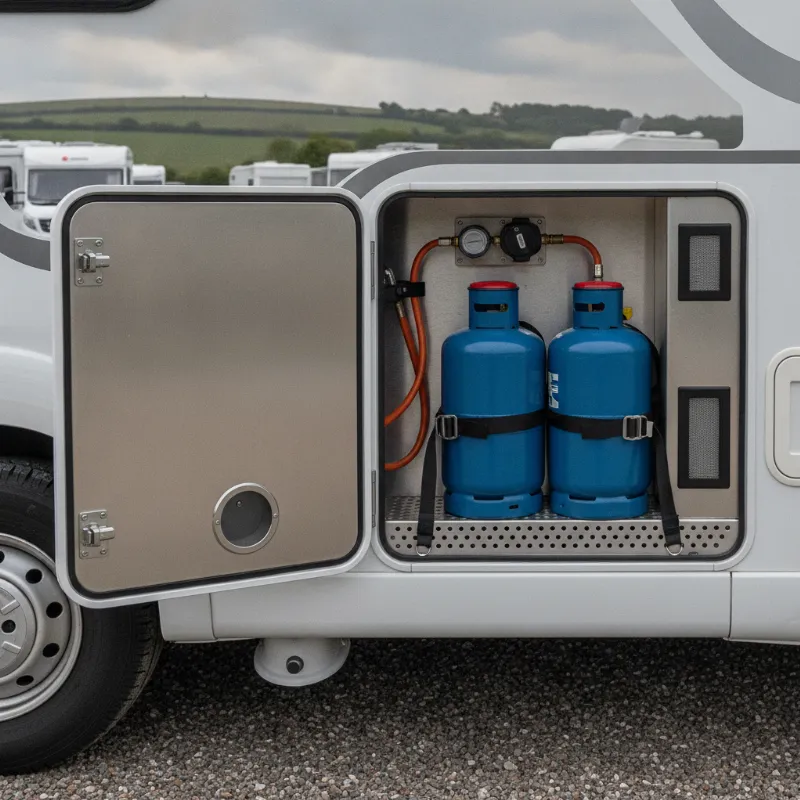
LPG systems in campervans and motorhomes are covered by BS EN 1949, the British/European standard for the installation of LPG systems in leisure accommodation vehicles. The standard has been updated over the years -- most recently to the 2021 edition, which supersedes the previous 2011+A1:2013 version -- and covers how gas appliances, pipework, ventilation and gas lockers should be installed and maintained.
Exceptions for Private Sales
For a private sale, there's no legal requirement to provide a Gas Safety Certificate. Leisure vehicles fall outside Gas Safe's regulatory scope unless they're permanently sited or used commercially. See all camper vans for sale.
That said, a voluntary gas safety check before selling is still worth doing. It reassures the buyer, and it's a straightforward way to catch a developing fault -- degraded pipework, a leaking regulator, a clogged burner -- before it becomes the new owner's problem.
Commercial Sales Requirements
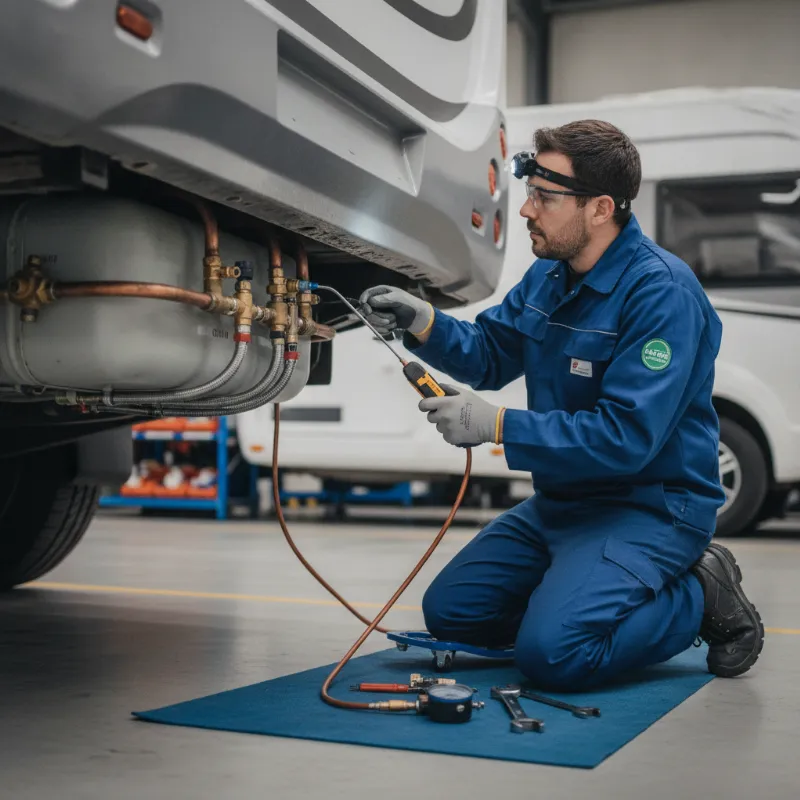
If a campervan is going to be hired out or sold as part of a business, the requirements tighten considerably. Anyone carrying out the gas work must be Gas Safe registered and specifically qualified for Liquefied Petroleum Gas (LPG) systems and Leisure Accommodation Vehicles (LAVs) -- not every Gas Safe engineer holds this extra qualification, so it's worth checking before booking one.
For hire or rental use, a Landlord's Gas Safety Record is required -- the same idea as the landlord gas safety check used for rented houses and flats, but recorded against the vehicle registration instead of a property address. Gas installations used commercially must be retested every 12 months.
A typical inspection covers:
- Visual inspection of the whole gas system
- Emergency control valve and fittings
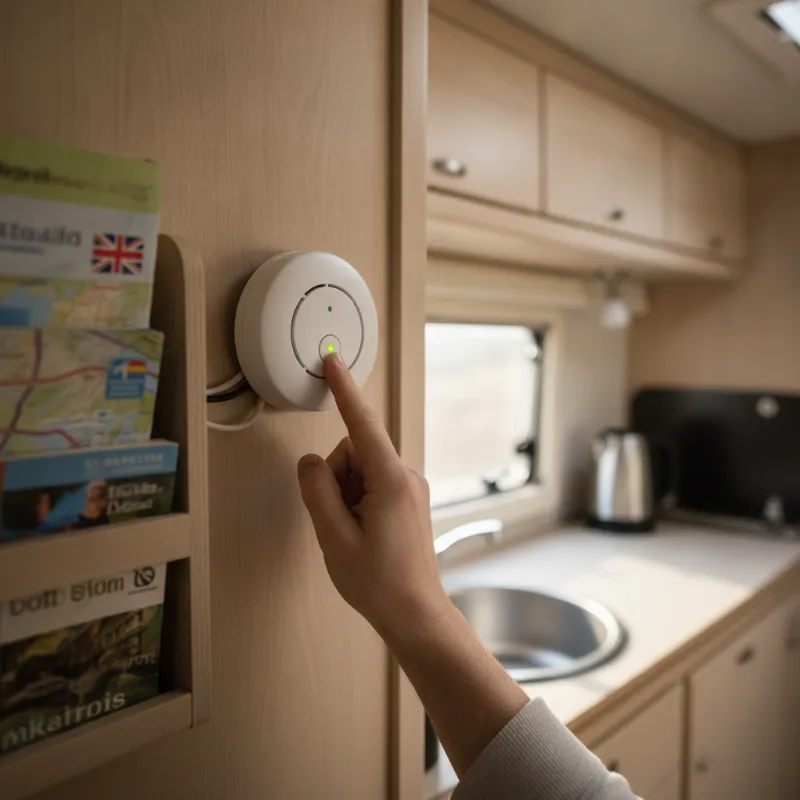
- Carbon monoxide alarm test
- Regulator working pressure
- Appliance locations and models
- Function test of all gas appliances
- Ventilation check
Once the campervan passes, the engineer issues a certificate showing their Gas Safe ID and the vehicle's details.
Understanding Gas Safety Certificates
What is a Gas Safety Certificate?
A Gas Safety Certificate (sometimes called a Gas Safety Record) confirms that a campervan's gas appliances and system have been installed correctly and are safe to use. For commercial use it's issued as a Landlord's Gas Safety Record. It isn't a legal requirement for a private sale, but some campsites and events ask to see one, and it's a useful document to hand over when selling -- it shows a buyer the gas system has actually been checked, not just assumed to be fine.
Who Can Issue a Certificate?
Only a Gas Safe registered engineer can issue a valid certificate -- and specifically one qualified to work on LPG systems and on Leisure Accommodation Vehicles. Not every Gas Safe engineer covers LAVs, so ask to see proof of the specific qualification before booking, rather than assuming general Gas Safe registration is enough.
Validity Period
For commercial use, gas installations should be retested every 12 months -- pipes degrade, regulators can start to leak, and burners can clog or corrode over time. The Gas Safety (Installation and Use) (Amendment) Regulations 2018 allow the check to be carried out up to two months early without losing the original annual due date.
Keep records of gas safety checks for at least two years. For a rented campervan, tenants need a copy of the current Gas Safety Record within 28 days of the check, or before they take possession if they're new tenants.
Benefits of Obtaining a Gas Certificate
A gas certificate isn't legally required for a private sale, but there are real, practical reasons to get one anyway.
Increased Buyer Confidence
Buyers are naturally cautious about gas appliances in a vehicle they haven't lived with. A valid certificate is tangible proof the system has been checked by a qualified professional, and it can shorten the sale process by removing a common reason for a buyer to hesitate or ask for a pre-purchase inspection.
Potential Insurance Benefits
Some insurers ask for evidence of regular gas safety checks, particularly for self-build conversions or commercially used campervans. A current certificate can support a claim if a gas-related issue ever arises, and in some cases may help with policy terms.
Legal Protection
A certificate is also useful protection for the seller: if a gas-related issue comes up after the sale, it's evidence the system was in good working order at the point of sale. For hire or commercial use it moves from "useful" to legally required.
Conclusion
A Gas Safety Certificate isn't legally required to sell a campervan privately in the UK, but for hire or commercial use it is -- and either way, it's a straightforward way to reassure a buyer and protect yourself. Book a Gas Safe registered engineer who's specifically qualified for LPG and Leisure Accommodation Vehicles, keep the paperwork, and you've covered the one safety question every serious buyer will ask.
FAQs
Do campervans in the UK require a gas safety certificate?
Yes, if you are renting out your campervan, it is mandatory to have a gas safety certificate, as this classifies you as a landlord. A qualified gas engineer who is registered with Gas Safe must issue this certificate. Without it, you cannot legally rent out your campervan.
What is the cost of obtaining a gas certificate for a campervan?
The price of a gas certificate for a campervan can vary, so it’s advisable to consult with a certified gas engineer or check with local service providers for the most accurate pricing.
Is a gas locker necessary in a UK campervan?
Yes, a gas locker is essential for safety in a campervan. It must be constructed from metal and comply with UK and European legislation to ensure that any leaking gas is contained and safely vented out of the vehicle, preventing potential hazards.
What are some effective methods for selling a campervan in the UK?
You can sell your campervan through a motorhome broker who will handle the sale on a commission basis and pay you once the vehicle is sold. Alternatively, selling your motorhome privately online is often one of the fastest ways to achieve a sale and can also help you fetch a competitive price.