The Cost of Leasing a Refrigerated Van: A UK Buyer's Guide
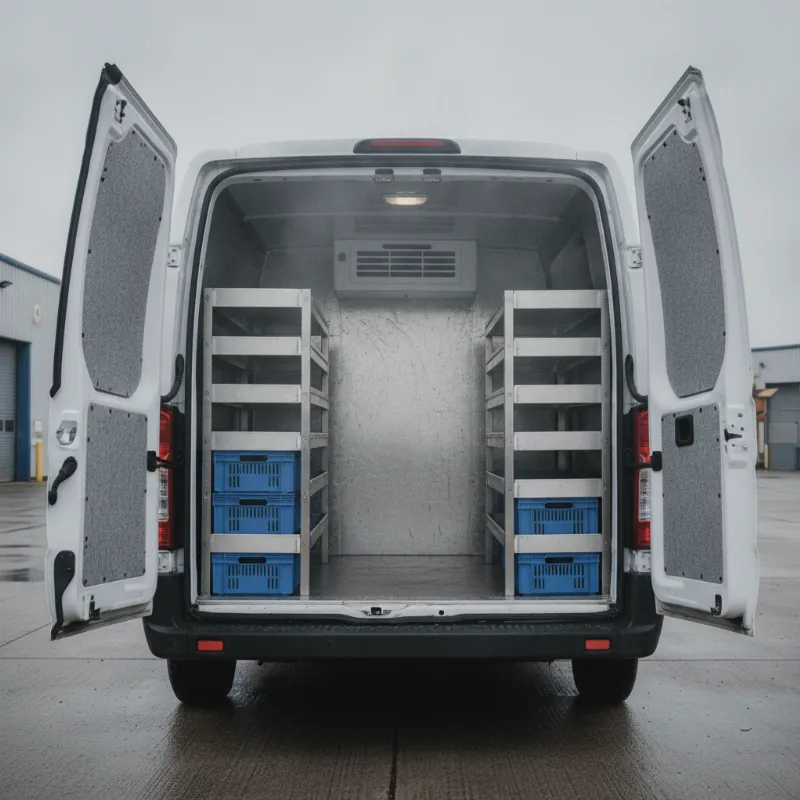
What Affects the Cost of Leasing a Refrigerated Van?
The cost of leasing a refrigerated van in the UK isn't a single figure — it's the result of several moving parts that combine to shape your monthly rental. Understanding what drives the price up or down is the first step to budgeting accurately and choosing a vehicle that actually suits the work you do, rather than one that looks cheap on paper but costs you more in the long run.
Below are the four biggest factors that funders, dealers and conversion specialists take into account when they build a quote for a fridge van lease.
Van Size and Payload
The base vehicle is the single largest component of your monthly cost. A compact car-derived van like a Ford Transit Courier or Vauxhall Combo will sit at the bottom of the price ladder, while a long-wheelbase, high-roof panel van or a 3.5-tonne Luton with a full fridge body will be considerably more. Payload matters too — once a refrigeration unit and insulated lining are fitted, useful payload drops by several hundred kilos, so operators often size up to keep their working payload intact, which pushes the lease rate higher.
Fridge Specification (Chiller vs Freezer)
The refrigeration equipment itself can account for a significant slice of the lease price. A basic chiller conversion holding temperatures around 0°C to 5°C is the most affordable option and suits florists, sandwich rounds and general chilled deliveries. A dual-compartment or full freezer conversion running at –18°C to –25°C uses a heavier-duty unit, thicker insulation, stronger seals and often standby electric hook-up, all of which add to the capital cost being financed — and therefore to your monthly rental.
Lease Term and Annual Mileage
Contract length and mileage allowance directly change the sums. Longer terms of four or five years typically spread the depreciation over more months and reduce the monthly figure, while shorter two-year deals cost more per month but give you flexibility. Mileage works the same way — a 10,000-mile-per-year contract is cheaper than a 25,000-mile one because the van will be worth more at the end. Be realistic here: exceeding your agreed mileage triggers excess charges, and under-declaring to get a lower headline rate almost always backfires.
New vs Used Refrigerated Vans
Brand-new fridge vans command the highest monthly rentals but come with full manufacturer warranties, the latest emissions compliance and predictable running costs. Leasing a used or ex-demo refrigerated van can trim 20–40% off the monthly figure, and for many small operators that trade-off makes sense. Just check the age and hours of the fridge unit itself — a tired Carrier or GAH box can be an expensive surprise mid-contract.
Typical Monthly Lease Cost Ranges by Van Class
Prices move with the market, exchange rates and manufacturer support, so treat the ranges below as a guide rather than a quote. They assume business contract hire on a standard 3+35 profile over 48 months with 10,000 miles per year, excluding VAT.
Small Refrigerated Vans
Compact fridge vans based on models like the Ford Transit Connect, Vauxhall Combo, Peugeot Partner or Volkswagen Caddy typically lease from around £300 to £450 per month. These are ideal for florists, caterers, pharmaceutical couriers and urban food deliveries where access and running costs matter more than volume. Expect roughly 2 to 3 cubic metres of insulated load space and payloads of 400–600kg after conversion.
Medium Panel Refrigerated Vans
The workhorse category — Ford Transit Custom, Vauxhall Vivaro, Mercedes-Benz Vito and Volkswagen Transporter conversions — generally leases in the £450 to £700 per month bracket. You'll get 5 to 6 cubic metres of chilled or frozen space and payloads around 800–1,100kg, making these vans the natural choice for multi-drop chilled logistics, butchers, fishmongers and event caterers.
Large Refrigerated Vans and Luton Fridge Bodies
At the top end, long-wheelbase Ford Transits, Mercedes-Benz Sprinters, Iveco Dailys and 3.5-tonne Luton fridge bodies typically sit between £700 and £1,100 per month. Freezer specifications, dual-compartment builds and tail-lifts push the figure higher. These vans deliver 10 to 20 cubic metres of load space and are the standard tool for wholesale food distribution, national frozen deliveries and pharmaceutical cold chain work.
Upfront Costs and What's Included in a Lease
Most refrigerated van leases are structured with an initial rental — often three, six or nine times the monthly figure — paid at the start of the contract. A larger initial rental lowers the monthly, and vice versa, so you can tailor the profile to your cashflow. On top of that you'll typically pay a documentation fee and the first month's road fund licence is usually rolled into the deal.
Included as standard on most contract hire agreements are the vehicle, the refrigeration conversion, road tax for the full term and manufacturer warranty cover. Optional extras that many operators add — and which are worth budgeting for — include a maintenance package covering servicing, tyres and MOTs, breakdown cover for both the van and the fridge unit, and telematics. Insurance is almost never included and needs arranging separately with a broker familiar with refrigerated commercial vehicles.
Business Contract Hire vs Finance Lease for Fridge Vans
The two most common ways to lease a refrigerated van in the UK are business contract hire (BCH) and finance lease, and the choice affects both cost and accounting treatment. With BCH you rent the van for a fixed term and hand it back at the end — there's no residual value risk, VAT is reclaimable on the monthly rental (100% for commercial vehicles used for business), and the rentals are treated as an operating expense. It's the simplest, most predictable option and suits most SMEs.
Finance lease works differently. You effectively fund the whole capital cost of the van and fridge conversion over the term, often with a balloon payment at the end reflecting a projected resale value. Monthly costs can look lower, but you carry the risk of the van's end value and you're responsible for selling it on. Finance lease can suit operators who want to keep the vehicle for many years, or who run high mileages that would attract heavy excess charges under BCH. Speak to your accountant before committing — the right structure depends on your tax position as much as the headline rate.
Ways to Reduce Your Refrigerated Van Lease Cost
There are several practical levers you can pull to bring the monthly figure down without compromising on the van you actually need. Extending the contract to 48 or 60 months spreads depreciation further and almost always reduces the monthly rental. Increasing the initial rental to six or nine months up front has the same effect. Being honest and accurate about annual mileage avoids paying for capacity you won't use — and avoids painful excess charges later.
Consider a used or nearly-new fridge van rather than brand-new stock; a 12-month-old ex-lease vehicle can offer meaningful savings while still carrying warranty. Standardising on a mainstream chassis like the Ford Transit or Vauxhall Vivaro tends to be cheaper than premium German alternatives, and picking a chiller specification rather than a full freezer saves money if your product range genuinely doesn't need sub-zero temperatures. Finally, quote several funders — rates vary noticeably between them, and a broker or dealer with access to multiple lenders will usually find a keener deal than going direct to one bank.
Get a Tailored Refrigerated Van Lease Quote
Every operation is different, and the only way to know exactly what leasing a refrigerated van will cost you is to get a written quote against your specific requirements — van size, fridge spec, term, mileage and initial rental. Our team builds refrigerated van lease quotes daily for florists, caterers, butchers, pharmacies and national logistics operators, and we work with a panel of funders to make sure the rate we present is genuinely competitive. Get in touch with your operating profile and we'll come back with a clear, itemised proposal so you can budget with confidence.
FAQs
How much does it cost to lease a refrigerated van in the UK?
Monthly lease costs for a refrigerated van in the UK typically range from around £300 for a small chiller van up to £1,100 or more for a 3.5-tonne Luton freezer, based on a 48-month business contract hire with 10,000 miles per year and excluding VAT. The exact figure depends on van size, fridge specification (chiller or freezer), lease term, mileage allowance and how much you pay as an initial rental.
Is it cheaper to lease or buy a refrigerated van?
Leasing usually has lower upfront costs and predictable monthly outgoings, while buying outright is often cheaper over the very long term if you keep the van for many years. For most SMEs, contract hire wins on cashflow and simplicity because road tax, warranty and optional maintenance are wrapped in, and there's no residual value risk. Buying can work better for operators who plan to run a van well beyond five years.
Does a refrigerated van lease include the fridge unit servicing?
Not automatically. A standard lease covers the vehicle warranty, but the refrigeration unit is a separate piece of equipment usually covered by its own manufacturer warranty (Carrier, GAH, Hubbard, Thermo King and so on). You can typically add a fridge maintenance package to your lease that covers annual servicing and breakdown cover for the reefer unit — it's worth including to keep the cold chain protected.
Can I reclaim VAT on a refrigerated van lease?
Yes, in most cases. If you're VAT-registered and the van is used for business, you can normally reclaim 100% of the VAT on the monthly rentals of a commercial vehicle lease, including refrigerated vans. Any element used for private mileage would need adjusting. Always confirm the treatment with your accountant based on your specific circumstances.
What mileage allowance should I choose for a fridge van lease?
Be realistic and use last year's actual figures as a starting point. Under-declaring to secure a lower monthly rate leads to excess mileage charges at the end of the contract, which are usually charged per mile and can be significant. If your work varies, it's better to pitch slightly high — some funders allow you to adjust mileage mid-contract, and unused mileage rarely costs as much as excess mileage.