The Best Dropside Vans in the UK: A Buyer's Guide
What is a dropside van and who is it for?
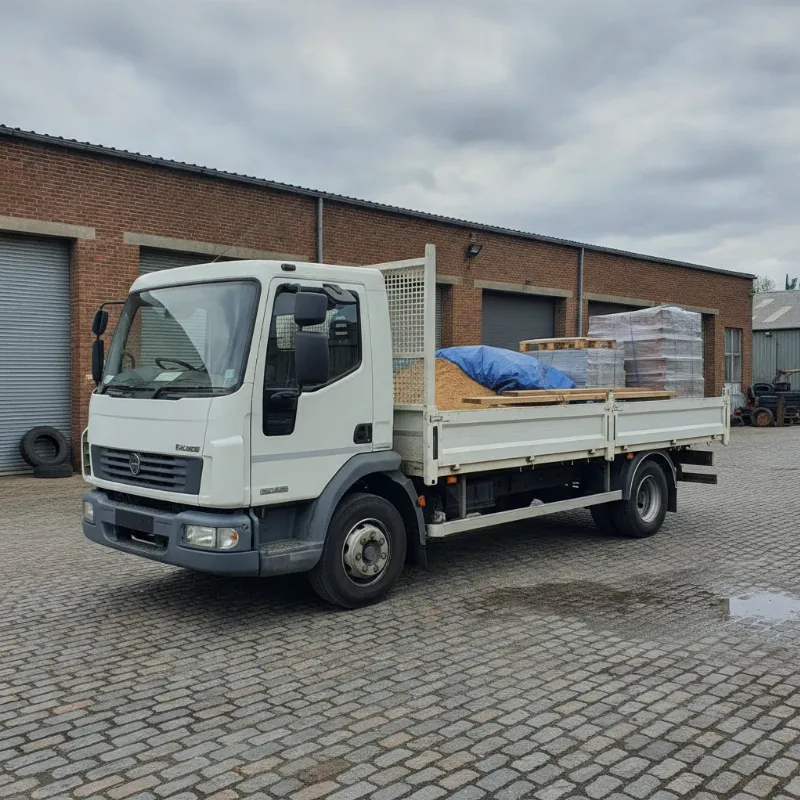
A dropside van is a chassis cab fitted with a flat load bed and three hinged side panels — the two sides and the rear tailgate — that can be dropped down to make loading and unloading dramatically easier. Unlike a panel van, there's no roof or side walls over the load area, so bulky items like scaffolding, timber, bricks, aggregates, plant equipment and landscaping materials can be craned or forklifted straight on from any angle.
Dropsides are the workhorse of choice for builders, roofers, groundworkers, landscapers, fencing contractors, plant hire firms and local authorities. If your day involves moving long, awkward or heavy loads that simply won't fit through a side door, a dropside is almost always more practical than a panel van — and often more versatile than a tipper vans alternative if you don't need the hydraulic tipping function.
How we chose the best dropside vans
There are plenty of dropside conversions on the UK market, but the best options combine a proven chassis cab with a well-built body, a generous payload and running costs that make sense over a three- to five-year ownership cycle. Here's what we prioritised when putting this guide together.
Payload and load bed size
Payload is the single most important number on a dropside spec sheet. A 3.5-tonne chassis cab typically offers between 900kg and 1,400kg of usable payload once the dropside body has been fitted, and heavier 5.0- or 7.2-tonne variants push that well beyond two tonnes. Load bed length matters just as much — most one-tonne dropsides offer a bed of around 3.0 to 3.4 metres, which is enough for standard timber lengths and sheet materials, while long-wheelbase versions stretch closer to 4.3 metres.
Reliability and running costs
A dropside van is only earning when it's on the road, so we favoured chassis with a strong reputation for durability, widely available parts and a nationwide dealer network. Fuel economy on modern Euro 6 diesels is broadly similar across the class, but service intervals, insurance groups and residual values can vary significantly — and all of them feed into your true cost per mile.
Cab comfort and safety tech
Drivers often spend eight or more hours a day in the cab, so seat comfort, cab storage, air conditioning and infotainment matter. On the safety side, we looked for standard-fit driver assistance kit like autonomous emergency braking, lane-keep assist, cross-wind assist and reversing cameras — features that reduce accident risk and can help keep insurance premiums in check.
The best dropside vans in the UK
Below are the six chassis cabs we rate most highly as the basis for a UK dropside conversion. All are available in single cab and crew cab formats and in multiple wheelbase and gross weight options.
Ford Transit Dropside
The Ford Transit chassis cab is the default choice for a huge number of UK trades, and for good reason. Payloads on the 350 and 470 variants are competitive, the 2.0-litre EcoBlue diesel is refined and efficient, and the Transit's dealer and parts network is unmatched. Cab ergonomics are car-like, SYNC infotainment is standard on most trims, and there's a strong used market when it's time to move on.
Mercedes-Benz Sprinter Dropside
If image, longevity and premium cab feel matter, the Sprinter is hard to beat. The chassis is engineered for a hard life, the OM654 diesel is smooth and long-legged, and Mercedes' MBUX infotainment brings genuine passenger-car tech into the working cab. Sprinter dropsides tend to hold their value well, which softens the higher initial purchase price.
Volkswagen Crafter Dropside
The Crafter shares much of its underpinnings with the MAN TGE and was designed from the outset with chassis cab conversions in mind. That shows in the strength of the ladder frame, the payload figures and the sensible cab layout. Drivers consistently praise the seating position and the intuitive controls, and VW's safety suite is one of the most comprehensive in the class.
Iveco Daily Dropside
The Iveco Daily is the heavy hitter of the group. Uniquely, it's available at gross weights from 3.5 tonnes right up to 7.2 tonnes on a car-style driving licence structure, meaning you can spec a Daily with a payload well beyond two tonnes. Its truck-derived chassis handles overloading and rough sites better than most, making it a favourite with plant hire and civil engineering firms.
Peugeot Boxer / Citroën Relay / Fiat Ducato Dropside
These three vans are essentially the same vehicle wearing different badges, and they consistently offer some of the strongest payload-to-price ratios on the market. The BlueHDi diesel is economical, the cab is spacious, and pricing — new or used — tends to undercut the German rivals. For operators watching every pound, this trio deserves a serious look.
Renault Master Dropside
The Master has long been popular with UK fleets thanks to keen pricing, a strong payload and a factory-supported chassis cab programme that makes it easy to order a dropside from the outset. The 2.3 dCi engine is a known quantity, service costs are reasonable, and Renault's four-year warranty on many models gives useful peace of mind.
Single cab vs crew cab dropside: which is right for you?
A single cab dropside carries two or three people up front and maximises load bed length behind them. If you're a one- or two-person operation moving materials to and from site, this is usually the right choice — you get more usable bed, a lower kerb weight and a slightly better payload.
A crew cab dropside adds a second row of seats for up to seven occupants in total, at the cost of around 500–700mm of load bed length. For groundworks gangs, landscaping teams, fencing crews and any operation moving a group of workers plus their tools to site, the crew cab is the more sensible option. Just double-check the payload once seats and passengers are accounted for — every extra body eats into what you can legally carry.
New vs used dropside vans: what to consider
A brand-new dropside gives you full manufacturer warranty, the latest safety and emissions tech, and the ability to spec exactly the body length, tail-lift and toolbox options you want. It also gives you predictable finance or lease costs over the ownership period.
A used dropside can be excellent value, particularly at two to three years old when the steepest depreciation has already happened. Check the chassis and body separately: look under the load bed for corrosion, inspect the drop panels and hinges for wear, and make sure the body plate matches the V5 for gross vehicle weight. A full service history and evidence of any tail-lift LOLER inspections are essentials rather than nice-to-haves.
Buying, leasing or financing your dropside van
How you pay for a dropside can matter almost as much as which one you choose. Outright purchase gives you full ownership and no monthly commitment, but ties up capital that could otherwise be working in the business. Hire purchase spreads the cost over an agreed term and leaves you owning the vehicle at the end, which suits operators who plan to keep vans for the long haul.
Contract hire and finance lease are popular with businesses that want fixed monthly costs, predictable maintenance budgets and the ability to refresh the fleet every three to five years without worrying about resale values. VAT-registered businesses can typically reclaim VAT on lease rentals, which can further improve the numbers. Whichever route you take, it's worth getting quotes across a couple of funding types before committing — the right structure depends on your cash flow, tax position and how long you intend to keep the vehicle.
Frequently asked questions about dropside vans
Below are the questions we're most often asked by buyers weighing up a dropside purchase.
FAQs
Which are the best dropside vans to buy or lease in the UK?
The strongest all-round choices are the Ford Transit, Mercedes-Benz Sprinter, Volkswagen Crafter, Iveco Daily, the Peugeot Boxer/Citroën Relay/Fiat Ducato trio and the Renault Master. The Transit is the safe default thanks to its dealer network and residual values, the Sprinter and Crafter lead on cab quality and safety tech, the Iveco Daily is unbeatable when you need maximum payload, and the Stellantis trio and Renault Master offer the best value for money.
What payload can I expect from a 3.5-tonne dropside van?
Once the dropside body is fitted, most 3.5-tonne chassis cabs offer a usable payload of between 900kg and 1,400kg depending on the make, wheelbase and specification. Crew cab versions typically lose around 100–200kg of payload compared with the equivalent single cab. Always check the manufacturer's plate rather than relying on brochure figures.
Do I need a special licence to drive a dropside van?
A standard UK category B car licence covers any dropside van up to 3,500kg gross vehicle weight, which includes the vast majority of dropsides on sale. For heavier variants — for example the Iveco Daily at 5.0 or 7.2 tonnes — you'll usually need a C1 licence, which drivers who passed their test before January 1997 often already hold.
Is a dropside or a tipper better for my business?
A dropside is best if you mainly carry palletised goods, timber, sheet materials or plant that needs to be loaded from the side. A tipper is better if you regularly move loose material like soil, aggregates or waste that you want to discharge quickly without shovelling. Many operators run one of each, and it's worth comparing dropside models against a shortlist of tipper vans before you commit.
How much does a new dropside van cost in the UK?
New dropside prices typically start from around £28,000 plus VAT for a basic single cab conversion on a value-brand chassis, rising to £45,000 or more for a fully specced Sprinter or Crafter crew cab. Used prices vary widely with age, mileage and body condition, but a well-maintained three-year-old example often represents the sweet spot between cost and remaining service life.