Are LDV Vans Good? An Honest UK Buyer's Guide
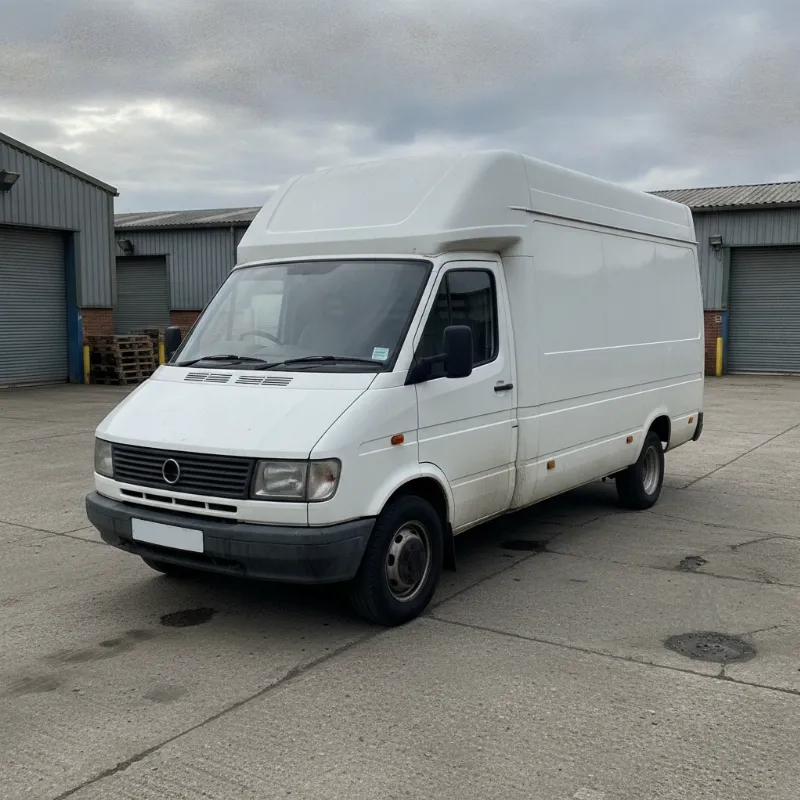
Are LDV vans good? The short answer
LDV vans are a genuinely credible option for UK buyers who want maximum load space and payload for the smallest possible outlay. They tend to undercut mainstream rivals like the Ford Transit, Mercedes Sprinter and Volkswagen Crafter by several thousand pounds, and the current line-up — particularly the Deliver 9 and the electric E-Deliver 9 — is a big step forward from the older LDV vans many drivers remember from the 1990s and 2000s.
That said, they aren't perfect. Residual values are weaker than the class leaders, the driving experience is functional rather than refined, and there are a handful of known niggles owners talk about on forums. For a business that wants a large, practical van and plans to keep it for the long haul, an LDV can make a lot of financial sense. For an owner-driver who wants premium refinement and strong resale in three years, a mainstream badge is usually the smarter choice.
Who makes LDV vans?
LDV is one of those brands with a slightly complicated backstory, and understanding who actually builds the vans today is key to judging whether they're any good.
From British roots to SAIC Motor ownership
LDV — short for Leyland DAF Vans — was originally born out of the old Leyland commercial vehicle empire in Birmingham, and produced familiar British workhorses such as the Sherpa, Convoy and Pilot. After a turbulent period of ownership changes and administration in the late 2000s, the brand and its tooling were acquired by SAIC Motor, one of China's largest automotive manufacturers and the same group behind the modern MG car brand.
Today's LDV vans are designed and built by SAIC in China, and imported into the UK through the Harris Group, which handles distribution, warranty and the dealer network. That matters because it means modern LDVs are backed by a huge parent company with deep pockets, proper R&D and a growing focus on electric vehicles — a very different proposition to the struggling Birmingham operation of 15 years ago.
The LDV range at a glance
The LDV line-up in the UK is compact but covers most of the workhorse segments, with a strong lean towards larger panel vans and an increasingly serious electric offering.
LDV V80, Deliver 9 and the electric E-Deliver line-up
The V80 was the model that really re-established LDV in the UK in the 2010s — a large panel van pitched aggressively on price against the Transit and Sprinter. It has since been replaced and modernised by the Deliver 9, which is a much better resolved product with a proper modern cabin, twin sliding doors on many variants, Euro 6 diesel power and a more car-like driving position.
Alongside the diesel Deliver 9 sits the E-Deliver 9, a fully electric large van, plus the smaller E-Deliver 3 city van. Both have found real traction with fleet operators and last-mile delivery firms thanks to competitive pricing, decent real-world range and payloads that hold up well against pricier European electric rivals.
Classic models: LDV Convoy and LDV Pilot
You'll still see plenty of older LDV Convoys and Pilots knocking about the UK, often converted into campers, horseboxes or tipper trucks. The Convoy was the big 3.5-tonne panel van, while the Pilot was the smaller Sherpa-derived van that soldiered on into the early 2000s. They were cheap, simple and easy to work on, which is exactly why so many are still going.
LDV vans: the pros
The LDV pitch is pretty clear: more van for less money. But the strengths run a bit deeper than just the sticker price.
Value for money vs rival brands
Compare a Deliver 9 like-for-like against a Transit, Sprinter or Crafter and you're typically looking at savings of £4,000 to £8,000 on list price for a comparable specification. Warranty is also generous — five years is standard on much of the range, which is well ahead of the three-year cover most mainstream rivals offer as standard. For a business buying two or three vans at a time, that's a serious chunk of money.
Payload, load space and practicality
Payload is one of the LDV's genuine party pieces. The Deliver 9 offers load volumes and payload ratings that go toe-to-toe with the class leaders, and in some configurations actually beat them. Load lengths are competitive, the rear doors open wide for pallet loading, and the cabin has enough storage cubbies and USB points to keep a working driver happy. It's not the most refined thing on the motorway, but as a tool for shifting stuff it does the job.
Amazon electric vans and the LDV EV story
One of the biggest endorsements LDV has had in recent years is Amazon adopting the EV31 (a version of the E-Deliver 9) for parts of its UK delivery fleet. Seeing hundreds of blue LDV-badged electric vans out on UK roads every day is powerful proof that the electric drivetrain and battery pack are considered fleet-grade reliable. For smaller operators looking at electrification without the eye-watering price tag of a premium European EV van, LDV has become a genuinely serious contender.
LDV vans: the cons and common issues
No van is perfect, and it would be dishonest to skate over the areas where LDVs still lag behind the established competition.
Reliability, power loss and known faults
Owner reports on the older V80 in particular flag up occasional issues with turbo actuators, EGR valves and intermittent power loss / limp mode — the kind of diesel-emissions-related gremlins that plague plenty of modern vans, but which seem to crop up a bit more often on LDV forums. Interior trim quality is functional rather than premium, and some of the switchgear and infotainment feels a generation behind European rivals. The Deliver 9 has improved things considerably, but you should still expect a workmanlike experience rather than a Sprinter-like one.
Residual values and resale
This is the single biggest thing to weigh up. LDVs depreciate faster than Ford, Mercedes, VW or Peugeot equivalents, because the used market and the trade still view them as a value brand. If you buy new and sell in three years, a chunk of your upfront saving will be handed back at trade-in time. If you buy used, that same depreciation curve works brilliantly in your favour — you can pick up a nearly-new LDV for genuinely bargain money.
Are LDV Convoy and LDV Pilot vans any good today?
As modern working vans, no — they're too old, too smoky and too far outside emissions standards to make sense for most day-to-day commercial use, and they'll fall foul of Clean Air Zones and ULEZ in most UK cities. But as project vehicles, campers or occasional-use classics, they've got real charm. Parts are still findable, the mechanicals are simple enough for a competent home mechanic, and prices are low. Just go in with your eyes open about rust, which is the main killer on surviving examples.
Who should buy an LDV van?
An LDV makes the most sense if you're a trades business, courier or fleet operator who values upfront cost, payload and warranty over badge prestige and resale value — especially if you keep vans until the wheels fall off rather than cycling them every three years. The electric E-Deliver range is also well worth a look for last-mile delivery operators who need real-world electric capability without paying premium-brand money. If you're an owner-driver who does high mileage, wants the strongest resale and cares about refinement on long motorway runs, a Transit, Sprinter or Crafter is probably still the safer bet.
Buying an LDV van in the UK
LDVs are sold through a dedicated UK dealer network, with a strong presence for both new sales and aftersales support, and finance packages are widely available through the manufacturer and independent brokers. On the used side, supply is growing quickly as the first wave of Deliver 9s and E-Deliver 9s comes off fleet contracts, and prices are keen. Whichever route you go down, always take a proper test drive with a representative load in the back, check the service history carefully, and — for used electric models — ask for a battery health report before you commit.
FAQs
Are LDV vans good, and are they worth buying in the UK?
Yes, LDV vans are a credible choice in the UK, particularly the modern Deliver 9 and electric E-Deliver range. They offer strong payload, generous warranties and prices well below Ford, Mercedes and VW equivalents. The trade-offs are weaker resale values and a slightly less refined driving experience, so they're best suited to buyers who prioritise upfront value and plan to keep the van long-term.
Who makes LDV vans now?
LDV is owned by SAIC Motor, one of China's largest vehicle manufacturers and the same group behind MG. The vans are designed and built by SAIC in China and imported into the UK by the Harris Group, which runs the dealer, warranty and parts network.
Are LDV vans reliable?
Modern LDVs are broadly reliable, and the fact that Amazon runs a large fleet of LDV electric vans in the UK is a strong vote of confidence. Older V80 diesels have some known issues around turbo actuators, EGR valves and occasional limp-mode faults, but the newer Deliver 9 has improved noticeably. As with any van, service history and a proper pre-purchase inspection matter.
How long is the warranty on a new LDV van?
New LDV vans typically come with a five-year manufacturer warranty, which is longer than the three-year cover offered as standard by most mainstream rivals. Electric models also have a separate longer warranty on the battery pack — worth checking the exact terms with your dealer before you buy.
Do LDV vans hold their value?
LDV vans depreciate faster than Ford, Mercedes or VW equivalents, because the used market still treats them as a value brand. That's a downside if you're buying new and selling in three years, but a real advantage if you're buying used — you can pick up a nearly-new LDV for significantly less than a comparable badge rival.