Where Is the Flasher Unit on a Vauxhall Combo Van?
What Is the Flasher Unit and What Does It Do?
The flasher unit, sometimes called the indicator relay, is a small electronic component that controls the timing of your van's indicators and hazard lights. Every time you flick the indicator stalk, it's the flasher unit that produces the familiar rhythmic clicking and makes the bulbs pulse on and off at the correct interval. Without it, your indicators simply won't work — and that's an MOT failure as well as a serious safety issue when you're out on the road in your Vauxhall Combo.
On older Combo vans, the flasher unit is a physical relay you can swap out in minutes. On newer models, its function has been absorbed into a larger control module, which changes how you diagnose and fix the fault. Knowing which generation of Combo you own is the first step to finding it.
Where Is the Flasher Unit Located on a Vauxhall Combo Van?
Vauxhall has produced several generations of the Combo, and the location of the flasher unit — or its electronic equivalent — has moved around considerably over the years. Below is a breakdown by generation so you can go straight to the right spot.
Mk1 and Mk2 Vauxhall Combo Van (1993–2011)
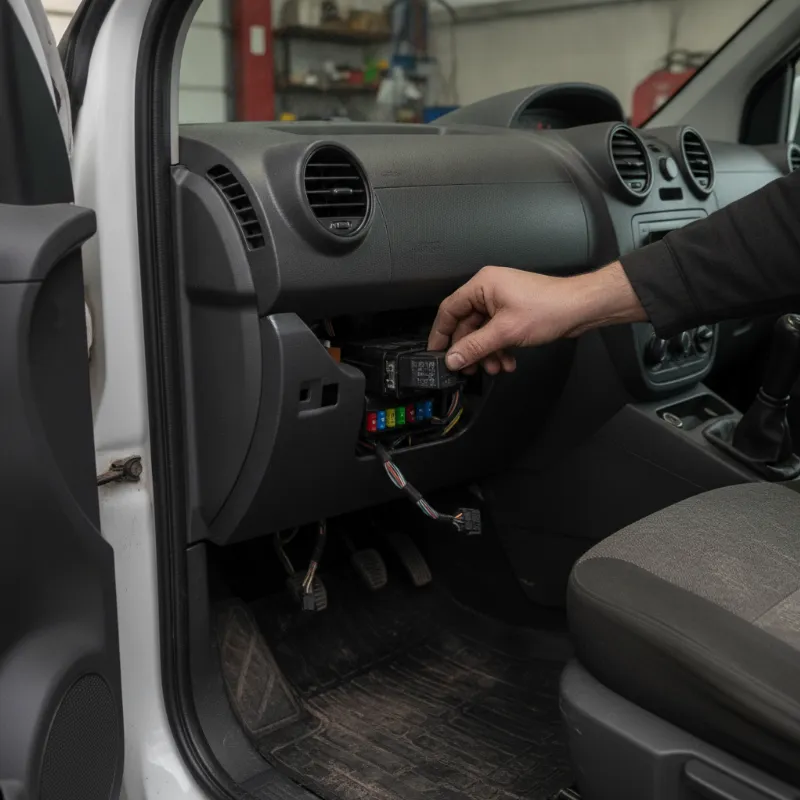
On the earlier Corsa B-based Combo (1993–2001) and the Corsa C-based Combo C (2001–2011), the flasher unit is a small rectangular or cylindrical relay tucked behind the driver's side dashboard. To access it, you'll usually need to remove the lower dash trim below the steering column — the panel that houses the fusebox cover. Once that panel is off, the flasher relay sits either clipped to the fusebox itself or plugged into a dedicated socket next to the main fuse panel. It's often coloured black or grey and about the size of a matchbox, with a distinctive clicking noise when the indicators are in use.
On some Combo C models, particularly later ones, the relay function was integrated into the hazard warning switch on the centre of the dash. If that's the case on your van, replacing the hazard switch itself often cures a flasher fault.
Vauxhall Combo D / Combo Cargo (2012–2018)
The Combo D — which was a rebadged Fiat Doblò built in partnership with Fiat — moved away from a traditional standalone flasher relay. Instead, indicator timing is handled by the Body Control Module (BCM), located behind the glovebox on the passenger side. If your indicators have stopped working on a Combo D, the fault is more likely to be a blown bulb, a corroded bulb holder, a fuse, or the hazard/indicator switch itself rather than a dedicated flasher unit. Diagnostic equipment is usually needed to interrogate the BCM if none of the simpler fixes solve the problem.
Vauxhall Combo Cargo and Combo Life (2018–Present)
The current Combo Cargo, based on the PSA/Stellantis platform shared with the Peugeot Partner and Citroën Berlingo, has no separate flasher unit at all. Indicator function is entirely controlled by the Built-in Systems Interface (BSI) module, which lives behind the glovebox or under the dash on the passenger side depending on trim. Any indicator fault on these newer vans will almost always be a bulb, wiring, switch or software issue — not a relay you can swap. A dealer-level diagnostic tool is typically required to pinpoint electronic faults.
Signs Your Flasher Unit Is Failing
A dying flasher unit rarely fails without warning. Common symptoms include indicators that flash much faster or slower than normal, a total loss of one or both sides, indicators that light up but don't blink, or hazard lights that behave erratically. You might also notice the familiar clicking sound has gone silent, or the dashboard indicator warning lamps stay permanently lit rather than pulsing.
Before condemning the flasher unit, always check the bulbs first. A blown indicator bulb is the single most common cause of "hyper-flashing" (rapid clicking), and it's a five-minute fix compared to hunting around the dashboard for a relay.
How to Access and Replace the Flasher Unit
If you've narrowed the fault down to the flasher unit itself on an older Combo, replacement is one of the more straightforward electrical jobs you can do at home.
Tools You'll Need
You'll want a small flat-blade screwdriver or trim removal tool for the dash panel, a cross-head screwdriver for any retaining screws, and a torch to see into the footwell. A replacement flasher unit from a Vauxhall main dealer or reputable motor factor — make sure the part number matches your van's registration — completes the kit. It's also worth having a multimeter to hand if you want to confirm power is reaching the relay socket before you fit the new part.
Step-by-Step Removal and Fitting
Start by disconnecting the negative terminal of the battery to prevent any accidental shorts. Sit in the driver's footwell and locate the lower dash panel below the steering column. Carefully unclip or unscrew this panel and lower it out of the way — mind any wiring for the bonnet release or diagnostic port. With the fusebox now visible, look for the flasher relay either plugged directly into the fusebox or into a nearby socket. Pull the old unit straight out, then push the new one firmly into place, making sure it seats fully. Refit the trim, reconnect the battery, and test both indicators and hazards before you head out. The whole job typically takes around 20–30 minutes.
Common Combo Electrical Faults to Watch For
Beyond the flasher unit, the Vauxhall Combo has a handful of well-known electrical quirks worth knowing about. Corrosion inside the rear light clusters is common on older vans, particularly after years of British winters, and can mimic a relay fault. The multi-function stalk on the steering column can also wear out, causing intermittent indicator problems. On Combo D and Combo Cargo models, water ingress into the tailgate wiring loom is a recognised issue that can trigger multiple electrical warnings on the dash at once. Damp fuseboxes, dirty earth points behind the front bumper, and failing hazard switches round out the usual suspects.
When to Get a Professional Involved
If you've swapped the bulbs, checked the fuses and — where applicable — replaced the flasher unit but the indicators still misbehave, it's time to get a professional to plug in. Modern Combos rely so heavily on control modules that guessing at parts quickly becomes expensive. An auto electrician or Vauxhall specialist can read fault codes from the BCM or BSI in minutes and pinpoint exactly where the problem lies, saving you both time and money. If your van is still under manufacturer or dealer warranty, always speak to your supplying dealer first before touching the wiring yourself, as DIY repairs can invalidate cover.
Thinking of Upgrading? Browse Our Vauxhall Combo Cargo Range
If you're finding that electrical niggles are becoming a regular feature of running an older Combo, it might be worth weighing up the cost of ongoing repairs against a newer, more reliable van. The latest Vauxhall Combo Cargo offers a huge step forward in refinement, payload, safety technology and fuel economy — and with a wide choice of trims, engines and body lengths, there's a specification to suit every trade. Whether you're after a compact urban runaround or a long-wheelbase workhorse, our team can talk you through the range, arrange a test drive, and help you find finance or lease options that fit your business. Get in touch today to see what's in stock.
FAQs
Where exactly is the flasher unit on a Vauxhall Combo van?
On the Mk1 and Mk2 Combo (1993–2011), the flasher unit is a small relay located behind the lower dashboard panel on the driver's side, plugged into or next to the main fusebox. On the Combo D (2012–2018) and Combo Cargo/Life (2018 onwards), there is no standalone flasher unit — the indicator timing is handled by the Body Control Module or BSI module behind the glovebox on the passenger side.
Why are my Vauxhall Combo indicators flashing faster than normal?
Rapid or 'hyper' flashing is almost always caused by a blown indicator bulb rather than a faulty flasher unit. The system speeds up the clicking to warn you that one of the bulbs has failed. Check all four indicator bulbs (front and rear, both sides) before assuming the relay is at fault.
Can I replace the flasher unit on a Vauxhall Combo myself?
Yes, on older Combo vans (up to around 2011) the flasher relay is a plug-in component that most competent DIYers can swap in 20–30 minutes with basic hand tools. On newer Combo D and Combo Cargo models the function is built into an electronic control module, so any repair will usually need a specialist with diagnostic equipment.
How much does it cost to replace a flasher unit on a Vauxhall Combo?
A genuine flasher relay for an older Combo typically costs somewhere in the region of £15–£40 depending on the exact part number, and if you fit it yourself there's no labour cost. If you need a garage to diagnose and replace a Body Control Module or BSI on a newer Combo, expect the bill to be significantly higher due to the parts cost and required programming.
Will faulty indicators fail an MOT?
Yes. Indicators that don't work, flash at the wrong rate, or aren't visible are an automatic MOT failure. It's also illegal to drive on the road without working indicators, so any fault should be fixed before you use the van again.