What Is a Van Sale? A Simple Guide for UK Buyers
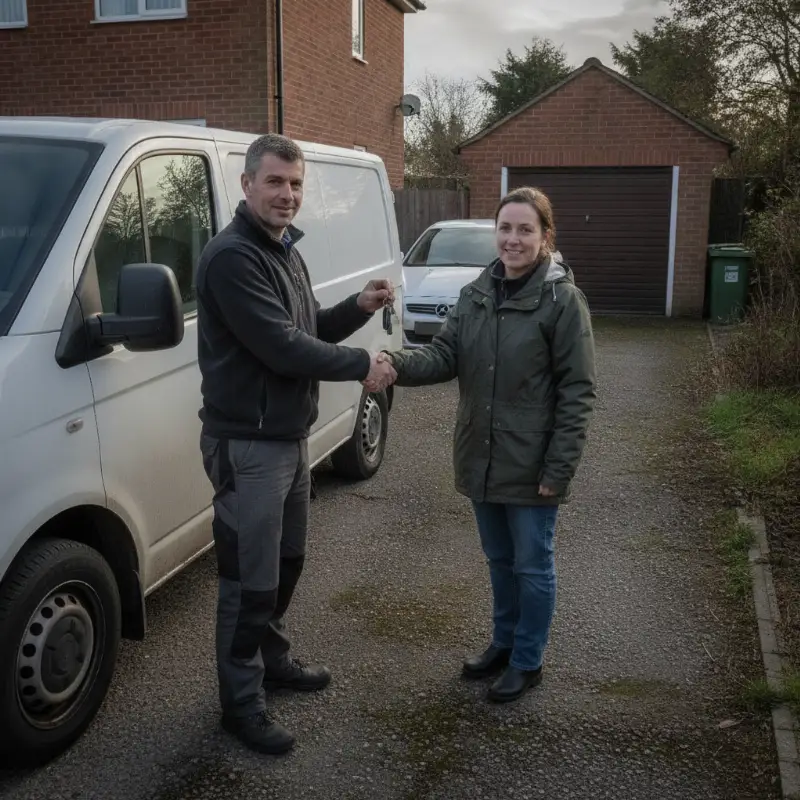
What does 'van sale' mean?
In the UK, the phrase 'van sale' is used in two closely related ways, and it helps to understand both before you start shopping. Most commonly, a van sale simply refers to the outright purchase of a van — a transaction where you pay the agreed price (either in full or through a finance product) and take ownership of the vehicle. It can also refer to a dealer's promotional event, where new and used vans are offered at reduced prices for a limited period, often to clear stock at the end of a quarter or model year.
Whichever meaning applies, the underlying idea is the same: a van sale is the point at which a commercial vehicle changes hands from a seller — usually a franchised dealer, van specialist, or private seller — to a business or individual buyer. Unlike leasing, where you're paying to use the vehicle, a van sale results in you (or your finance provider) owning the van outright at the end of the process.
Types of van sale explained
Not every van sale is the same. The type of vehicle on offer, its history, and where it came from all affect the price you'll pay and the level of confidence you can have in the purchase. Below are the three most common categories you'll come across when shopping in the UK.
New van sales
A new van sale involves buying a factory-fresh vehicle that has never been registered to a keeper. These vans are sold through franchised dealerships and come with the manufacturer's full warranty, the latest safety and emissions technology, and the option to specify trim levels, load area configurations, and optional extras to suit your work. New van sales often include manufacturer deals such as free servicing packages, deposit contributions, or reduced-rate finance offers, particularly around plate-change months in March and September.
Used van sales
Used van sales cover any van that has previously been registered, whether it's a year old with delivery mileage or a decade-old workhorse with several previous keepers. Buying used is the most cost-effective way to get on the road, and depreciation on light commercial vehicles means you can often find a well-specified van at a fraction of its original list price. Reputable dealers will provide a service history, an HPI check, and a warranty — even a short one — to give you peace of mind.
Ex-fleet and ex-demo van sales
Ex-fleet vans come from company fleets, rental firms, or utility providers, and are typically sold in bulk once they reach a set age or mileage threshold. They're often high-mileage but well-maintained, with full service records. Ex-demonstrator vans, on the other hand, are those used by dealerships for test drives and customer demos — they usually have very low mileage, a high specification, and are sold as nearly new at a noticeable discount compared to buying brand new.
How a van sale differs from van lease or finance
The key distinction between a van sale and a lease is ownership. In a straight sale — whether paid for in cash or funded through hire purchase — the van becomes yours, either immediately or once the final payment is made. You can modify it, sell it on, or run it for as long as it's economical to do so. A lease, by contrast, is essentially a long-term rental: you pay a monthly figure to use the van, hand it back at the end of the term, and never own it.
Finance sits somewhere in between. Products like hire purchase lead to ownership and are effectively a way of spreading the cost of a sale. Personal or business contract purchase agreements include an optional final payment that lets you decide whether to take ownership or hand the van back. Understanding which route you're taking matters because it affects your monthly cash flow, your tax position, and what happens to the vehicle at the end of the agreement.
What to check before buying in a van sale
Whatever type of van sale you're considering, a few checks will protect you from expensive surprises. Start with the paperwork: the V5C logbook should match the seller's details, and the VIN on the document should match the plate on the vehicle. Ask to see the service history, MOT record, and any receipts for major work. An HPI or similar provenance check will flag outstanding finance, previous write-offs, and mileage discrepancies.
Physically, inspect the load area for signs of heavy use — dents, damaged floors, or repaired bulkheads can indicate a hard life. Check tyres, brakes, and the condition of the cab. Take the van for a test drive under load if possible, listening for gearbox whine, clutch slip, or diesel injector noise. Finally, confirm what warranty is included, whether the van has been prepared to a recognised standard, and what the return or complaint process looks like if something goes wrong shortly after purchase.
Is a van sale the right option for your business?
Buying outright suits businesses and sole traders who want to keep long-term costs down, avoid mileage restrictions, and build an asset onto the balance sheet. If you cover high annual mileage, use the van heavily, or plan to keep it for many years, ownership through a van sale almost always works out cheaper than leasing over the same period.
On the other hand, if you'd rather have predictable monthly costs, drive a newer van every few years, and let someone else worry about resale value, a lease or contract hire arrangement may be a better fit. Think about your cash reserves, expected mileage, how quickly your fleet needs to evolve, and how your accountant treats vehicle costs before committing either way.
Next steps: browsing vans for sale in the UK
Once you've decided a van sale is the right route, the next step is finding the right vehicle. Set a realistic budget that includes VAT, road tax, insurance, and any signwriting or racking you'll need. Shortlist two or three models that suit your payload, load volume, and driving patterns, then compare examples from franchised dealers, independent van specialists, and reputable online marketplaces. Take your time, view in person where you can, and don't be afraid to walk away if something doesn't feel right — there's always another van sale around the corner.
FAQs
What is a van sale and how does it work when buying a van in the UK?
A van sale is the outright purchase of a light commercial vehicle from a dealer or private seller, where ownership transfers to you once payment is made. In the UK, it typically involves agreeing a price, checking the vehicle's history and paperwork, arranging payment (either in cash or through a finance product like hire purchase), and then registering the van in your name via the V5C logbook. The term can also refer to a dealer's promotional sales event offering discounted stock.
Is it better to buy a van outright or lease one?
It depends on how you use the van. Buying outright is usually cheaper over the long term, has no mileage restrictions, and gives you an asset you can sell later. Leasing offers lower, predictable monthly payments and lets you change vehicles every few years, but you never own the van. High-mileage users and those keeping vans for many years generally benefit more from buying.
What paperwork should I get when buying a van?
You should receive the V5C logbook, a valid MOT certificate (if the van is over three years old), the service history and any receipts, a sales invoice with the seller's details, and details of any warranty. It's also wise to run an HPI-style check yourself to confirm there's no outstanding finance, no write-off marker, and that the mileage matches previous records.
Are ex-fleet vans a good buy?
Ex-fleet vans can offer excellent value because they're typically well-maintained with a full service history, even if the mileage is high. They're best suited to buyers who prioritise reliability and running costs over cosmetic condition. Inspect the load area carefully for wear, check service records, and consider a warranty for added peace of mind.