What Is a Direct Van Sale? A Plain-English Guide for UK Buyers
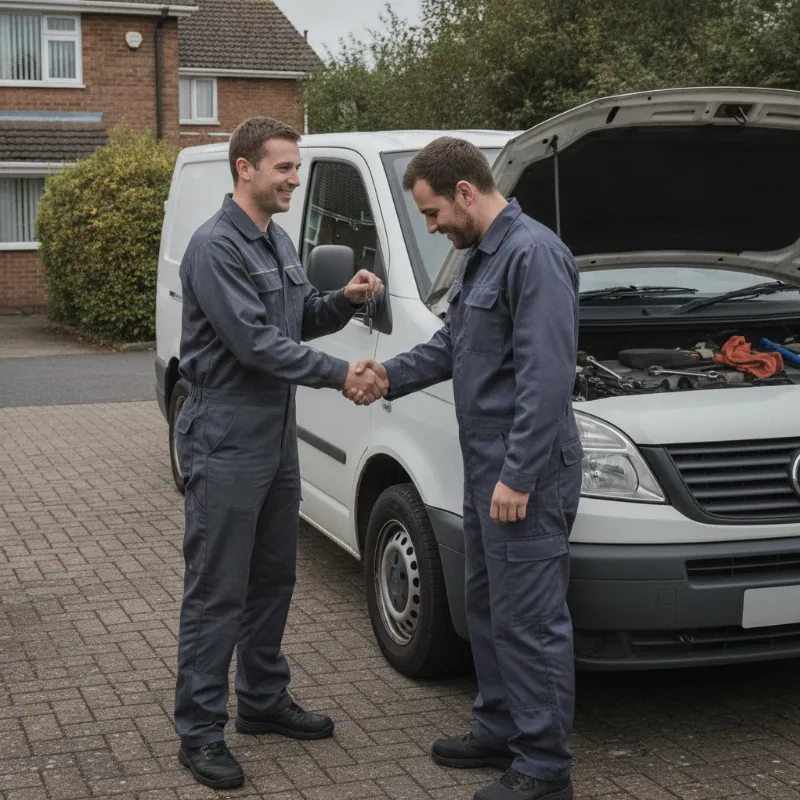
What is a direct van sale?
A direct van sale is exactly what it sounds like: buying a van straight from the party that owns it, without a middleman marking up the price or taking a commission along the way. In practice, that usually means purchasing from the fleet operator, leasing company, manufacturer or specialist trader that currently holds the vehicle on its books, rather than going through a traditional forecourt, broker or public auction.
For UK van buyers, the appeal is fairly simple. When you remove a layer of the supply chain, you tend to get a keener price, clearer history and a more transparent conversation about the vehicle's condition. Direct van sales have become increasingly common as fleet operators look to move ex-contract stock quickly and buyers grow more comfortable transacting online or over the phone rather than trudging around dealerships on a wet Saturday.
How does a direct van sale work?
At its core, a direct van sale is a one-to-one transaction between the seller (who owns the van outright) and the buyer (usually a sole trader, small business or fleet manager). The seller lists the vehicle with a fixed asking price, provides the paperwork and history, and the buyer inspects, pays and takes delivery — often with the van driven to their premises or collected from a central hub.
Unlike an auction, there's no bidding war and no hammer price. Unlike a dealership, there's usually no back-and-forth with a salesperson chasing targets. The pricing is generally set based on trade guides, current market data and the seller's need to move stock, so what you see advertised is broadly what you pay.
The typical direct van sale process
Most direct van sales in the UK follow a familiar pattern. You'll browse available stock online, view detailed photos and specifications, and often see the van's service history, MOT record and any known cosmetic or mechanical issues laid out up front. Once you've found a vehicle you like, you'll typically speak to the seller by phone or email to confirm condition, agree any preparation work (such as a fresh MOT or service) and lock in a price.
From there, you'll usually pay a small refundable deposit to reserve the van, followed by the balance on collection or before delivery. Payment is normally by bank transfer, though some sellers accept debit card. The seller handles the V5C logbook transfer with the DVLA, hands over keys, spare keys, service book and any relevant paperwork, and either arranges delivery to your address or invites you to collect in person. Many direct sellers also offer a short driveaway warranty and the option to extend cover if you want longer-term peace of mind.
Who sells vans directly?
The direct van sale market in the UK is largely made up of a few distinct seller types. Contract hire and leasing companies sell off vans coming to the end of a business lease, typically three to four years old with a full service history. Large fleet operators — think utility companies, national logistics firms and local councils — dispose of vehicles as they cycle their fleets. Manufacturers occasionally sell pre-registered or ex-demonstrator vans directly to end users, and specialist independent traders buy from these sources and resell direct to businesses and the public.
What ties them together is that they own the vans outright and are set up to sell in volume, which tends to keep prices competitive and stock levels healthy.
Direct van sale vs auction vs dealership
The three main routes for buying a used van in the UK — direct sale, auction and dealership — each have their own character. Auctions (whether physical halls like BCA and Manheim or their online equivalents) offer the lowest headline prices but come with buyer's fees, no test drive, limited inspection time and effectively no comeback if the van turns out to be a lemon. They're best suited to trade buyers who know exactly what they're looking at.
Traditional dealerships sit at the other end of the scale. You get a proper walk-around, a test drive, part-exchange options, finance on tap and a warranty package, but you pay for that convenience in the form of higher margins and, sometimes, a more pressured sales environment.
Direct van sales sit in the middle. Prices are typically closer to auction levels than dealer levels, but you still get proper history, a chance to inspect the van, a warranty and consumer protections. For many small business owners, that balance of value and reassurance is the sweet spot.
Pros and cons of buying a van through a direct sale
The advantages are clear enough. Direct sales usually mean sharper pricing because there's no dealer margin to fund, plus honest, up-front information about the van's history since sellers are often the vehicle's first and only keeper. Stock tends to be plentiful and refreshed regularly, and delivery to your door is common — handy if you're too busy running a business to spend a day driving to a forecourt. You'll also typically find late-plate, low-to-medium-mileage vans that have been maintained on a proper fleet service schedule.
The trade-offs are worth understanding too. You may not always get a test drive before committing, though most reputable direct sellers offer a short returns window instead. Part-exchange options can be more limited than at a franchised dealer, and finance, while available, may need to be arranged separately through a broker or your own bank rather than signed off in one sitting. Finally, because direct sellers move stock quickly, the van you like today may well be gone by the end of the week — decisiveness helps.
Is a direct van sale right for your business?
Direct van sales tend to suit buyers who know roughly what they want, value transparent pricing and are comfortable doing at least part of the transaction remotely. Sole traders replacing an ageing work van, small fleets adding a vehicle or two, and businesses looking for ex-lease stock in tidy condition all tend to do well through this route.
If you'd rather kick tyres on a forecourt, chat face-to-face with a salesperson and drive several vans back-to-back, a traditional dealership may suit you better. But if your priority is getting a well-documented, fairly priced van delivered with a minimum of fuss, a direct van sale is a genuinely strong option — and one that more and more UK businesses are choosing every year.
FAQs
What is a direct van sale and how does it work when buying a van in the UK?
A direct van sale is when you buy a van straight from the party that owns it — typically a leasing company, fleet operator, manufacturer or specialist independent trader — rather than through a traditional dealer forecourt or public auction. You'll usually browse stock online, agree a fixed price with the seller, pay a deposit to reserve the vehicle, then settle the balance on collection or delivery. The seller transfers the V5C, hands over keys and paperwork, and often arranges for the van to be driven to your address. Because there's no dealer margin in the middle, prices tend to be keener than at a forecourt while still giving you proper history, a warranty and consumer protection.
Is buying a van through a direct sale safe?
Yes, provided you buy from an established seller. Reputable direct van sellers are VAT-registered UK businesses, provide full service history and HPI-clear documentation, offer a short driveaway warranty and are covered by the Consumer Rights Act if you're a private buyer, or standard business-to-business terms if you're purchasing through a limited company. Always check the seller's reviews, confirm the V5C matches the van's VIN, and make payment by bank transfer to a business account rather than a personal one.
Can I get finance on a directly sold van?
Yes. Most direct van sellers will either have preferred finance partners or will happily work with a broker or bank of your choosing. Hire purchase, lease purchase and finance lease are all commonly used to fund direct van purchases, particularly for business buyers who want to spread the cost over two to five years. It's worth getting a finance decision in principle before you commit, so you know your budget and can move quickly when the right van comes up.
Can I part-exchange my old van in a direct sale?
Some direct sellers do accept part-exchanges, but not all — and the valuation may be a little more conservative than at a franchised dealer, because direct sellers generally focus on volume rather than trade-ins. If part-exchange is important to you, ask up front. Otherwise, selling your old van privately or to a dedicated buying service and using the cash towards your new one often nets you a better overall deal.
How quickly can I take delivery of a van bought directly?
Direct sales are usually quick. If the van is ready to go and paperwork is straightforward, you can often collect or take delivery within three to seven working days of paying your deposit. Any preparation work you've asked for — a fresh MOT, a full service or minor cosmetic tidying — may add a few days, and nationwide delivery slots depend on the seller's transport schedule, but it's generally a much faster process than ordering a factory-fresh new van.