What Battery Fits a Citroen Dispatch? Full Fitment Guide by Year and Model
What Battery Fits a Citroen Dispatch? Quick Answer
For most modern Citroen Dispatch vans, you'll need a 12V battery in the range of 70Ah to 95Ah with a cold cranking amperage (CCA) between 640A and 850A, depending on your engine size, model year and specification. The most common fitment across the Mk2 and Mk3 Dispatch is a Type 096 or Type 100 battery, which corresponds to European battery codes 5754 and 6004 respectively. Diesel engines almost always require a higher CCA rating than petrol variants, and vans fitted with Stop-Start technology need a specific AGM (Absorbent Glass Mat) or EFB (Enhanced Flooded Battery) unit rather than a standard lead-acid battery.
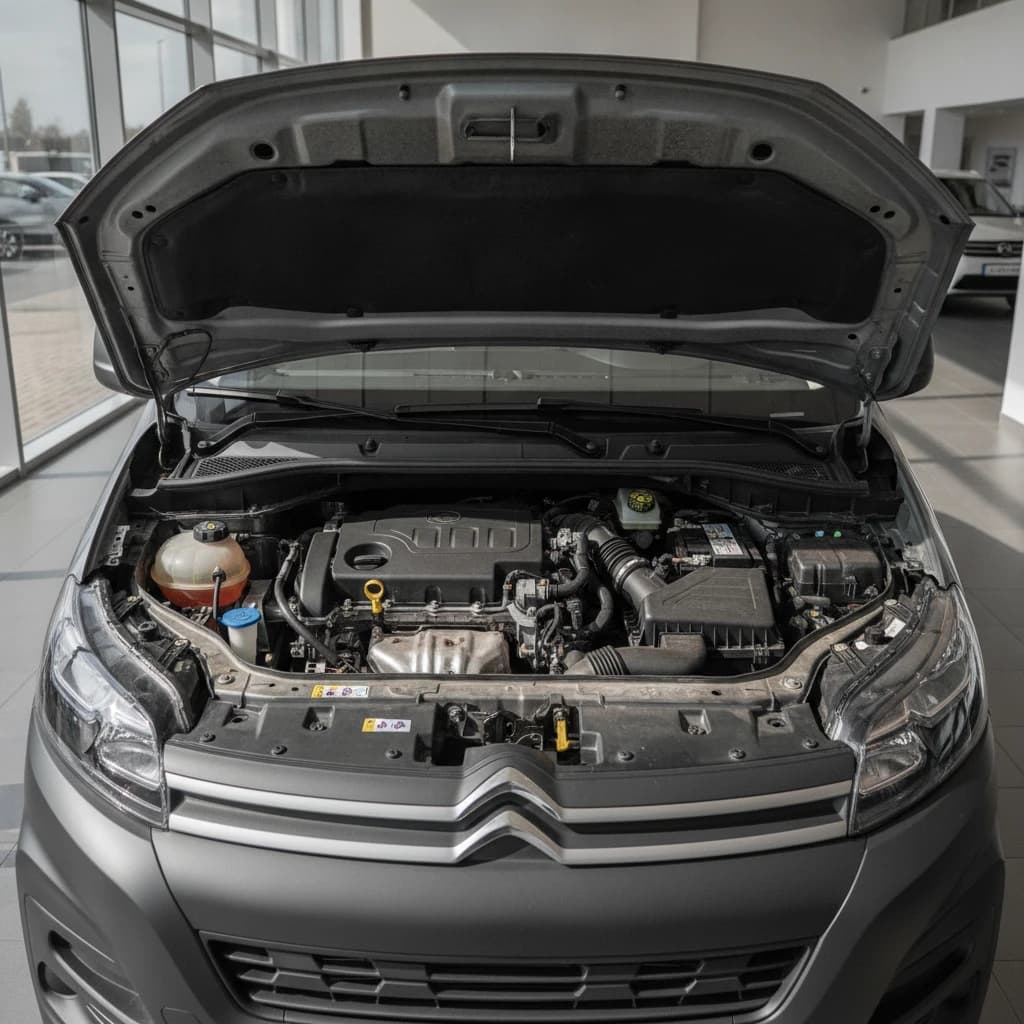
The safest way to confirm the exact battery for your Dispatch is to check the label on the original battery under the bonnet, cross-reference your V5C document, or quote your registration to a battery supplier. Below we break down the correct fitment by generation, engine and body style so you can be confident before you buy.
Citroen Dispatch Battery Specifications by Generation
The Citroen Dispatch has evolved through three distinct generations since its launch in 1994, and battery specifications have changed considerably over that time. Newer models with more electronic assistance systems, higher compression diesel engines and Stop-Start functionality demand more capable batteries than earlier vans. Here's a breakdown of what fits each generation.
Mk1 Citroen Dispatch (1994–2006) Battery Fitment
The original Dispatch, sold alongside its Peugeot Expert and Fiat Scudo siblings, used a fairly modest battery by today's standards. Most 1.9D, 2.0 HDi and 2.0 petrol variants took a Type 063 or Type 075 battery, typically around 44Ah to 60Ah with a CCA of 360A to 540A. The battery sits in a conventional tray at the front of the engine bay with top-post terminals. If you're maintaining an older Mk1 Dispatch, opting for a battery at the higher end of the recommended range (around 60Ah, 540 CCA) gives you a useful margin for cold winter starts on a tired diesel engine.
Mk2 Citroen Dispatch (2007–2016) Battery Fitment
The second-generation Dispatch, sharing its platform with the Peugeot Expert and later the Toyota ProAce, stepped up battery requirements significantly. The common fitment is a Type 096 battery, rated at approximately 70Ah to 75Ah with a CCA of around 640A to 720A. Vans equipped with the 2.0 HDi 165 engine or later Stop-Start versions may need an EFB battery at 75Ah to 80Ah with 730A CCA. The battery is located under the bonnet on the driver's side and uses standard European post terminals with a top clamping bar.
Mk3 Citroen Dispatch (2016–Present) Battery Fitment
The current Dispatch, built on the PSA EMP2 platform, uses more advanced batteries to support its extensive electronic architecture, engine start-stop and BlueHDi diesel technology. Most Mk3 Dispatch vans take a Type 100 battery rated at 80Ah with 800A CCA, though larger BlueHDi 180 models and heavy-duty variants may fit a 95Ah AGM unit with 850A CCA. If your Mk3 Dispatch has Stop-Start (and most do), you must use an AGM or EFB battery — fitting a standard flooded battery will cause premature failure and can trigger fault codes on the vehicle's battery management system.
Citroen e-Dispatch Electric Van: 12V Auxiliary Battery
The all-electric e-Dispatch still uses a conventional 12V battery in addition to its high-voltage traction pack. This 12V auxiliary battery powers the vehicle's ancillary systems — lights, infotainment, control modules and the DC-DC converter that maintains its charge from the main pack. The e-Dispatch typically uses a 60Ah to 70Ah AGM battery, and replacement should ideally be carried out by a Citroen technician as the high-voltage systems need to be safely isolated before working in the engine bay area.
Understanding Battery Codes: CCA, Ah and Group Size
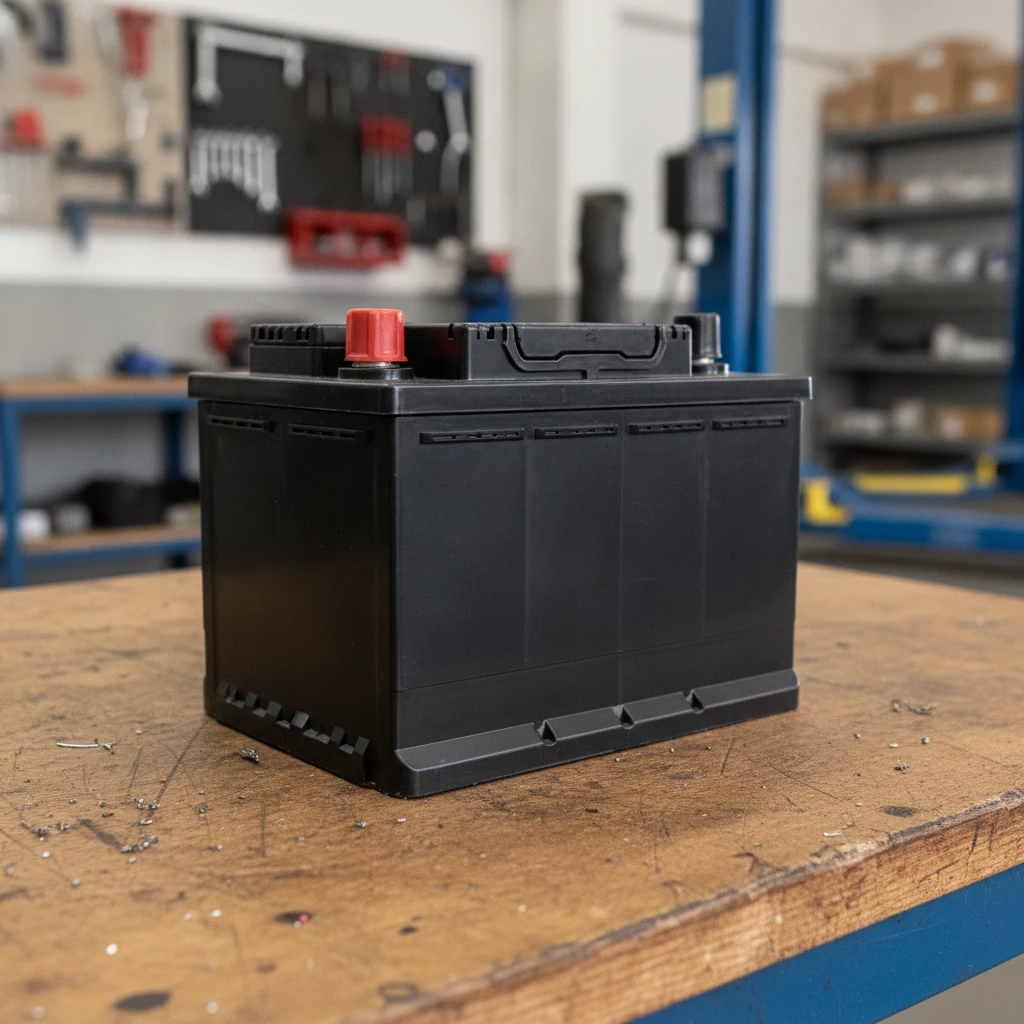
When shopping for a Dispatch battery, three key numbers determine fitment. Ah (Amp Hours) measures capacity — how much charge the battery can store and deliver over time. CCA (Cold Cranking Amps) measures how much current the battery can deliver at -18°C for 30 seconds, which is critical for starting a cold diesel engine on a January morning. Group size or type number (such as 096 or 100 in the UK/European system) defines the physical dimensions, terminal layout and hold-down configuration.
Fitting a battery with lower CCA than specified will lead to slow cranking and hard starting in cold weather. Fitting a battery with lower Ah than specified will cause it to discharge more quickly if you have accessories running with the engine off. And fitting the wrong group size means it may not physically clamp down or the terminals won't line up with your cables. Always match or exceed the original specification.
Citroen Dispatch Camper Van Battery Considerations
If your Dispatch has been converted into a camper van, battery planning becomes far more involved. The starter battery under the bonnet should remain matched to the original vehicle specification — typically the 80Ah 800 CCA Type 100 for a Mk3 — and should never be tapped for habitation loads. Instead, you'll want a separate leisure battery (or bank of batteries) housed in the living area, isolated from the starter battery via a voltage-sensitive relay or a DC-DC charger. Popular leisure setups range from a single 100Ah AGM for weekend use up to 200Ah or 300Ah lithium (LiFePO4) banks for off-grid living. Solar panels, split-charge systems and shore power hook-ups all feed the leisure side, keeping your starter battery ready to fire the engine whenever you're ready to move on.
Citroen Dispatch Crew Cab Van for Sale: Battery Requirements
Crew cab Dispatch models carry the same underlying battery specification as their panel van equivalents, but they often see harder duty cycles. With five or six occupants regularly using cabin electrics, plus the frequent short journeys typical of trades that use crew cabs to move teams between sites, batteries can be worked hard. If you're buying a used crew cab Dispatch, factor the age and condition of the battery into your inspection — a five-year-old battery in a crew cab that's done a lot of urban work is a strong candidate for replacement soon. Sticking to OEM-specification 80Ah AGM units on Mk3 crew cabs will give you the most reliable service.
Citroen Dispatch Refrigerated Van for Sale: Dual Battery Setups
Refrigerated Dispatch conversions almost always run a dual-battery arrangement. The main starter battery remains standard, while a secondary deep-cycle battery powers the refrigeration unit when the engine is off, particularly if the fridge needs to keep running overnight or during long drop-offs. Typical secondary batteries are 100Ah to 120Ah AGM or gel units, connected via a smart split-charge relay so the fridge battery is topped up while the engine is running but isolated when it's off. If you're inspecting a used fridge van, check the age and health of both batteries — a failing secondary battery can allow the fridge to drop temperature and spoil a load, which is far more expensive than the battery itself.
How to Change the Battery on a Citroen Dispatch
On most Dispatch generations the battery is easily accessible under the bonnet. Start with the engine off and the key removed. Disconnect the negative (black, marked -) terminal first, then the positive (red, marked +), using a 10mm spanner. Undo the clamping bar or bracket holding the battery down and lift it out — batteries are heavy, so lift with your legs, not your back. Fit the new battery in the same orientation, secure the clamp, then reconnect the positive terminal first followed by the negative. On Mk3 Dispatch vans with Stop-Start, the new battery must be registered to the battery management system using diagnostic equipment; without this step the vehicle won't recognise the new battery and Stop-Start will be disabled. Most independent garages and battery fitters can perform the registration in a couple of minutes.
Signs Your Dispatch Battery Needs Replacing
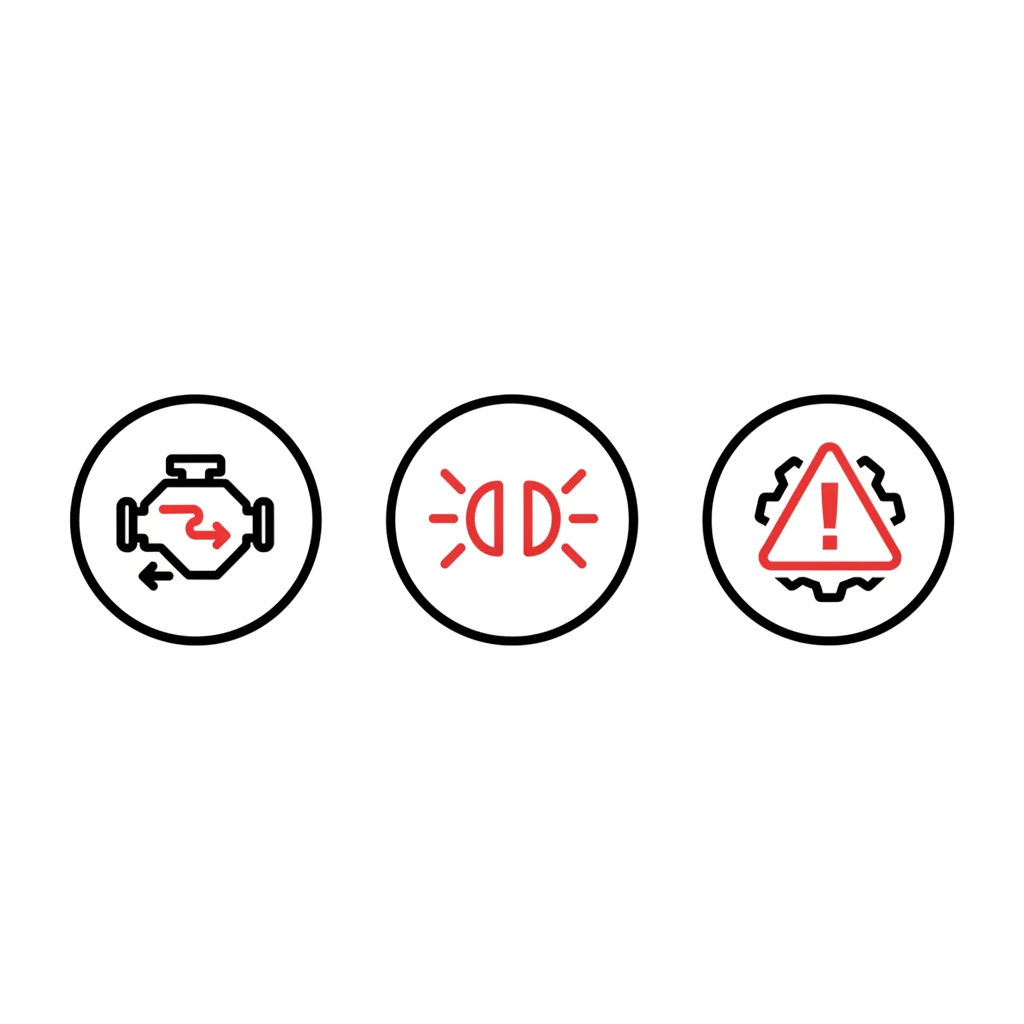
Batteries rarely fail without warning. Look out for slow cranking when starting from cold, dashboard warning lights for battery or charging system, dimming headlights at idle, electrical accessories behaving erratically, and Stop-Start refusing to activate (the system automatically disables when battery health drops below a threshold). A battery that needs a jump start after two or three days of standing is on its way out. Most Dispatch batteries last four to six years in normal service, though hard urban duty, short journeys and cold winters can shorten that. If in doubt, any garage or auto parts retailer can perform a free battery health test — a five-minute check that tells you whether you have months or days left.
Where to Buy the Right Battery for Your Citroen Dispatch
You have three main options. Citroen main dealers stock genuine batteries and will handle registration on Stop-Start models, but they're typically the most expensive route. Independent van specialists and commercial vehicle garages often offer OEM-quality batteries from brands like Varta, Bosch, Exide and Yuasa at more competitive prices, with fitting and registration included. Online battery retailers such as Tayna, Halfords and Euro Car Parts let you enter your registration to find the correct match and can either deliver to your door or offer click-and-collect at a local fitter. Whichever route you choose, make sure the battery matches or exceeds the original Ah and CCA specification, has the correct technology (standard, EFB or AGM) for your Dispatch, and — if your van has Stop-Start — that whoever fits it registers the new battery to the vehicle's electronic control system.
FAQs
Which battery specification is correct for a Citroen Dispatch?
Most modern Citroen Dispatch vans need a 12V battery between 70Ah and 95Ah with a CCA rating of 640A to 850A, depending on generation and engine. Mk1 vans typically take a Type 063 or 075 (44–60Ah, 360–540 CCA), Mk2 vans use a Type 096 (70–75Ah, 640–720 CCA), and Mk3 vans usually fit a Type 100 (80Ah, 800 CCA) or a 95Ah AGM on higher-output BlueHDi models. Vans with Stop-Start must use an AGM or EFB battery rather than a standard flooded unit.
Do I need an AGM battery for a Citroen Dispatch with Stop-Start?
Yes. Any Dispatch fitted with Stop-Start technology (common from the Mk3 generation onwards, and on some later Mk2s) requires an AGM or EFB battery. These batteries are designed to handle the frequent partial discharge and rapid recharge cycles that Stop-Start creates. Fitting a standard flooded battery will cause premature failure and the vehicle's battery management system may disable Stop-Start altogether.
How long does a Citroen Dispatch battery last?
A Dispatch battery typically lasts four to six years in normal use. Vans doing long motorway miles tend to see the longest battery life because the alternator has plenty of time to fully recharge the battery. Urban delivery vans doing lots of short trips, or vans left standing for extended periods, often see batteries fail sooner — sometimes within three years.
Do I need to register a new battery to my Citroen Dispatch?
On Mk3 Dispatch vans and any model with Stop-Start, yes. The battery management system needs to be told a new battery has been fitted so it can reset its charging algorithms and start-stop logic. This is a quick diagnostic procedure that most independent garages, mobile battery fitters and main dealers can perform. Without registration, Stop-Start will remain disabled and the battery may not be charged correctly.
Can I fit a higher-capacity battery than the original in my Dispatch?
You can generally fit a battery with higher Ah and CCA than the original as long as it's the correct physical size (group/type number), has the same terminal layout, and uses the same technology (AGM, EFB or flooded) as required by your van. A higher-capacity battery gives more reserve for accessories and better cold starting, but going below the original specification is not recommended.