 Call us on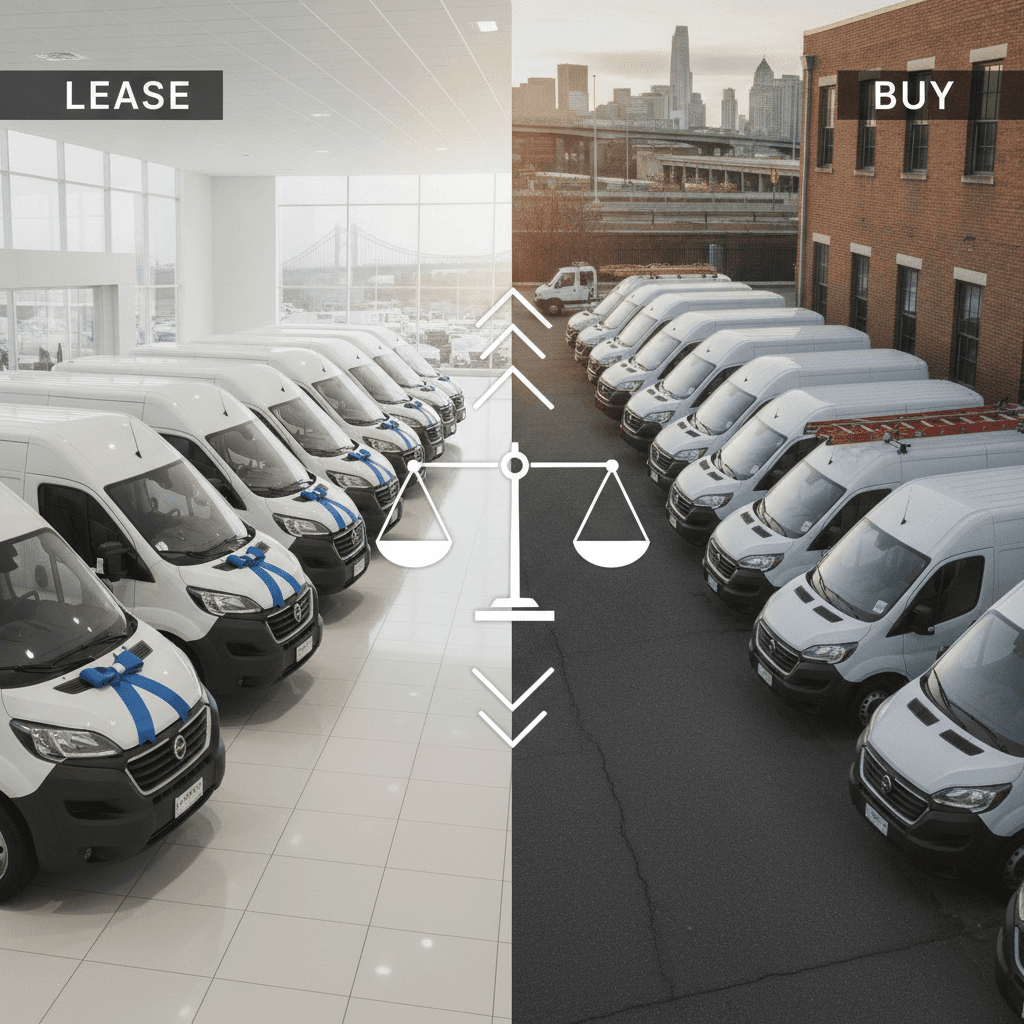
Van Lease vs Buy: Which is Right for Your Business?
Van Lease vs Buy: Which is Right for Your Business?
Deciding between leasing or buying a commercial van depends primarily on your business capital, intended mileage, and preference for vehicle ownership. While buying grants you a permanent asset, leasing offers flexibility and regular upgrades. Choosing the right path ensures your fleet supports your operational goals without straining your finances or compromising on the quality of your daily transport.
Understanding the Basics: Leasing vs Purchasing
Leasing is essentially a long-term rental agreement where you pay for the depreciation of the vehicle over a set period, whereas purchasing involves paying for the full value of the van either through cash or a loan. When you lease, you return the vehicle at the end of the term, whereas purchasing means you retain ownership once all payments are settled. Both methods have distinct tax implications and maintenance responsibilities that should align with your long-term business strategy.
Benefits of Leasing a Commercial Van
Leasing is often favoured for the lower initial outlay and the ability to drive a brand-new vehicle every few years. This protects your business against the hassle of selling an ageing asset and ensures you always have the latest safety tech. For example, opting for a Nissan Townstar Lease or a Vauxhall Combo Lease allows you to keep your monthly expenditure predictable while maintaining a professional fleet image.
Benefits of Buying a Van Outright
Purchasing a van outright is ideal if you prefer to have no ongoing monthly commitments and want full control over your vehicle’s modifications. When you own the asset, there are no mileage restrictions or penalties for excess wear and tear, giving you complete freedom for heavy-duty usage. This is often the preferred choice for businesses that plan to hold onto their vehicles for the duration of their working life.
Financial Considerations: Cash Flow and Depreciation
Cash flow management is arguably the biggest factor in the leasing versus buying debate. Leasing preserves your working capital, leaving cash free for other business investments, whereas buying requires a significant chunk of capital upfront or a larger loan. Furthermore, you must consider the depreciation of commercial vehicles; leasing shifts this risk to the finance company, while buying leaves the impact of market value fluctuations squarely on your balance sheet.
Key Questions to Ask Before You Decide
Before committing, ask yourself how many miles you expect to cover annually and whether you need to customise the van. If you require a flexible solution that keeps you in a modern vehicle, a Toyota Proace City Lease could be the perfect balance of cost and performance. Consider your tax requirements, as both purchasing and leasing offer different ways to claim expenses or capital allowances against your profits.
How We Can Help You Finance Your Next Van
We provide a range of flexible funding solutions designed to suit various business models, whether you lean toward ownership or user-ship. Our team of experts understands the unique challenges of UK businesses and can guide you through the process of choosing the right structure for your specific needs. Contact us today to discuss how we can tailor a package that fits your budget and operational requirements.
FAQs
Should I lease or buy a commercial van for my business needs?
The right choice depends on your cash flow priorities; leasing is better for those wanting lower upfront costs and regular vehicle upgrades, while buying is better for those who want to build assets and avoid long-term monthly payments.
Are there mileage limits on leased vans?
Yes, most lease agreements come with an agreed annual mileage limit. It is important to estimate your usage accurately to avoid potential excess mileage charges at the end of your contract.
Who is responsible for maintenance on a leased van?
Typically, the lessee is responsible for maintaining the vehicle according to the manufacturer's schedule. However, many leasing contracts offer optional maintenance packages that can be bundled into your monthly payment for added convenience.
Can I claim VAT back on a leased van?
If you are a VAT-registered business, you can often reclaim a significant portion of the VAT on lease payments, provided the vehicle is used strictly for business purposes. Always check with your accountant regarding your specific circumstances.