Toyota Hilux: Is It a Van? Classification, Tax and Van Status Explained
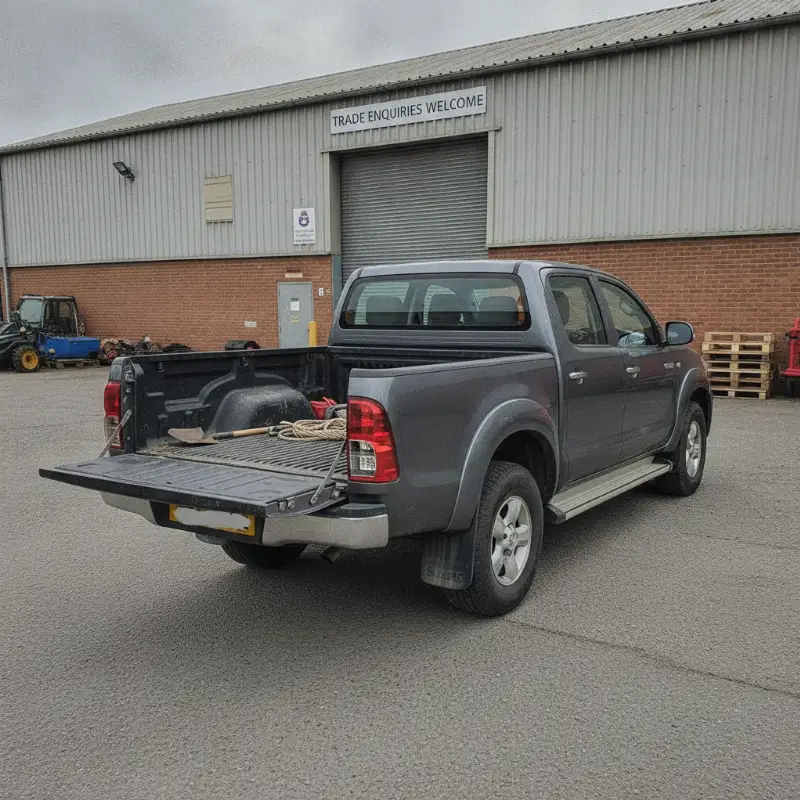
Is the Toyota Hilux a Van or a Pickup? The Short Answer
The Toyota Hilux is a pickup truck by body style, but for UK tax and licensing purposes most Double Cab versions are classified as light commercial vehicles — in other words, as vans. That distinction is what confuses so many buyers. Visually, the Hilux is unmistakably a pickup with its separate load bed and rugged 4x4 stance, yet HMRC and the DVLA treat qualifying models the same way they treat a panel van. If you're buying one for a business, that dual identity is genuinely useful — and it's one of the main reasons the Hilux has been a staple on UK fleets for decades.
The short version: if your Hilux has a payload of 1,000kg or more (which nearly all modern Double Cab diesel models do), it's a van in the eyes of the taxman. Single Cab and Extra Cab variants almost always qualify too. Where it gets murky is with certain accessories, canopies and hard tops that can push payload below the threshold — but we'll come to that.
How HMRC and the DVLA Classify the Toyota Hilux
Two different agencies matter here, and they don't always agree. The DVLA classifies vehicles by construction — the Hilux is registered as either N1 (light goods vehicle up to 3,500kg) or a car-derived variant depending on spec. Most Hilux models on UK roads are N1, which already puts them in commercial vehicle territory for registration and vehicle excise duty purposes.
HMRC, however, has its own test that determines VAT and Benefit-in-Kind treatment. Their rule is straightforward: if a vehicle is constructed primarily for the carriage of goods and has a payload (gross vehicle weight minus kerb weight) of at least one tonne, it counts as a van. This is the famous "one tonne payload" rule and it's the single most important number to know when buying a Hilux for business use.
Why the Double Cab Payload Matters for Van Status
Double Cab pickups sit right on the edge of the payload rule because of their extra seats and interior weight. Toyota deliberately engineers the Hilux Double Cab range so that all mainstream diesel versions clear the 1,000kg payload threshold — the Active, Icon, Invincible and Invincible X all comfortably qualify. But adding a heavy hardtop, roller shutter or after-market accessory can reduce effective payload, and there have been well-publicised cases of buyers unknowingly dropping below the threshold and losing their van status.
Our advice: always check the payload figure on the V5C and factor in any accessories before you commit. If you're buying used, get the paperwork in front of you and do the maths.
Toyota Hilux Diesel Double Cab Van: The Commercial Vehicle Case
The Toyota Hilux Diesel Double Cab is the most popular configuration on UK roads and it's the version most commonly bought as a commercial vehicle. With a payload comfortably over one tonne, four proper doors and a load bed that can carry the tools, materials and kit a working business needs, it's the archetypal dual-purpose pickup. Builders, groundworkers, farmers, estate managers and rural tradespeople have all made the Hilux a default choice, and its reputation for reliability across brutal use cases only reinforces that.
Because it qualifies as a van, VAT-registered businesses can generally reclaim the VAT on purchase (assuming business use), and the vehicle is taxed at the flat commercial vehicle rate rather than the car rates that penalise larger emissions engines. That combination — genuine 4x4 capability, five seats and van tax treatment — is why the Hilux remains such a strong seller even as newer rivals have appeared.
Toyota Hilux Diesel Double Cab Vans vs Single Cab Variants
Single Cab Hilux models are the purest commercial version — two seats, a long load bed and a payload that easily clears the one-tonne bar. From HMRC's perspective there's rarely any ambiguity: a Single Cab Hilux is a van, full stop. They're popular with utility companies, farms and site operators who don't need to carry a crew.
Double Cab versions offer more flexibility because you can carry four passengers plus a driver, making them viable as a family vehicle at weekends as well as a working truck during the week. That flexibility is exactly why HMRC applies the payload test — to stop buyers dressing up a car as a van for tax reasons. The Hilux Double Cab clears the test on payload, which is why it retains van status even though it's clearly usable as a family vehicle.
Extra Cab (sometimes called King Cab) sits between the two, with a small rear jump seat area behind the front row. These are less common in the UK but also qualify as vans on payload.
Toyota Hilux Hybrid: Is the New Electrified Model Still a Van?
Toyota has introduced a 48-volt mild hybrid version of the 2.8-litre diesel Hilux, and the good news for business buyers is that this doesn't change its classification. The mild hybrid system adds a small motor generator and battery to improve efficiency and low-speed response, but it doesn't add enough weight to push the vehicle below the one-tonne payload threshold. The Hilux Hybrid remains an N1 commercial vehicle and continues to be treated as a van by HMRC.
There's no full hybrid or plug-in hybrid Hilux on the UK market at the time of writing, so there's no separate question about how a battery-heavy version would be classified. If Toyota does move to a fuller hybrid or electric powertrain in future, the payload calculation will need re-checking model-by-model.
05 Toyota Hilux 4x4: How Older Models Were Classified
Older Hilux models — including the seventh generation on '05 plates and the earlier sixth generation — were classified using the same rules that still apply today. The one-tonne payload test has been in place for many years, and older Double Cab Hilux 4x4 models generally qualified as vans in the same way modern ones do. If you're looking at a used 2005-era Hilux, the V5C should show it registered as a light goods vehicle.
Buyers of older Hilux 4x4s often value them precisely because the classification hasn't changed. The tax treatment on purchase, the road tax band and the eligibility for commercial insurance policies all work the same way whether the truck is two years old or twenty. Just be aware that emissions-based charges in low emission zones may apply to older diesels regardless of their van status.
Tax, VAT and BIK Implications of the Hilux as a Van
The tax advantages of van classification are significant. VAT-registered businesses can typically reclaim the full 20% VAT on a qualifying Hilux purchase, which is a substantial saving on a vehicle at this price point. Vehicle Excise Duty is charged at the flat light commercial vehicle rate rather than the CO2-weighted car rates, which for a large diesel 4x4 is a meaningful difference over the life of the vehicle.
Capital allowances also work more favourably: qualifying commercial vehicles are usually eligible for the Annual Investment Allowance, letting a business write down the full cost against profits in the year of purchase (subject to the usual limits). Always confirm the position with your accountant, because eligibility depends on business use, VAT status and the specific model spec.
Benefit-in-Kind on a Hilux Invincible or Invincible X
Benefit-in-Kind is where the van classification really pays off for company drivers. Cars are taxed on a percentage of their list price weighted heavily by CO2 emissions — for a diesel 4x4 pickup, that percentage would be near the top of the scale. Vans, by contrast, attract a flat BIK charge that's dramatically lower. Even a fully-loaded Hilux Invincible X, which sits at the premium end of the range with leather, big alloys and all the toys, gets the same flat van BIK treatment as any other qualifying pickup.
Fuel benefit for private mileage is also charged at a flat van rate rather than a percentage of list price. For a director or employee using a Hilux Invincible as their daily driver with some personal use, the annual tax bill can be a fraction of what an equivalent SUV would cost. This is a large part of the appeal of the Hilux Invincible range as a company vehicle.
Buying, Financing or Leasing a Toyota Hilux Through Our Dealership
Whether you're a sole trader looking for one working truck or a fleet manager sourcing several, we've got a strong choice of Toyota Hilux for sale across Active, Icon, Invincible and Invincible X trims. Each vehicle listing shows the key spec, payload and mileage so you can confirm van status before you enquire, and our team can talk you through the paperwork on the V5C in detail.
We offer finance and lease options tailored to business buyers, including hire purchase, contract hire and finance lease. Because the Hilux qualifies as a commercial vehicle, VAT-registered businesses can usually structure the deal to reclaim VAT and take advantage of the tax treatment we've described above. Our team will happily walk you through the options and help you match the right agreement to how your business operates — get in touch for a personalised quote.
FAQs: Toyota Hilux Van Status
Below we've answered the most common questions buyers ask about the Hilux's classification, tax treatment and business use.
FAQs
Is the Toyota Hilux legally classified as a van in the UK?
Yes — for tax purposes, the Toyota Hilux is classified as a van (light commercial vehicle) provided it has a payload of at least one tonne. All mainstream Double Cab, Extra Cab and Single Cab diesel Hilux models in current and recent generations meet that threshold and are treated by HMRC as vans for VAT, Benefit-in-Kind and capital allowance purposes. The DVLA also registers them as N1 light goods vehicles. The main thing to watch is aftermarket accessories like heavy hardtops, which can occasionally push payload below one tonne and jeopardise van status.
Can I reclaim VAT on a Toyota Hilux if I'm VAT-registered?
In most cases, yes. Because the Hilux qualifies as a commercial vehicle, a VAT-registered business buying one for genuine business use can typically reclaim the VAT on purchase, unlike a car where VAT recovery is heavily restricted. If there is significant private use, HMRC may expect an adjustment. Always confirm your specific position with your accountant before purchase.
What is the Benefit-in-Kind tax on a Toyota Hilux company vehicle?
Because the Hilux is classified as a van, it attracts the flat van Benefit-in-Kind charge rather than the emissions-weighted car BIK rates. This is dramatically cheaper than the equivalent tax on a large diesel SUV would be, which is a major reason company drivers choose the Hilux Invincible and Invincible X. HMRC publishes the current flat van BIK and van fuel benefit figures annually, and your payroll team or accountant will apply the correct rate for the tax year.
Does the Toyota Hilux Double Cab still count as a van with five seats?
Yes. HMRC's test is based on payload, not the number of seats. As long as the vehicle is constructed primarily for carrying goods and has a payload of at least one tonne, it counts as a van — even with a full five-seat Double Cab layout. This is exactly why the Hilux Double Cab is such a popular dual-purpose choice for tradespeople who also need family transport.
Are older Toyota Hilux models like the 2005 4x4 still classed as vans?
Generally yes. The one-tonne payload rule has been in place for many years, so older Hilux Double Cab and Single Cab 4x4 models were classified as vans when new and continue to be treated that way. The V5C will show N1 registration and the payload figure. Do bear in mind that older diesel Hilux models may incur charges in Clean Air Zones or ULEZ areas regardless of their commercial vehicle status.