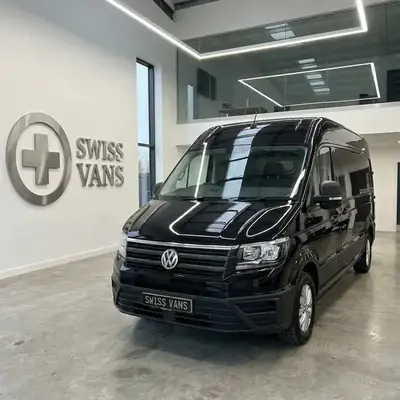
VW Camper Van Lease
VW Transporter Camper
Offical California Ring For Better Payments do not use van calulator

Why Swiss Vans
Build your lease
A versatile campervan built for comfort, travel and everyday usability
The VW Transporter camper has revolutionized the way people experience travel and adventure. This versatile vehicle combines the practicality of a van with the comforts of a home, offering a unique solution for those seeking freedom on the road. From weekend warriors to full-time nomads, the VW Transporter camper has become a symbol of mobility and self-sufficiency, sparking a growing trend in van life culture. Source
This article explores the world of VW Transporter camper conversions, guiding readers through the process of transforming a standard van into a fully-equipped mobile home. We'll dive into the essential components of a conversion, walk through the step-by-step process, and highlight customization options to personalize your camper. Additionally, we'll discuss cost considerations and provide insights into the rising popularity of these converted vehicles, helping you decide if a VW Transporter camper is the right choice for your adventurous spirit. See all VW Camper vans
The Rise of VW Transporter Camper Conversions
Why the VW Transporter Camper is ideal for UK leisure and lifestyle leasing
The story of VW Transporter camper conversions has its roots in 1950 when the concept of the VW Transporter was first conceived. This versatile vehicle quickly caught the eye of those seeking adventure on the road. In 1955, Westfalia introduced the first production line fully fitted camper, known as The Export, marking the beginning of a new era in mobile living. Want the cheapest way to buy ? See our VW Transporter Lease
Over the years, the Transporter evolved through six generations, each bringing improvements in design, efficiency, and comfort. The iconic T1 'Bulli' models, with their distinctive split windscreen, gave way to the T2 in 1968. This new model featured a singular window panel, earning it the nickname 'Bay Window.' The 1970s and 1980s saw further advancements, including the introduction of diesel engines in 1981 and the launch of the four-wheel drive 'Syncro' in 1985. The T4, introduced in 1991, revolutionized the Transporter line with its front water-cooled engine, making it an ideal base for camper conversions.See all our VW Camper vans for sale. Such as the VW Crafter Campervan for sale
Popularity of DIY conversions
As the Transporter evolved, so did the culture surrounding it. The popularity of DIY conversions has surged, with enthusiasts transforming these vans into personalized homes on wheels. This trend has been fueled by several factors: See all our VW Vans for sale
- Customization: DIY conversions allow owners to tailor their vans to their specific needs and preferences.
- Cost-effectiveness: By doing most of the work themselves, converters can create a bespoke camper for less than the cost of a professional conversion.
- Community: A passionate and dedicated following has built up around these classic campers, fostering a sense of belonging and shared experience.
- Versatility: Even if not used for holidays, converted Transporters serve as excellent day vans for trips and outings.
The rise of social media and online communities has further fueled this trend, with converters sharing ideas, tips, and inspiration for their projects. See Ford Nugget Campervan
Benefits of converting a Transporter
Converting a VW Transporter into a camper offers numerous advantage. Consider the VW California vs VW Transporter Camper or even a VW Caddy Camper:
- Flexibility: Owners can create a layout that suits their specific needs, from simple day vans to fully-equipped mobile homes.
- Quality: With careful planning and execution, a high-quality conversion can retain or even increase the van's value. See the VW Transporter interior
- Comfort: Modern conversions can include amenities such as beds, kitchenettes, and entertainment systems, providing home-like comfort on the road.
- Adventure: A converted Transporter opens up possibilities for spontaneous trips and extended travel.
- Investment: Well-executed conversions often retain their value, with the popularity of campervans continuing to grow.
The VW Transporter's reputation for reliability and its iconic status in the camper world make it an attractive choice for conversion projects. Whether opting for a classic model or the latest T6, the Transporter continues to capture the imagination of those seeking the freedom of the open road combined with the comforts of home. As the popularity of van life and mobile living continues to rise, the VW Transporter remains at the forefront, offering a perfect blend of practicality, style, and adventure for those looking to embark on their own camper conversion journey. See
Essential Components of a VW Transporter Conversion
The transformation of a VW Transporter into a fully functional camper involves several key components. Each element plays a crucial role in creating a comfortable and practical living space on wheels. See van alloy wheels. See all VW Transporter for sale
Pop-top roof options VW Transporter Camper
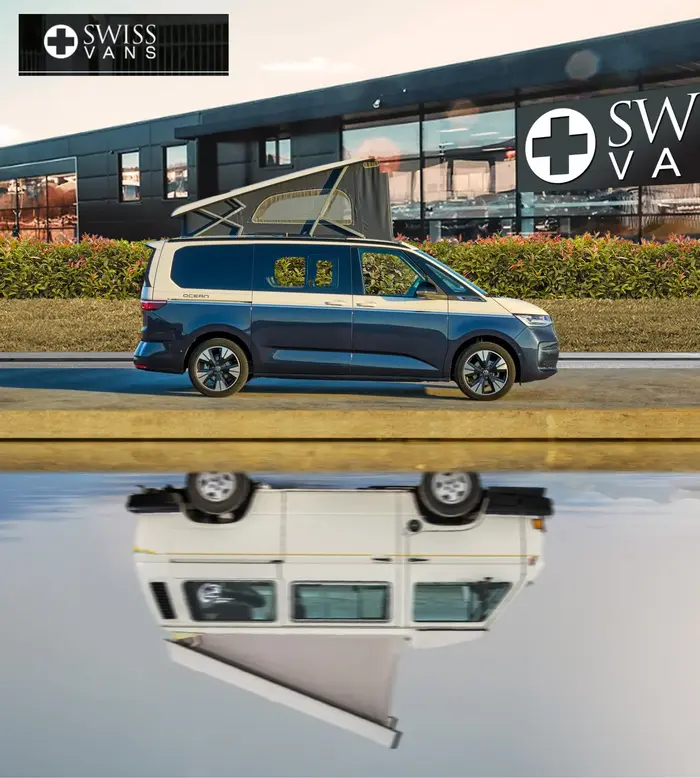
One of the most exciting aspects of a VW Transporter conversion is the addition of a pop-top roof. This feature transforms the van into a true camper, providing additional headroom and sleeping space. Pop-top roofs come in various styles and price ranges, typically costing between £2,500 and £8,500, including fitting. Popular brands for pop-top roofs include SCA, Reimo, Austops, Skyline, and WestDubs. These can be fitted to various base vehicles, such as the VW Transporter, Caddy, and Crafter, as well as other van models like the Mercedes Sprinter Camper and Ford Transit Custom Nugget When choosing a pop-top roof, consider factors such as:
- Safety testing (TUV certification)
- Profile and esthetics
- Color matching options
- Canvas color and material
- Locking mechanisms
- Warranty length
Many modern pop-top roofs offer low-profile designs, panoramic canvas options, and color-matching through gel-coat processes. Some even include child safety nets for added security when sleeping in the elevated area.
Kitchen and storage solutions VW Transporter Camper
A well-designed kitchen and storage system is essential for a functional camper conversion. Many VW Transporter conversions include a compact kitchen unit adjacent to the rear seats, often featuring: See van leather
- A small sink
- A cooktop or portable stove
- Storage cupboards and drawers
- A refrigerator or cool box
To maximize space efficiency, converters often incorporate clever storage solutions throughout the van. This may include overhead cabinets, under-seat storage, and multi-functional furniture pieces.
Bed configurations
Sleeping arrangements in a VW Transporter camper can vary widely depending on individual needs and preferences. Common bed configurations include:
- Pop-top roof bed: Most pop-top roofs come with a built-in platform that serves as an "upstairs" bed, typically supporting up to 70 stone (980 lbs).
- Rock and roll bed: This versatile seating solution converts from a rear bench seat into a flat sleeping surface.
- Fixed platform bed: Some conversions feature a permanent raised bed platform, leaving storage space underneath.
- Slidepod system: This innovative design combines with folding rear seats to create a large sleeping area.
When planning bed configurations, consider factors such as comfort, ease of setup, and the need for additional daytime living space.
Electrical systems VW Transporter Camper
A robust electrical system is crucial for powering various components in a camper conversion. Key elements of the electrical setup often include:
- Leisure battery: Separate from the van's starter battery, this powers the camper's 12V systems.
- Solar panel and controller: Many converters opt for solar power to maintain battery charge while off-grid.
- Split-charge system: This allows the leisure battery to charge while driving.
- Inverter: For converting 12V DC power to 240V AC for household appliances.
- Fuse board and distribution panel: To manage and protect various electrical circuits.
- LED lighting: Energy-efficient lighting solutions throughout the camper.
- 240V hook-up point: For connecting to mains power at campsites.
When planning the electrical system, it's important to consider power requirements, battery capacity, and the integration of various components. Many converters choose to install a central control panel, such as the CBE PC210 system, to manage and monitor electrical systems efficiently. By carefully considering these essential components, VW Transporter owners can create a customized camper, or now even build a Ford Transit Custom Camper using the same furniture. that meets their specific needs and preferences, transforming their van into a comfortable home on wheels.
Step-by-Step Conversion Process
Planning and Design
The first step in converting a VW Transporter into a camper involves thorough research and planning. Vanlifers often turn to online resources such as blogs, Pinterest, TikTok, Instagram, and YouTube for inspiration. It's crucial to create a unified look by drafting images of the desired camper appearance. This helps organize creative thoughts and ensures a functional and attractive interior. When planning, it's essential to consider the van's intended use and create two lists: a 'wish list' and an 'essential list' for the camper conversion. This approach helps prioritize features based on budget constraints and practical needs. For instance, some may opt for a simple setup with windows, insulation, and a mattress, while others might include custom-built cupboards, a rock and roll bed, and additional amenities.
Insulation and Flooring
Insulation is a critical component of any camper conversion. It prevents heat transfer, keeping the van cozy in winter and cool in summer. When choosing insulation, consider factors such as thermal properties, ease of installation, health risks, fire resistance, water absorption, eco-friendliness, and cost. The insulation process typically involves:
- Removing interior panels
- Installing a layer of acoustic and thermal insulation (e.g., Dynaliner)
- Adding a second layer of insulation (e.g., recycled bottle wool)
- Securing insulation using cable ties or heat-resistant spray adhesive
For flooring, the steps include:
- Laying strips of Reflectix (optional)
- Installing wooden furring beams
- Placing foam board insulation
- Installing a plywood subfloor
Furniture Installation
Furniture installation is a crucial aspect of the conversion process. It's important to consider anchor points for securing the furniture. Common anchor points include seatbelt bolts and wheel arch bolts. However, additional securing methods may be necessary for full-length units. When installing furniture:
- Start with easier components, such as the table
- Construct larger pieces like wardrobes and cabinets
- Install furniture blocks to allow for sliding panels
- Use pre-drilled holes for precise fitting
- Consider multipurpose furniture for efficient space utilization
Electrical and Plumbing Work VW Transporter Camper
The electrical system is vital for powering various components in the camper. Key elements include:
- Leisure battery
- Solar panel and controller
- Split-charge system
- Inverter
- Fuse board and distribution panel
- LED lighting
- 240V hook-up point
When installing the electrical system:
- Remove seats to access the underfloor area for wiring
- Install a battery charger connected to the alternator
- Place leisure batteries under the seats
- Set up a safety cupboard with isolating switches and fuse boxes
- Install an inverter for 240V appliances
- Add USB sockets for charging devices
For plumbing, consider installing a small sink if space allows. However, some conversions may opt for a more minimalist approach without extensive plumbing systems. Throughout the conversion process, it's crucial to continually assess and adjust the design as needed. This ensures that the final product meets the owner's specific needs and preferences, creating a comfortable and functional home on wheels.
Customization Options for Your VW Camper
Interior Layouts
The VW Transporter offers a wide range of interior layout options, allowing owners to create a personalized living space on wheels. One popular choice is the rock and roll bed, which serves as seating during the day and transforms into a comfortable sleeping area at night. This versatile feature maximizes space efficiency in the camper. For those seeking additional sleeping capacity, bunk bed configurations can be installed. These provide two extra sleeping spaces without sacrificing valuable floor area. Some conversions even incorporate clever solutions like pull-out shelves, ensuring everything is neatly stored away yet easily accessible. To make the most of limited space, many VW camper owners opt for multi-functional furniture. For instance, some designs feature elegant seating areas that seamlessly convert into practical driving spaces. This dual-purpose approach allows for daytime comfort and nighttime relaxation without compromise.
Exterior Modifications
Exterior customization options can significantly enhance both the appearance and functionality of a VW Transporter camper. One popular addition is a pop-top roof, which not only improves the vehicle's esthetics but also provides extra headroom and sleeping space. These roofs come in various styles and price ranges, typically costing between £2,500 and £8,500, including fitting. For a sportier look, owners can consider adding a chin spoiler or a rear tailgate spoiler. These modifications not only enhance the camper's appearance but can also improve aerodynamics. Side bars, available in polished chrome or matte black, add style while protecting the sills from damage. Roof bars are another practical exterior modification, increasing load capacity by up to 45 kg. These can be used with various accessories such as kayak holders, surfboard carriers, or roof boxes for additional storage space.
Technology and Gadgets VW Transporter Camper
Modern VW Crafter camper conversions can incorporate a range of technology and gadgets to enhance comfort and convenience. See VW Crafter CamperOne popular upgrade is the installation of a solar panel system. These panels can power lights, diesel heaters, fridges, and charge devices, providing a sustainable energy source for off-grid adventures. For entertainment, many camper owners are opting for projector systems. The Anker Nebula Capsule Movie Projector, for example, offers a compact solution with Android 7.1 pre-installed, allowing access to apps like Netflix and YouTube. Paired with a portable screen, it creates a cinematic experience inside the camper or under the stars. To stay connected on the road, WiFi upgrades are becoming increasingly popular. Systems like the 4G Smart Compact Mobile WiFi or the 5G Now Compact Pro Mobile WiFi provide internet access for multiple devices, whether the vehicle is stationary or in motion.
Personal Touches
Adding personal touches to a VW camper conversion can truly make it feel like a home away from home. One simple yet effective way to personalize the space is through fabric choices. A variety of colors, patterns, and durable upholstery fabrics are available, allowing owners to express their style while ensuring practicality. For those looking to add character without permanent changes, tile stickers offer a quick, inexpensive, and lightweight solution for customizing surfaces. These can be easily applied and removed, allowing for frequent updates to the camper's interior design. Decorative elements such as handcrafted objects, framed art, or antiques can add a unique touch to the camper's interior. Despite the vehicle's compact nature, these personal items can create a cozy and inviting atmosphere. Lastly, exterior paint choices can make a bold statement. Some owners opt for vibrant colors to make their camper stand out, while others prefer a more understated look with white paint and copper accents. The choice of color scheme can significantly impact the overall esthetic of the VW camper, reflecting the owner's personality and style.
Cost Considerations for VW Transporter Conversions
When considering a VW Transporter camper conversion, it's essential to understand the various cost factors involved. From choosing between DIY and professional conversions to deciding on new or used vans, the financial implications can vary significantly.
DIY vs Professional Conversion
One of the most significant decisions affecting the cost of a VW Transporter conversion is whether to undertake a DIY project or opt for a professional conversion. DIY conversions can be considerably more cost-effective, with basic conversions ranging from £500 to £5,000, depending on the parts used and the individual's skills. This option is particularly appealing for those working on a tight budget. On the other hand, professional conversions offer convenience and quality assurance but come at a higher price. Bespoke conversions by professional converters can run into tens of thousands of pounds, depending on the specifications. However, they often allow for a cheaper base vehicle while tailoring the interior to exact requirements and budget.
New vs Used Van
The choice between a new and used VW Transporter has a significant impact on the overall cost. A new campervan is likely to be much more expensive than a used one, similar to any vehicle purchase. Pre-owned campervans are usually the better option for those on a tight budget, and good deals can often be found on used models. When considering a used van, it's crucial to factor in potential repair and maintenance costs. Used campervans have likely already covered some mileage, so owners may need to pay for repairs or maintenance sooner than with a new model. However, some companies offer extended warranties on pre-owned campers, which can provide peace of mind and cover repairs that aren't considered wear and tear.
Essential vs Luxury Features
The features included in a VW Transporter conversion can greatly affect the overall cost. Essential features such as insulation, flooring, and basic kitchen facilities are less expensive compared to luxury additions. High-end appliances, custom cabinetry, advanced electrical systems, solar panels, and pop-top roofs can significantly increase the conversion cost. When planning a conversion, it's helpful to create a priorities list of parts. Consider the essentials first: heat, sleep, eat, and chill. This approach allows for a more budget-friendly conversion while still meeting basic needs. As budget allows, luxury features can be added to enhance comfort and convenience.
Ongoing Maintenance
It's crucial to consider the ongoing costs associated with owning a VW Transporter camper. Regular maintenance is essential to keep the vehicle in optimal condition, and budgeting for these costs is an important consideration for van life enthusiasts. Depending on the vehicle's age, the budget should be split into four main categories: taxation, insurance, fuel, and servicing and maintenance. For classic vans over 25 years old, tax and MOT costs may be mitigated due to historic vehicle status. However, regular servicing and MOTs are still recommended for safety and to maintain resale value. Servicing and maintenance are arguably the most expensive and important elements of campervan ownership. Skimping on these areas can lead to more costly future outlays. While classic vans often lend themselves to some home maintenance, it's important to be honest about personal limitations and expertise. Working with a specialist workshop or garage is often the best approach, especially for more modern campers that require specialized diagnostic tools. By carefully considering these cost factors, potential VW Transporter camper owners can make informed decisions that align with their budget and long-term goals. Whether opting for a DIY project or a professional conversion, choosing between new and used vans, or deciding on essential versus luxury features, understanding these cost considerations is key to a successful and satisfying campervan experience.
Conclusion VW Transporter Camper
The VW Transporter camper conversion has a significant influence on the way people experience travel and adventure. It combines the practicality of a van with the comforts of home, offering a unique solution to those seeking freedom on the road. From DIY enthusiasts to professional converters, the process of transforming a standard van into a fully-equipped mobile home has sparked a growing trend in van life culture, opening up new possibilities for spontaneous trips and extended travel. As the popularity of van life and mobile living continues to rise, the VW Transporter remains at the forefront, offering a perfect blend of practicality, style, and adventure. Whether opting for a classic model or the latest T6, the Transporter continues to capture the imagination of those looking to embark on their own camper conversion journey. With careful planning and execution, a high-quality conversion can retain or even increase the van's value, making it not just a lifestyle choice but also a smart investment for those seeking the freedom of the open road combined with the comforts of home.
FAQs VW Transporter Camper
Do I need to notify the DVLA when converting a van into a camper? Yes, when you convert a van into a campervan or motorhome, you typically need to inform the DVLA to get it reclassified as a 'motor caravan'. This category includes motorhomes, campervans, and day vans. Which VW Transporter model is ideal for a campervan conversion? For campervan conversions, the VW Transporter T5 with a 1.9 diesel engine and the T6 with a 2.0 diesel engine are highly recommended. These engine choices are particularly well-suited for camper conversions. What should I consider when converting a van into a campervan? When converting a van into a campervan, it's important to set a budget, understand your needs, choose the right size, ensure proper ventilation, consider power and gas solutions, invest in quality insulation, and plan for both fresh and waste water storage. Additionally, make sure that the furniture you select will fit properly in the space. Is it more cost-effective to convert a van into a campervan or to buy one? Converting a van into a campervan is generally less expensive than buying one. By converting a van yourself, you can manage costs more effectively and source materials and components at competitive prices, which can result in significant savings.
What our customers say about Swiss Vans
Based on 1,476 reviews