Call us on
 VW Caddy
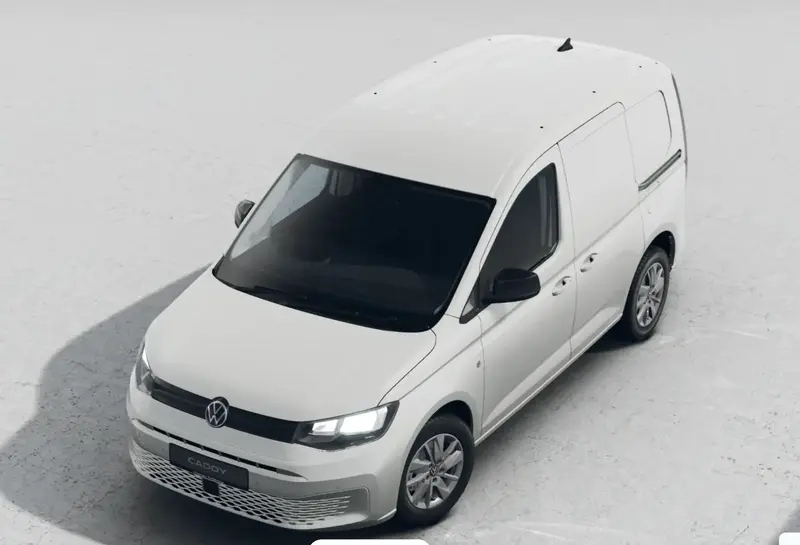


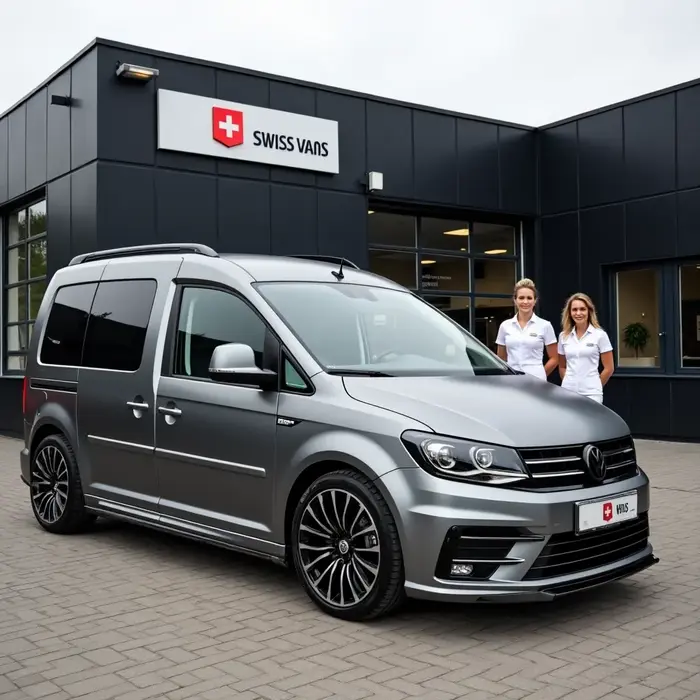
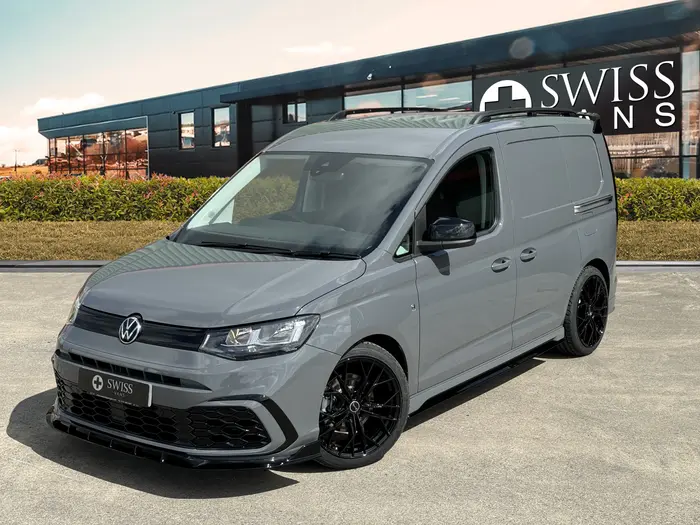
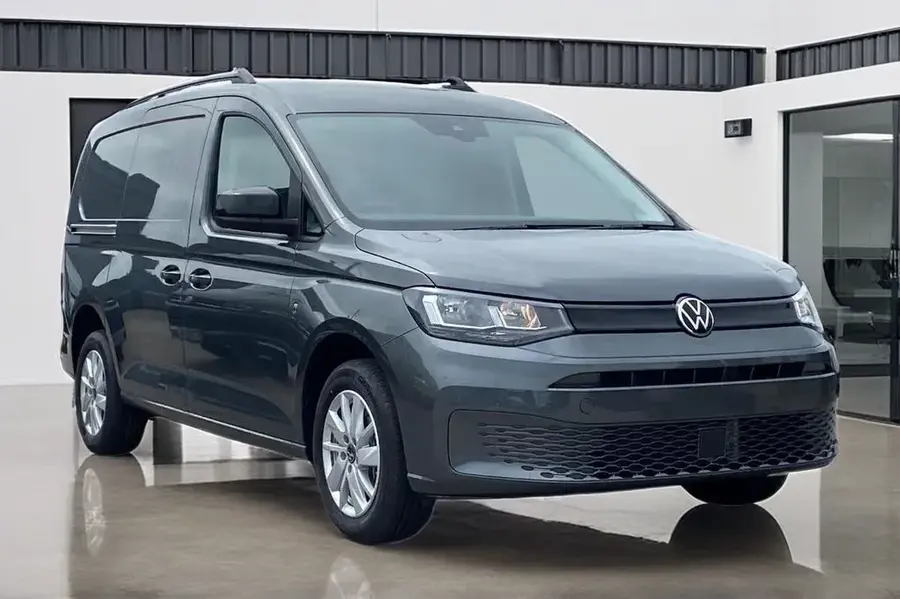
VW Caddy: Everything You Need
The VW Caddy has become a cornerstone in the compact van market, offering versatility and reliability for both commercial and personal use. This popular Volkswagen model has evolved significantly since its inception, adapting to changing needs and technologies while maintaining its core appeal. From its humble beginnings as a small pickup to its current status as a multifaceted vehicle, the VW Caddy has proven its worth across various applications. Source
[caption id="attachment_58768" align="alignnone" width="600"] VW Caddy WASP[/caption]
In this comprehensive guide, we'll explore the history and evolution of the VW Caddy, delve into its diverse model range, and examine its engine options and performance capabilities. We'll also take a closer look at the interior features and technology that make the VW Caddy stand out, as well as its impressive cargo space and practicality. Whether you're considering a VW Caddy van for business purposes, a VW Caddy Maxi for family adventures, or a VW Caddy California for camping trips, this article aims to provide all the information you need to make an informed decision. See all VW Caddy for sale
History and Evolution of the VW Caddy
The Volkswagen Caddy Dimensions has a rich history spanning over four decades, evolving from a humble pickup truck to a versatile and technologically advanced van. Its journey reflects Volkswagen's commitment to innovation and adaptation to changing market needs.
First Generation (1979-1996)
The VW Caddy's story began in 1979 in the United States. Initially launched as the Volkswagen Rabbit Pickup, it was based on the Volkswagen Golf Mk1 platform. This first-generation model featured a 1.83-meter-long bed, making it a practical choice for small businesses and individuals alike. See all VW Vans for sale
[caption id="attachment_57474" align="alignnone" width="700"] VW Caddy[/caption]
In 1982, the vehicle made its way to Europe under the Caddy nameplate. European production took place at the TAS plant in Sarajevo, Bosnia and Herzegovina. The Caddy was available in various configurations, including a panel van version introduced in 1982. See all VW Transporter for sale
Powering the first-generation Caddy was a range of petrol and diesel engines, with outputs ranging from 50 to 70 horsepower. This versatility in engine options allowed the Caddy to cater to different user needs and preferences. See VW Transporter Lease
An interesting development during this era was the introduction of caravan-style add-on units, effectively transforming the Caddy into a compact camper. This early foray into leisure vehicles hinted at the model's future versatility.
Production of the first-generation Caddy continued in South Africa until 2007, long after it had ceased in Europe. In total, more than 207,000 units were produced, with 6,730 finding homes in the UK.
Second Generation (1996-2004)
The second-generation VW Caddy, introduced in 1995, marked a significant departure from its predecessor. Instead of the Golf platform, it now shared its underpinnings with the smaller Volkswagen Polo and SEAT Ibiza. This new Caddy Maxi was produced alongside its twin, the SEAT Inca, in Martorell, Spain. S
Available as a panel van and a high-roofed estate, the second-generation Caddy offered an increased cargo capacity of 2.9 cubic meters. However, it lacked sliding lateral doors, featuring only front doors and rear wing doors.
This generation saw the introduction of several variants, including the Caddy camper in 1995, a pickup version in 1996 (related to the Skoda Felicia), and the Caddy Family MPV in 2017. Engine options ranged from 60 to 110 horsepower, catering to a wide array of use cases.
The second-generation Caddy proved more successful than its predecessor, with a total production of 520,000 units, including the SEAT Inca and Skoda Felicia variants. Of these, 26,089 units found homes in the UK.
[caption id="attachment_57469" align="alignnone" width="700"] Modified VW Caddy[/caption]
Third Generation (2004-2020)
The third-generation VW Caddy, introduced in 2004, marked a return to the Golf platform, specifically the Mk5 Golf. Production moved to Poznan, Poland, which remains the Caddy's manufacturing home to this day.
This generation brought significant improvements, including a larger cargo bay of 3.2 cubic meters and the option of rear wing doors or a large tailgate. The range expanded to include panel van, estate, and MPV variants, with the latter offering seven-seat configurations. See VW Caddy van racking ideas
In 2005, Volkswagen introduced the Caddy Tramper camper van, further expanding the model's versatility. The longer Caddy Maxi, offering increased load capacity, joined the lineup in 2007.
The third-generation Caddy received a significant facelift in 2010, bringing updated design elements and improved safety features, including standard Electronic Stability Control (ESC) and optional 4Motion all-wheel drive. In 2013, the Cross Caddy, a high-riding AWD model, was added to the range.
Over its 11-year production run, Volkswagen built more than 1.6 million third-generation Caddys, with 110,836 units sold in the UK.
Fourth Generation (2020-Present)
The current, fourth-generation VW Caddy, unveiled in February 2020, represents a significant leap forward in terms of technology and design. Built on the MQB platform, which underpins many of Volkswagen's front-wheel-drive passenger cars, this new Caddy offers improved driving dynamics and comfort.
Available in standard and Maxi wheelbases, the new Caddy provides carrying capacities of 3.1m3 and 3.7m3 respectively, and bigger dimensions . Engine options include three diesel variants (75hp, 102hp, and 122hp) and a 114hp petrol engine, with the option of a seven-speed automatic gearbox on more powerful models.
The fourth-generation Caddy boasts significant technological advancements, including the new 'Innovision Cockpit' with smartphone connectivity and a total of 19 driver assistance systems. This latest iteration of the Caddy continues to build on its legacy of versatility and innovation, cementing its position as a leader in the compact van market.
VW Caddy Model Range and Variants
The Volkswagen Caddy offers a versatile range of models and variants to suit various needs, from commercial use to family adventures. This comprehensive lineup includes the Caddy Cargo, Caddy Life, Caddy California, and Caddy Maxi, each designed to cater to specific requirements. See VW Caddy For Sale
[caption id="attachment_56191" align="alignnone" width="700"] VW Caddy Camper[/caption]
Caddy Cargo
The Caddy Cargo stands out as a confident, capable, and versatile van, making it an ideal choice for businesses. Despite its compact design, it boasts an impressive load capacity of up to 700kg, including 100kg on the roof. The clever interior layout maximizes space efficiency, allowing for easy transportation of goods and equipment.
This model features innovative driver assist technologies, varied infotainment systems, and an ergonomic driver's workstation. The optional ergoComfort seats and additional interior storage space transform the cabin into a comfortable workplace for drivers who spend extended periods on the road.
Caddy Life
The Caddy Life elevates the concept of a people carrier, offering a more upmarket feel and a spirited driving experience compared to most competitors. Available in standard 'Caddy' and plusher 'Caddy Life' forms, the latter is distinguishable by its 16-inch 'Wien' alloy wheels and black roof rails.
This model boasts exceptional versatility, with a two-part bench seat in the second row that can be easily folded down, double-folded, or even removed completely. The bench and single seat can also be removed independently, providing ample space for bulky loads or small furniture items. An optional towbar further enhances its practicality.
The Caddy Life excels in accommodating daily life, adapting effortlessly to various scenarios from city shopping trips to countryside excursions. Its spacious interior comfortably seats adults of any size, with plenty of head, leg, and elbow room in both the front and second row.
Caddy California
The Caddy California is Volkswagen's compact campervan offering, designed for those seeking adventure without the bulk of larger models. Based on the fifth-generation Caddy Cargo van, it's the smallest camper in Volkswagen's lineup, sitting below the larger California and Grand California models.
This model transforms into a cozy sleeping space with a full-sized bed measuring 1,980mm x 1,070mm, comfortable enough for two adults. The ingenious design includes a mini-kitchen in the boot, featuring a single-burner cooker with an integrated gas bottle and storage for utensils and food.
Additional features include integrated fly screens for the front windows, dimmable LED spotlights over the bed, and storage bags that hang over the rear windows. An optional annex tent can be attached to the tailgate for extra space and weather protection.
Caddy Maxi
The Caddy Maxi is the long-wheelbase version of the standard Caddy, offering an additional 353mm in length. This extra space translates to a larger luggage area, making it ideal for families or businesses requiring more capacity.
The Maxi variant features wider sliding doors, measuring 844mm, which is 143mm wider than the standard wheelbase version. This increased width enhances accessibility, making it easier for passengers to enter and exit the vehicle.
Available in both commercial and passenger configurations, the Caddy Maxi provides the flexibility to accommodate up to seven seats or offer increased cargo space. In the California camper version, the Maxi's extended length allows for additional storage space behind the bed, perfect for larger items like cool boxes or fold-up bicycles.
Across all variants, the VW Caddy range offers a selection of engine options, including both petrol and diesel powertrains, with outputs ranging from 100 to 120 bhp. This variety ensures that there's a Caddy model to suit diverse driving preferences and requirements, whether for business, family use, or adventure seeking.
Engine Options and Performance
The Volkswagen Caddy offers a range of engine options to suit various needs, from fuel-efficient diesels to responsive petrol powertrains. Each engine variant provides a balance of performance and economy, catering to different driving requirements.
Petrol Engines
The Caddy features a 1.5-liter TSI turbocharged petrol engine, producing 114 horsepower. This engine incorporates Active Cylinder Technology (ACT), which can disable two of its cylinders when full performance isn't needed, resulting in improved fuel efficiency. The petrol variant claims a fuel economy of 43.5-44.1 mpg with the standard six-speed manual gearbox, and 41.5-42.2 mpg with the optional seven-speed DSG automatic transmission.
The TSI engine delivers a peppy and responsive driving experience, making it particularly suitable for urban environments and shorter journeys. Its lighter weight contributes to a more agile feel, especially in daily driving scenarios. For lower mileage users or those who don't regularly carry heavy loads, the petrol option can be a cost-effective choice due to its lower initial purchase price and cheaper fuel costs at the pump.
Diesel Engines VW Caddy
The Caddy's diesel lineup consists of 2.0-liter TDI turbodiesel engines, available in three power outputs: 75hp, 102hp, and 122hp. These engines represent the state-of-the-art in diesel technology, offering a compelling blend of performance and efficiency.
Key features of the diesel engines include:
AdBlue technology with 'twin dosing' for reduced emissions
Torque outputs ranging from 250Nm in the base model to 320Nm in the top variant
Excellent fuel efficiency, with real-world economy ranging from mid-40s to around 50 mpg
Superior towing and load-carrying capabilities
The diesel options are particularly well-suited for high-mileage drivers and those who frequently transport heavy loads. They offer strong mid-range performance and impressive fuel economy, making them ideal for long-distance journeys and commercial use.
Electric Powertrain VW Caddy
As of the current generation, the Volkswagen Caddy does not offer an all-electric powertrain option. However, given the automotive industry's shift towards electrification, it's possible that future iterations of the Caddy may include electric or hybrid variants.
Transmission Options
Both petrol and diesel engines are available with a six-speed manual gearbox as standard. The 122hp diesel and 114hp petrol variants also offer the option of a seven-speed DSG automatic transmission. The DSG gearbox has received praise for its quick and smooth gear changes, avoiding the low-speed hesitancy sometimes associated with other automatic transmissions in the segment.
Performance Considerations
When choosing between petrol and diesel engines, several factors should be considered:
Driving habits: Diesel engines are more suitable for high-mileage users, while petrol engines may be preferable for lower mileage and urban driving.
Load requirements: Diesel variants offer superior torque, making them better suited for heavy load carrying and towing.
Emissions: While all engines meet modern emissions standards, petrol engines may be slightly easier to maintain in low-mileage scenarios due to the absence of a diesel particulate filter.
Future modifications: Diesel engines generally respond better to performance upgrades and tuning.
In conclusion, the Volkswagen Caddy's engine lineup offers a diverse range of options to meet various driving needs and preferences, ensuring that there's a suitable powertrain for every type of user.
Interior Features and Technology
The Volkswagen Caddy boasts an array of advanced interior features and cutting-edge technology, designed to enhance comfort, convenience, and safety for both drivers and passengers.
Infotainment System
At the heart of the Caddy's interior is a sophisticated infotainment system. The Composition Audio comes as standard on Caddy Cargo Commerce and Commerce Plus trims, while the Discover Media system is standard on Commerce Pro trims. These systems offer seamless integration of navigation and entertainment features.
The centerpiece of the infotainment system is a high-resolution 10-inch touchscreen, which is integrated into a cowl that bends around the driver in higher-end models like the GTI and Golf R. This screen has received praise for its responsiveness and speed, allowing users to swipe and tap as if using a high-quality tablet. The interface is designed to be user-friendly, with a layout reminiscent of older iPhones with home buttons.
However, the system has faced criticism for its touch-sensitive controls. The absence of a traditional volume knob, replaced by a touch slider, has been a point of contention. This design choice has led to some user frustration, particularly when adjusting volume while driving on bumpy roads.
Digital Cockpit
The Caddy features an advanced Digital Cockpit, which replaces traditional analog gages with a customizable digital display. This system, known as Active Info Display, offers various information profiles that allow drivers to tailor the displayed data to their preferences.
Key features of the Digital Cockpit include:
High-resolution color display
Customizable information profiles
Option to display navigation maps directly in the instrument cluster
16 different display settings to choose from
Auto mode that adjusts displayed information based on driving conditions
The Digital Cockpit can be easily controlled using the multifunction steering wheel, allowing drivers to access detailed driving data or view driver assistance system information without taking their hands off the wheel.
Driver Assistance Systems
The Caddy comes equipped with a comprehensive suite of driver assistance systems, designed to enhance safety and ease of operation. Some notable features include:
Front Assist: Includes Forward Collision Warning and Autonomous Emergency Braking, helping to prevent or mitigate frontal collisions.
Blind Spot Monitor: Alerts drivers to vehicles in their blind spots when changing lanes.
Rear Traffic Alert: Warns of approaching vehicles when reversing out of parking spaces.
Lane Assist: Helps maintain lane position and alerts drivers if they unintentionally drift out of their lane.
Park Assist: Aids in parking maneuvers by automatically steering the vehicle into parking spaces.
Adaptive Cruise Control: Maintains a preset distance from the vehicle ahead, adjusting speed accordingly.
Light Assist: Automatically controls high beam activation for improved visibility on dark roads.
These systems work together to provide a safer and more comfortable driving experience, monitoring the vehicle's surroundings and assisting the driver in various situations.
Cargo Space and Practicality
The Volkswagen Caddy has established itself as a versatile and practical vehicle, offering ample cargo space and flexible configurations to meet various needs. This section explores the Caddy's load capacity, seating arrangements, and towing capabilities.
Load Capacity VW Caddy
The latest generation of the Volkswagen Caddy has seen improvements in its cargo space dimensions. The standard-length Caddy Cargo has increased its load length by 20mm to 1,797mm. More significantly, the width between the rear wheelarches has expanded by 60mm to 1,230mm, allowing a Euro pallet to fit sideways. The rear door opening is now 51mm wider, and the load-space height has increased by 28mm to 1,272mm.
For those requiring even more space, the Caddy Maxi offers extended dimensions. Although slightly smaller than its predecessor, the new Caddy Maxi still provides a maximum loading length of 2,150mm. The increased loading height and width between the wheelarches make it more practical in key areas, including the ability to accommodate two Euro pallets.
In terms of volume, the Caddy Maxi boasts an impressive 4.2 cubic meters of load space, positioning it among the best in the small van sector. The Kombi version, based on the Maxi, offers 4.1 cubic meters of capacity with the seats removed and 1.6 cubic meters with all seats in place.
Versatile Seating Configurations
The Volkswagen Caddy shines in its adaptability to various needs. The two-part bench seat in the second row can be easily folded down, double-folded, or even removed completely. This flexibility allows for accommodating bulky loads or small furniture items. The bench and single seat can also be removed independently, providing further customization options.
For families, the Caddy offers practical solutions. The two single seats in the third row can be removed, either together or separately, to make way for larger items. This feature proves particularly useful for day trips or outdoor activities, allowing space for equipment like collapsible canoes or picnic baskets.
The Caddy Maxi's long wheelbase provides an additional 353mm of length, resulting in a larger luggage area. This extra space benefits both passengers and cargo on long journeys. The Maxi version also features wider sliding doors (844mm), which are 143mm wider than the short wheelbase version, enhancing accessibility.
Towing Capabilities
The Volkswagen Caddy demonstrates impressive towing capabilities, making it suitable for various applications. Most Caddy models have a braked towing capacity of 1,500kg, with the exception of the 75hp diesel and 114hp petrol variants, which are limited to 1,400kg. The unbraked towing limit stands at 750kg across the range.
It's worth noting that these figures represent the maximum towing capacity, and users should always consult the manufacturer or owner's manual to ensure their specific Caddy model matches these capabilities. Factors such as engine type, transmission, and overall vehicle configuration can influence the actual towing capacity.
While the Caddy excels in many areas of practicality, it's important to note that its payload capacity is not its strongest feature. The maximum carrying ability ranges from 545kg to 736kg, which is lower compared to some competitors that can carry over 1,000kg. The highest payload is achieved with the 102hp 1.0-liter TSI petrol model equipped with a manual gearbox.
Conclusion VW Caddy
The Volkswagen Caddy has proven itself as a versatile and adaptable vehicle, catering to a wide range of needs from commercial use to family adventures. Its evolution over four generations has a significant impact on its current standing as a leader in the compact van market. The Caddy's diverse model range, including the Caddy Cargo, Caddy Life, Caddy California, and Caddy Maxi, showcases its ability to meet various requirements, while its advanced interior features and technology enhance the driving experience.
To wrap up, the VW Caddy's blend of practicality, performance, and innovation makes it a standout choice in its segment. Its impressive cargo space, flexible seating configurations, and towing capabilities further solidify its position as a go-to vehicle for both business and personal use. As the automotive industry continues to evolve, the Caddy's ongoing development suggests it will remain at the forefront of the compact van market, adapting to meet the changing needs of its diverse user base. Volkswagen Caddy Vans For Sale new and used.
FAQs VW Caddy
1. What is the typical lifespan of a Volkswagen Caddy?
The Volkswagen Caddy can typically reach up to 233,000 miles before it may require significant maintenance or replacement, depending on the type of fuel used.
2. When is it necessary to replace the timing belt on a VW Caddy?
The timing belt of a VW Caddy should be replaced approximately every 60,000 to 100,000 miles. This belt plays a crucial role in ensuring that the engine's valves and pistons operate synchronously.
3. How frequently should a VW Caddy undergo maintenance services?
It is advisable to service your VW Caddy every 12,000 miles or annually, whichever comes first, to ensure optimal performance and longevity.
4. What should I check when purchasing a used VW Caddy?
When buying a used VW Caddy, ensure it has a complete service history, especially for models with Euro5 and Euro6 engines and 4Motion systems. Also, verify with Volkswagen dealers using the vehicle’s VIN number to confirm all necessary updates and recalls have been addressed.