Call us on
 Mercedes Electric Vans
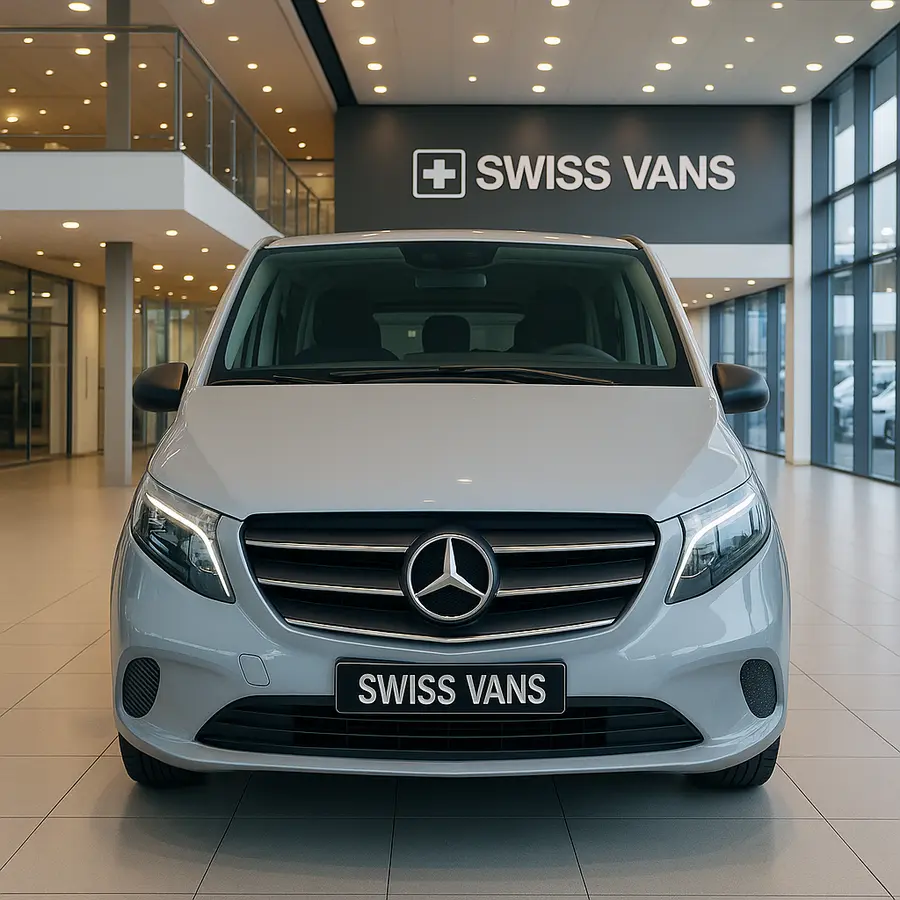
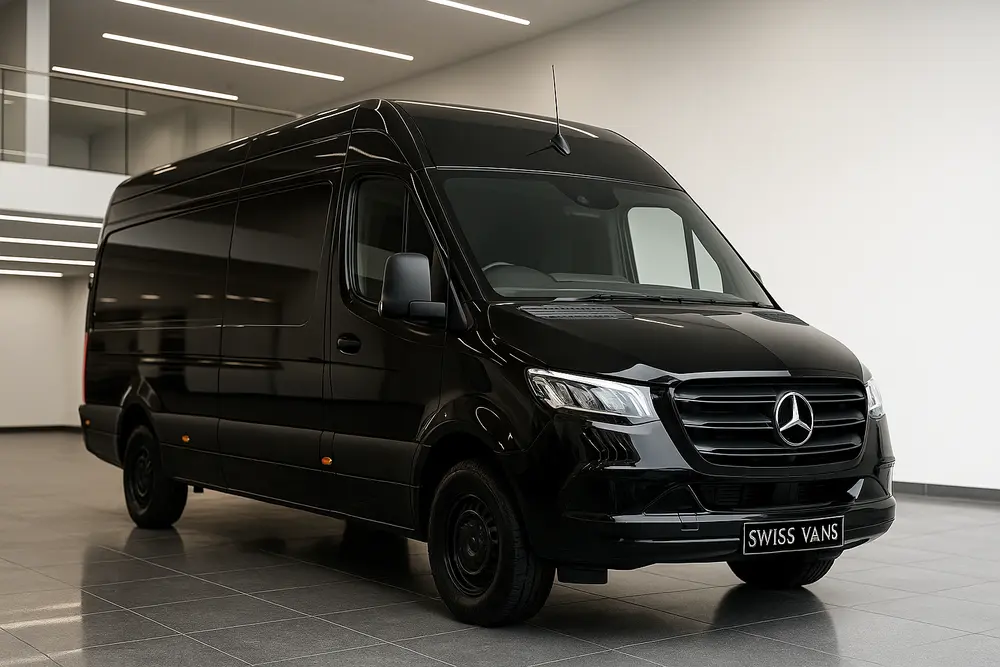
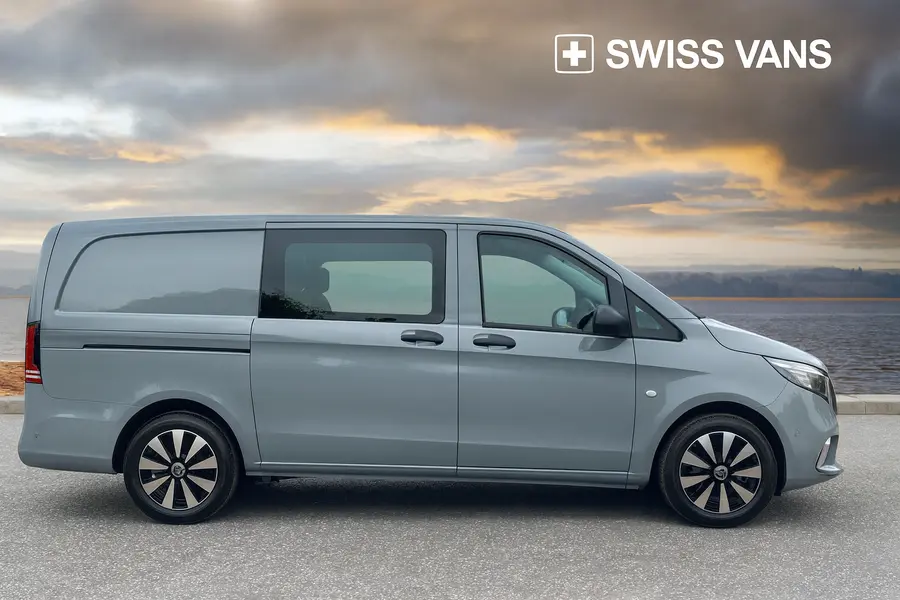

Mercedes Electric Van: The Future
The automotive industry is undergoing a significant shift towards electrification, and Mercedes-Benz is at the forefront of this revolution in commercial transport. With the introduction of their new Mercedes electric van lineup, the German automaker is redefining the future of delivery and service vehicles. Source. This innovative approach not only addresses environmental concerns but also meets the growing demand for efficient and sustainable transportation solutions in urban areas. See all Mercedes Vans
Mercedes-Benz's commitment to electric vans is evident in their expanding range of models, including the eSprinter and eCitan. These vehicles offer businesses a chance to reduce their carbon footprint while enjoying the reliability and performance associated with the Mercedes brand. As cities worldwide implement stricter emissions regulations, the Mercedes electric van lineup provides a timely solution for companies looking to adapt to changing market conditions and environmental standards. The future of commercial transport is electric, and Mercedes-Benz is leading the charge. See all Mercedes Vito for sale
The VAN.EA Architecture
Mercedes-Benz Vans is revolutionizing the commercial transport sector with its innovative VAN.EA (Van Electric Architecture) platform. This groundbreaking architecture, set to debut in 2026, represents a significant leap forward in the company's commitment to electrification and sustainable mobility. See all Mercedes vans for sale
Modular Design
The VAN.EA architecture boasts a modular and scalable design, allowing for maximum flexibility and efficiency. This innovative approach enables Mercedes-Benz to create a clear differentiation between private luxury vans and premium commercial vans while maximizing synergies across its product line. The modular design consists of three key components: front, middle, and rear modules, each serving a specific purpose in the vehicle's overall structure and functionality. See Mercedes Vito Sport
Efficiency and Performance
Mercedes-Benz Vans has placed a strong emphasis on efficiency and performance in the development of the VAN.EA platform. Every aspect of the vehicle has been optimized, including aerodynamics, electric drivetrain, tires, and chassis. The primary goal is to achieve the longest possible range with the optimal battery capacity for the customer's intended use. This approach is crucial, as vehicle weight and price are directly dependent on battery size. See all electric vans for sale
By focusing on efficiency, Mercedes-Benz aims to strike the perfect balance between performance and practicality. This strategy has an impact on the overall cost-effectiveness of the vehicle, making it an attractive option for businesses looking to transition to electric commercial transport solutions. See all electric van lease deals
Three Key Modules Mercedes Electric Vans
The VAN.EA architecture Mercedes Electric Vans is built upon three essential modules, each playing a vital role in the vehicle's design and functionality:
Front Module: This component houses the electric powertrain and the front axle. It remains consistent across all VAN.EA variants, adhering to an optimized common parts strategy. This standardization helps streamline production and maintenance processes.
Center Module: This module is responsible for scaling the vehicle length and contains the standardized battery case. High-voltage batteries with varying capacities can be installed within this case, allowing for customization based on specific range requirements.
Rear Module: Available in two versions, this module determines the drive configuration of the vehicle. One version includes an electric motor for all-wheel-drive variants, while the other is designed for front-wheel-drive models without an additional electric motor.
This modular approach allows Mercedes-Benz to achieve a high degree of scale effects and maximum synergies through leaner, simpler, and faster processes. The result is a maximally efficient use of resources in both development and production, securing sustainable profitability for the company. All vans for sale
By leveraging the VAN.EA architecture, Mercedes-Benz Vans is poised to offer a range of electric vans that cater to diverse commercial and private needs. This innovative platform has an impact on the future of commercial transport, providing businesses with efficient, sustainable, and versatile electric van options.
VAN.EA-P and VAN.EA-C Models
Mercedes-Benz has developed two distinct variants of its VAN.EA platform to cater to different market segments: VAN.EA-P for private luxury vans and VAN.EA-C for commercial vans. This approach allows for clear differentiation between the two categories while maximizing synergies across the product line. See Mercedes minibus
Private Luxury Vans Mercedes Electric Vans
The VAN.EA-P variant is designed for privately positioned vans in the midsize segment, offering a new level of luxury. These vehicles are tailored to meet the needs of lifestyle-oriented customers with high standards, VIP shuttle services, mobile offices, and leisure-active families. Key features of the VAN.EA-P include:
Mercedes-Benz Operating System (MB.OS): This advanced system ensures the van is "always on" and capable of handling various everyday challenges.
Extended Range: With a planned range of over 500 kilometers (310 miles), these vans are suitable for a wide range of activities, even outside urban areas.
Spacious Design: The platform has ample space between its axles to accommodate a large battery, contributing to its impressive range.
Distinctive Styling: Unlike previous generations, the luxury MPV will feature a radically different design compared to the delivery vans, moving away from the "Russian doll" approach to styling.
Commercial Van Applications
The VAN.EA-C variant caters to premium commercial vans in the midsize and large segments. This platform is ideal for customers who prioritize functionality, reach, payload, and cargo space. The modular and scalable design of VAN.EA-C makes it suitable for various configurations and upfitter solutions, including:
Courier, express, and parcel delivery (CEP) vehicles
Ambulances
eGrocery vans
Municipal vans
Flatbeds
Lifting platforms
Recreational vehicles (RV)
The VAN.EA-C platform focuses on maximizing driving range, cargo space, and payload capacity to meet the diverse needs of commercial customers. Additionally, Mercedes-Benz Vans plans to offer more digital extras for commercial customers through MB.OS, including access to third-party apps.
Automated Driving Capabilities
Both VAN.EA-P and VAN.EA-C models will feature advanced automated driving capabilities, with plans for progressive implementation:
At market launch in 2026: SAE Level 2 automated driving will be available for both variants.
By the end of the decade:
VAN.EA-P: Plans to realize SAE Level 3 automation, allowing for "eyes off the road" operation.
VAN.EA-C: Aims to achieve SAE Level 4 automation, addressing the business potential of driverless transportation and allowing for unmanned operation in commercial settings.
These advancements in automated driving technology demonstrate Mercedes-Benz's commitment to innovation and its vision for the future of both private and commercial transportation.
Global Market Expansion
Growth in Europe
Mercedes-Benz Vans has established a strong foothold in Europe, which currently represents its most significant market. With a commanding 60% share of total sales worldwide, Europe stands as the cornerstone of the company's global operations. The division aims to further strengthen its position in this region, leveraging its existing success to drive profitable growth.
Opportunities in the US and China
While Europe remains the primary market, Mercedes-Benz Vans has identified substantial growth potential in two key regions: the United States and China. In the US, the company has already demonstrated impressive progress, doubling its market share from 8% in 2018 to 16% in 2022. This remarkable growth has solidified Mercedes-Benz Vans' strong market position in the country.
Looking ahead, the company sees significant opportunities for premium commercial large vans in the US market. To capitalize on this potential, Mercedes-Benz Vans has set an ambitious goal to profitably and substantially increase sales by 2030. As part of this strategy, the company plans to expand its portfolio by introducing VAN.EA-based commercial vans to its US lineup.
In both the US and China, Mercedes-Benz Vans aims to cater to the expectations of sophisticated customers by offering VAN.EA-based private vans with an unparalleled luxury positioning. This move represents a first for the company and demonstrates its commitment to meeting the evolving needs of high-end consumers in these markets. Notably, the US market will see the introduction of a privately positioned midsize luxury van for the first time, filling a gap in the luxury segment that the soon-to-be-discontinued rear-wheel-drive Metris passenger van failed to address.
New Market Segments Mercedes Electric Vans
Mercedes-Benz Vans is also exploring new market segments to drive growth and innovation. One such area is the expansion of its ex-factory camper van portfolio. The company plans to introduce a new model line of fully electric midsize and large camper vans based on the VAN.EA platform. Through this initiative, Mercedes-Benz Vans aims to set a new industry standard in collaboration with its international camper business partners worldwide.
Another promising segment is the courier, express, and parcel (CEP) services market, which has an annual growth rate of 6-8%. This sector has an impact on the demand for fully electric intra- and inter-urban mobility solutions. To tap into this market, Mercedes-Benz Vans is focusing on the upper price bands of the CEP industry. For the first time, the company plans to offer a VAN.EA CEP-specific version directly from the factory, catering to the unique needs of this rapidly growing sector.
By targeting these new market segments and expanding its presence in key regions, Mercedes-Benz Vans is positioning itself for sustained growth and profitability in the evolving global commercial vehicle market.
Conclusion
Mercedes Electric Vans is leading the charge in transforming commercial transport with its groundbreaking electric van lineup. The VAN.EA architecture has an impact on the future of commercial vehicles, offering a modular design that caters to both luxury and commercial needs. This innovative platform, set to debut in 2026, promises to deliver efficiency, performance, and advanced automated driving capabilities to meet the diverse requirements of businesses and private customers alike.
As Mercedes Electric Vans expands its global reach, it's not just about selling more vehicles. The company is looking to break new ground in key markets like the US and China, while also exploring fresh opportunities in the camper van and CEP sectors. By focusing on cutting-edge technology and customer-centric solutions, Mercedes-Benz is well-positioned to shape the future of electric commercial transport. This forward-thinking approach ensures that the company stays ahead of the curve in an ever-changing automotive landscape.
FAQs Mercedes Electric Vans
1. Does Mercedes offer an electric version of their cargo van?
Yes, Mercedes has introduced a new electric cargo van which offers significant efficiency improvements, particularly beneficial for urban delivery drivers and fleet operators.
2. Who are the primary customers for Mercedes vans?
Mercedes vans are aimed at a diverse group including commercial fleet managers, small business owners, sole traders, drivers, and entrepreneurs, not just existing Mercedes customers.
3. What is the driving range of the Mercedes electric van?
The Mercedes-Benz eSprinter electric van boasts one of the longest driving ranges in its category, with a new battery that enables it to travel over 270 miles on a single charge.
4. What is the price of the Mercedes electric Sprinter van?
The cost information for the electric Mercedes Sprinter van is currently not provided.